
Could This Pullback in US Stocks Be Your Next Buying Opportunity?

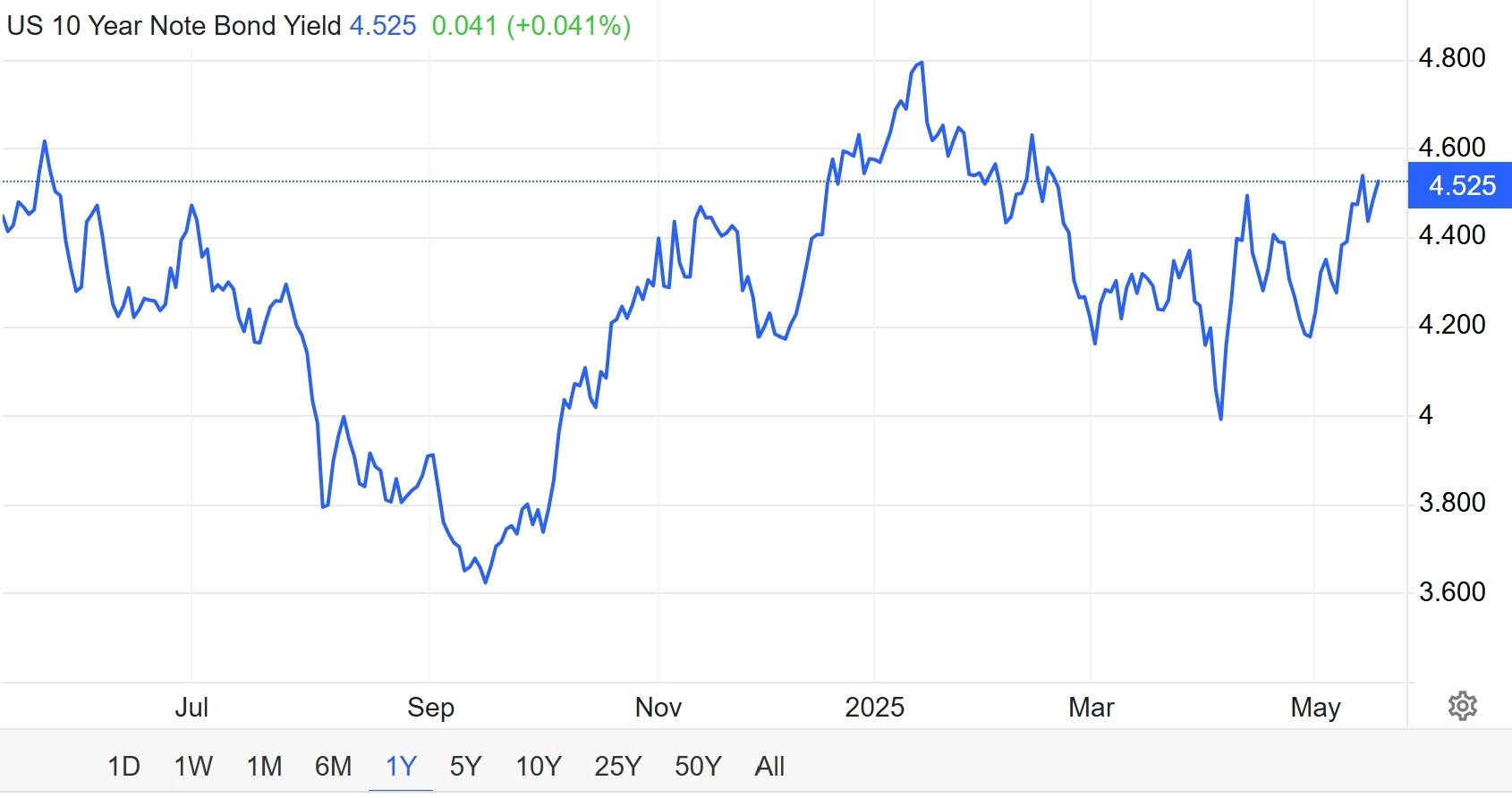
In a surprise move last Friday, Moody’s Investors Service cut the United States sovereign credit rating from Aaa to Aa1 and shifted its outlook to stable. That decision sent ten‑year Treasury yields shooting past the critical 4.5 percent threshold and drove S&P 500 futures down more than one percent on Monday. Yet amid the turbulence, some of Wall Street’s most seasoned strategists see a buying opportunity.
Is This the Moment to Buy the Dip?
Morgan Stanley’s chief equity strategist Michael Wilson argues that investors should lean into any pullback. With the U.S. and China striking a temporary truce on tariffs, recession odds have receded—even if budget deficits remain stubbornly wide. Wilson expects that the trade détente will cushion corporate results and limit economic damage, making any Moody’s‑driven swoon an entry point rather than a warning flag.
Why Are Bond Yields Surging Now?
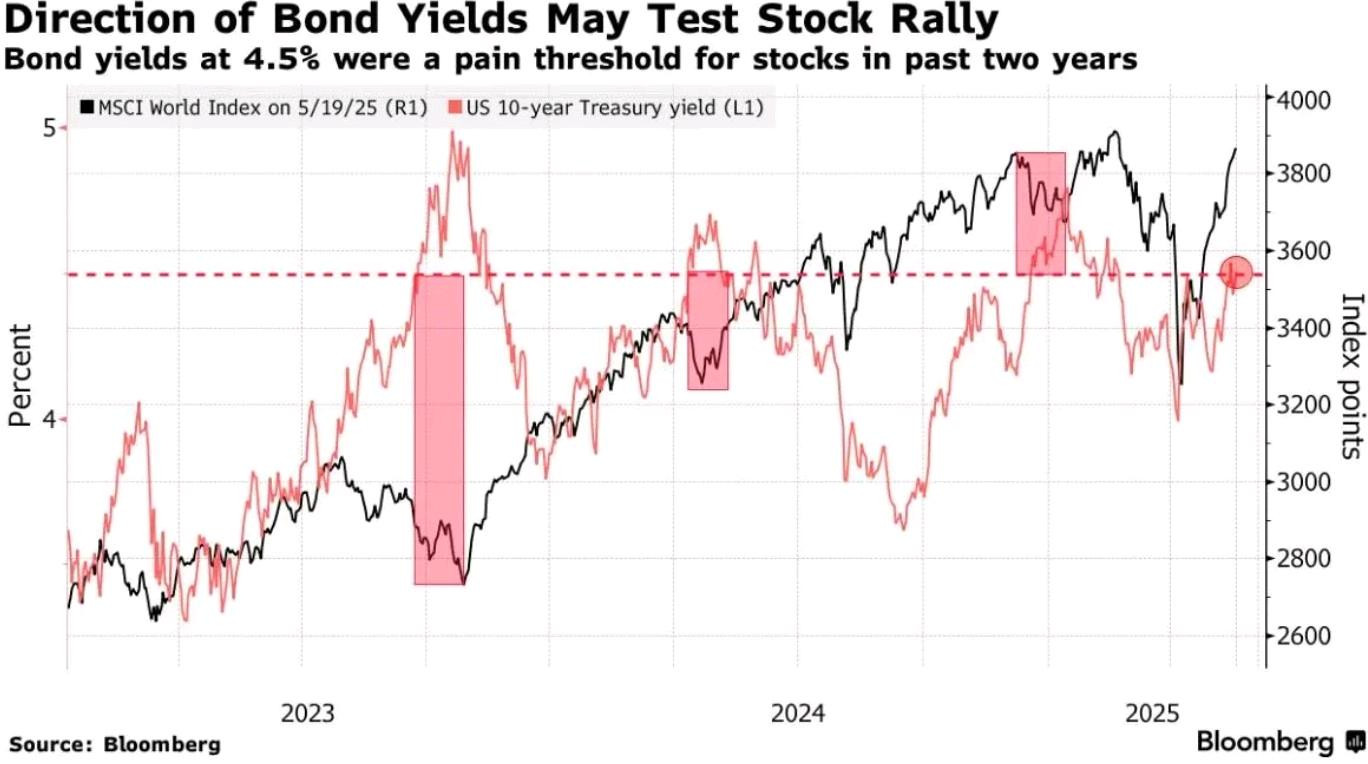
Moody’s rationale hinges on the ballooning U.S. budget gap, but markets reacted most strongly to the signal that even the last remaining Aaa rating was no longer sacrosanct. Bond traders sold off aggressively, pushing ten‑year yields through 4.5 percent for the first time since 2007. Higher yields raise the bar for equity valuations and can sap market momentum, yet Wilson notes that similar spikes have often been followed by renewed equity gains when growth remains intact.
Who Benefits from the Trade Truce?
Tariffs have loomed over corporate America since early 2018. But as companies reported first‑quarter earnings over the past month, few flagged tariffs as a material headwind. In fact, upward revisions to profit forecasts have accelerated, suggesting that the threat of levies on Chinese imports is no longer chilling boardroom expectations. According to Wilson, this shift underpins his confidence that stocks can weather elevated bond yields and shaky headlines.
Market History Shows Opportunity
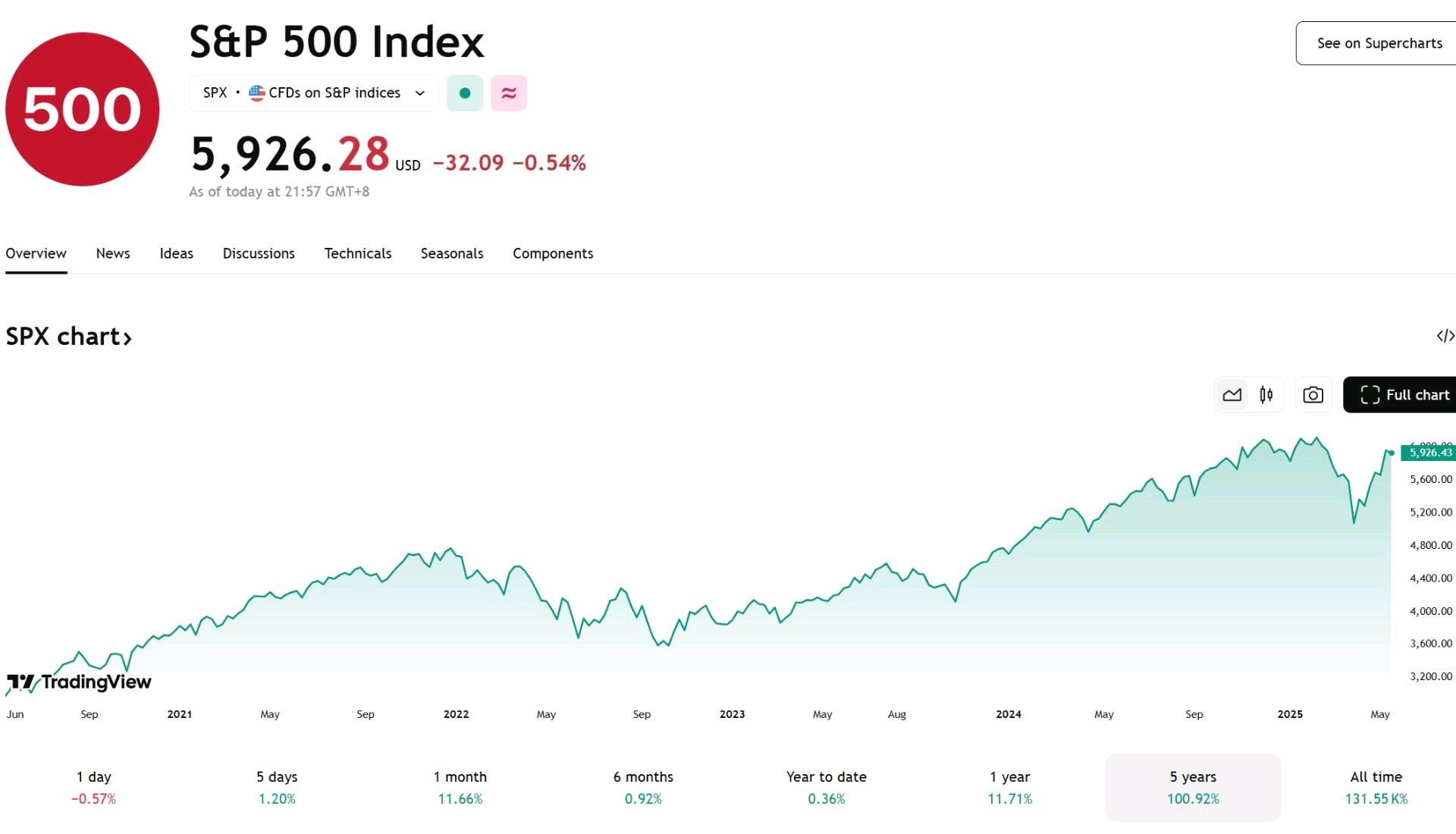
Looking back over the past decade there are instructive parallels. In August 2011, when Standard Poor’s downgraded U.S. debt, the S&P 500 slipped more than ten percent over the next two months only to soar 36 percent in the following year. A similar pattern unfolded after Fitch’s downgrade in August 2023, with a ten percent drawdown followed by a 37 percent rebound over twelve months. Each episode underscores that fear‑driven troughs have often turned into powerful rallies once investors reengage.
ETF Strategies to Weather the Storm
Volatility spiked in premarket trading on Monday, with the short‑term VIX ETN climbing and leveraged bets on rising volatility surging as well. Investors seeking to hedge or play the bounce might consider:
- A long position in the S&P 500 short‑term volatility ETN iPath VXX
- Leveraged funds such as ProShares Ultra VIX Short‑Term Futures UVXY or the double‑long volatility ETF UVIX
- Inverse plays like ProShares UltraPro Short QQQ SQQQ or UltraPro Short S&P 500 SPXU
Each carries unique risks and costs, so a balanced approach that blends protective and upside‑oriented positions may help manage portfolio drawdowns while capturing a rebound.
What Are Wall Street’s Broader Takeaways?
Goldman Sachs strategist David Kostin remains bullish on the so‑called Seven Big Tech names, citing strong earnings momentum that should enable them to outpace the broader market. Steward Partners’ Eric Beiley sees the downgrade as a reminder that recent gains may be peaking, potentially spurring profit taking. Other watchers like Tigress Financial’s Ivan Feinseth warn that a weaker U.S. rating can ripple globally, as American debt sets the benchmark. But Roundhill Investments’ Dave Mazza believes markets largely priced in the risk, so any fallout may be muted compared to prior downgrades.
Looking Ahead
Moody’s move marks the end of an era in which U.S. Treasury obligations carried an unblemished triple‑A stamp. Yet even as bond yields climb and headlines flash warnings, strategists who focus on economic fundamentals and corporate health see room for stocks to extend their bull run. Whether this latest correction proves a brief hiccup or the start of a deeper slide will hinge on upcoming economic data, debt ceiling negotiations, and how long the tariff truce endures. For now, Wall Street’s message is clear: use this pullback as a chance to add exposure—not to exit the market.
This content is provided for informational or educational purposes only and does not constitute investment advice.