
AI Super Week Is Here: NVIDIA, Microsoft, Google in the Spotlight — What Investment Opportunities Should You Watch?

This week is shaping up to be one of the most exciting in tech this year. Dubbed “AI Super Week,” it features three major events: the opening of COMPUTEX 2025 in Taipei, Microsoft’s Build developer conference, and Google’s annual I/O developer conference. Behind the headlines, the battle for the future of AI is unfolding — and with it, new signals for investors.
Let’s break down what’s going on, what matters, and where potential opportunities lie.
🔍 Why is “AI Super Week” such a big deal?
First, let’s set the stage.
COMPUTEX, one of the world’s largest computer and tech expos, officially kicks off in Taipei from May 20 to 23. This year’s theme is “AI Next,” highlighting breakthroughs in artificial intelligence across hardware, software, and systems. The event brings together global giants like NVIDIA, Qualcomm, ARM, and MediaTek.
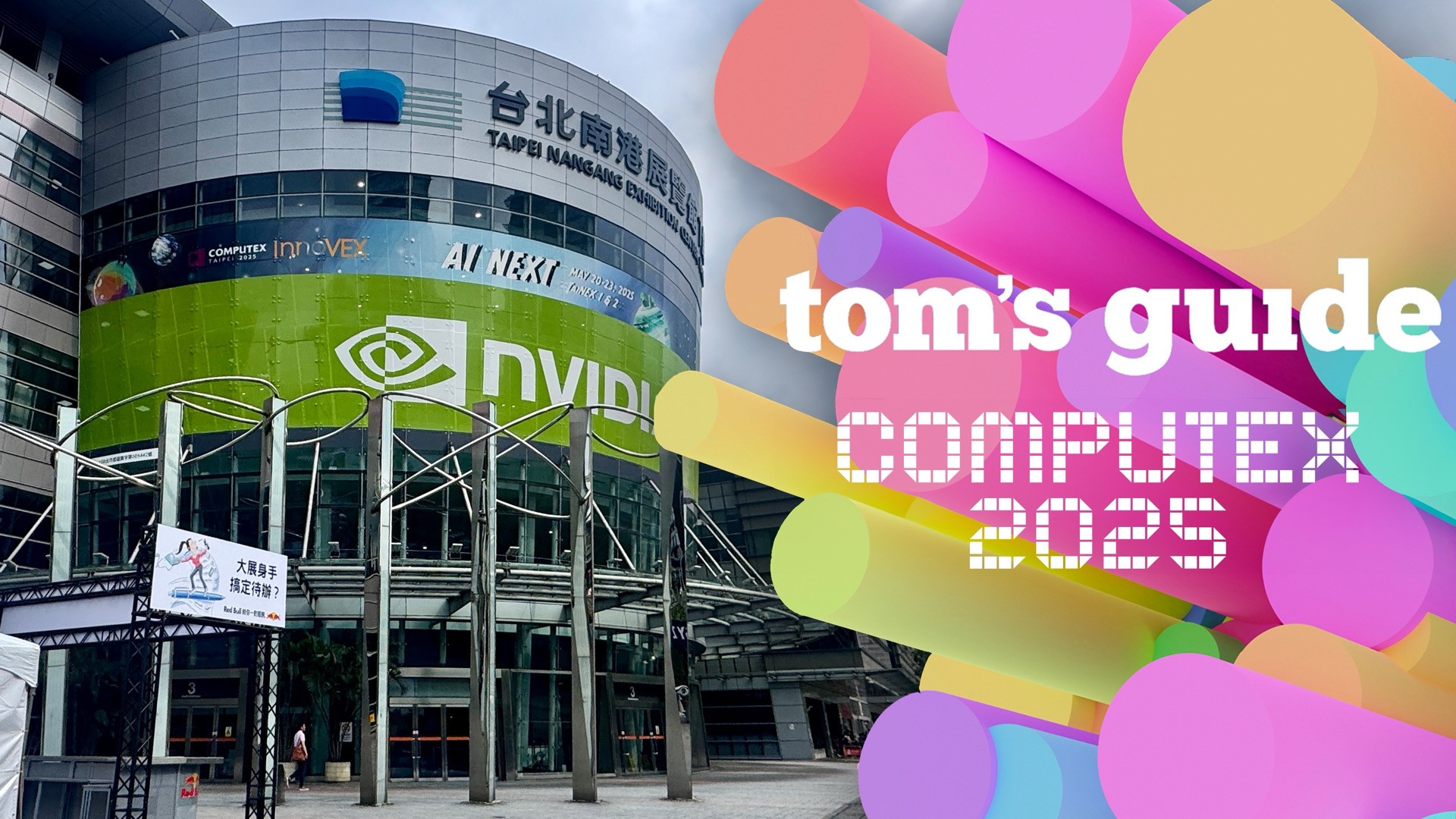
Meanwhile, Microsoft (May 19–22) and Google (May 20) are also hosting their own developer conferences, expected to unveil major updates to AI infrastructure, chips, and software products.
These three events happening back-to-back are no coincidence. Each company is vying to set the direction of AI’s next phase — whether it’s chips, data centers, robots, or consumer products. This clustering of events offers rare insight into where capital, talent, and innovation are moving next.
🧠 NVIDIA: Building the AI Infrastructure of the Future
At the opening keynote of COMPUTEX, NVIDIA CEO Jensen Huang gave a 100-minute masterclass on the company’s AI vision — and it was packed with announcements.
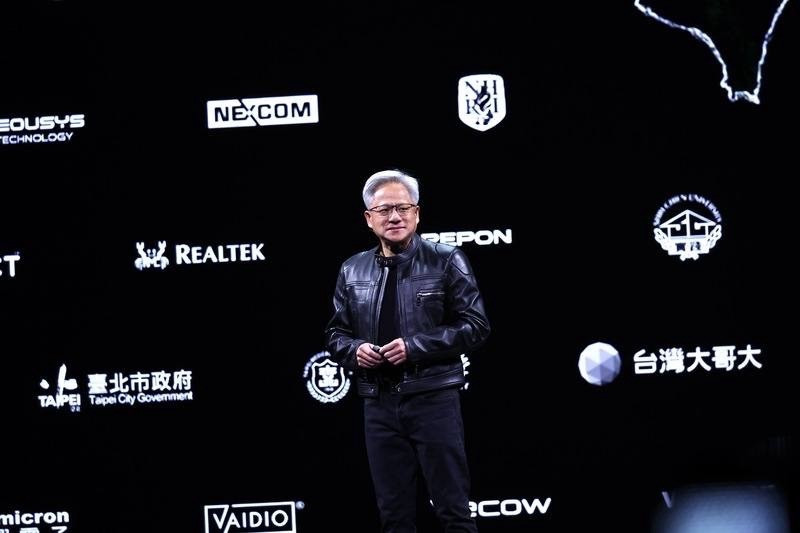
Here’s what stood out:
• New products: RTX 5060 GPU, Grace Blackwell Ultra Superchip, and the upcoming GB300 system for Q3 2025.
• NVLink Fusion: The next-gen high-speed chip interconnect to support massive AI workloads.
• “NVIDIA Constellation”: A new office in Taipei to deepen AI development and partnerships in Asia.
What’s the bigger picture? Huang boldly declared we’re entering the age of the “AI industrial revolution,” and that NVIDIA’s goal is to build the world’s next trillion-dollar infrastructure for AI.
Investor Insight: NVIDIA’s long-term value lies in owning the critical layers of AI computing — from data center chips to robotics and enterprise software. Each product launch is a signal of how they’re stacking more layers of the AI ecosystem into their control.
🤖 Smart Robotics and “Physical AI”: The Next Wave Is Taking Shape
One of the major themes at COMPUTEX is “Smart Computing and Robotics” — a shift from AI just being code to becoming a physical presence in our world.
Here’s some context: At CES 2025, we started seeing more practical robots — cleaning pools, assisting construction, or delivering packages. This shows a move from “companion” robots to multifunctional ones ready for real-world use.
According to TrendForce, the global market for large language models (LLMs) embedded in robots is expected to grow at 48.2% annually, reaching over $100 billion by 2028.
Why this matters: Once AI moves from screens to physical forms, the demand for chips, edge computing modules, sensors, and OS-level control will explode.
Watchlist: Robotics stocks with strong AI integration, as well as chipmakers powering edge AI systems.
🥽 Next-Gen Tech: VR, AR, MR — and the Battle for the Smart Glasses
Another theme? “Next-generation tech” — namely, VR (Virtual Reality), AR (Augmented Reality), and MR (Mixed Reality). This area is heating up fast thanks to breakthroughs in hardware.
For example:
• VR/MR devices are becoming lighter, cheaper, and more immersive, thanks to OLEDoS displays.
• AR smart glasses are benefiting from AI enhancements, better user interfaces, and Micro-LED display innovations.
According to forecasts, AR glasses chip revenue could hit $383 million by 2026, with a staggering CAGR of 704% from 2023 to 2026.
Investor Insight: Big tech players like NVIDIA and Xiaomi are already moving into this space. Follow companies with deep display tech or AI-native AR hardware.
🚘 Future Mobility: From Car-to-Everything to Autonomous Driving
The third major area at COMPUTEX is “Future Mobility,” centered on autonomous driving, smart infrastructure, and V2X (vehicle-to-everything) technologies.
This is a long-term game.
According to McKinsey, autonomous driving could create $300–400 billion in annual revenue by 2035. But right now, challenges remain — including high infrastructure costs and fragmented communication standards.
MaaS (Mobility-as-a-Service) has potential, but relies heavily on government coordination and industry alignment.
What to watch: Companies working on foundational tech like sensors, real-time data processing, or cloud platforms for vehicle fleets. Also, pay attention to national infrastructure plans — public funding often lights the spark in this sector.
🔧 Microsoft Build & Google I/O: Software Battles Go AI-First
Outside of COMPUTEX, two other titans are in play this week.
🧩 Microsoft Build (May 19–22)
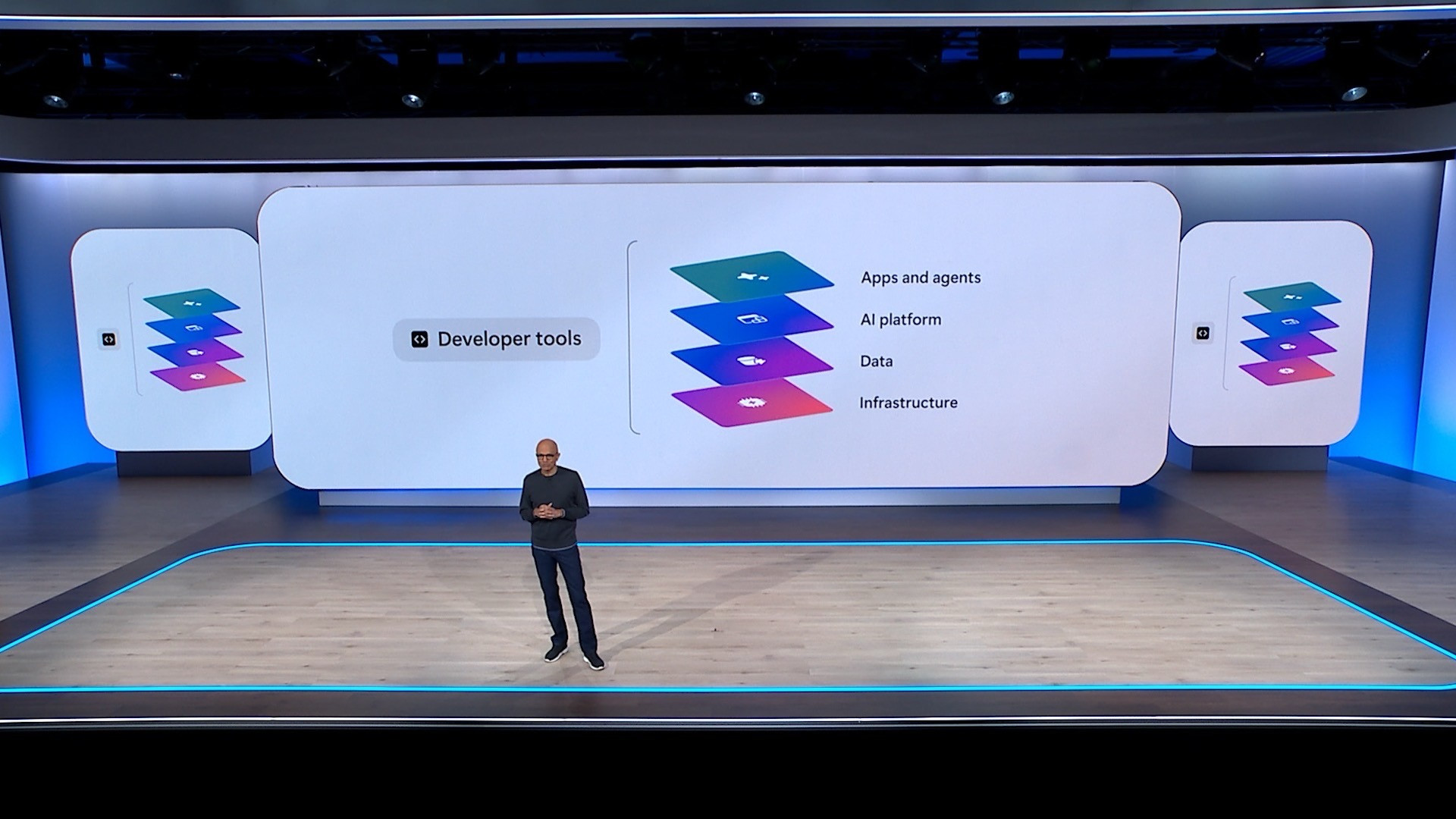
Expect updates across:
• Copilot AI assistant: Deeper integration into Windows, Office, and Azure services.
• Azure Maia 2 chip: The rumored next-gen AI accelerator to power Microsoft’s cloud infrastructure. Industry chatter suggests Marvell is handling production.
What it signals: Microsoft is aiming to become the default AI platform for both enterprises and consumers — through chips, software, and cloud.
🔍 Google I/O (May 20)
Expected highlights:
• Gemini 2.5: The next version of Google’s LLM, set to run across Android, Chrome, YouTube, and more.
• New Android features: Including the new design system “Material 3 Expressive” and in-car Gemini apps.
Why it matters: Google is positioning Gemini as the foundation of its AI strategy — similar to what ChatGPT is for OpenAI.
🧭 My Take: What This Week Is Really About
This “AI Super Week” isn’t just about product launches — it’s about platforms locking in dominance.
• NVIDIA wants to be the hardware layer of all future AI.
• Microsoft is fighting to own the enterprise AI stack — from chips to apps.
• Google is trying to regain AI mindshare through consumer products and Android.
For investors, this means watching:
1. Platform enablers (chipmakers, cloud service providers).
2. AI-native use cases (robotics, AR glasses, autonomous systems).
3. Infrastructure integrators (companies stitching these pieces together).
We’re entering the phase where AI is no longer just a “trend” — it’s becoming the operating system of the physical world.
Follow me for more deep dives on AI investing trends, decoded simply and clearly.