
Google I/O 2025 Marks a New Future with Gemini at the Core

At its annual I/O developer conference this week, Google made one thing abundantly clear: Gemini is no longer just a chatbot—it’s on track to become the backbone of its core businesses.
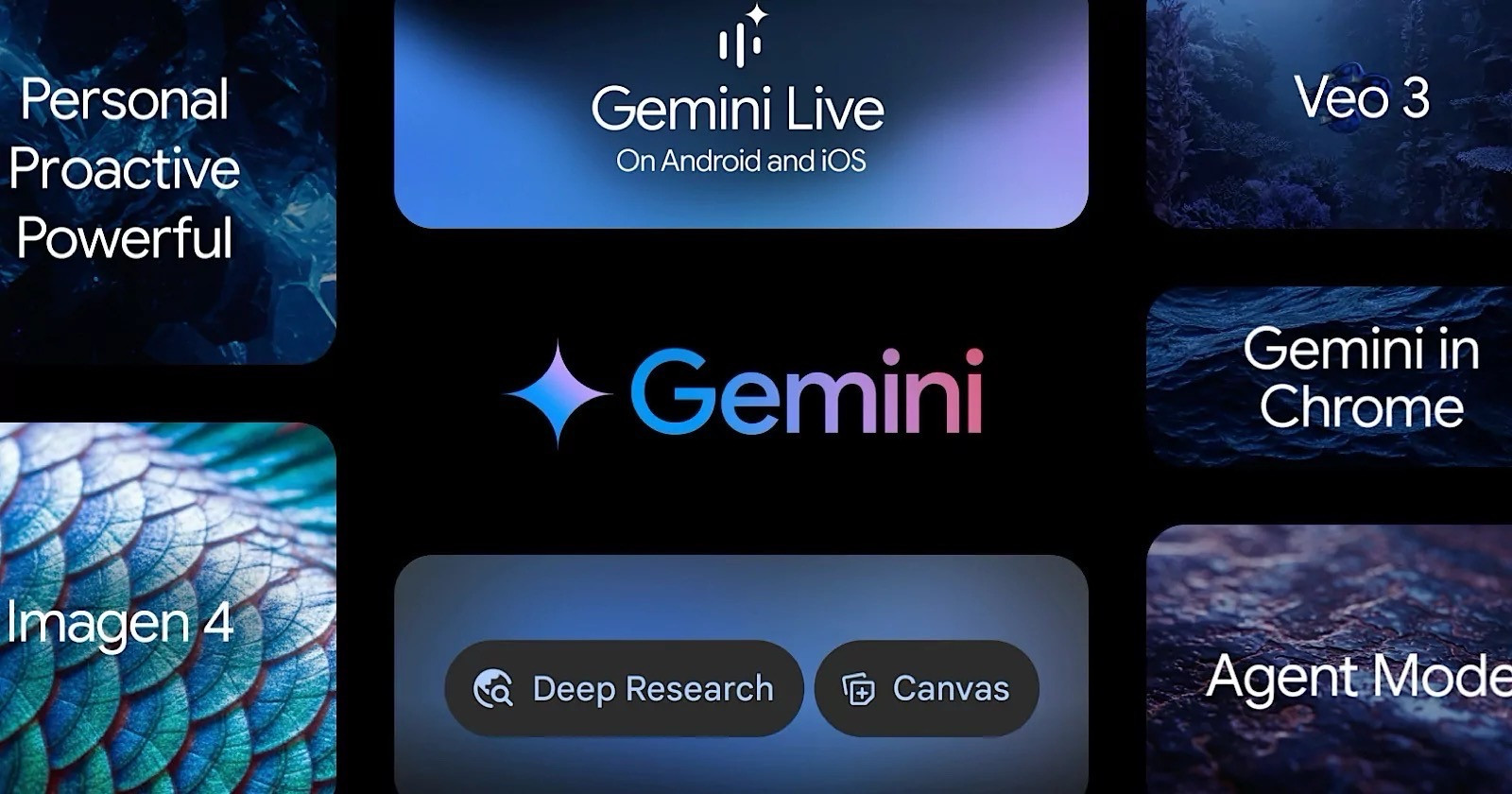
From Search and Ads to Cloud and Android, Google is embedding Gemini across every layer of its ecosystem, in what appears to be its most aggressive push yet to redefine its business model in the AI era.
Search Business: Gemini Takes the Wheel
Google officially rolled out “AI Overviews” in its core Search product, powered by Gemini. Instead of returning the usual blue links, users will now get AI-generated summaries at the top of the results page.
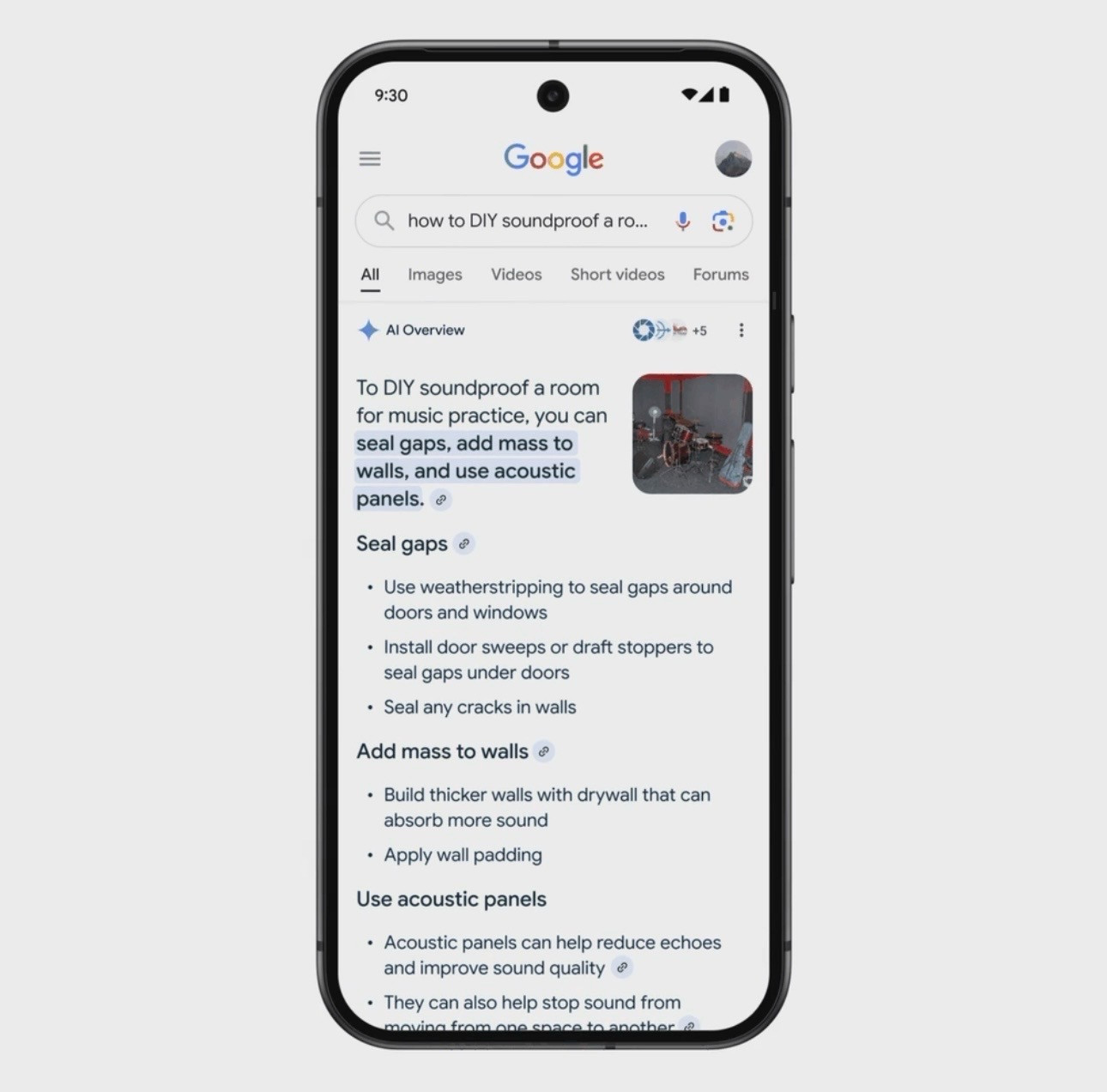
That’s a massive shift for Google’s ad-driven business.
• Search ads accounted for 56% of Alphabet’s total revenue in 2025Q1.
• AI answers risk reducing the number of ad clicks if users find what they need without browsing further.
But Google’s counterargument is “AI Overviews will increase user satisfaction and drive higher-quality clicks.” In other words, the company is betting that better experience will lead to higher ad value per impression, even if total clicks decline.
This marks a fundamental recalibration of Google’s ad monetization model.
Cloud and Enterprise: Gemini Becomes the Product
The enterprise push is just as aggressive:
• Gemini is now fully integrated into Google Workspace (Gmail, Docs, Sheets);
• Gemini 1.5 Pro offers long context windows (up to 2 million tokens);
• Code Assist enters the market to compete with GitHub Copilot and AWS Q.
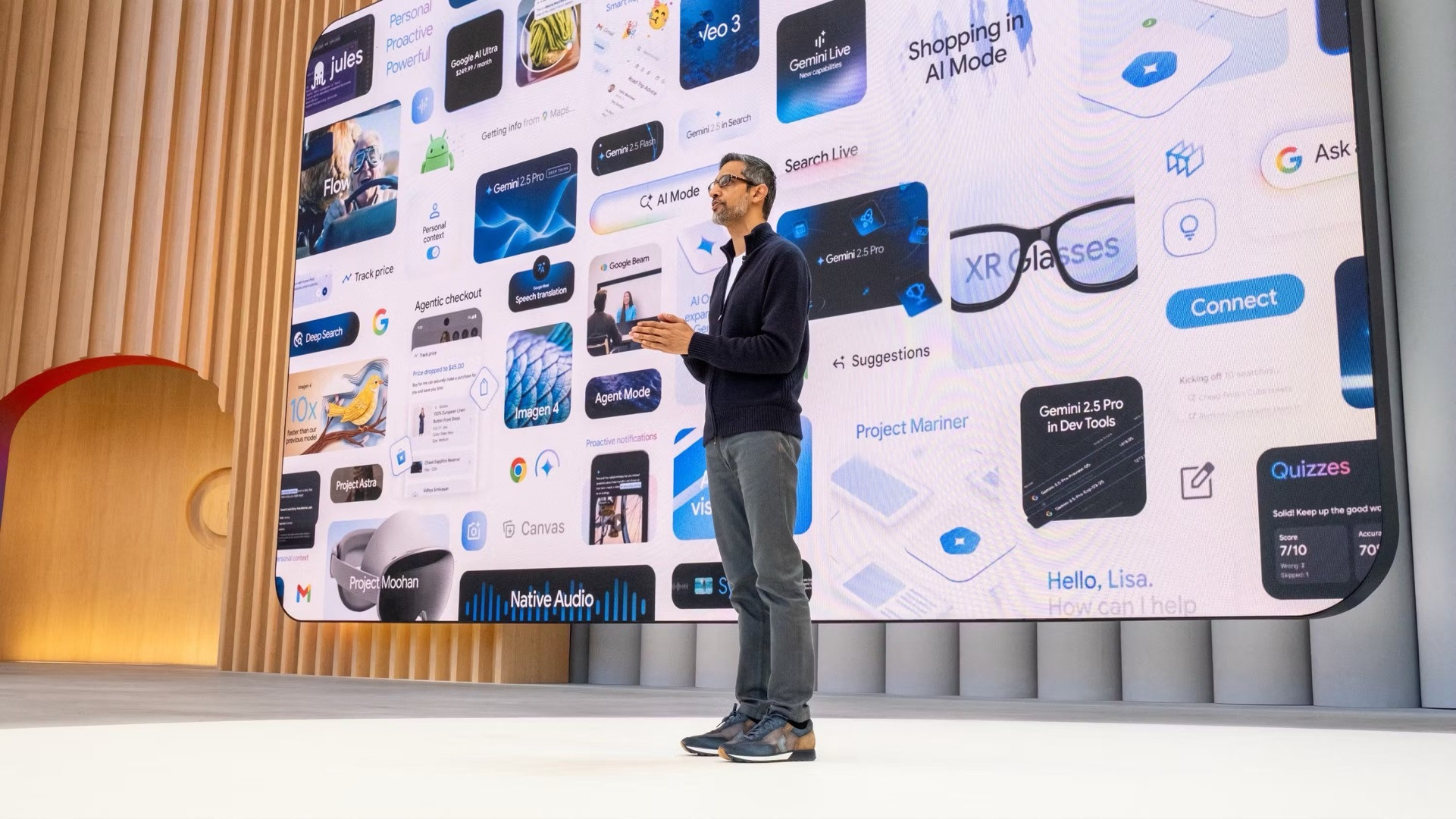
Google Cloud—once Alphabet’s money-losing segment—turned profitable in late 2023. With Gemini, AI moves from a feature to a primary product line, potentially lifting average revenue per customer (ARPU).
If Gemini accelerates enterprise adoption, Cloud could see significant upside in margins and market share.
Multi-modal AI: Betting on Generative Media
Google also unveiled:
• Veo, its new video generation model (a direct answer to OpenAI’s Sora);
• Imagen 3, an image model competing with Adobe Firefly.
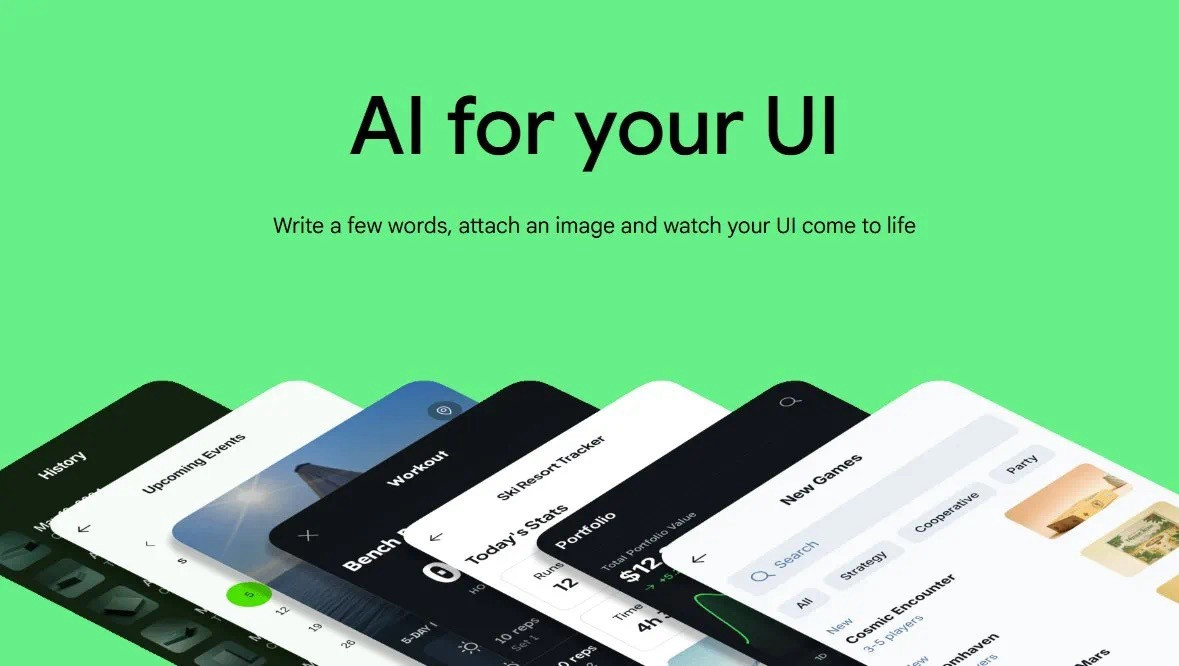
While monetization is still far off, these models could transform how content is created across YouTube and Google Ads—improving ad creatives, video SEO, and user engagement at scale.
Put differently: Google wants to control not just where users search, but how ad content is generated.
Android OS: Gemini Goes Native
The most under-discussed but potentially disruptive change: Gemini is becoming native to Android.
• Android 15 includes Gemini Nano, a lightweight on-device model;
• New features include screen summarization, contextual memory, and AI call assistance;
• Pixel phones are the flagship Gemini devices.
This puts Google ahead of Apple in integrating AI at the OS level. Rather than treat AI as an app, Google is building it as a system layer—essentially an AI operating system.
Investor Takeaway
This I/O event wasn’t about flashy demos. It was about telling investors that Google has a long-term AI blueprint:
1. Google is no longer chasing OpenAI. It now has a full-stack AI ecosystem, from models (Gemini 1.5) to enterprise tools (Workspace), hardware (TPUs), and native apps (Android).
2. Its core monetization levers—Search and Cloud—are being reinforced, not disrupted. AI becomes a tool to deepen moats, not just defend against ChatGPT.
That said, risks remain:
• Gemini still lags GPT-4o and Claude 3 in some benchmarks;
• Search traffic fragmentation may pressure ad pricing;
• AI costs are rising fast, and ROI is still uncertain.
My View
Google wants Gemini to be the new computing substrate, replacing traditional search, enhancing productivity apps, and powering a new wave of developer tools. It’s a bet to rewire the company’s future—and keep up with Microsoft’s Copilot push.
Short term, this gives investors reassurance: Google is not losing the AI race. But real financial impact will likely come in late 2025, as Gemini adoption translates into enterprise deals and new ad formats.
Until then, Google stock will remain sensitive to AI news cycles—but at least now, it has a narrative worth watching.