
Can Trump Tax Bill Drive Growth Without Exploding U.S. Deficits?

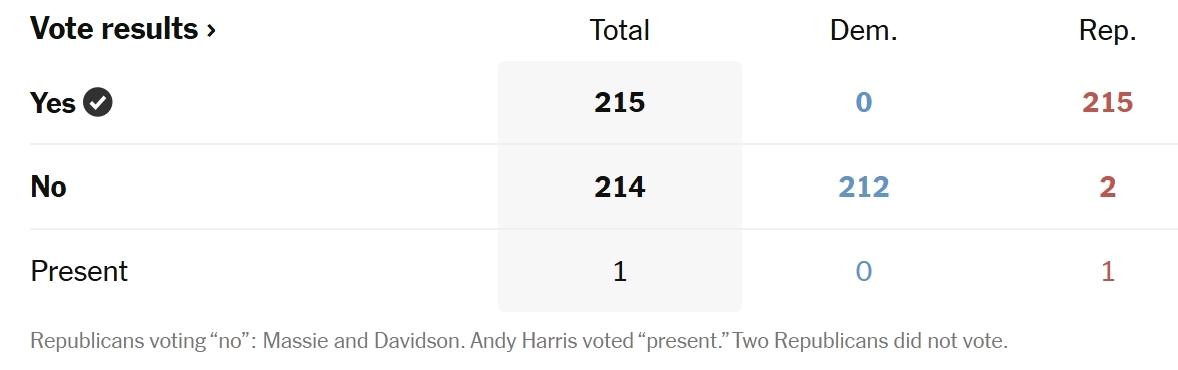
In the pre-dawn hours of May 22, the House of Representatives narrowly passed President Trump’s mammoth tax and spending package, sparking immediate turmoil in financial markets. Solar stocks were first out of the gate, with Sunrun plummeting over thirty percent, SolarEdge dipping fifteen percent and First Solar down eight percent in premarket trading. Investors fear that long-standing federal incentives for rooftop panels, wind farms and electric vehicles could be curtailed or phased out entirely, altering the cost calculations that have powered renewable energy expansion. Beyond green tech, the proposal’s sweeping scale—from individual tax cuts to social safety-net adjustments and border spending—has traders and rating agencies on edge about the nation’s long-term fiscal trajectory and the risk of another downgrade on U.S. debt.

What Tax Changes Lie at the Core of the Trump Tax Bill?
At its heart, the legislation seeks to lock in individual rate cuts first enacted in 2017 and set to expire at the close of 2025, pledging certainty for filers but adding an estimated three trillion dollars to deficits over ten years, according to the Congressional Budget Office. The bill would also broaden or create several targeted reliefs and new savings vehicles for specific demographics. Key provisions include:
- Permanent lower tax brackets for all income levels, preventing a scheduled rollback to pre-2017 rates.
- Expansion of the state and local tax deduction cap from ten thousand dollars to forty thousand dollars, chiefly benefiting residents of high-tax states such as California, New York and New Jersey.
- Preservation of temporary exemptions for tipped wages and overtime pay, extended through multiple years to aid service-industry and gig-economy workers.
- Introduction of “Trump savings accounts” funded with an initial one-thousand-dollar government seed for children under eight, aimed at education and health expense planning.
- New deductions tailored for seniors, including interest on automotive loans and an enhanced standard deduction beginning at age sixty-five.
Proponents hail these moves as turbocharging consumer spending and providing long-term clarity for households. Detractors warn that embedding such cuts permanently will magnify future deficits, hampering the government’s capacity to respond to crises or invest in infrastructure without hiking revenue or slashing other programs.
How Will the Safety Net Transform Under the New Rules?
Perhaps the most contentious sections of the Trump tax bill strike at the core of America’s social welfare architecture. Under the proposed plan, Medicaid expansion enrollees would face new work requirements starting December 31, 2026, along with routine recertification to verify income and eligibility. Coverage for children of undocumented immigrants would be disincentivized, as states weigh financial penalties for enrolling noncitizen minors. Simultaneously, the Supplemental Nutrition Assistance Program would undergo benefit tightening, with stricter income thresholds and reduced automatic eligibility for able-bodied adults, aiming to save up to three hundred billion dollars over ten years but shifting much of the administrative cost onto states. Early estimates by nonpartisan analysts suggest that as many as 7.6 million Americans could lose Medicaid coverage and millions more could experience lower SNAP benefits. Advocates argue these reforms incentivize self-sufficiency and alleviate federal budget pressures, while critics decry the human cost: deepening healthcare disparities, exacerbating hunger and imposing heavier burdens on families already teetering on the edge of poverty.
What Business Provisions Are Included—and What’s Missing?
Beyond individual tax relief and welfare changes, the bill reshapes the corporate and small-business landscape in several ways. It preserves the twenty-one percent corporate rate while making permanent key expensing rules that allow companies to immediately deduct capital investments in new factories and equipment. Research and development credits remain intact to encourage innovation, and the 199A pass-through deduction for partnerships and S-corporations endures at a twenty-three percent rate. Yet, high-profile proposals—such as lowering the corporate rate for manufacturers to fifteen percent or closing the carried-interest loophole—were ultimately dropped. Analysts note this mixed bag: manufacturers and startups may reap the benefits of full expensing, but larger enterprises and hedge funds will not see the sweeping rate cuts once touted on the campaign trail, leaving questions about the plan’s ability to spur broad-based corporate expansion.
How Does the Bill Redirect Spending on Security and Energy?
Trump’s package also channels substantial funds to immigration enforcement, defense and traditional energy. Roughly one hundred forty billion dollars is earmarked for border security initiatives—detention facility construction, additional Border Patrol agents and large-scale deportation operations. National defense budgets would receive about one hundred fifty billion dollars extra, including funds for a novel “Golden Dome” missile-defense system championed by the administration. Education vouchers for private, parochial and homeschool alternatives see a significant increase, giving families more choice outside public schools. On energy policy, the bill fast-tracks oil and gas project permits while phasing out renewable energy credits erected under the previous administration. Supporters frame these allocations as strengthening national security, boosting energy independence and empowering parental choice; opponents counter that they sacrifice environmental protections, humanitarian relief and the promise of a clean-energy future.
What’s Next for the Trump Tax Bill in the Senate?
With House approval secured by a single-vote margin, the Trump tax bill now advances to the Senate, where its fate is far from assured. Senate leaders have already signaled plans to amend high-profile provisions, particularly those involving clean-energy incentives and prohibitions on state-level artificial-intelligence regulation for a ten-year period—an unprecedented federal preemption. If the Senate alters the text, a conference committee will convene to reconcile differences before the president can sign the final version into law. Treasury Secretary Scott Bessent has sounded the alarm on the looming debt-ceiling deadline, warning that without a four-trillion-dollar increase, the government risks default as early as August. As summer recess looms, the window for agreement shrinks, placing intense pressure on lawmakers to balance immediate relief for constituents with the imperative of long-term fiscal stability. For investors, businesses and everyday Americans alike, the ultimate shape of this legislation will determine the contours of the U.S. economy for years to come.
This content is provided for informational or educational purposes only and does not constitute investment advice.