
Crypto Access for Sale: Is Trump Monetizing His Influence with $TRUMP Token?

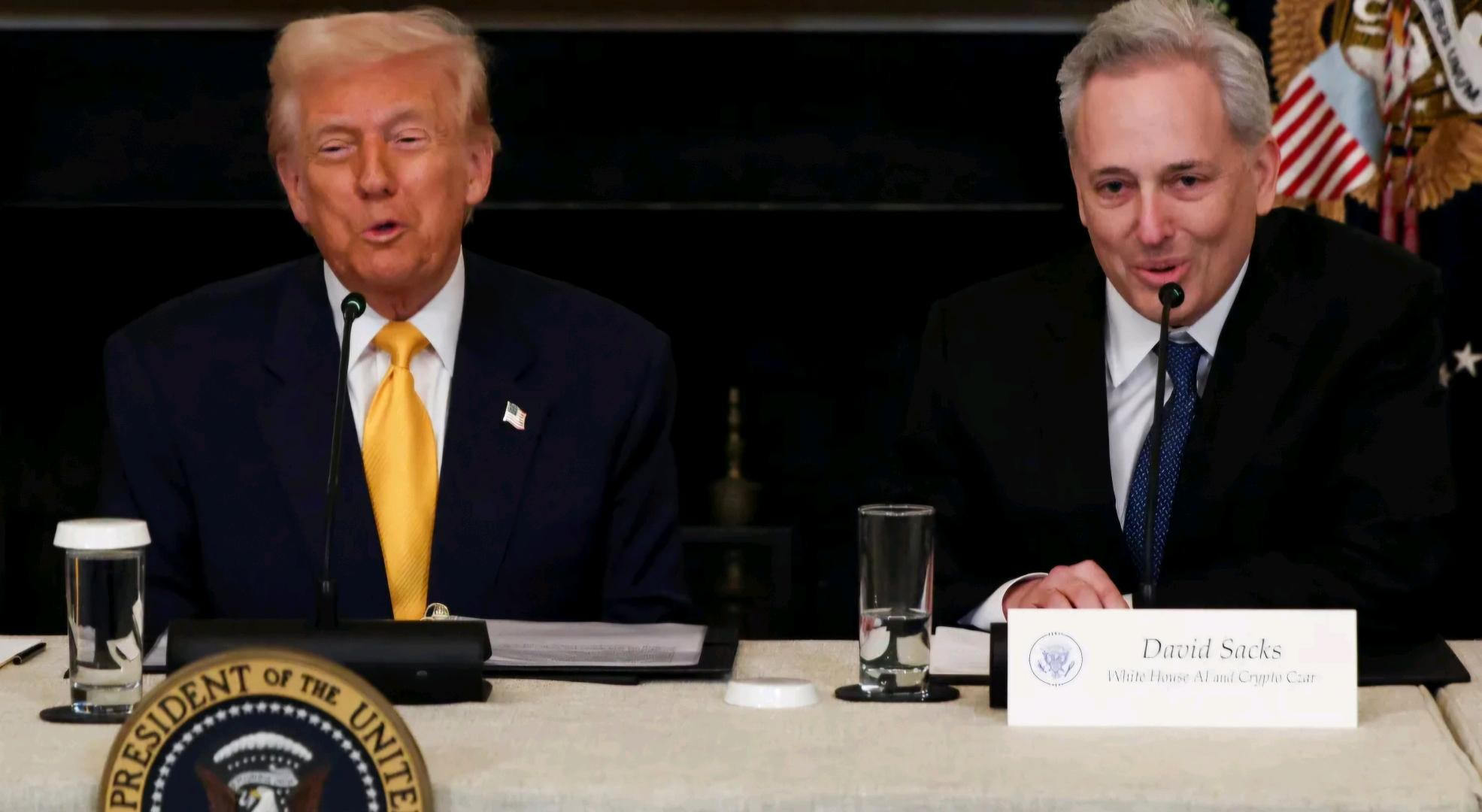
Donald Trump’s latest venture into the crypto world has sparked fresh concerns over blurred boundaries between political power and personal gain. As Bitcoin nears historic highs and the Senate advances pro-crypto legislation, Trump hosted an exclusive dinner at his Virginia golf club for the top 220 investors in his newly launched $TRUMP meme coin. Attendees gained not only a shared meal but a rare face-to-face meeting with the president himself. Critics warn that this high-profile event could set a perilous precedent—transforming token ownership into a backdoor for VIP access and lobbying.
What’s the big deal?
At first glance, the dinner appears to be another lavish Trump affair. Yet the stakes go deeper. The $TRUMP coin isn’t merely a speculative joke; it promises concrete perks. The first 25 holders secured invites to Thursday’s reception, while the top four investors were rewarded with air-dropped, Trump-branded crypto watches valued at $100,000 each. Once news of the dinner broke, $TRUMP’s price surged spectacularly—generating hundreds of millions in trading fees for entities tied to the Trump Organization. Even Melania Trump unveiled her own meme coin, and Trump’s sons, Donald Jr. and Eric, have launched a crypto mining partnership.
Why insiders are uneasy
Many in the crypto community once hailed Trump for his combative stance against the Biden administration’s regulatory efforts. Today, that support has cooled. CastleIsland Ventures partner Nic Carter laments that Trump’s private token initiative is “hugging us to death,” distracting from the industry’s push for responsible, commonsense legislation. Coinbase CEO Brian Armstrong has chosen not to publicly weigh in, recognizing that any perceived endorsement could tarnish the exchange’s reputation. For these insiders, $TRUMP’s rapid market success only highlights the risk of trading platforms and public office intertwining.

How could this reshape Washington?
By effectively selling access through token ownership, the Trump dinner could rewrite the rules of engagement in Washington. American University professor James Thurber labels Trump the “commander in chief of marketing,” warning this model opens doors for foreign and special-interest players to influence policy outside traditional campaign finance channels. Given crypto’s pseudonymous nature, anonymous buyers could sway political outcomes without leaving paper trails. Meanwhile, lawmakers wary of these conflicts have used Trump’s token strategy to stall the GENIUS Act—a landmark stablecoin regulation bill—in the Senate, arguing the proposal lacks guardrails against self-dealing.
What you need to know about the GENIUS Act
While the dinner drama unfolds, Capitol Hill moves ahead on regulating dollar-pegged tokens. The “GENIUS Act” (Guidance for Established National Innovation in US Stablecoins Act) recently cleared a critical Senate procedural vote with 15 Democrats joining Republicans to end debate. Trump’s senior crypto and AI adviser, David Sacks, predicts that clear legal frameworks for stablecoins could “overnight” unleash demand for “tens of trillions” in U.S. Treasury securities, by corralling more than $200 billion of unregulated tokens under federal oversight. Consider:
- In 2024, the total trading volume of stablecoins topped $28 trillion, surpassing Visa and Mastercard combined.
- Tether controls over 60 percent of the stablecoin market, backed by Cantor Fitzgerald bank.
- Major institutional players are lining up to tap into this liquidity, eyeing more efficient, low-cost payment rails.
Has Trump’s attitude toward crypto really shifted?
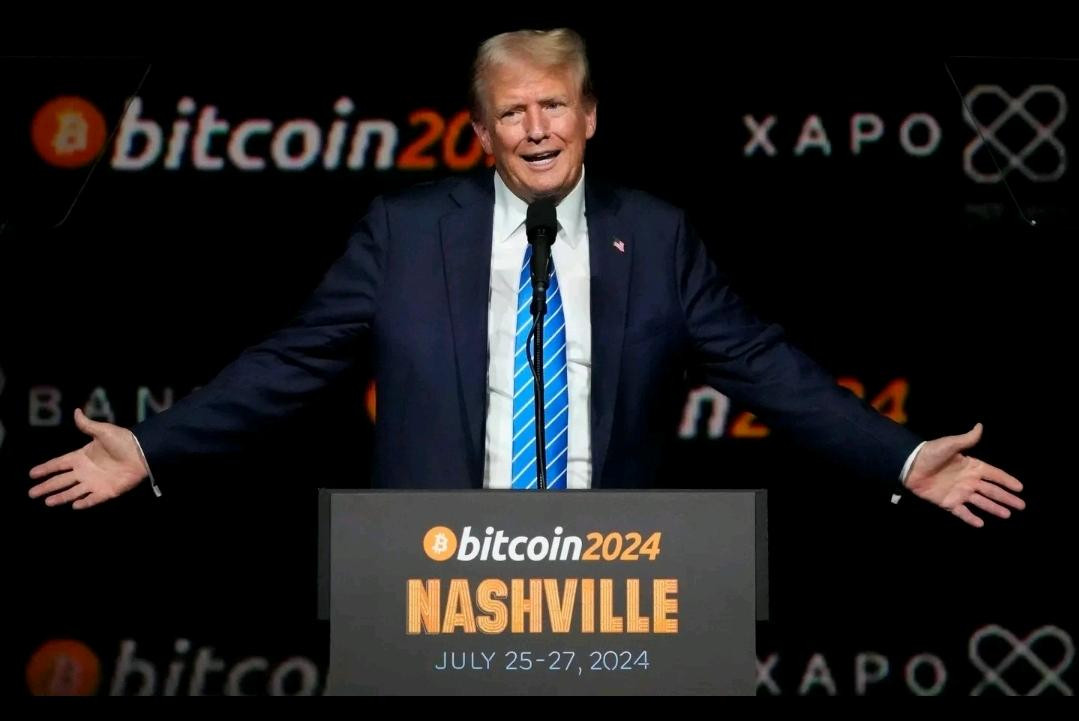
Despite Trump’s current embrace, his early views were lukewarm at best. In July 2019 he tweeted that cryptocurrencies “are not money” and expressed concerns over volatility and fraud. After leaving office in 2021, he called Bitcoin “a scam.” The pivot began in May 2024 at his Mar-a-Lago estate, where crypto supporters pledged sizable funds for his reelection bid. A high-dollar fundraiser at tech investor David Sacks’s San Francisco home in June 2024 further cemented his softening stance. By July, Trump vowed at the Nashville crypto conference to “make America the global capital of cryptocurrency.”
What does this mean for the broader market?
The Trump dinner and the GENIUS Act—though separate events—are intertwined signals. On one hand, political leaders are acknowledging crypto’s growing influence; on the other, they are testing how to integrate it responsibly. Investors face a crossroads:
- Do they continue to bankroll figures who promise quick returns on token-based perks?
- Or do they support regulatory clarity that could stabilize markets and encourage institutional adoption?
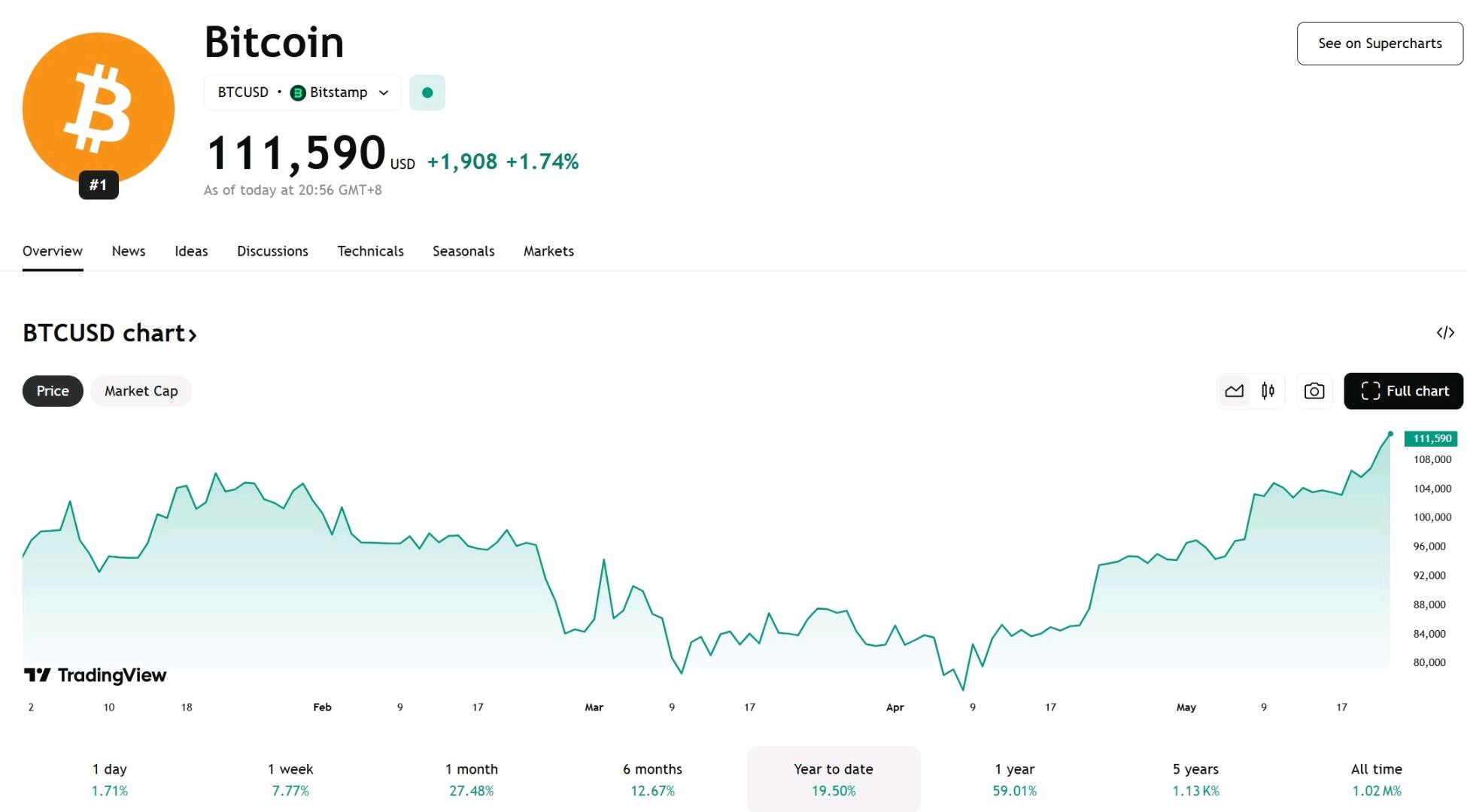
As Bitcoin hovers near $110,000 and a divided Congress debates crypto’s future, the industry must decide if it wants to be associated with sensational token sales or champion transparent frameworks that balance innovation with accountability.
What comes next?
Expect more heated debates in both crypto circles and the Senate. Trump’s dinner may spur calls for stricter rules on how digital tokens can be used to buy political access. Simultaneously, the GENIUS Act’s backers are racing to build bipartisan consensus before any further delays. If successful, the law could cement the United States as a global hub for regulated digital currency, potentially reshaping payment systems and the Treasury market.
For now, $TRUMP’s investors have had their night with the president. But as regulators and lawmakers regain the spotlight, the question remains: will crypto’s future be defined by exclusive perks for the few—or by open, regulated markets that serve the many?
This content is provided for informational or educational purposes only and does not constitute investment advice.