
House Passes Sweeping Bill Slashing Medicaid and SNAP, What It Means and Who It Affects

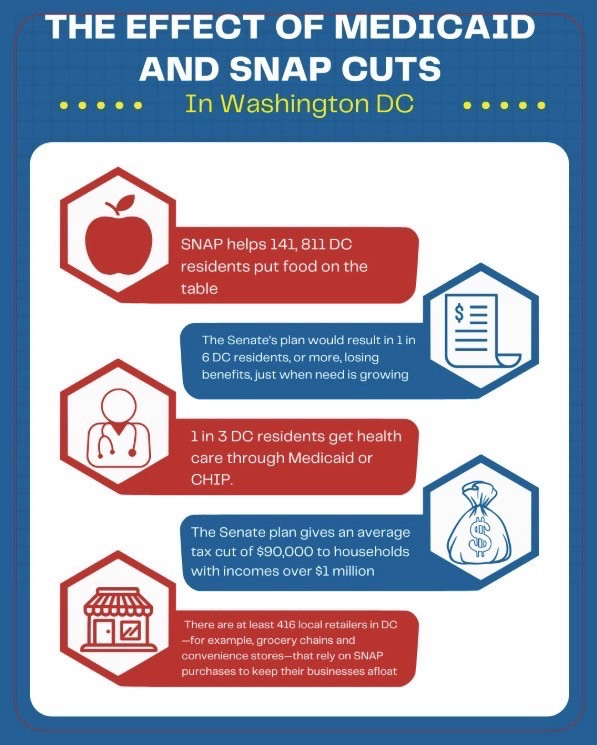
On May 21, the U.S. House of Representatives passed a massive bill known as the “One Big Beautiful Bill Act.” With over 1,000 pages, the bill includes major changes to some of America’s core social safety net programs—Medicaid and the Supplemental Nutrition Assistance Program (SNAP)—with cuts described as the largest in these programs’ history.
What Are Medicaid and SNAP?
Before diving into the details, here’s a quick overview:
• Medicaid is a federal and state-run program that helps low-income individuals pay for healthcare, including long-term care for seniors and people with disabilities.
• SNAP, also known as food stamps, provides financial assistance to low-income families to help them buy food.
These programs serve tens of millions of Americans and are considered foundational to the U.S. welfare system.
What’s in the Bill? In Simple Terms: Cut Benefits, Add Work Rules
The bill proposes $1 trillion in cuts to Medicaid and SNAP over the next decade. Here’s how those savings would be achieved:
• Stricter work requirements for recipients.
• More frequent eligibility checks to remain on the programs.
• Reduced coverage windows and delays in system upgrades.
According to nonpartisan watchdog group Accountable.US, up to 14 million people could lose health coverage, and 3 million households could lose food assistance if this bill becomes law.
House Republicans Say: It’s About Economic Revival
House Speaker Mike Johnson framed the bill as a way to stimulate the economy, provide “historic” tax relief, and strengthen defense and healthcare access for those “who need it the most.”
However, even with the cuts, the bill is projected to add $3 trillion to the federal deficit over ten years—and up to $5 trillion if key tax cuts are made permanent, according to the Committee for a Responsible Federal Budget.
Critics Warn: The Most Vulnerable Will Pay the Price
While the bill is expected to be revised in the Senate, many organizations and experts have already voiced serious concerns:
• The AARP (American Association of Retired Persons) warns that the bill could burden seniors with complex administrative tasks, causing many to lose coverage simply due to missed deadlines or confusion—not because they’re ineligible.
• Nursing homes and long-term care facilities say the cuts to Medicaid would threaten their financial survival. Currently, 63% of nursing home residents rely on Medicaid.
• The bill could also trigger $500 billion in automatic cuts to Medicare due to the “PAYGO” law, which requires any new spending to be offset by reductions elsewhere.
One Fact Is Clear: Low-Income and Older Americans Would Be Most Affected
While lawmakers debate whether these changes are necessary cost-saving measures or harmful rollbacks, one thing is certain: the people who will feel the impact most are those with the least ability to absorb it—low-income families, the elderly, and the disabled.
Stock Market Impacts: What Investors Should Watch
If this bill—or a similar version—moves forward in the Senate, it could reshape several sectors:
1. Healthcare and Long-Term Care Companies
• Cuts to Medicaid and Medicare could hurt nursing homes, home health providers, and other businesses that depend on government reimbursements.
• In contrast, private healthcare companies that cater to higher-income patients may be better shielded.
2. Retail and Consumer Staples
• With SNAP benefits cut, low-income consumers may spend less, potentially affecting budget retailers like Walmart and Dollar General.
3. Health Insurance and Tech
• The uncertainty may trigger short-term market volatility.
• But in the long run, commercial health insurers like UnitedHealth could benefit if private-sector healthcare expands.
This bill signals a significant shift in U.S. social policy—cutting back the safety net while offering tax cuts. For investors, it’s a reminder to watch not just the economy, but how policy decisions reshape the playing field for entire industries.
Follow me for more breakdowns on how politics and policy impact markets.