
Apple Eyes the Future Through Smart Glasses

$AAPL’s next big bet might land right on your nose.
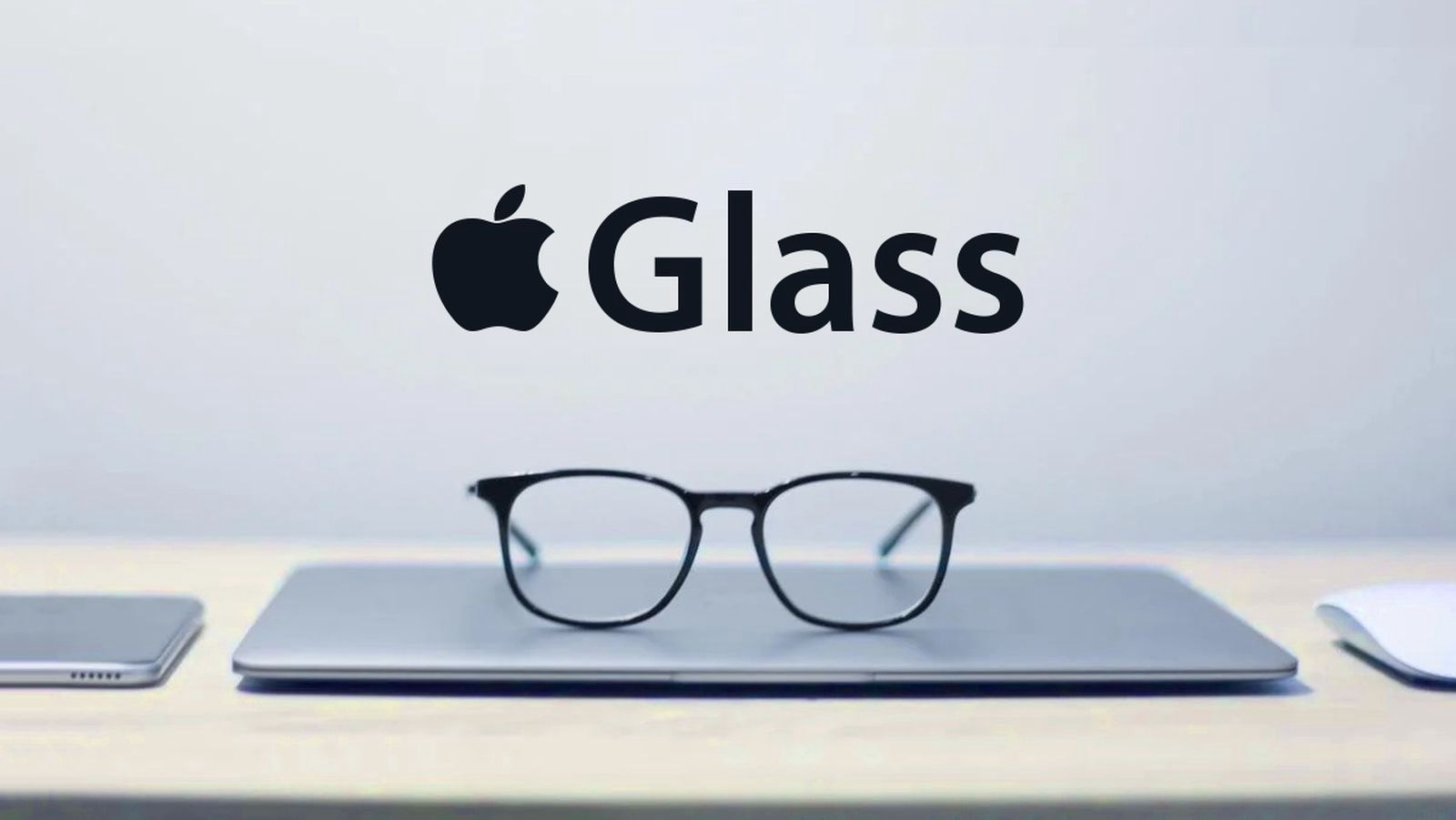
According to multiple media reports, Apple is accelerating development of its smart glasses, aiming for a late 2026 release. The device will come equipped with cameras, microphones, and speakers, powered by Siri to support tasks like calls, navigation, and real-time translation. Sound familiar? That’s because it’s clearly aimed at competing with Meta’s Ray-Ban smart glasses.
Meanwhile, Apple has quietly shelved its previously ambitious plan to release an Apple Watch with a built-in camera by 2027. The message is clear: Apple is streamlining its efforts and betting on glasses as the more promising frontier.
What Are Smart Glasses?
Smart glasses look like regular eyewear, but are embedded with technology—cameras, microphones, voice assistants, even displays—that let you interact with the world in new ways. Meta’s Ray-Ban glasses already allow users to take photos, livestream, make calls, and access ChatGPT for real-time assistance.
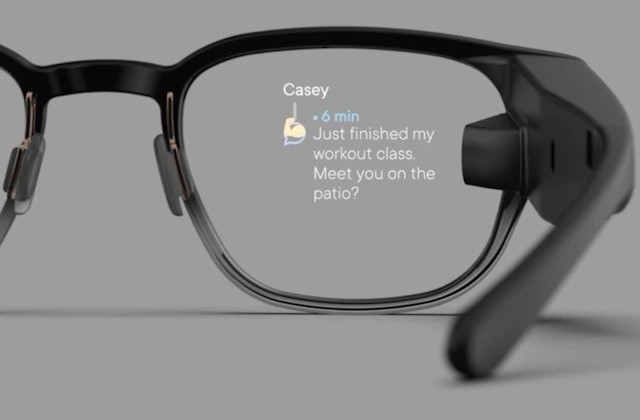
AR glasses take things further, overlaying digital content—like directions or translated text—onto your view of the real world. While mass adoption is still a few years away, the company that cracks this code could define the next generation of computing, just as Apple once did with the iPhone.
What Changed at Apple?
This time, Apple is clearly moving faster. Last year’s Vision Pro was a high-priced, niche device; this upcoming pair of smart glasses seems far more accessible and designed for everyday use.
Apple is also reportedly planning a foldable iPhone in 2026 and working on camera-equipped AirPods. These moves all point to a bigger strategy: build a new ecosystem around AI-enabled hardware.
Why the rush? Because competition is heating up. Meta, Samsung, Huawei—and even OpenAI—are all entering the AI hardware space. Meanwhile, Apple’s software-based AI efforts are lagging behind. With no killer app yet for its “Apple Intelligence” platform, Apple needs hardware innovation to stay in the race.
Canceling the Camera Watch: A Telling Move
Apple once hoped to build a camera-equipped Apple Watch that could analyze surroundings to enable smarter AI features. Sounds cool in theory—but in reality, it raises serious issues around privacy, battery life, and technical feasibility.
Killing the project suggests that Apple is focusing its resources where success is more likely. Compared to watches, glasses offer a far more immersive and versatile interface, making them a better candidate for AI interaction.
It’s a signal that Apple is moving from “product-as-AI” to “AI-as-platform” thinking—and the upcoming glasses could be the primary gateway to an upgraded Siri and new user experiences.
Impact on Apple’s Business Model and Stock
Here’s the bottom line: Limited short-term impact, but long-term, this could be a game-changer.
• Apple stock briefly rose on the news but closed slightly down—investors are cautious about long-term bets;
• iPhone sales still make up over 50% of Apple’s revenue, and growth has been slowing;
• If smart glasses succeed, Apple could build a new hardware ecosystem with its own App Store and services;
• But if the project fails, Apple risks spreading itself too thin while falling behind in the AI race.
In short, this is Apple’s attempt to own the next computing interface, not just an extension of Vision Pro or AirPods. It’s a strategic pivot with high risk—but potentially even higher rewards.
My Take
Apple has never chased trends. It prefers to build polished ecosystems with a premium user experience. That strategy worked with the iPhone. Now it hopes to repeat the magic with smart glasses.
But the challenge today is different. AI hardware is evolving faster than the smartphone ever did. The old “slow and steady” Apple might not be fast enough in this new race.
This product isn’t just a tech experiment—it’s a manifestation of both ambition and anxiety. Apple is trying to catch up, on its own terms.
This is Apple betting not just on its future, but on whether we’re ready to live with a pair of smart glasses that can “understand” us. If the bet pays off, it could be the next iPhone. If not, it might go the way of Vision Pro—interesting, but niche.
What do you think: Could Apple’s smart glasses become the next big thing—or just another expensive experiment? Let’s talk in the comments.