
Trade Showdown: Will Europe Bend to Trump’s Tariff Threat?

The United States has ramped up pressure on the European Union to cut its duties on American goods or face escalating penalties. President Trump’s trade envoy has warned that, unless Brussels makes unilateral concessions, a full 20 percent retaliatory tariff could be imposed—rising even higher to 50 percent come June 1. Markets reacted swiftly: gold leapt to its highest since May 8, US equity futures slid, and cryptocurrencies dipped. With just weeks before a make-or-break summit in Paris between USTR Jamieson Greer and EU Commissioner, both sides find themselves stuck in a standoff that risks spilling over into a wider economic clash.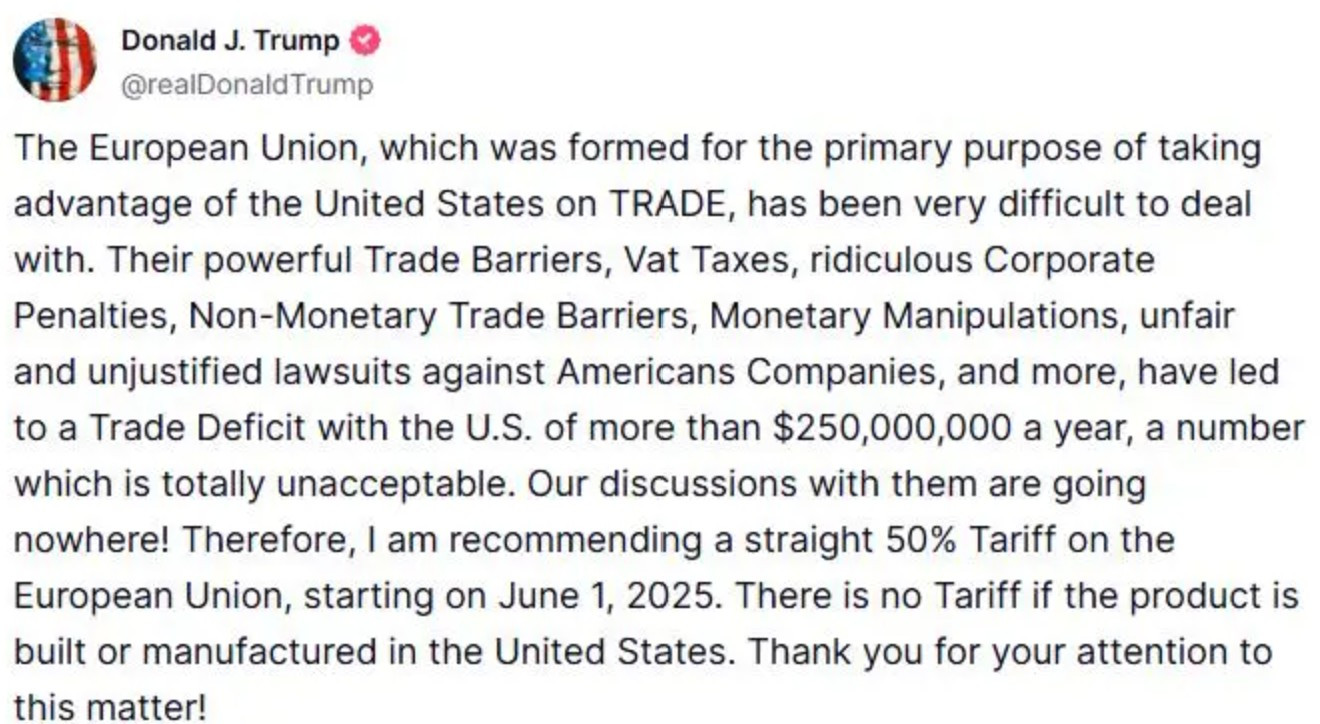
What’s on the Table in Paris?
The Paris meeting scheduled for next month has become the centerpiece of hopes for defusing the dispute. Washington has already exchanged draft texts with Brussels but complains that the EU’s “explanatory note” falls short of expectations. Greer is set to demand a pledge from the EU to unilaterally reduce tariffs on American exports, rather than the reciprocal cuts Brussels has so far offered. He will also press for inclusion of digital services taxes as a core negotiation point—another EU omission that has frustrated US negotiators.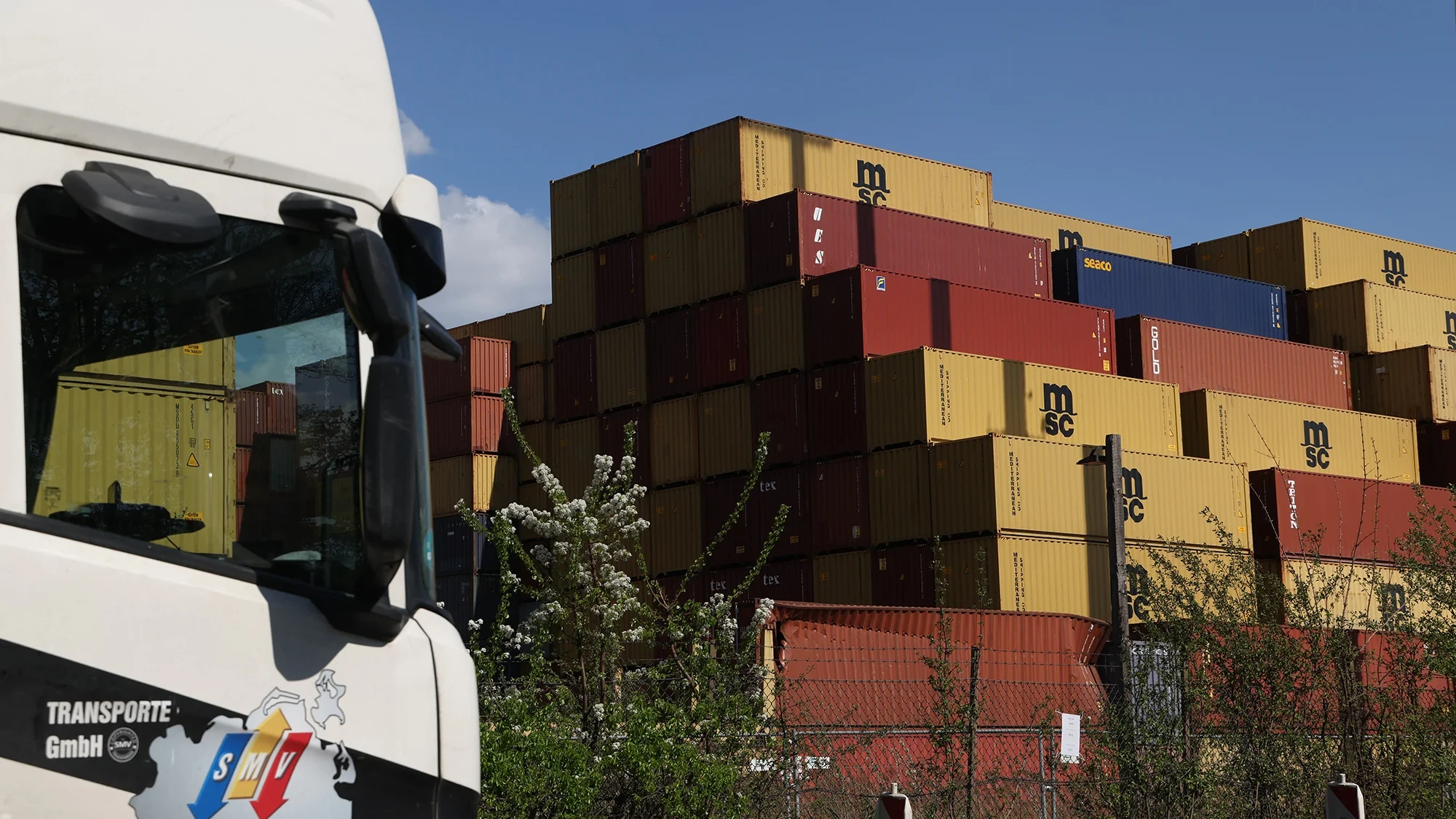
Tough Talks Face Stalemate
Despite sharing proposed frameworks, neither side has closed the gap on key issues. The US insists on sweeping concessions: easier access for American firms to invest in Europe, alignment with US food and product standards, and abolition of national digital levies. Meanwhile the EU views reciprocal reduction as a fair starting point and has resisted copying the recent Britain-US deal template. Some EU diplomats warn that the US may be prepared to hold firm on a minimum 10 percent baseline tariff, a prospect that has led several member states to contemplate retaliatory measures of their own.
How Far Will Brussels Bend?
Brussels has launched its own counterproposal. It wants to explore mutual recognition of standards, streamlined procedures for food and animal products, and guarantees that imports meet international labor and environmental norms—areas of US concern. Sabine Weyand, the EU’s top trade official, has urged colleagues to pursue a cooperative agreement to counter “America’s unilateral demands” while keeping retaliatory options on the table. But with a 2024 trade deficit of €192 billion with the United States to close, some European ministers question whether any deal that shields EU industries from higher US duties is politically sustainable.
Market Shock Waves
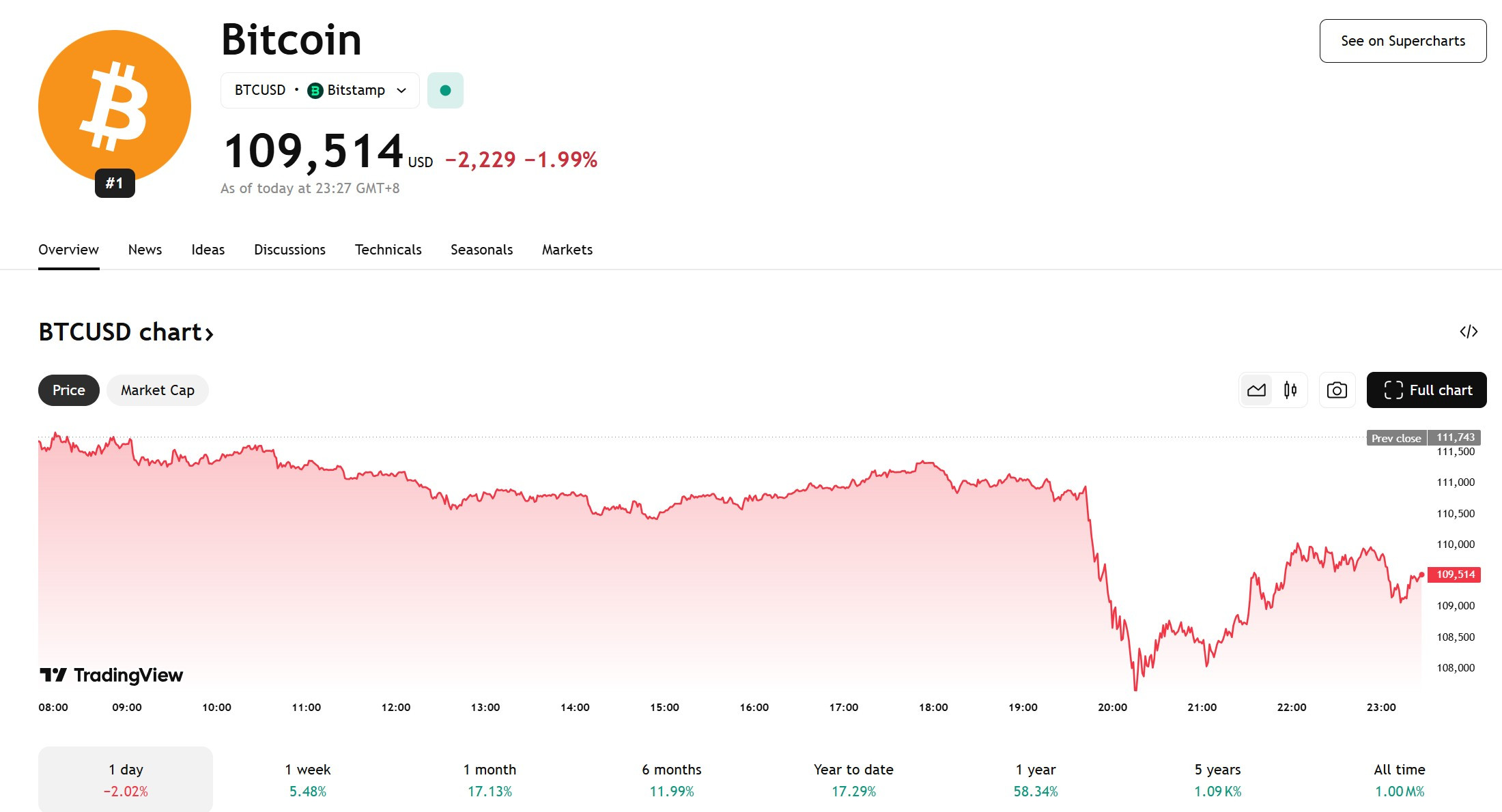
President Trump’s late-night declaration that he may impose 50 percent duties on all EU goods starting June 1 sent ripples across global markets. Spot gold surged above USD 3350 per ounce, US tech and broad equity futures fell more than one percent, and the euro slid. Bitcoin and ether also took hits, falling over two and four percent respectively. Traders now price in increased odds of European Central Bank rate cuts later this year, with forecasts pointing to as many as three reductions in 2025 to cushion the bloc from fallout.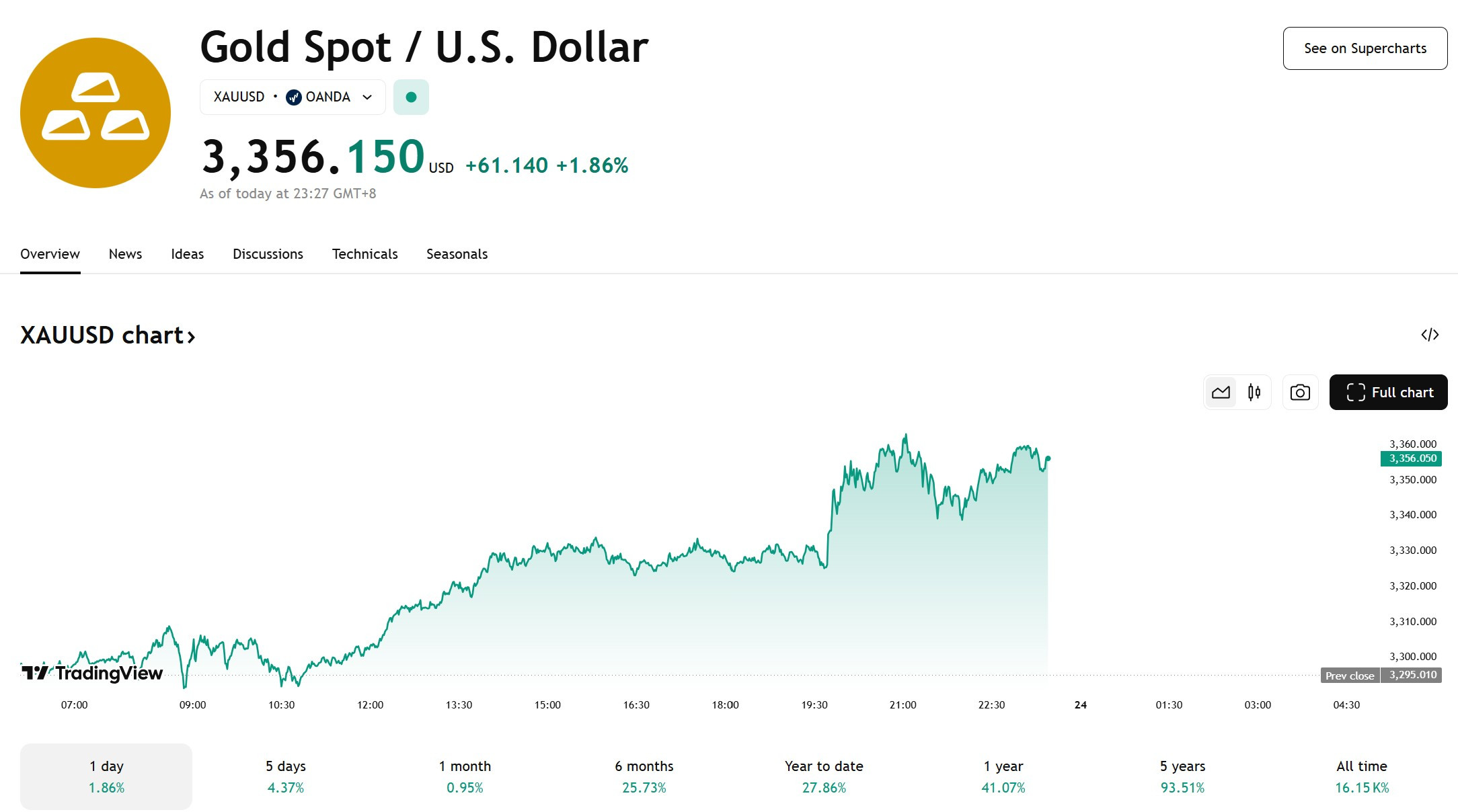
Could Europe Strike Back?
In parallel, Brussels is preparing its own list of products—€950 billion worth of US exports—that could face additional duties in response. Earlier this year, the EU delayed retaliation on €23 billion of US steel and aluminum by ninety days, hoping space for negotiation would lead to compromise. Should talks in Paris falter, that window may close, unleashing tariffs on iconic American brands and boosting uncertainty for businesses on both sides of the Atlantic.
What Comes Next?
With less than two weeks before the June 1 deadline, both sides are under pressure to show goodwill. US Treasury Secretary Janet Yellen previously characterized the ninety-day pause in additional duties as an earnest gesture toward negotiation. Trump, however, argues that only dramatic pressure will compel Europe to act. Meanwhile Brussels must weigh the risks of higher costs for its consumers and manufacturers against the political fallout of appearing to capitulate to US demands.
The outcome of these high-stakes talks will set the tone for transatlantic trade for years to come. As negotiators prepare to meet in Paris, actors across finance and industry will be watching closely to see whether diplomacy can avert a looming tariff war or whether both markets will instead brace for a new era of tit-for-tat duties.
This content is provided for informational or educational purposes only and does not constitute investment advice.