
Can Trump Overcome Bond Market Backlash to Pass His Tax Cut Plan?

President Trump’s second‐term tax cut legislation faces an unexpected foe: the bond market. Although the House narrowly approved the so-called Big Beautiful Tax Cut Act, surging US Treasury yields have raised fresh alarms over rising deficits and prompted even some Republican senators to demand spending cuts before supporting new tax breaks. With a looming June schedule for Senate action and debt ceiling negotiations intertwined, the outcome is far from certain—and the clock is ticking toward a possible summer default.
What Stakes Does the Senate Face?
When the House passed the tax bill by the slimmest of margins, its authors cheered a victory for key voting blocs such as service workers and older Americans. Yet in the more deliberative Senate, the drama has just begun. Senate Majority Leader John Thune has set a June timetable to floor debate but insists that any final package include real spending restraint. Meanwhile, bond investors are sending clear signals that they will not quietly underwrite further deficits without a price.
Why Do Bond Yields Matter to Tax Cuts?
US Treasury yields influence everything from mortgage rates to corporate borrowing. In recent days, the 30-year Treasury yield jumped past five percent—levels unseen in years. Moody’s Investor Service further downgraded America’s sovereign rating outlook and warned that debt-to-GDP could soar by one-third above current levels by 2029. That warning resonates in Congress: “The bond market has spoken,” says Representative Warren Davidson of Ohio, one of the bill’s few House opponents. “Investors are demanding we get serious about fiscal reform.”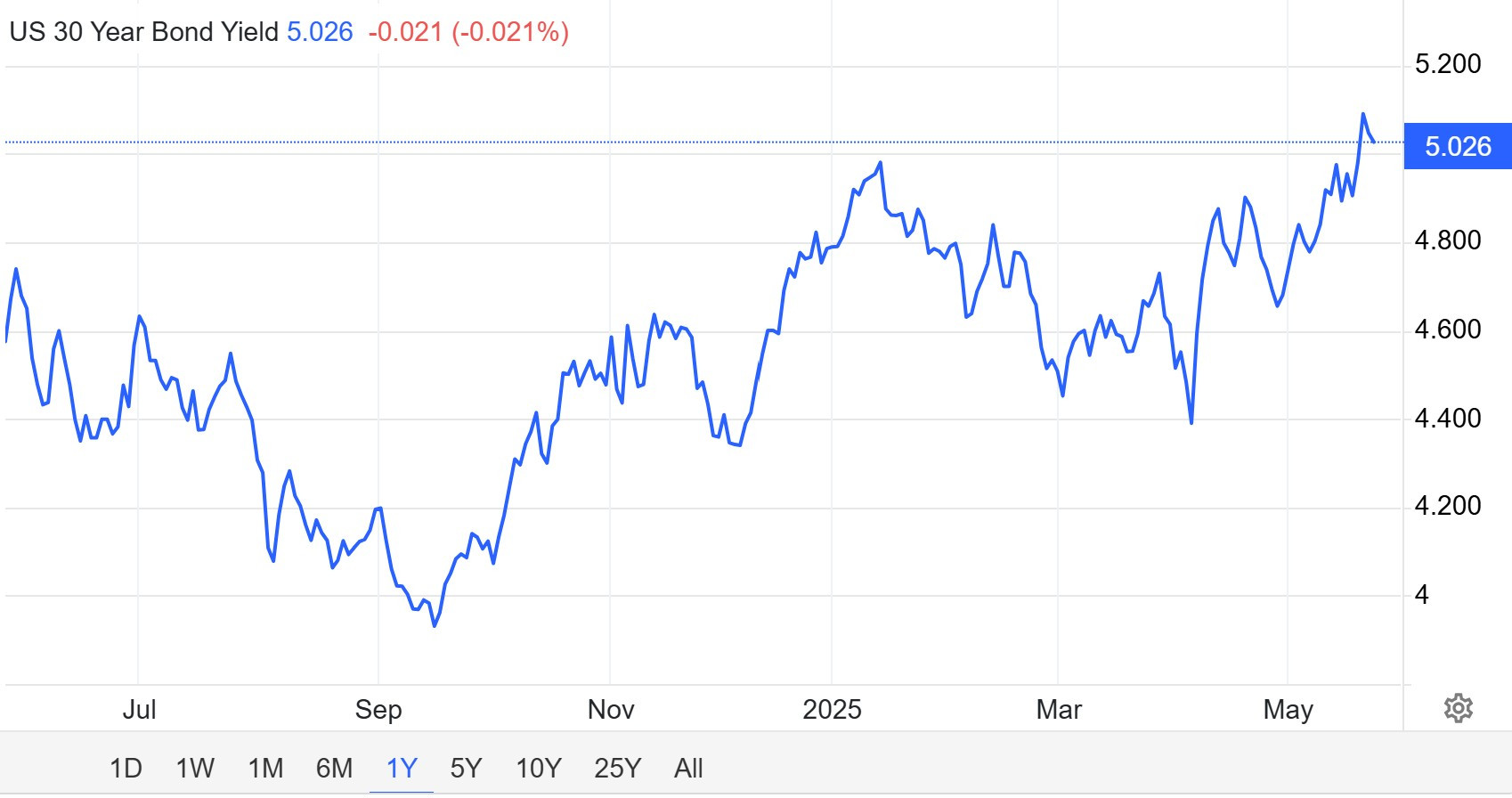
How Are Negotiators Balancing Competing Demands?
Republican senators must thread a legislative needle between competing demands: they need to offer expanded state and local tax deductions while also securing real spending cuts to reassure bond investors and reach the fifty-one votes necessary to advance the bill.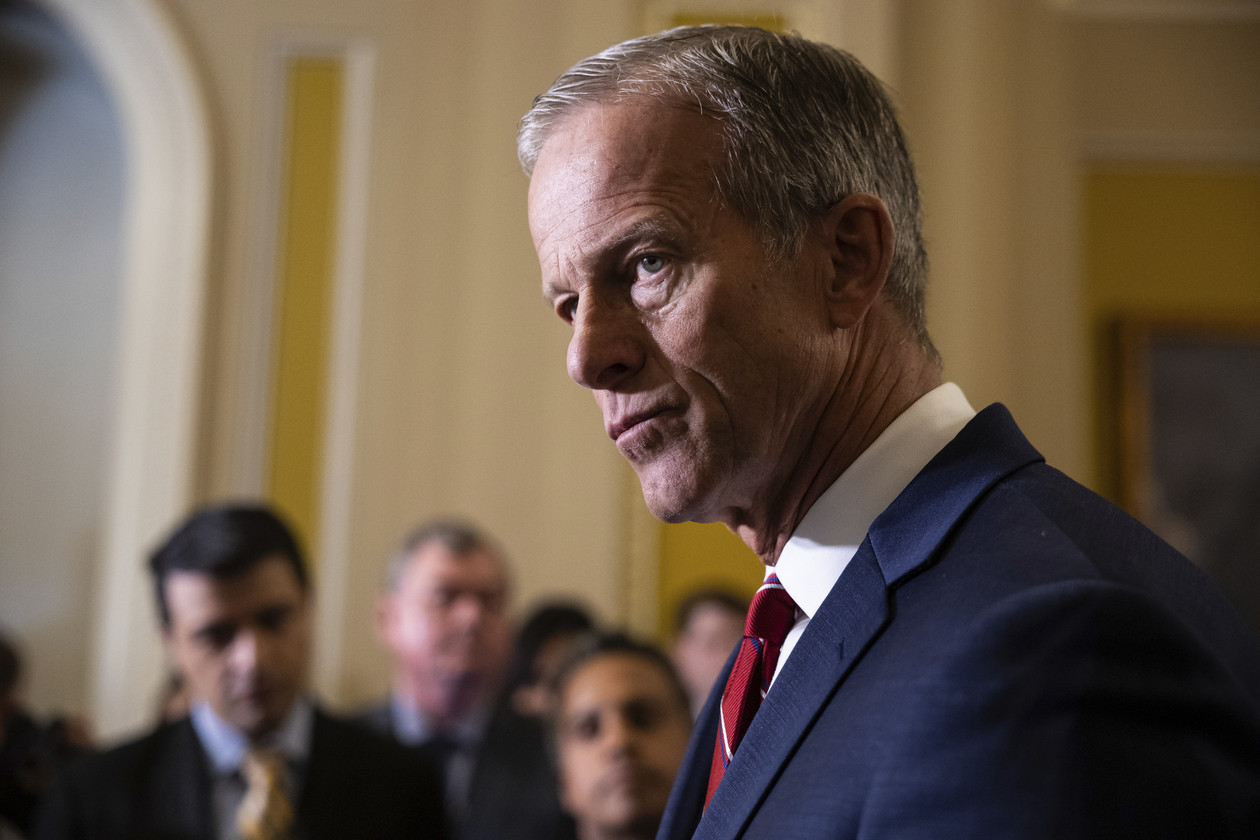
Debt Ceiling Talks Add Pressure
Adding complexity to the tax debate is the looming debt ceiling. House Republicans have tied the cap increase to passage of the tax bill, arguing they will not authorize more borrowing without fundamental tax and spending reforms. Treasury Secretary Scott Bessent cautioned lawmakers that the United States could hit its borrowing limit as early as August, warning of disastrous market turmoil if the ceiling is not raised. Investors are already repositioning ahead of an X-date that analysts put between late August and mid-October.
Market Signals and Political Realities
Weak demand at a recent twenty-year Treasury auction underscores investor unease, while the S&P 500 slid amid fears that higher long-term borrowing costs and unresolved budget fights will dent corporate profits and consumer confidence. John Fasse, a partner at BTG Pactual Asset Management, bluntly notes that yield hikes are the markets’ way of forcing fiscal discipline. With the Memorial Day recess approaching, Republican leaders hope to secure legislative wins under executive order dominion before the midterms, but dissent within the party clouds those ambitions.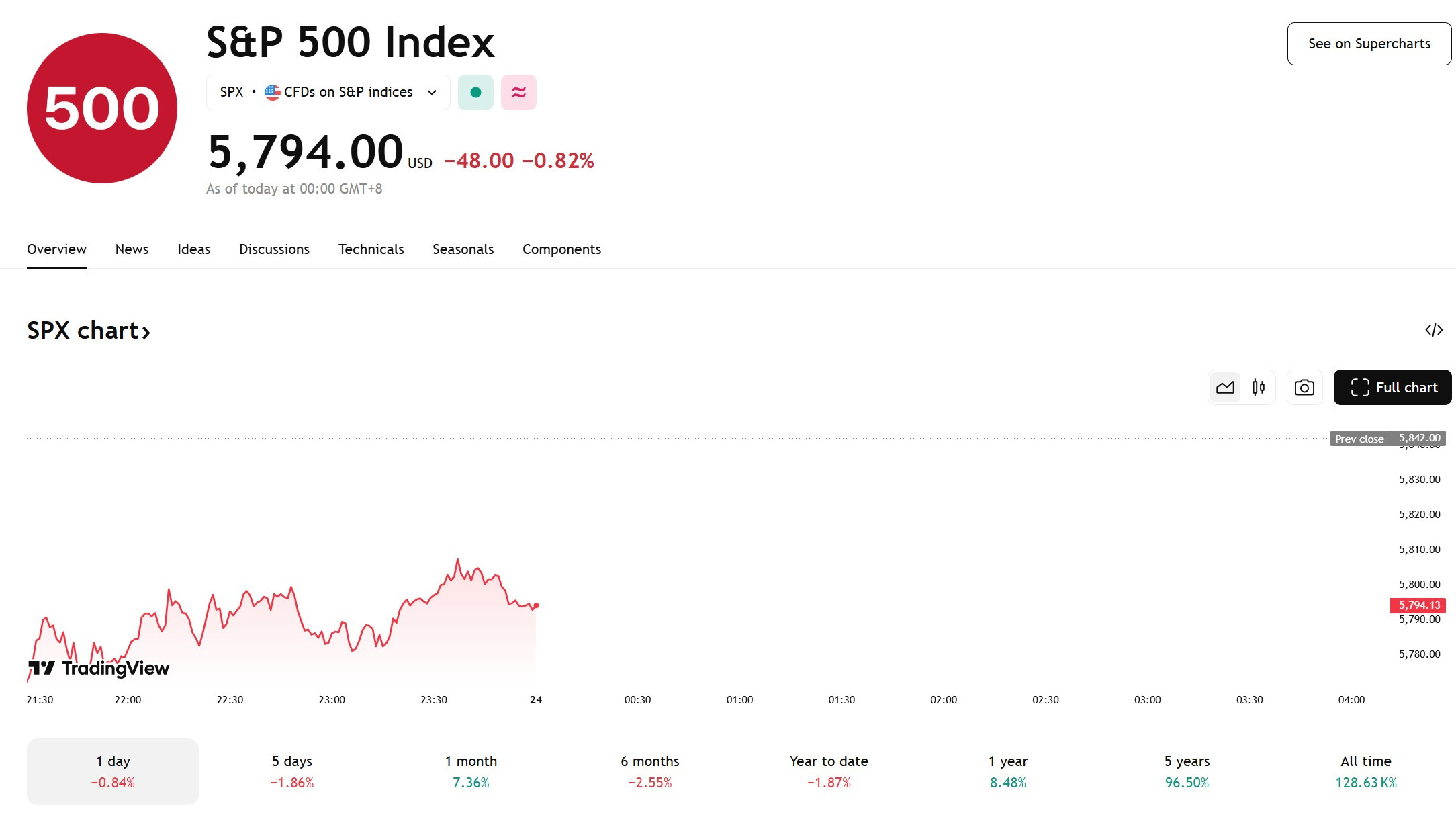
What Comes Next on Capitol Hill?
As Senate debate unfolds, three questions will determine the path forward:
- Will senators agree on offsetting spending cuts sufficient to appease bond investors?
- Can negotiators persuade fiscal conservatives and moderate Republicans to back a revised tax package?
- Will Democratic senators leverage reconciliation rules to strip out unrelated mandates, complicating final passage?
Is This a Test of America’s Economic Credibility?
This showdown exposes a core contradiction in Trump’s economic agenda. On one hand, Treasury Secretary Bessent champions business confidence through tax relief. On the other, uncertainty over tariffs and a swelling national debt dampen market enthusiasm. As the president shuttles between Capitol Hill and overseas visits by his economic team, the bond market’s verdict may prove more influential than any political rally. If Congress cannot deliver both tax cuts and fiscal safeguards, investors could force interest rates even higher, intensifying debt service burdens and leaving the next administration to inherit the fallout.
With no alternative blueprint to raise the debt limit without this tax bill, Republicans face the daunting task of threading that legislative needle. As Treasury yields climb and Moody’s projections darken the fiscal outlook, the coming weeks will test whether political resolve or market reality ultimately shapes America’s economic future.
This content is provided for informational or educational purposes only and does not constitute investment advice.