
Can Treasury Head Bessent’s Bold Moves Reshape Global Trade and US Debt?

In a high-stakes address last Friday, US Treasury Secretary Bessent unveiled a strategic playbook designed to accelerate trade talks, bolster Treasury markets and steer the nation’s fiscal outlook toward healthier shores. He revealed a looming revision of the supplementary leverage ratio slated for this summer that could shave dozens of basis points off Treasury yields. At the same time, he defended recent market gyrations in US debt and currency as misguided, and forecast that by 2028 the budget deficit will shrink to a level “in the low 3 percent” of GDP. All of this pivots on a 50 percent tariff threat aimed squarely at prodding the European Union, even as deep-water negotiations with India and other partners are said to be gathering steam.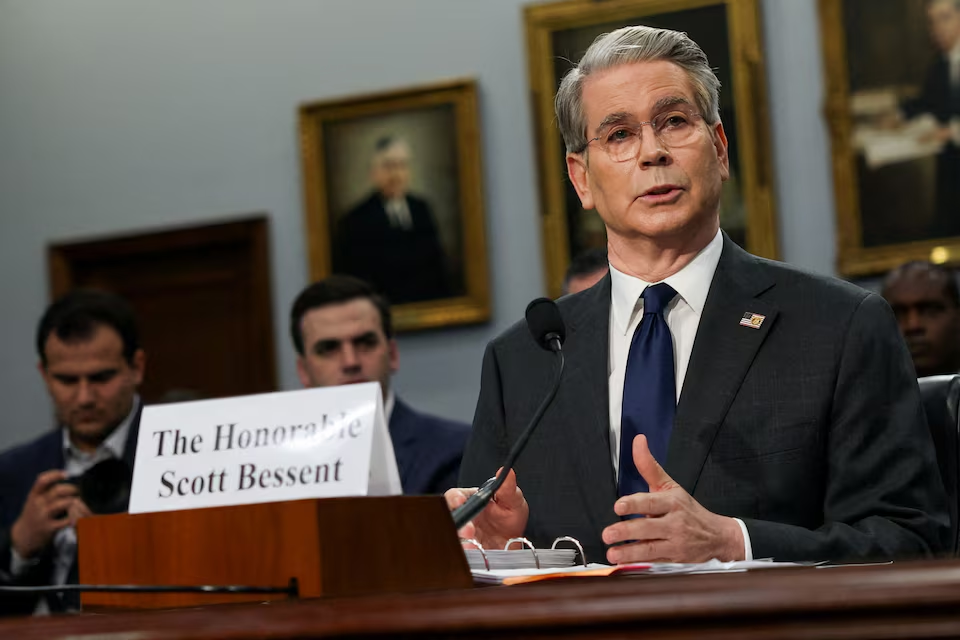
What Drives the Tariff Pressure on Europe?
Bessent made clear that President Trump’s threat of imposing a 50 percent levy on EU goods from June 1 is not caprice but leverage. The administration’s goal is to force the EU into faster concessions after 90 days of tariff pauses yielded little progress. “This is a response to slow-moving talks,” Bessent said, adding that by dangling punitive duties, Washington hopes to spur Brussels into action. He contrasted the EU’s cumbersome 27 member system with the swifter negotiations underway in Asia. Germany, he noted, could become the fulcrum for renewed US-EU cooperation under Chancellor Merz’s leadership.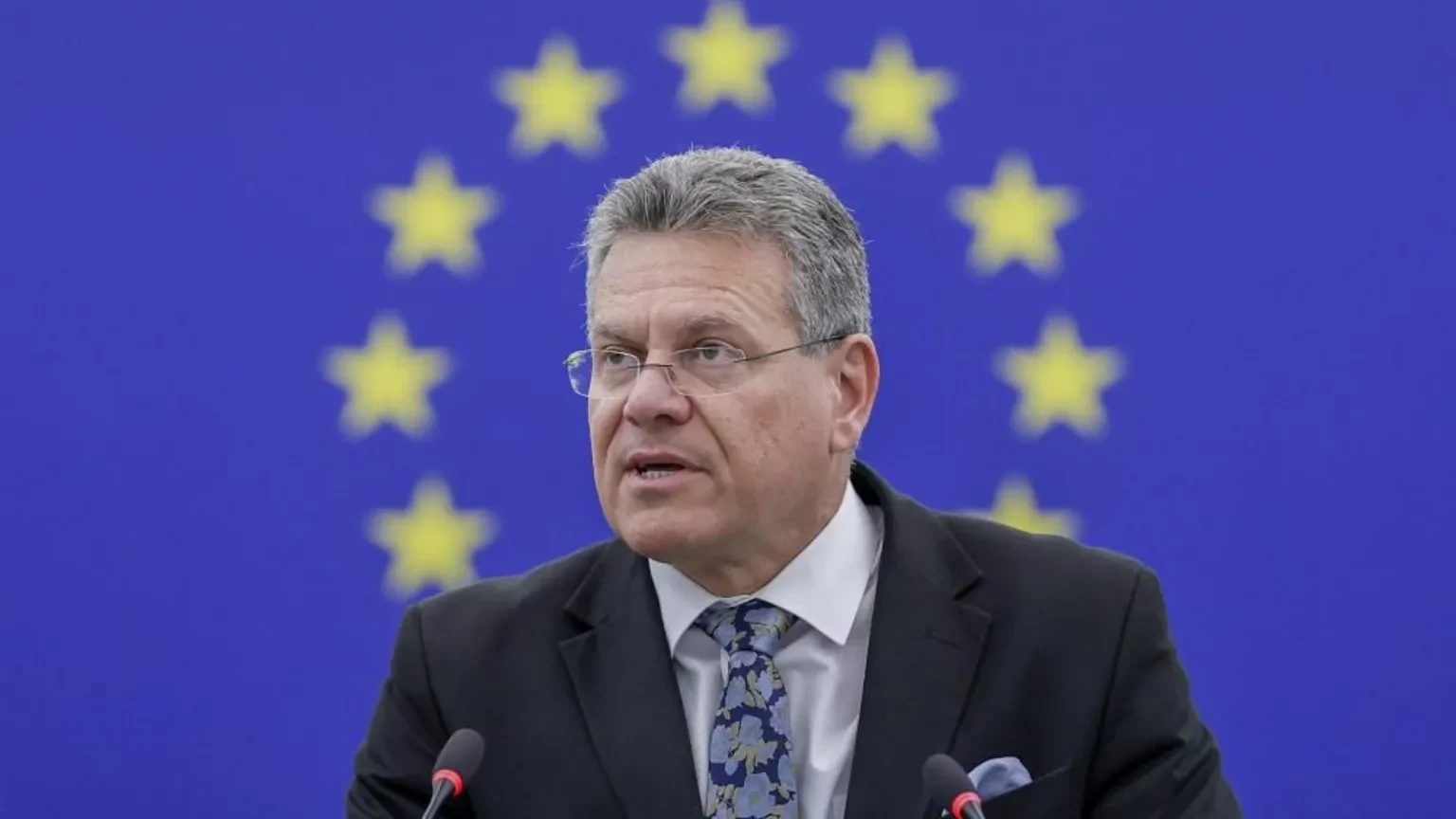
Trade Deals Set to Unfold Soon
Behind the scenes, Bessent serves as chief negotiator in trades outside of Europe while Commerce Secretary Lutnick takes the lead with Brussels. He hinted at several major pacts to be announced before the 90-day standstill expires, declining to name specific partners. He did, however, confirm that talks with India have reached a critical phase. “We have achieved significant progress in our Asian discussions,” he said, forecasting near-term announcements of far-reaching agreements. The Treasury chief also expressed hope that Apple will play a pivotal role in shoring up chip supply chain security, signaling close ties between trade policy and national technology interests.
Will SLR Revisions Bring Relief to Treasury Yields?
Perhaps the most market-moving point was Bessent’s outlook on bank capital rules. He disclosed that regulators are “very close” to easing the supplementary leverage ratio this summer, a move he believes could compress Treasury yields by several dozen basis points. By reducing the capital charges banks must hold against sovereign debt, the policy shift is aimed at making US Treasuries a more attractive asset and damping volatility in the bond market. In the immediate aftermath of his speech, yields on the 30-year note dipped from roughly 5.05 to 5.03 percent, while 10 and 20 year rates also retraced a couple of basis points.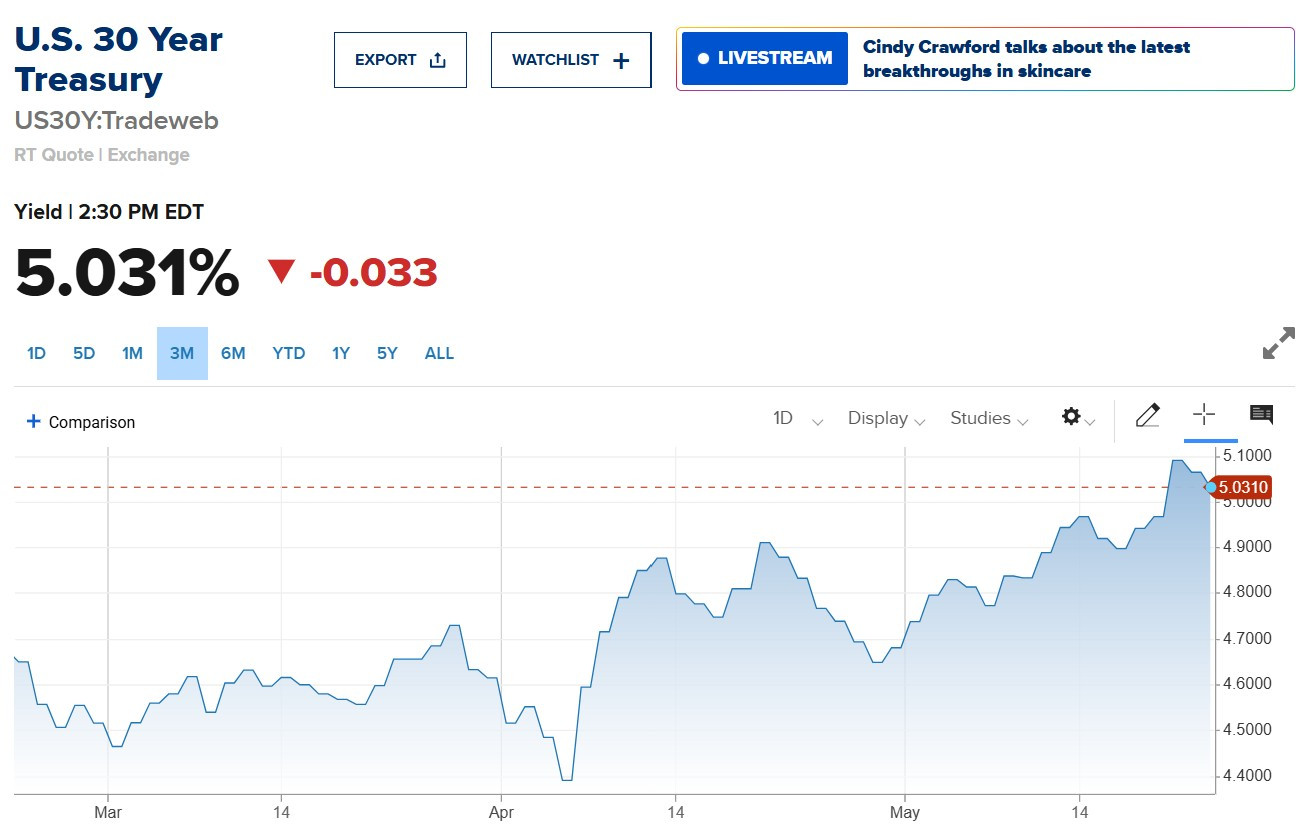
Dollar Down But Not Weak
On currency markets, Bessent dismissed the notion of a weak dollar despite its slide against major peers. He argued that other countries’ currencies have strengthened for their own reasons, and that the US currency’s performance should not be labeled as “deterioration.” The Bloomberg dollar spot index fell about 0.7 percent to 1211.92, its lowest since December 2023, while the ICE dollar gauge dropped 0.8 to 99.13. Safe havens such as the yen and the franc ticked up modestly alongside gold, yet Bessent insisted these moves reflect global shifts rather than a loss of faith in US policymaking.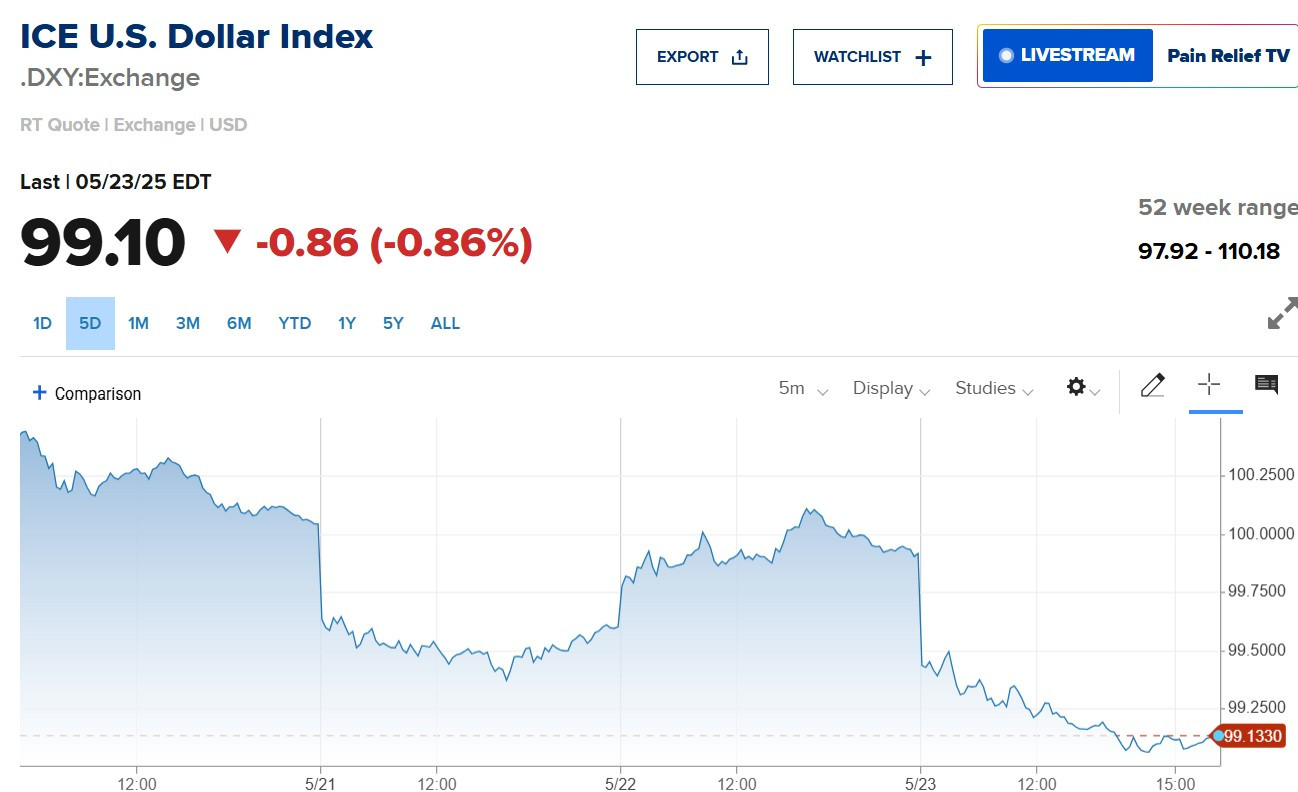
Expectations for Tax Reform and Deficit Reduction
Turning to domestic fiscal policy, Bessent previewed a forthcoming Senate push on tax legislation that the House has already approved. He urged senators to target July for final passage, seeking to secure permanent low rates that he claims will foster growth. He noted that revenues this filing season have surpassed projections, and he remains confident that faster growth will outpace debt accumulation. “As long as growth exceeds debt growth, we can stabilize our finances,” he declared. He projects that by next year GDP growth will exceed 3 percent, laying the groundwork for the deficit to fall into the low 3 percent range of GDP by 2028. He expects tariff revenues to play a supporting role, though he cautioned they cannot plug a multiyear spending gap on their own.
A Broader Vision for Regulatory Reform and Efficiency
Bessent also touched on broader themes of regulatory relief and government efficiency. He praised outgoing Fed director Hester for her emphasis on market discipline and pledged to push through adjustments that will lower capital requirements in other sectors. He spoke of reinvigorating Fannie Mae and Freddie Mac privatization once trade deals clear the path. And he lauded Elon Musk’s efforts to streamline government agencies, describing the pace of bureaucratic reform as “one of the most important events” of his career. Finally, he confirmed a decision to suspend plans for a sovereign wealth fund to prioritize debt reduction efforts already underway.
How Will Markets Respond to These Bold Plans?
In sum, Bessent’s speech combined overt pressure tactics with carefully calibrated financial plumbing fixes to shape both external and internal economic currents. By front-loading his key announcements, he ensured that markets responded immediately with lower yields and a softer dollar. The coming weeks will test whether EU negotiators blink under the tariff threat, whether bank leverage rules are indeed loosened this summer, and whether tax reform can pass in time to sustain the administration’s growth and deficit targets. If these pieces fall into place, Bessent could claim a significant victory in rebalancing trade relationships and shoring up the Treasury market. If not, investors may view the rhetoric as another round of policy gamesmanship.
This content is provided for informational or educational purposes only and does not constitute investment advice.