
Could a Japan Bond Meltdown Be to Blame for U.S. Yield Havoc?

Global bond markets have been rattled this spring, but the biggest shock may not have originated in Washington or Frankfurt. Goldman Sachs’ latest research points to a dramatic sell-off in Japan’s long term government debt as the primary force driving up yields across the world’s major economies. Since January, Japan’s 30 year bond has added roughly 80 basis points of upward pressure on G4 yields (U.S., Eurozone, U.K., and Japan), making it the single largest bearish impulse in 2025. In plain terms, much of this month’s spike in U.S. Treasury rates may be a by-product of turmoil in Tokyo rather than domestic U.S. factors.
This week’s standout event in global debt markets was not the rise in U.S. yields but the near collapse of Japan’s bond market. After dusting off decades of record low rates, yields on Japan’s long dated debt exploded higher, catching investors off guard and rippling through the broader debt complex. Here is how that happened and why it matters for investors everywhere.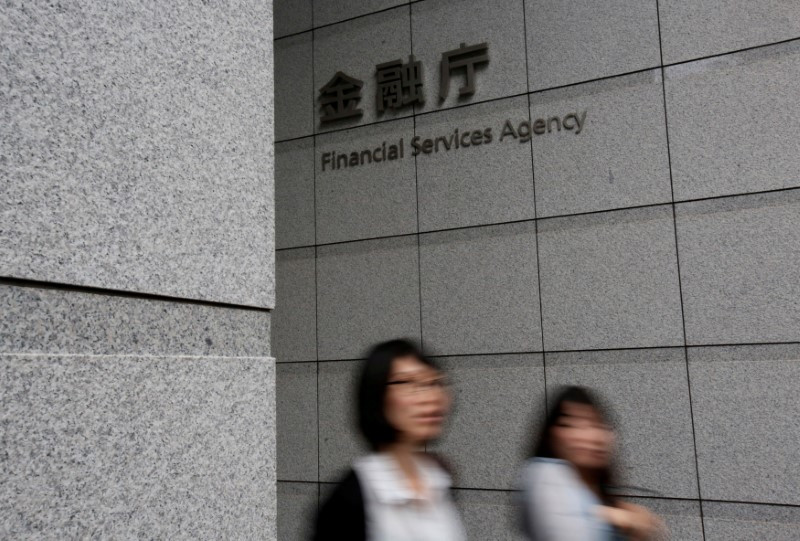
What Triggered the JGB Crash?
Goldman Sachs Japan rates trader Yusuke Ochi identifies a severe supply and demand imbalance at the heart of the sell-off:
- Japan’s life insurers have pulled back dramatically. Their duration gaps widened to negative 1.5 years as of September 2024, leaving them with little incentive to buy new long term debt. Strict solvency rules and a lack of natural buyers for ultra long maturities such as the 40 year bond have turned former supporters into net sellers.
- Fiscal worries intensified ahead of this summer’s upper house elections. Opposition parties are calling for cuts to the consumption tax. A stumble by the ruling party could spark fresh rating fears and further dent demand for long dated bonds.
- Reinsurance transactions added fuel to the fire. Since October 2023, asset heavy reinsurance deals have seen reinsurers absorb life insurer liabilities then sell JGBs to invest in higher yielding assets. This boosted supply in an already strained market.
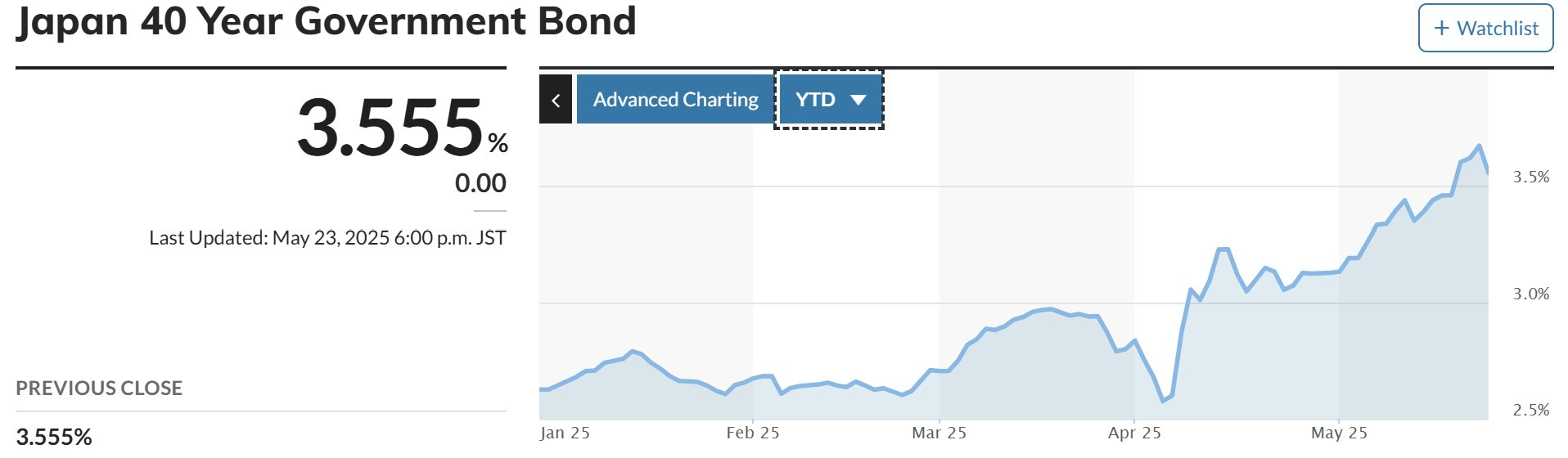
These forces combined to overwhelm liquidity in Japan’s long end. Even with the Bank of Japan owning over half of outstanding government debt, the sheer volume of sales pushed yields sharply higher and left few natural buyers to stabilize prices.
Why Has This Matter Crossed Oceans?
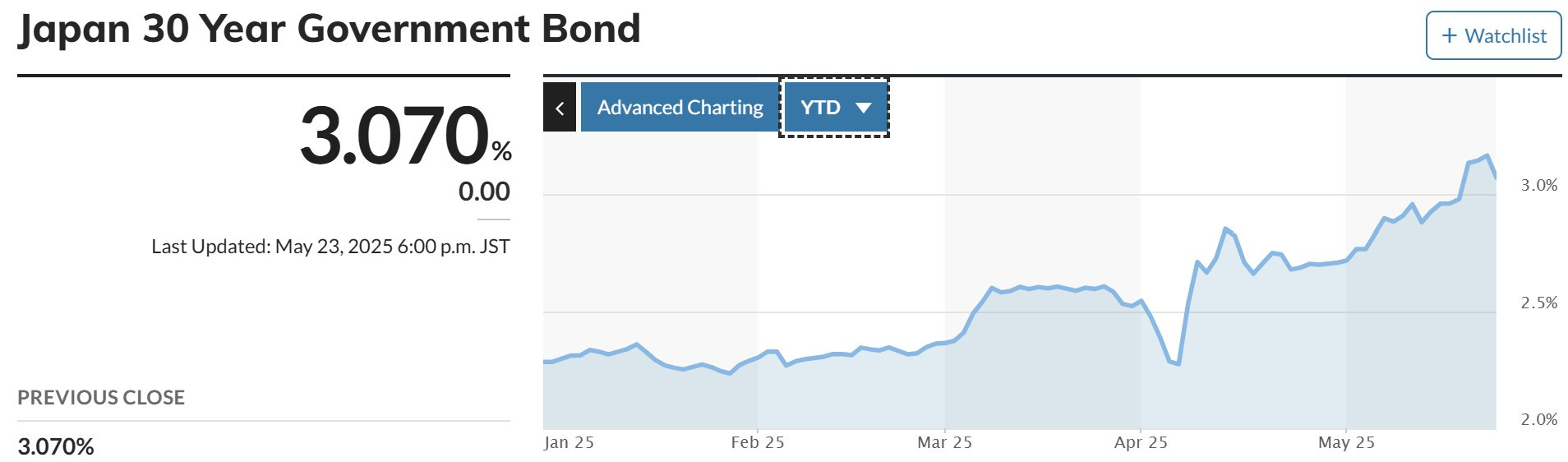
In tightly linked global debt markets, turmoil rarely stays confined. Goldman’s analysis shows that Japan’s 30 year JGB has exerted outsized influence on G4 yields this year:
- Contribution to G4 yield rise. Since January, the 30 year JGB has been responsible for about 80 basis points of the G4 composite rate increase, more than any other market.
- Timing aligned with U.S. moves. Almost all of this impact occurred after April 2, exactly when U.S. 10 year yields began climbing rapidly.
- Exacerbated by technical factors. Leveraged flattening trades, severe liquidity shortages, and the BOJ’s enormous market share have amplified moves, turning modest selling into a full blown rout.
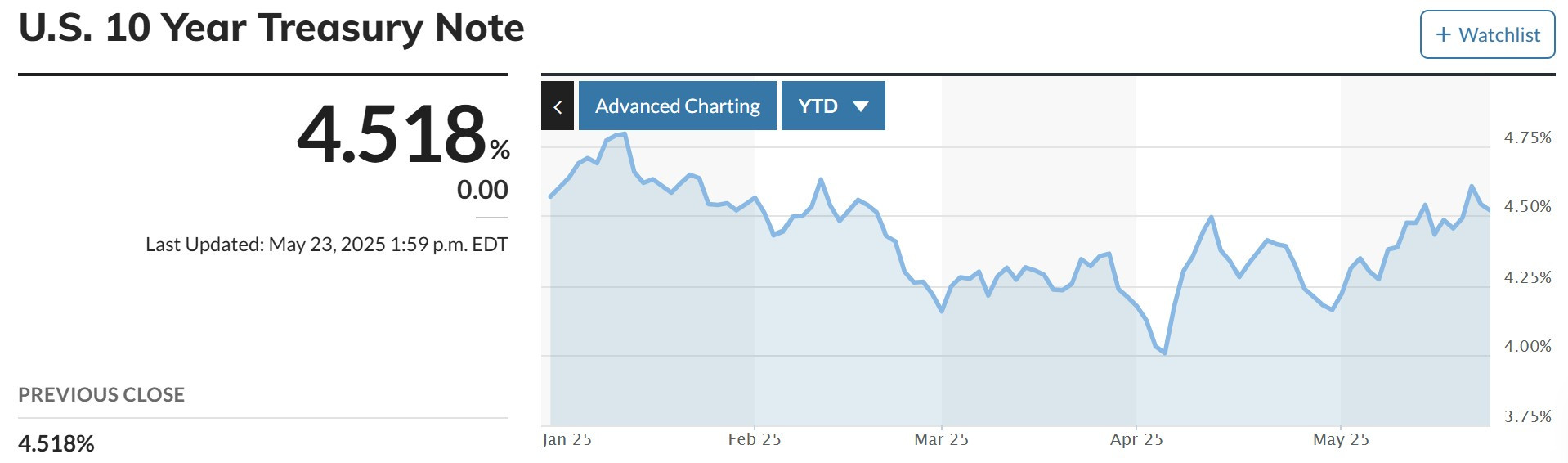
Unlike typical U.S. bond sell-offs that weigh on equities and the dollar, Japan’s bond stress has remained largely self contained. That decoupling suggests the potential for a technical rebound — or further dislocations if positions remain stretched.
Where Does Inflation Come In?
Goldman stresses that inflation is the fundamental driver behind these events. Japan’s inflation has persistently surprised on the upside, fueled by rising food costs and global commodity pressures. This has forced investors to reprice long term rates across the curve. Key points include:
- Japan’s forward inflation expectations are near cycle highs, pushing up the equilibrium yield that bonds must offer.
- As yields have risen, asset liability managers have trimmed their duration risk, further reducing demand for long maturities.
- Domestic holdings of long dated bonds have plateaued, and foreign investors have not stepped in. Recent 20 year bond auctions show the weakest tails since 1987, highlighting a structural lack of buyers.

Together, these trends shattered the notion that Japanese investors would simply shift funds from U.S. Treasuries to local debt. Demand has evaporated across the board.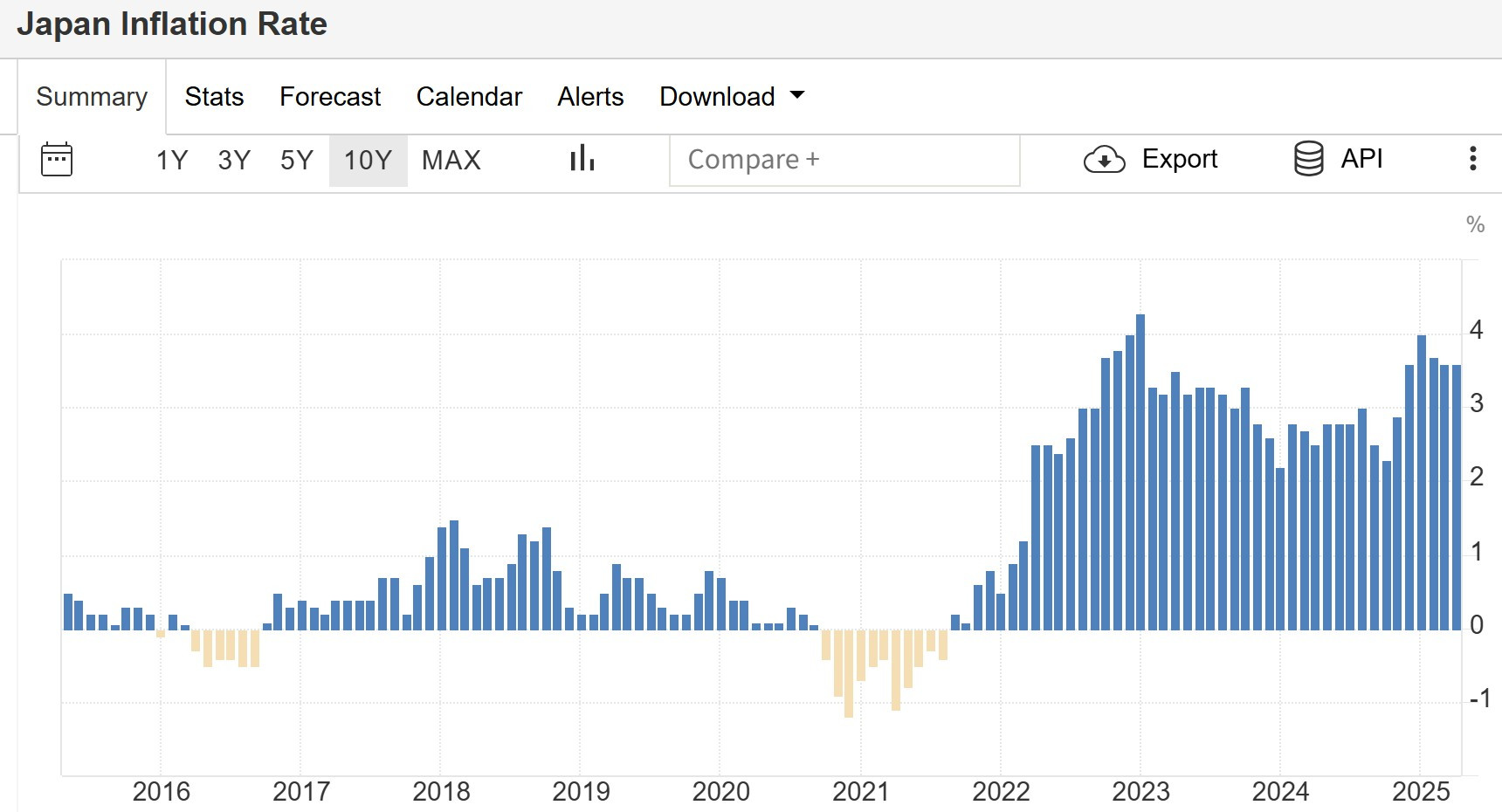
What Comes Next for Japan and Beyond?
Looking ahead, volatility in Japan’s bond market is unlikely to subside without policy action. Investors are watching two main levers:
Fiscal measures such as reducing issuance of 30 year and 40 year bonds, or repurchasing existing debt, could calm markets. Yet history suggests aggressive fiscal tightening without a crisis is politically unthinkable.
The Bank of Japan’s monetary policy stance will be pivotal. Any shift toward a faster path of quantitative tightening could either stem the sell-off or accelerate it further.
Goldman still expects the BOJ’s next rate hike in January 2026 and a distant terminal rate near 1.5 percent. Until then, upward pressure may persist, especially at the 5 year and 10 year points of the curve, while the 30 year sector remains the most volatile.
How Should Investors Respond?
This episode underscores the reality that local debt markets now have global repercussions. For U.S. investors, it is a reminder that domestic yield forecasts may be skewed by offshore shocks. A few takeaways:
Be wary of attributing yield movements solely to Fed policy or U.S. economic data.
Monitor foreign bond markets and central bank holdings for early warning signs of contagion.
Consider hedging strategies that account for cross-border spillovers rather than purely home-country risks.
As Goldman strategist Bill Zu colorfully puts it “This blaze in Japan’s 30 year market may be sparked by local weather conditions, but the chill in duration assets is sending cold fronts across global curves.” In an era of elevated debt and persistent inflation, the next major move in U.S. yields may not start in Washington but in Tokyo’s beleaguered bond market.
This content is provided for informational or educational purposes only and does not constitute investment advice.