
Could German Banks’ Support Foil Distressed Debt Investors?

Major German lenders have once again rallied behind a struggling auto supplier, extending critical financing that has hedge funds circling for opportunities in the sector. The recent €200 million super-senior facility granted to Webasto has reassured market participants—at least for now—that traditional banks remain willing to back domestic manufacturers through a turbulent economic cycle. Yet, with headwinds from weak consumer demand, rising Chinese competition and looming tariff threats, alternative capital providers still see potential for distressed-debt plays if banks eventually pull back.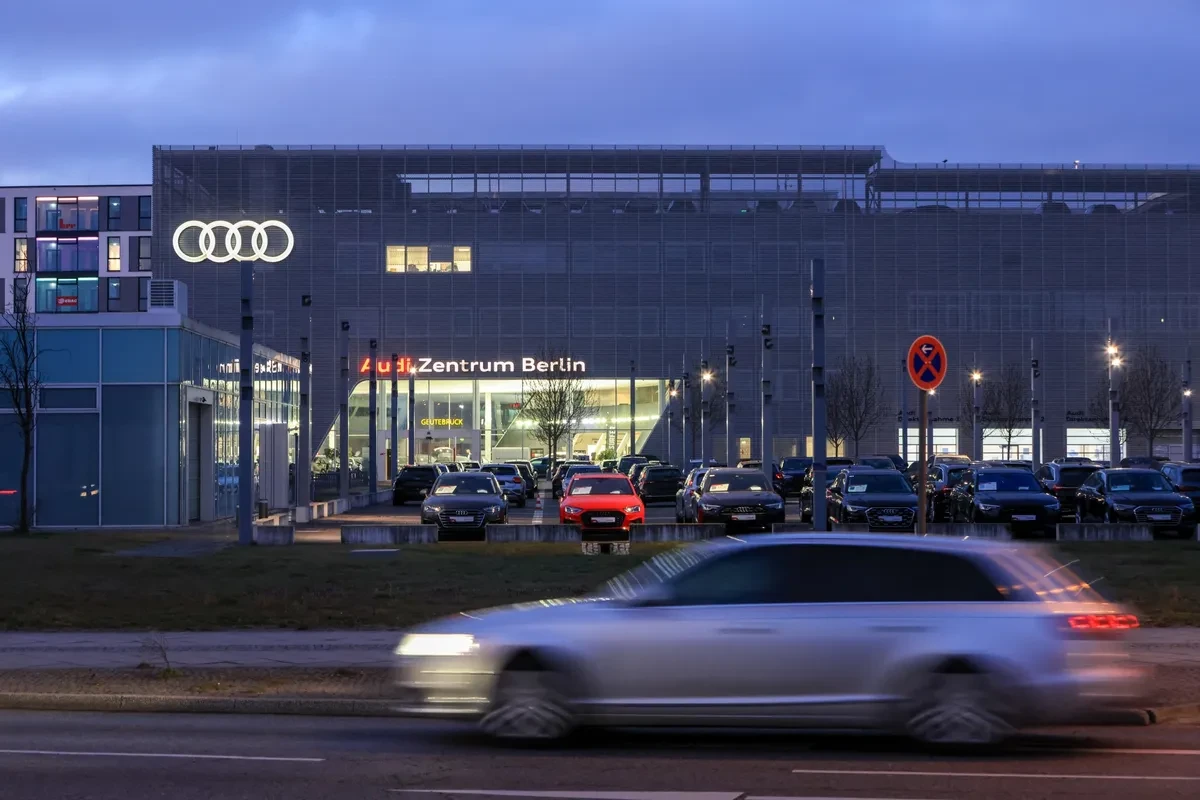
Why Are Banks Still Stepping Up for Car Part Makers?
In early May, Webasto—a leading car-roof and thermal-management specialist saddled with nearly €1 billion of bank debt—secured an additional €200 million in super-senior financing from its existing creditors. This move followed a term-tweak agreement with the same group last year, after the company’s performance faltered amid softening auto sales and aggressive price competition out of China. By stepping in with new funding, German commercial banks signaled that they remain committed to supporting a cornerstone of the nation’s manufacturing base—even as other sectors brace for credit strain.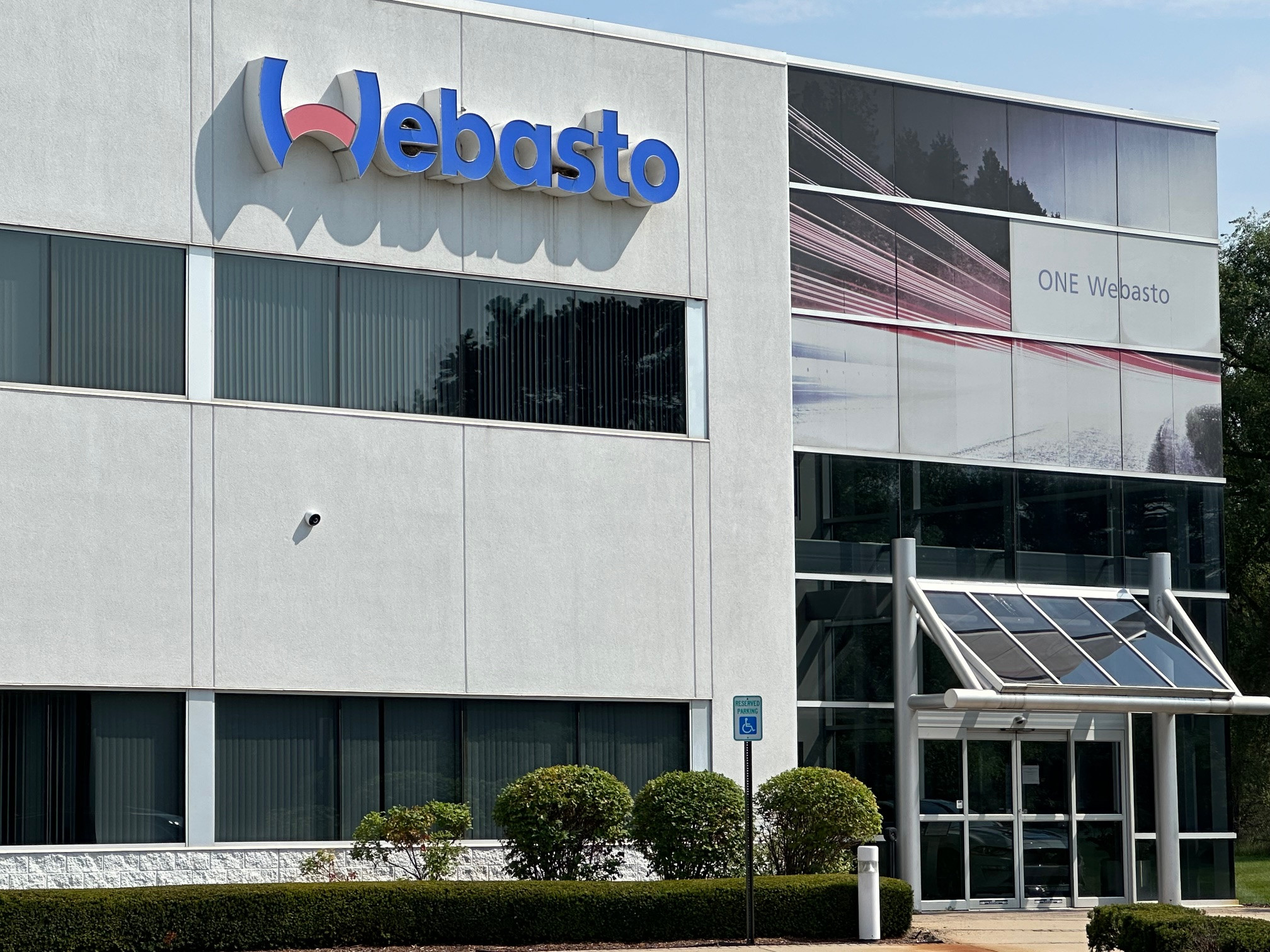
Who Is Eyeing Opportunities in Distressed Credit?
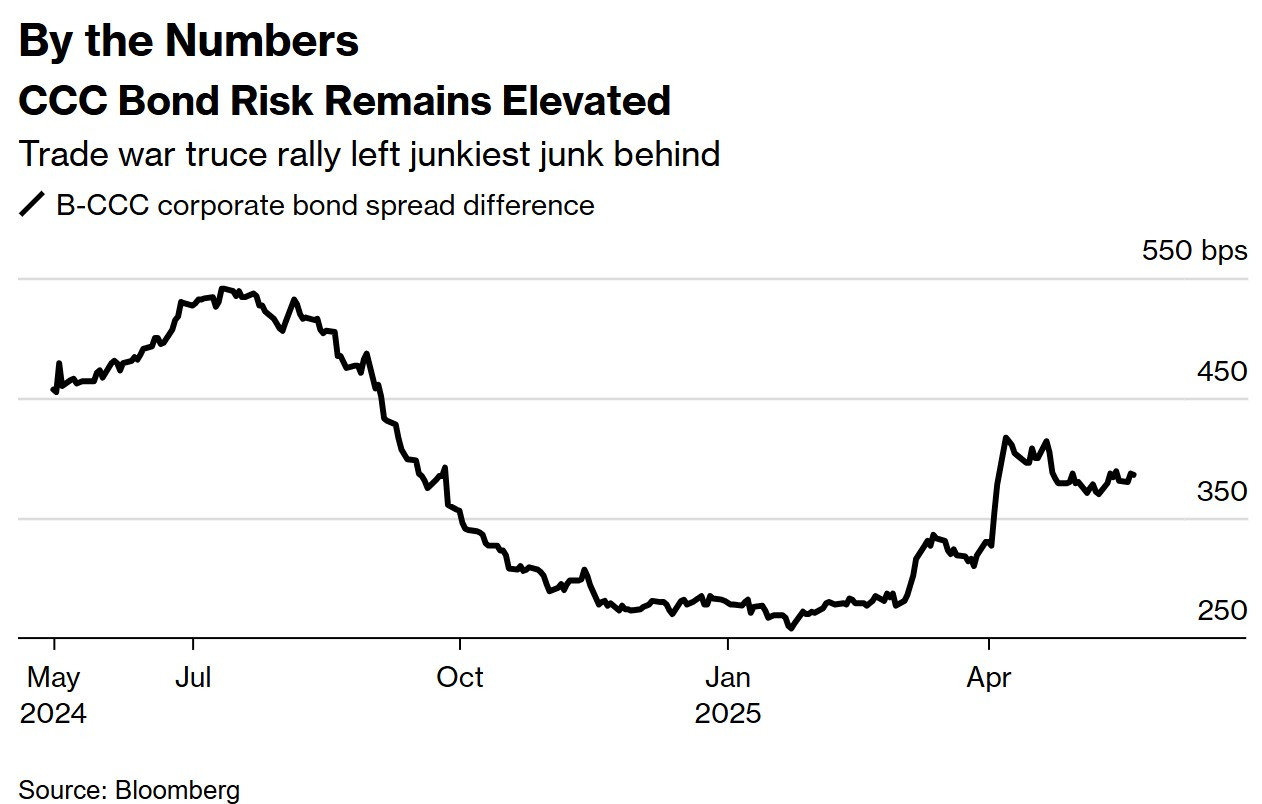
Benjamin Vogt, portfolio manager at Fidera, told attendees at the Handelsblatt restructuring conference in Frankfurt that his team is preparing to invest in both restructurings and liquidations across the automotive supply chain. Key attractions include:
- Companies that have already executed “cosmetic” fixes but now need deeper structural adjustments
- Situations where traditional lenders may sell down positions, enabling loan-to-own strategies
- High-yield segments where CCC-rated bond spreads remain unusually wide compared to BB and B paper
Where Could the Next Wave of Defaults Emerge?
Across corporate-debt markets, delinquencies are inching higher as the prolonged “time under tension” from higher risk-free rates collides with muted real growth. In the U.S., the end of student-loan forbearance has pushed consumer credit into rising delinquency, while trade-policy uncertainties continue to pressure export-oriented firms. Moody’s downgrade of the U.S. sovereign rating has also dampened appetite for new issuance, leaving the riskiest credits most exposed.
Sector Faces Structural Overhaul
Many German suppliers face the same strains as Webasto, and banks are drawing a hard line: continued support will depend on credible turnaround plans. Distressed-debt investors note that:
- Super-senior financings provide breathing room but elevate recovery hurdles for subordinated creditors
- True restructuring requires operational transformation rather than simple covenant waivers
- Alternative capital will move quickly into loans that banks deem noncore or too risky to refinance
Other Distress Stories on the Horizon
Beyond auto suppliers, a stream of companies is laying the groundwork for potential bankruptcies. Sunnova Energy International is preparing for a filing within weeks as rooftop solar demand softens. Northvolt plans to halt production at its last Swedish cell plant at the end of June, effectively ending Europe’s hope for a homegrown battery champion. Brazilian airline Azul is in advanced talks for roughly $600 million in new financing to fund itself through a potential insolvency next week. In New York, Joel Wiener’s apartment portfolio has slipped into bankruptcy after lenders moved to foreclose, and The Dolphin Company has lost five dolphins in the past year amid its own court-supervised reorganization.
Looking Ahead – What Could Trigger the Tipping Point?
Polus Capital’s Robert Dafforn explains that distress often peaks not with a single shock but through prolonged financial pressure: when the economy’s growth rate (G) remains low while the risk-free rate (R) stays elevated, “time under tension” mounts. U.S. junk bond spreads for BB and B credits have tightened, yet CCC spreads linger above long-term averages—signaling that the weakest borrowers may be the first to buckle.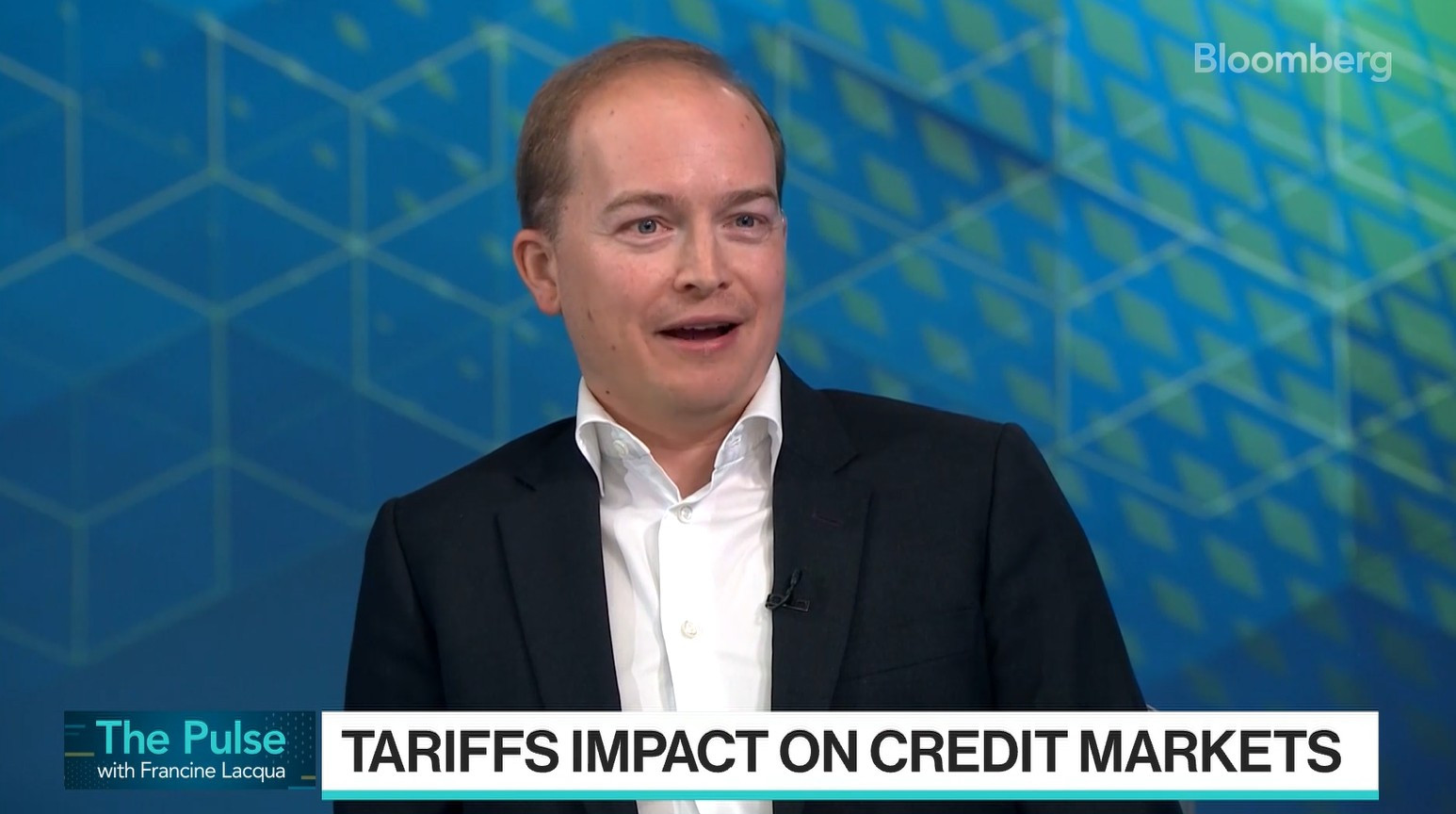
For investors, the interplay between bank support and distressed debt opportunity creates a delicate balance. On one hand, banks are loath to trigger fire sales in a vital industry. On the other, selective forbearance sows seeds for potential restructurings that may unlock value for opportunistic buyers. Policymakers, too, face a challenge: prolonging the life of struggling firms can avert short-term pain but risks delaying necessary market corrections.
In the immediate term, market watchers will focus on upcoming refinancing rounds, earnings reports for auto suppliers and any shifts in tariff rhetoric. The outcome will shape whether the current calm in credit markets endures or gives way to the next leg of distress—and whether banks remain the backstop or pass the baton to distressed debt investors.