
Private Equity’s Favorite Loophole Survives: Will Hedge Funds Always Win the Tax Game?

In a high-stakes vote on Thursday, House Republicans passed a sweeping tax bill backed by President Donald Trump. The bill delivers tax relief to businesses and high earners, while partially offsetting its cost through cuts to vital social programs. Among those facing reductions: Medicaid and food assistance programs that millions of Americans rely on.
Yet one high-profile tax break remained untouched: the carried interest loophole, a provision long criticized for offering special treatment to wealthy fund managers. As cuts hit low-income families, hedge fund and private equity executives will continue enjoying a tax advantage that critics argue is neither fair nor necessary.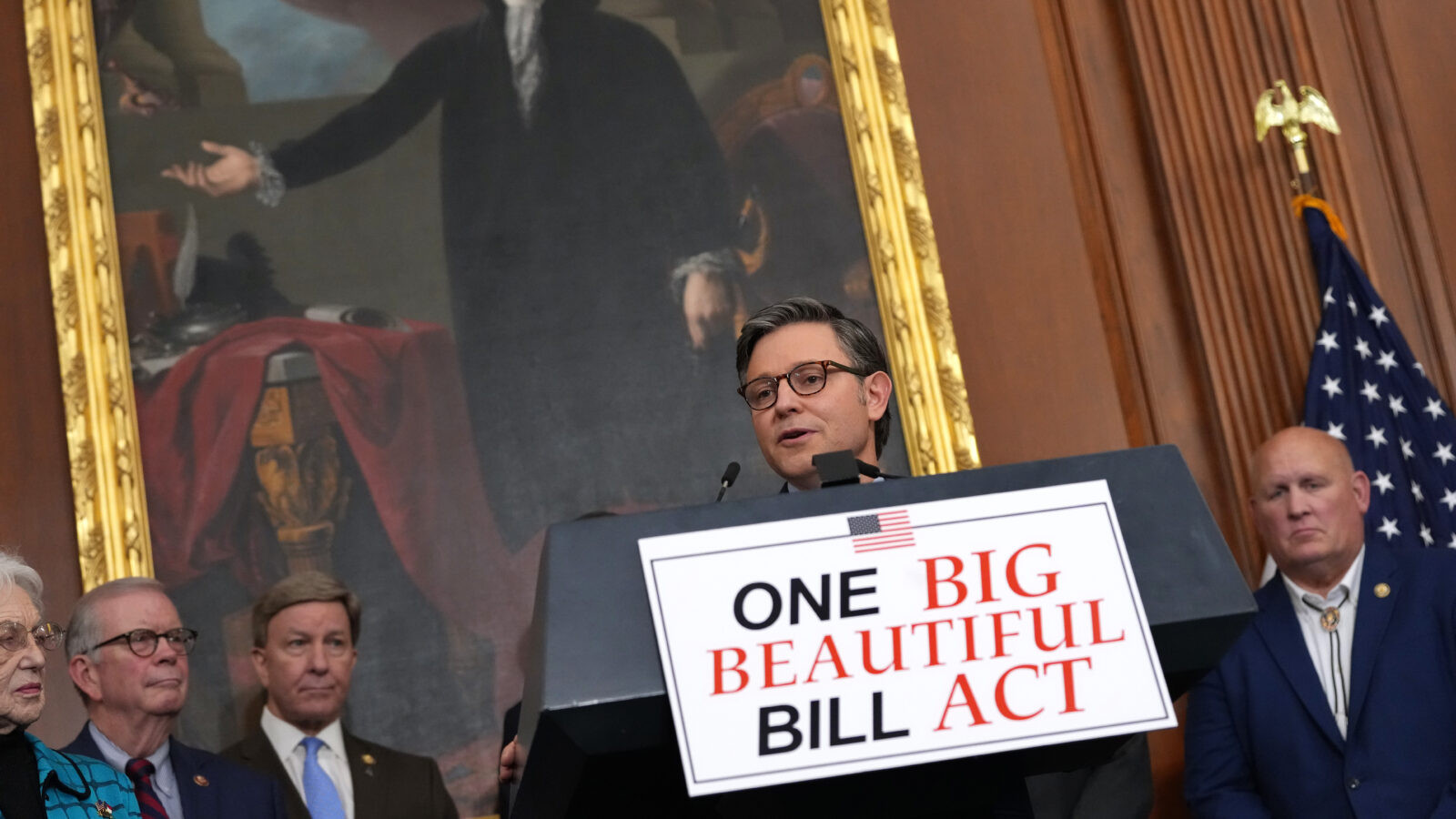
Who Bears the Brunt of the Cuts?
To help fund the new tax reductions, Republican lawmakers targeted several social spending programs. Key areas impacted include:
- Medicaid: Funding rollbacks could leave state governments scrambling to maintain coverage and services for low-income residents.
- Food Stamps (SNAP): Reductions threaten food security for millions, particularly children, the elderly, and people with disabilities.
- Other Safety Net Services: Additional cuts across federal programs may affect housing, education, and unemployment assistance.

While Republicans argue these changes promote fiscal responsibility, critics say they disproportionately affect the most vulnerable populations.
Why Is Carried Interest Still Untouchable?
Despite bipartisan calls over the years to reform or eliminate the carried interest loophole, the latest House bill does not address it. The loophole allows private equity and hedge fund managers to pay a lower tax rate on their earnings than most American workers. Under current law, profits from investment deals—referred to as "carry"—can be taxed as long-term capital gains at just 20 percent if the asset is held for more than three years.
That tax rate is lower than what many working- and middle-class Americans pay on their wages. For comparison, a married couple earning under $206,700 pays a marginal tax rate of 22 percent, and a single filer earning under $197,300 pays 24 percent. Meanwhile, many fund managers—who can make millions—land in the 35 or 37 percent brackets on ordinary income.
But because carried interest is treated as investment income, fund managers enjoy a generous tax break that regular employees do not. Critics argue this is both a matter of equity and a source of lost federal revenue.
A Loophole That Refuses to Close
Over the past two decades, the carried interest provision has been a favorite target of reformers from both political parties. President Barack Obama repeatedly called for taxing carry as ordinary income. Senators like Elizabeth Warren and Tammy Baldwin have introduced legislation to close the loophole, with Baldwin most recently proposing that carry be taxed the same way as workers’ wages.
Even Trump, during his 2016 presidential campaign, pledged to end the loophole. Yet after taking office, his administration preserved it. The most it did was make it slightly harder to qualify for the lower tax rate, changing the required holding period from one year to three years under the 2017 Tax Cuts and Jobs Act.
The current tax bill continues to uphold those terms. According to Mark Leeds, a tax partner at Pillsbury Winthrop Shaw Pittman, “The current carried interest will stay.” The American Investment Council, a private equity lobbying group, welcomed the bill, stating it “will encourage more long-term investment across America.”
Will the Senate Draw the Line?
Now, attention turns to the Senate. The House bill’s treatment of carried interest isn’t final—Senators can and often do amend tax legislation before final passage. While some Senate Republicans may be aligned with the House version, Democrats have long voiced frustration over the loophole’s persistence.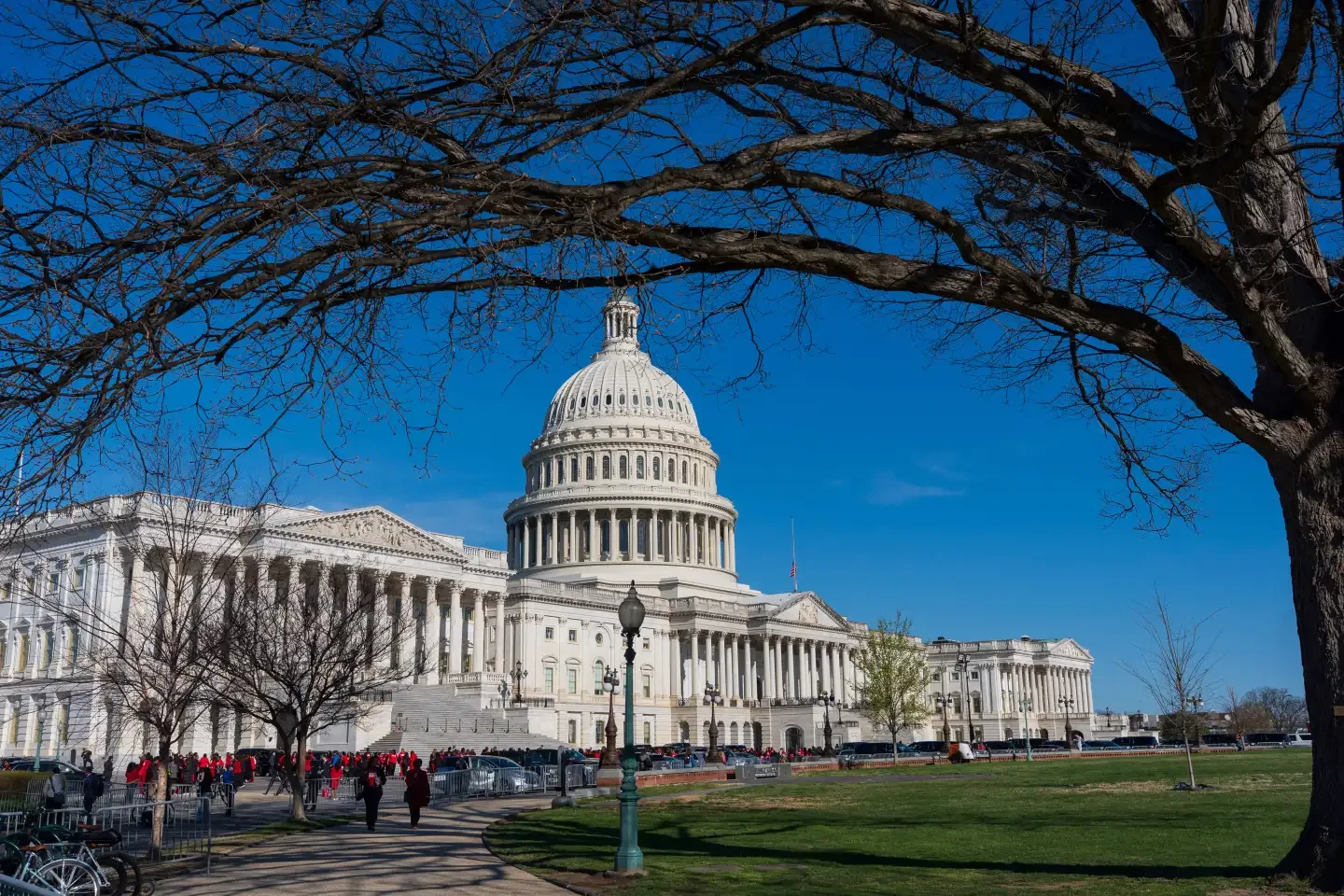
Possible outcomes include:
- Senate amendments to narrow or eliminate carried interest benefits, especially if Democrats rally enough support.
- A compromise bill through conference committee if the Senate and House versions diverge significantly.
- A final version that passes with carried interest unchanged, continuing a long-standing trend of legislative inaction.
What This Means for Tax Fairness in America
At its core, the debate over carried interest is about more than tax rates—it’s about values. The decision to leave the loophole intact while cutting funding for healthcare and food assistance sends a clear message about whose interests are prioritized in Washington.
Supporters argue that carried interest promotes long-term investment and economic growth. Critics, however, see it as a symbol of an unfair tax system that rewards the wealthy at the expense of everyday Americans.
As the bill moves to the Senate, the question remains: will lawmakers finally close the door on a loophole that even Trump once pledged to shut, or will this remain yet another missed opportunity to deliver tax justice?