
The Hidden Shift: Why Savvy Investors Are Betting Big on Private Markets

The investment landscape is undergoing a seismic shift. While public markets like the S&P 500 have long been the cornerstone of portfolios, private equity and credit are now stealing the spotlight—delivering higher returns with significantly lower risk. According to Entrepreneur, private equity funds have outperformed the S&P 500 by three times since inception, with losses in downturns limited to just 4.5% compared to the index’s 24.5% plunge. Meanwhile, McKinsey’s 2024 global private markets report reveals that despite macroeconomic turbulence, investor confidence in private assets remains unshaken, with limited partners (LPs) planning to increase allocations.
So, what’s driving this trend? And is it time to rethink your investment strategy?
Why Are Investors Flocking to Private Markets?
The numbers speak for themselves. Private equity isn’t just matching public market returns—it’s crushing them. Data from Entrepreneur shows that over the last three years, one private equity fund delivered returns 73% higher than the S&P 500. Even in worst-case scenarios, its losses were a fraction of those seen in public markets.
But performance isn’t the only factor. The structural advantages of private markets are impossible to ignore:
- Long-term focus: Unlike public companies shackled to quarterly earnings reports, private firms can prioritize sustainable growth.
- Lower volatility: Private credit funds boast a standard deviation 93% lower than the S&P 500, offering smoother returns.
- Resilience in downturns: During market stress, private equity losses were just 4.5%, while public equities nosedived nearly 25%.
McKinsey’s research adds another layer: Private equity distributions to LPs exceeded capital contributions in 2024 for the first time since 2015, signaling strong liquidity despite a tough fundraising environment.
Is Private Equity Really More Resilient Than Public Markets?
The 2022–2023 rate hike cycle was a brutal stress test for all asset classes. Yet private equity emerged stronger. McKinsey notes that while dealmaking initially slumped, 2024 saw a rebound—large buyouts (over $500 million) surged, and sponsor-to-sponsor exits regained momentum.
Why? Private equity’s adaptability stands out. General partners (GPs) are innovating with new fund structures, like evergreen funds and continuation vehicles, to meet LP demand for liquidity. They’re also tapping non-traditional capital sources, including high-net-worth individuals, through more accessible vehicles like open-end funds.
But the biggest advantage? Scale. The top 100 GPs made three times more acquisitions of competing firms in the past five years than in the prior half-decade. This consolidation is creating powerhouse firms with diversified income streams and greater flexibility—key traits in an uncertain economy.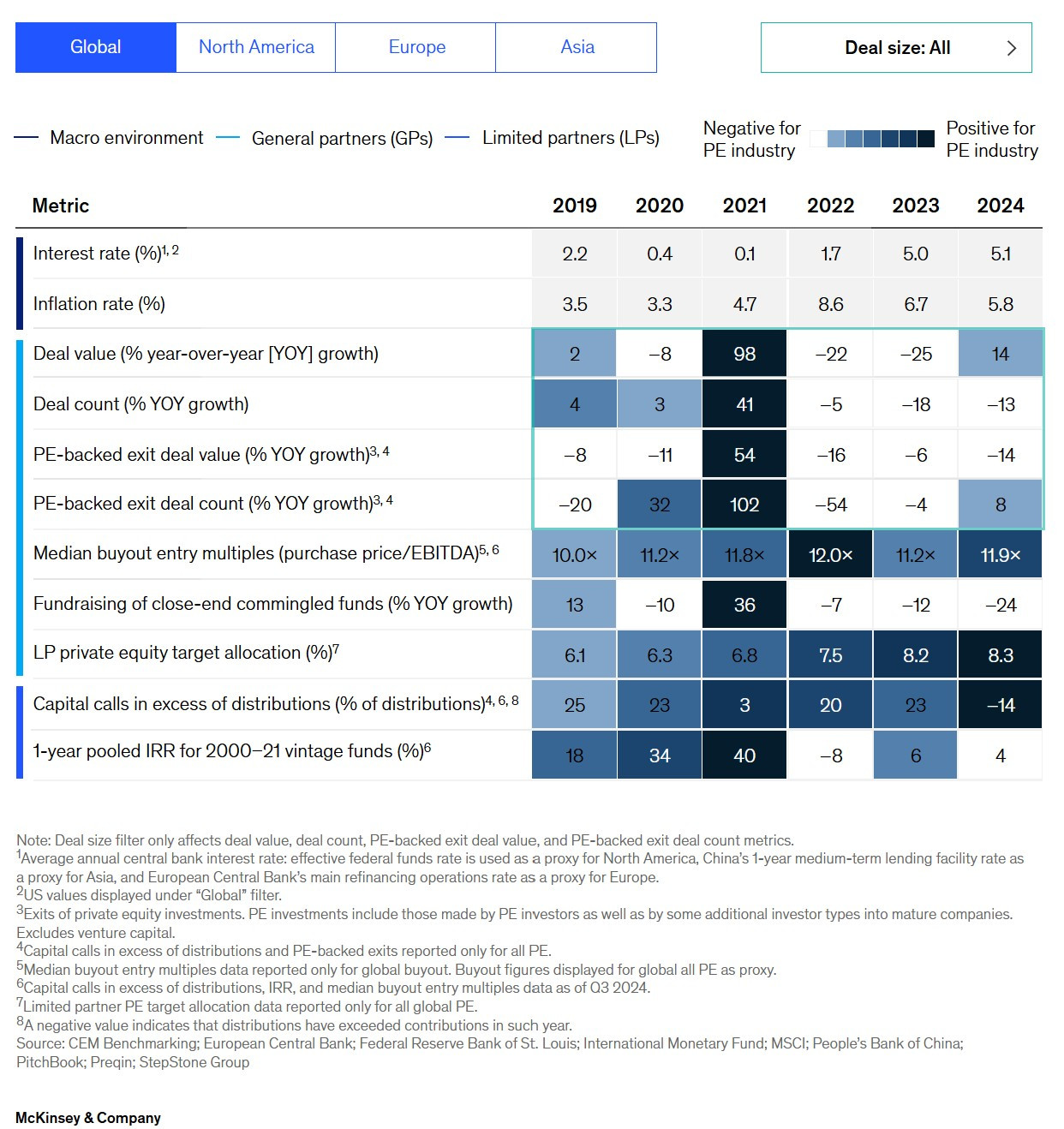
What’s Holding Private Credit Back?
Private credit has been a quiet winner, offering 4% higher annual returns than comparable public market options (Entrepreneur). Its ultra-low volatility makes it a haven for risk-averse investors. Yet challenges remain.
McKinsey points out that fundraising across all private asset classes hit a post-2016 low in 2024. Geopolitical instability and trade policy shifts are adding complexity. And while private credit is stable, it’s not immune to macroeconomic shocks—higher interest rates have made refinancing portfolio companies trickier.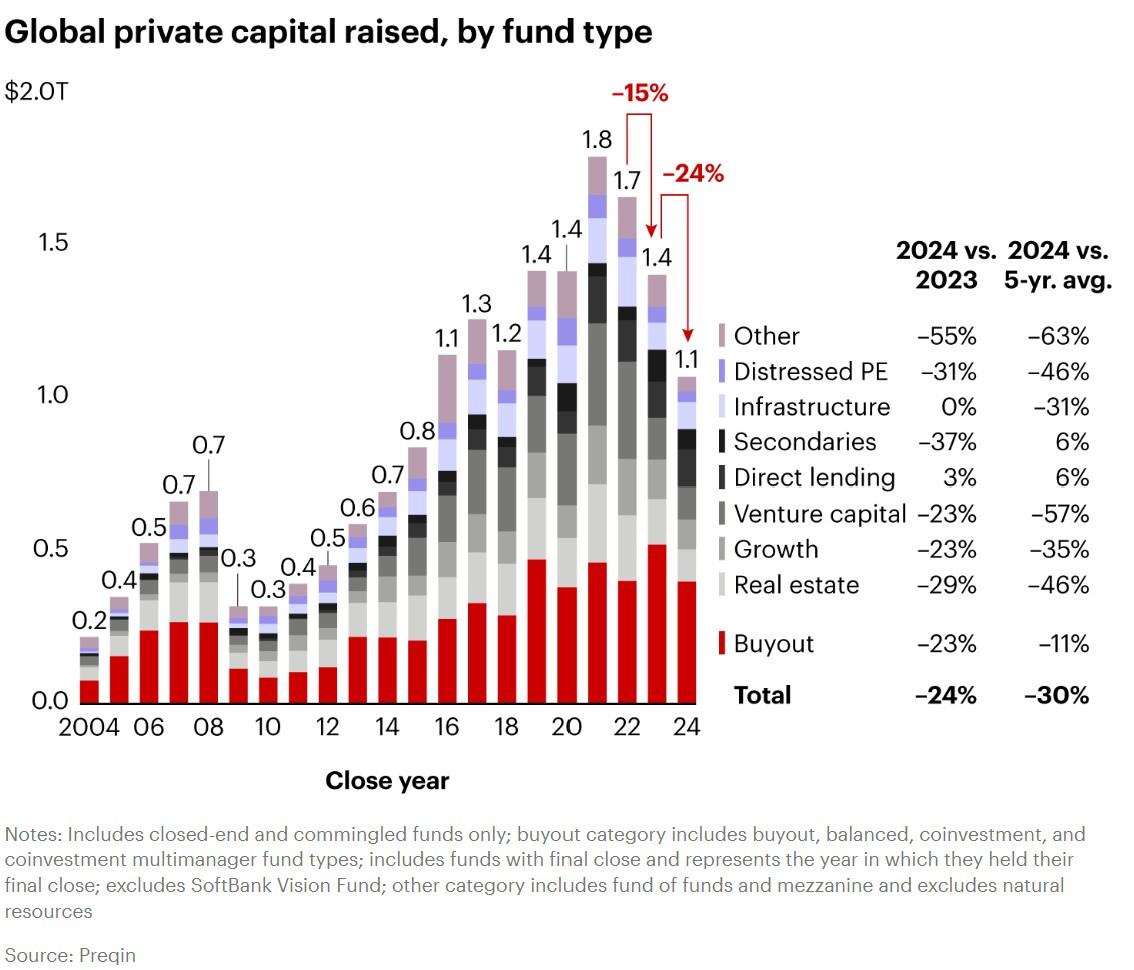
Still, the asset class is evolving. LPs are no longer passive allocators; many are now investing directly in GPs or secondary markets. This shift could further stabilize returns and reduce reliance on traditional fundraising cycles.
Can Public Markets Keep Up?
The S&P 500 isn’t going anywhere. It remains a benchmark for stability, especially as the number of publicly listed stocks shrinks—fewer companies mean the index is more concentrated but also more resilient.
However, Entrepreneur’s analysis suggests that public markets may no longer be the best path for outsized returns. With private equity tripling the S&P 500’s performance and private credit offering steadier income, the case for diversification into private assets has never been stronger.
What’s Next for Private Markets?
The future looks bright—but not without hurdles. McKinsey highlights three critical trends:
- AI disruption: GPs are racing to build data science teams and AI-driven value creation strategies.
- Geopolitical risks: Tariffs and trade wars could disrupt cross-border deals.
- The exit backlog: Sponsor-owned companies are piling up, and selling them at 2021-era valuations won’t be easy.
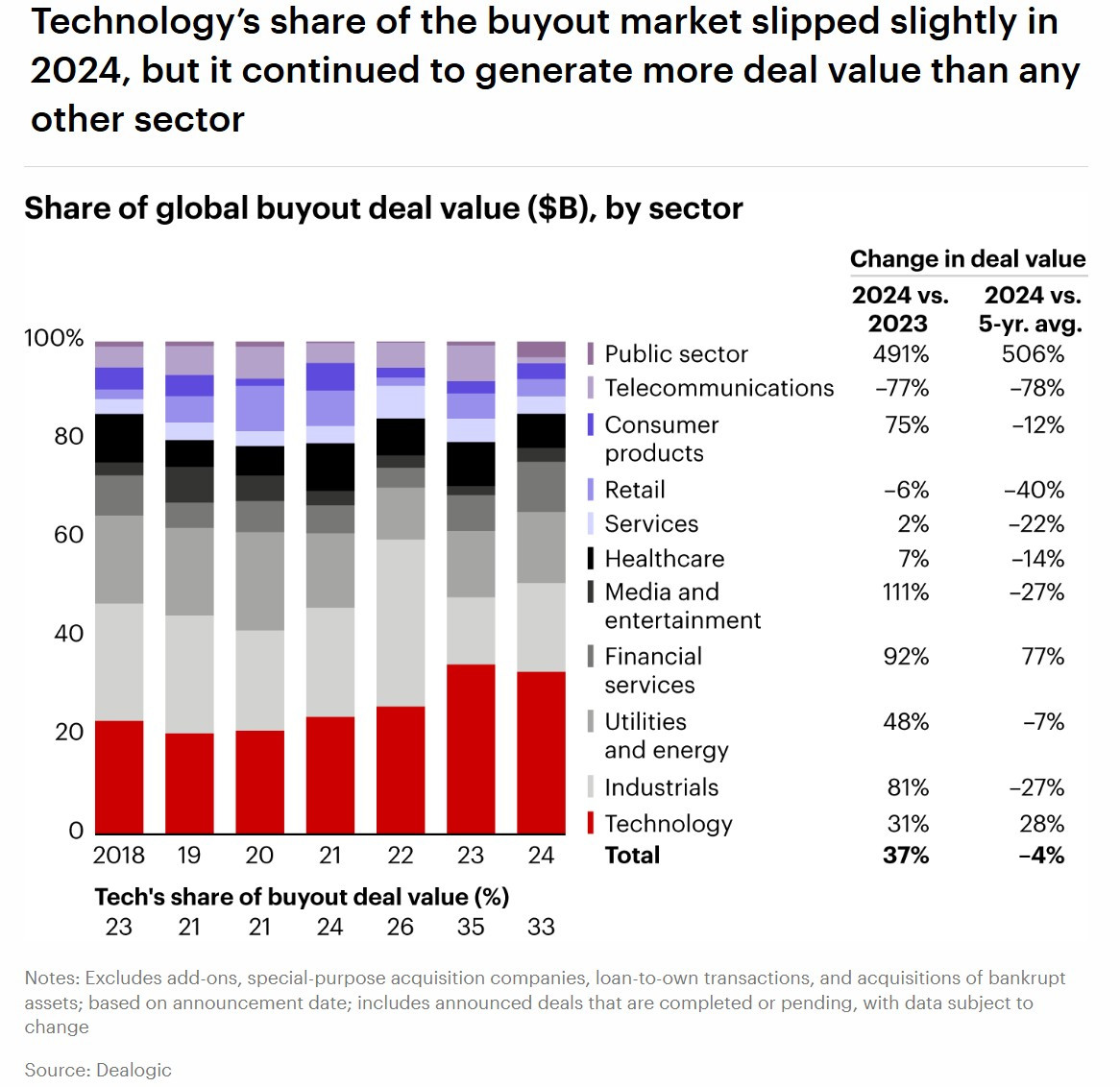
Yet despite these challenges, 30% of LPs plan to increase private equity allocations in the next year. Why? Because over the long term, private markets have consistently beaten public equities—and that’s a trend unlikely to reverse anytime soon.
The Bottom Line: Should You Invest Privately?
If you can handle lower liquidity, the answer is a resounding yes. Private markets offer higher returns, lower volatility, and a buffer against public market downturns. As McKinsey puts it, private equity is “more resilient and durable than before”—and with GPs innovating at breakneck speed, the best may still be ahead.
For investors, the takeaway is clear: The era of private market dominance is here. Will your portfolio be ready?
Sources: Private equity and credit performance data from Entrepreneur; macroeconomic trends and LP insights from McKinsey’s 2024 Global Private Markets Report.