
Are We at the Peak of the Gold Frenzy?

Citigroup’s latest analysis delivers a jolt: after a blistering rally that has driven gold demand to half-a-century highs, the metal may be poised for a significant downturn in 2026 and 2027. Despite a continued range-bound market through the second half of 2025, analysts Maximilian Layton and Kenny Hu warn that fading economic fears and record household holdings could topple prices once the euphoria subsides.
Big Picture First: Why a Turnaround Looms
In their report, Layton and Hu flag two pillars undercutting gold’s long-term outlook. First, as concerns over global growth, U.S. fiscal deficits and high interest rates ease – thanks in part to midterm election shifts and a future Fed easing cycle – the safe haven bid may lose steam. Second, falling interest rates themselves tend to grind down forward gold prices; their models suggest each one percent drop in yields could shave roughly two hundred dollars off five-year gold forwards.
High Demand, Higher Stakes
Gold consumption is surging. Citigroup data show roughly 0.5 percent of world GDP is now flowing into gold purchases – a level unseen since 1980. Investment demand alone accounts for three and a half to four hundred billion dollars annually, buoyed by central banks, high-net-worth individuals and retail buyers alarmed by rising borrowing costs and policy uncertainty.
Unpacking the Three Drivers Behind Gold’s Rally
Layton describes the “three Ds” that have fuelled the frenzy
- Deterioration in growth outlooks for the U.S. and the world has stoked risk aversion
- Debasement fears over U.S. monetary expansion and currency weakness have driven investors to hard assets
- Diversification by central banks away from the dollar has added official sector heft to demand
These forces combined to unleash a wave of buying that has lifted prices to multiyear highs.
Household Holdings Skyrocket—But at What Cost?
Gold is no longer the domain of sovereigns. Jewelry, bars and coins now account for roughly three percent of global household net wealth, the highest reading in fifty years and double the level from five years ago. In India, that share has leapt from around eight percent to upwards of sixteen percent. In China it has climbed to three percent from one and a half percent, while other regions have seen holdings rise from about one and a quarter percent to two and a half percent.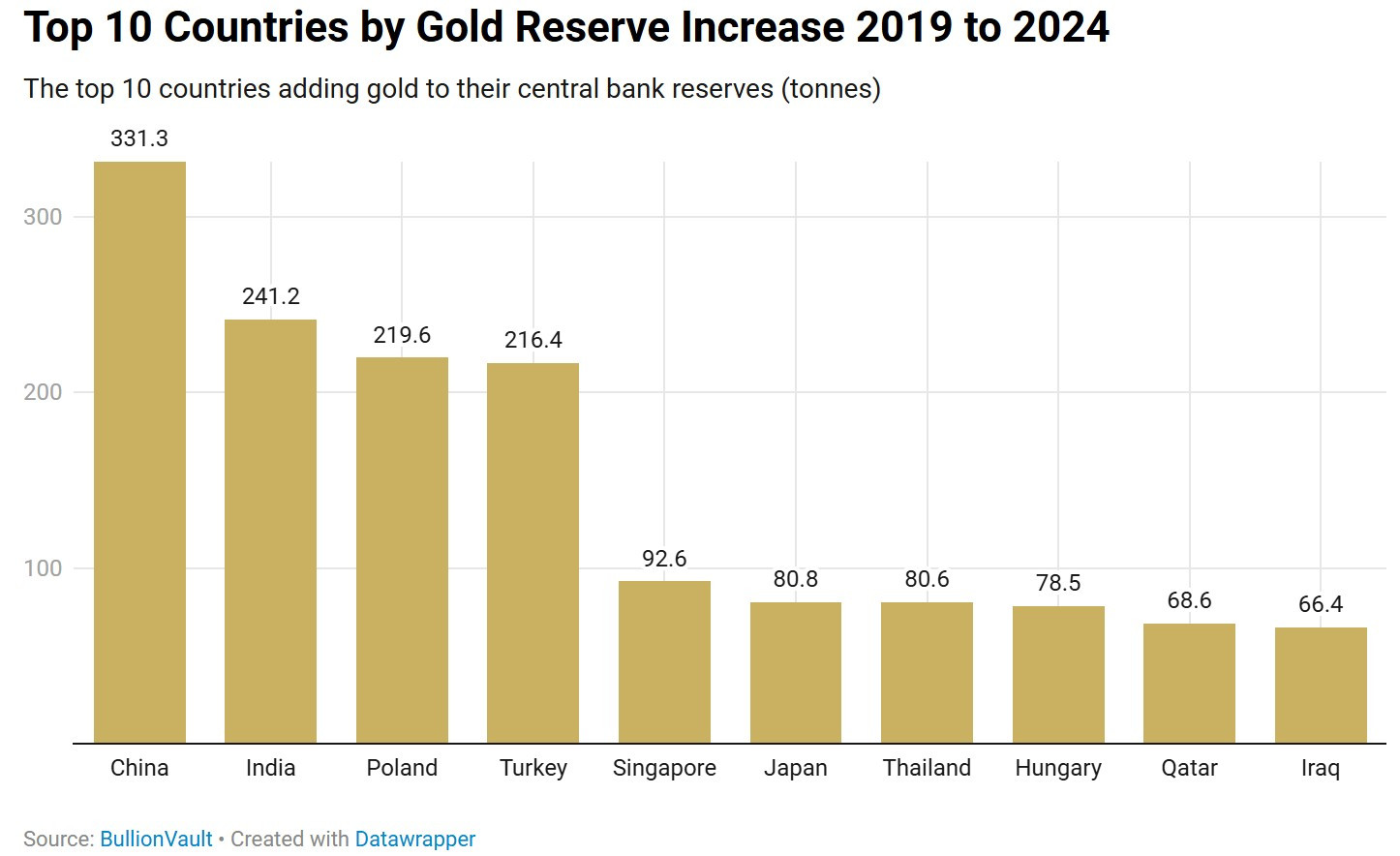
This extraordinary tilt toward gold may prove a double-edged sword. When prices surge, buyers rush in. But once a critical mass holds, further purchases often dwindle. Citigroup warns that affluent investors and retail buyers alike may hit their saturation point, curbing fresh demand.
Could Scrap Supply Spoil the Party?
Jewelry durability has so far trumped price pressures. Yet a modest uptick in recycling could flood markets. With around a hundred thousand tonnes of jewelry above ground, boosting scrap recovery by just half a percent would add five hundred tonnes of supply – roughly fifteen percent of annual mine output. This hidden reserve could overwhelm tight mineral markets if prices remain elevated.
Short-Term Range, Long-Term Risk
Through late 2025, gold may continue to grapple between thirty-one hundred and thirty-five hundred dollars per ounce. Ongoing tariff negotiations, persistent geopolitical hotspots and budget deficit worries could underpin support. But Citigroup cautions that these factors will fade once growth momentum returns and monetary policy tightness recedes.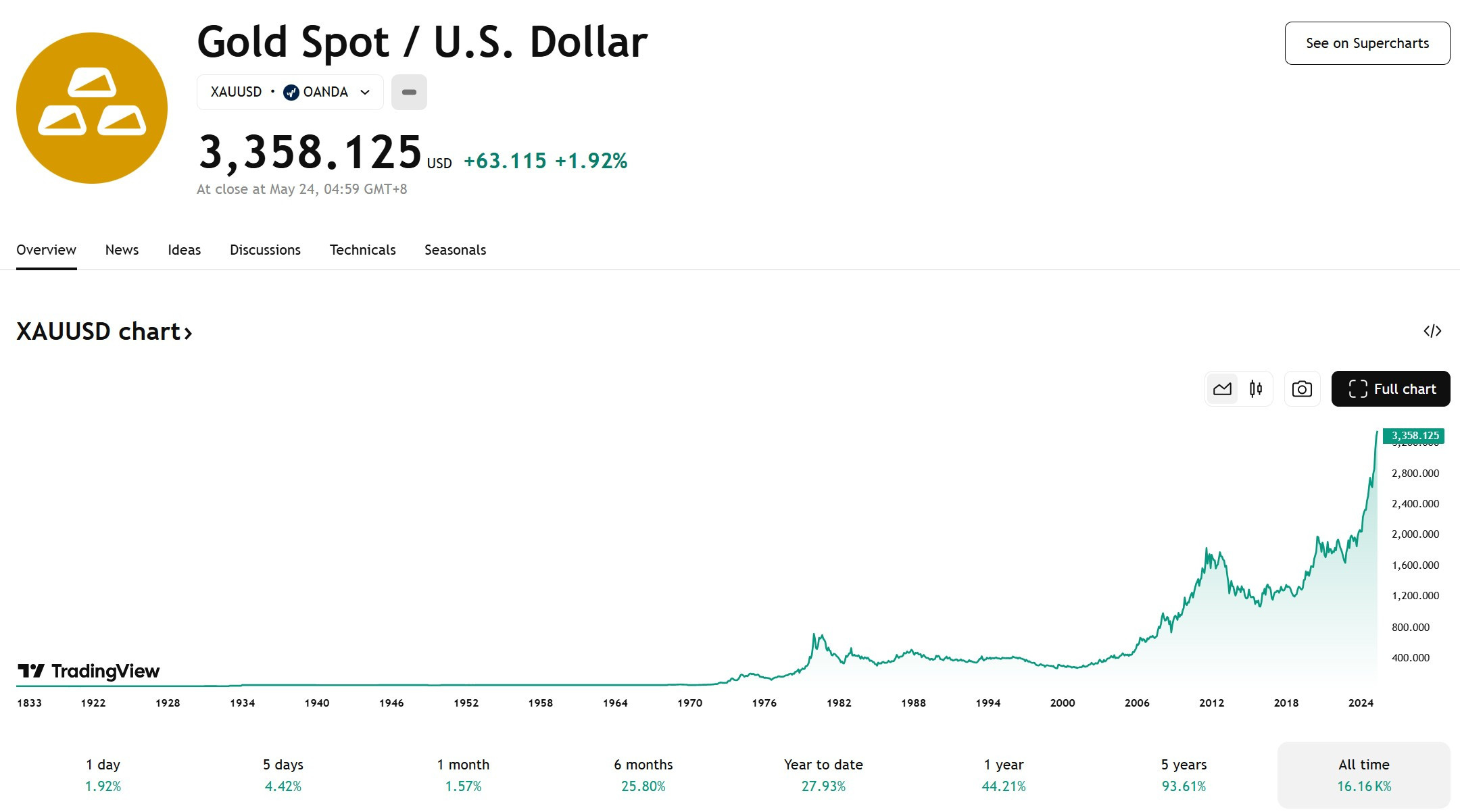
Essential Considerations Before Taking Profits
Before locking in gains during this sustained rally, it’s crucial to balance the appeal of short-term trading ranges against looming longer-term headwinds. Keep in mind:
- Shifting Risk Appetite: Look for early evidence that fear-driven demand is easing as economic data firm up.
- Rate-Cut Signals: Stay alert to Federal Reserve communications—interest-rate reductions tend to pressure future gold price expectations.
- Demand Saturation: Be mindful of whether retail and high-net-worth purchases begin to taper off, signaling that most interested buyers are already positioned.
- Scrap Flow Dynamics: Even a slight rise in recycled gold supply can have an outsized impact on overall availability, potentially exerting downward pressure.
What Lies Ahead?
Citigroup expects the gold price to remain buoyant in the near term, but warns that by 2026 market dynamics could shift decisively. The current bull run may have run its course — and those who bought early may find that coming months offer the last great opportunity to take profits before a pronounced correction.
In the world of precious metals, timing is everything. As the narrative pivots from fear to recovery, today’s haven may become tomorrow’s liability. Investors would do well to ask themselves whether they want to be giddy speculators at the summit or measured stewards ready for the descent.
This content is provided for informational or educational purposes only and does not constitute investment advice.