
Could Meituan’s Meteoric Rise Weather the Storm of Competition and Global Ambitions?

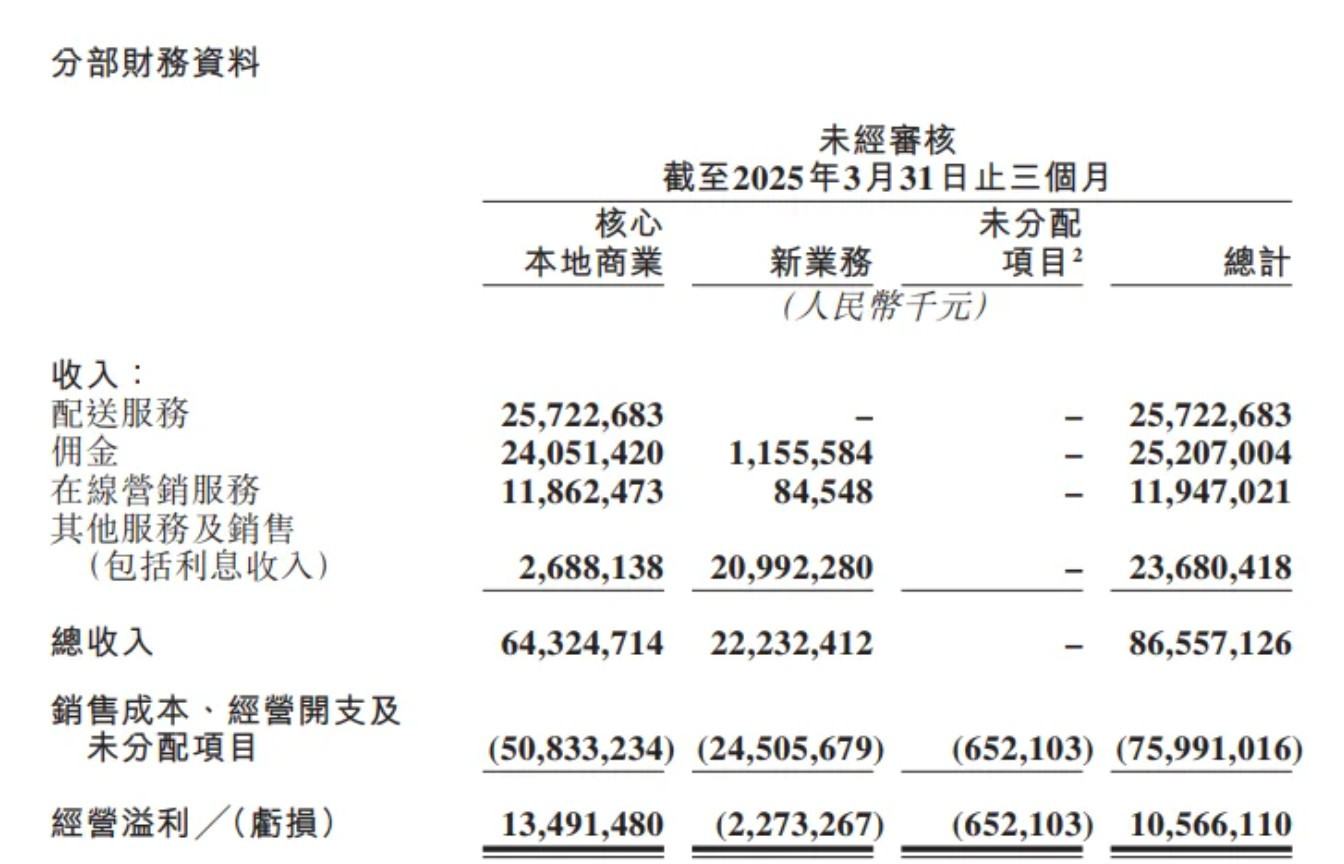
Meituan posted blockbuster first quarter results, with revenue up 18.1% to RMB 86.6 billion and adjusted net profit surging 46.2% to RMB 10.95 billion.
Operating profit more than doubled year on year to RMB 10.57 billion, while adjusted EBITDA climbed 52.4% to RMB 12.30 billion.
Despite this stellar performance, the stock has slid about 15% so far this year, underperforming peers. Investors are digesting an escalating domestic subsidy war and pending regulatory shifts.
With battles heating up at home and new markets on the front burner, Meituan must prove its growth strategy can endure multiple challenges.
Meituan’s Local Adaptations Drive Engagement
Beyond top-line growth, Meituan doubled down on rider welfare and merchant support to cement its leadership. Since mid-2022, over RMB 15 billion in occupational-injury coverage has been extended to riders across seven pilot provinces.
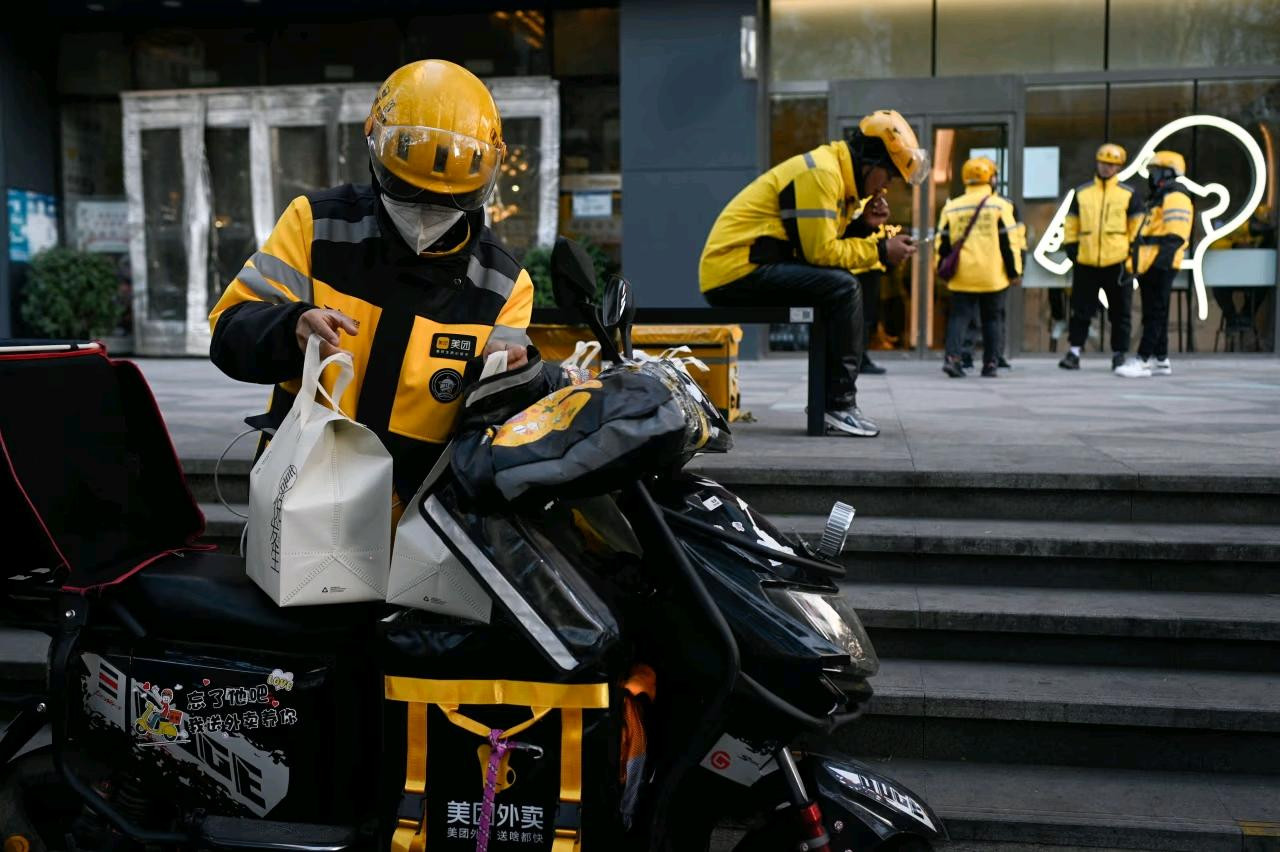
In April, the company introduced a pension subsidy program for riders in select regions, with cash transfers distributed in May. On the merchant front, Meituan rolled out brand satellite stores and bespoke offline formats, enabling chain restaurants to expand regionally with efficient cost structures.
In its hotel and travel segment, enhanced membership perks—such as room upgrades, free breakfast, and flexible checkout—have strengthened customer loyalty and boosted cross-selling. These measures improve service quality while reinforcing barriers to entry for challengers.
Will subsidies and fierce rivalry dent margins?
Domestically, the subsidy arms race is intensifying, with JD.com committing RMB 100 billion to its food delivery business. At Meituan’s earnings call, CEO Wang Xing vowed to win at all costs, citing past victories against deep-pocketed rivals.
He criticized irrational discounting, arguing it undermines service quality. Investors worry about how subsidy spending will erode Meituan’s cost advantage and whether efficiency gains can offset margin pressure.
Citi analysts warn that escalating competition could slow revenue growth and weigh on profitability.
Could global expansion be the growth antidote?
With domestic tensions mounting, Meituan is stepping up overseas bets. Its Keeta app in Saudi Arabia has vaulted into the top ranks since launching in September 2024. Citigroup projects Keeta could overtake No. 2 player Jahez by year-end.
Encouraged by rapid adoption, Meituan plans to invest USD 1 billion to launch Keeta in Brazil later this year—its first South American expansion. This follows entries in Hong Kong and the Middle East, where Meituan leveraged its tech stack and logistics network.
However, each market presents unique regulatory frameworks, consumer behaviors, and local competition, forcing Meituan to adapt pricing and promotions. Success hinges on navigating these differences to offset slowing domestic growth.
Core Business Strengths Revealed
Meituan’s instant retail platform, Meituan Flash Purchase, maintained strong momentum, offering rapid delivery across categories from snacks to home appliances. On Valentine’s Day, orders doubled year-on-year, with flowers, small appliances, and cosmetics favored by younger shoppers.
New initiatives also shone, with revenue up 19.2% to RMB 22.2 billion and operating loss narrowing 17.5% to RMB 2.3 billion. In food and grocery retail, supply chain optimizations drove efficiency gains.
Xiao-Xiang Supermarket and Meituan Youxuan are helping foreign exporters access Chinese consumers through tailored marketing. Overseas, tech-driven hardware services are improving unit economics, reflecting Meituan’s strategy to diversify beyond core commerce.
New Challenges Ahead as Tech and Regulation Collide
Meituan is developing its own large language model, "Long Cat," to embed AI across logistics, customer service, and personalization engines. This places Meituan alongside ByteDance and Alibaba in the global AI race but demands heavy investment in infrastructure and talent.
Meanwhile, China’s antitrust regulator released draft guidelines calling for reasonable and transparent platform fees. While existing subsidies may partially satisfy the rules, stricter enforcement could constrain monetization.
Hong Kong shares fell 6% on the news, reflecting investor anxiety over compliance costs and revenue headwinds.
Looking Ahead: A Crossroads for Meituan
The first-quarter triumph underscores the strength of Meituan’s local ecosystem and operational refinements. Yet subsidy wars at home and the complexity of global expansion threaten growth.
Regulatory scrutiny adds uncertainty, while bets on AI and overseas markets test Meituan’s ability to turn dominance into long-term value. Investors await signs of a strategic reset—or proof that its playbook remains bulletproof.
This content is provided for informational or educational purposes only and does not constitute investment advice.