
Could OPEC+’s Bold Production Push Send Oil Below Sixty Dollars?

OPEC+ appears ready to mount its most aggressive supply surge in years, planning to add 411,000 barrels per day for a third consecutive month. The aim is clear: drive global oil prices below $60 a barrel and undermine the profitability of US shale producers.
American shale faces mounting pressure. With breakeven costs hovering around $61 per barrel, rising drilling expenses, depleting high-quality reserves, and new tariffs on steel/aluminum imports, US producers are now in the crosshairs of OPEC+’s meticulously timed market assault.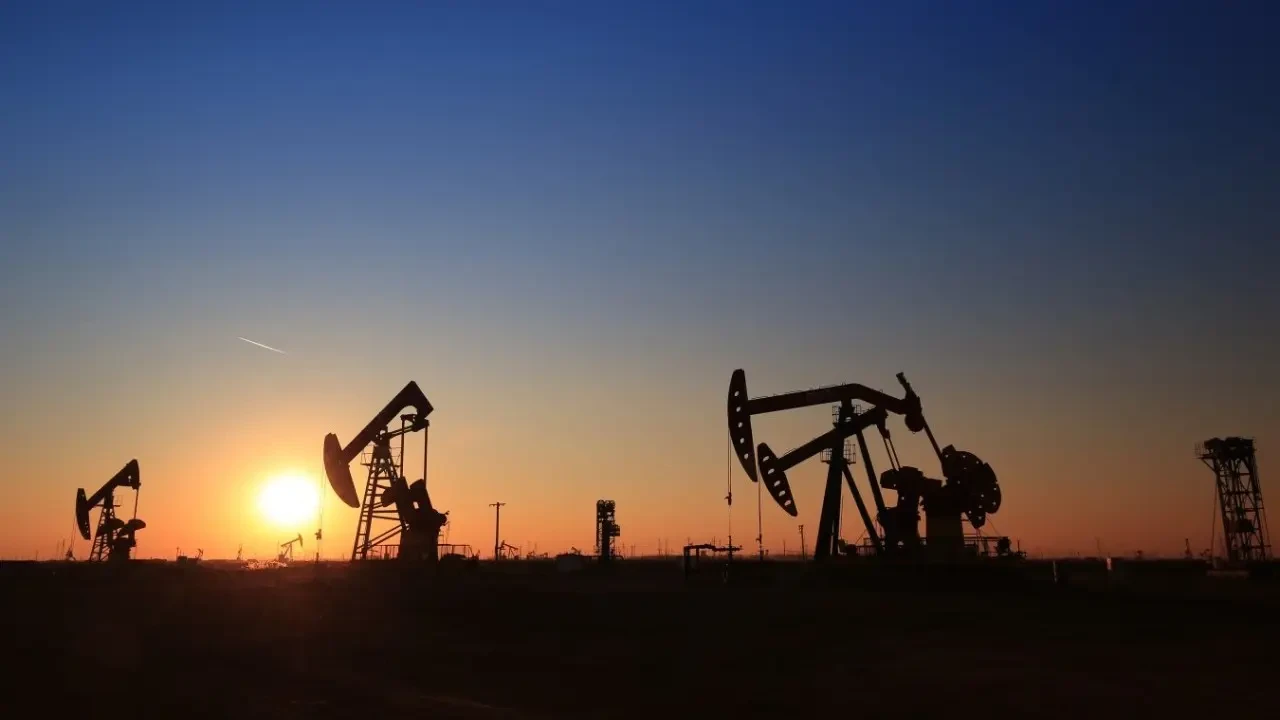
What’s Driving the Production Surge?
The strategy hinges on a three-phase plan to reclaim lost market share. First, OPEC+ will announce a third consecutive 411,000 bpd hike in July, following May and June increases. Second, the group will revert to smaller monthly hikes through 2025. Finally, it will pause production growth entirely by early 2026.
This approach targets multiple vulnerabilities:
- Exploiting seasonal demand peaks in Gulf nations.
- Curtailing overproduction by Kazakhstan.
- Preempting a potential US shale resurgence.
The $60 Price Floor: A Calculated Strike
Insiders confirm the sub-$60 target aligns precisely with US shale’s breakeven threshold. Federal Reserve Dallas surveys show new shale wells require $61–$70 per barrel to profit. By anchoring prices below this range, OPEC+ aims to deter investor confidence and starve US tight oil projects of capital.
Saudi Arabia and Russia have signaled willingness to accept tighter margins, even if it means tapping debt to fund budgets. As one OPEC+ delegate noted: “Keeping prices here forces rivals to question their own viability.”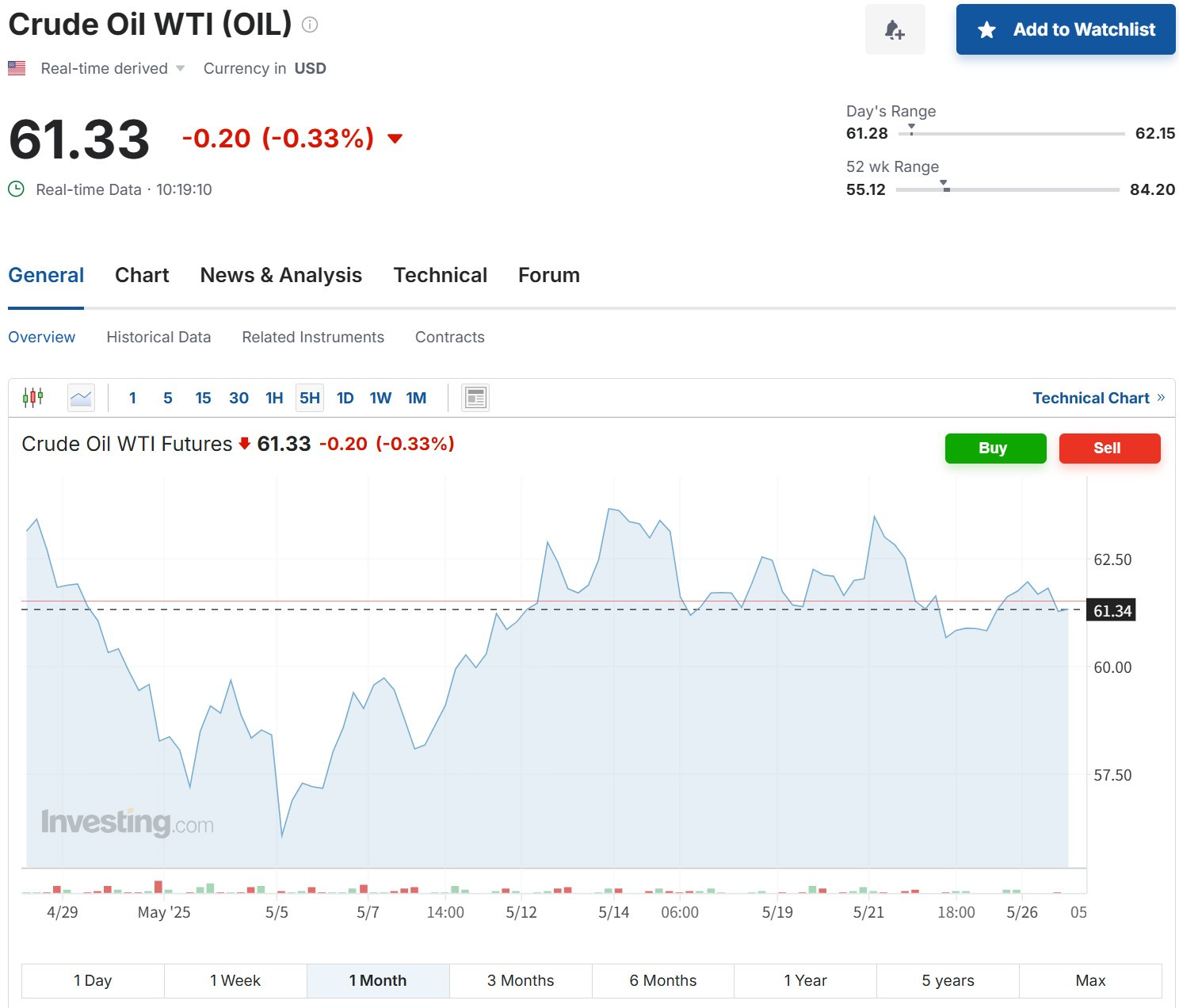
Can US Shale Survive?
Despite a 60% surge in land-based output over the past decade, US producers now confront unprecedented headwinds:
- Cost inflation: Drilling and completion expenses have risen sharply.
- Resource depletion: Prime drilling blocks are exhausted, leaving higher-cost marginal fields.
- Tariff impacts: Steel/aluminum duties have pushed rig costs up by double digits.
Industry leaders warn of a looming shakeout. One CEO called the timing “the worst for independents,” while another predicted 300,000 bpd in output cuts if prices hit $50—exceeding some OPEC members’ total production.
Supply Glut Looms
HSBC’s latest forecast paints a grim picture. Despite Brent’s recent mid-$60s stability, the bank projects a 200,000 bpd global surplus in 2025, widening to 700,000 bpd in 2026. While Saudi Arabia’s summer air-conditioning demand may absorb 400,000 bpd, seasonal factors won’t offset OPEC+’s planned output hikes.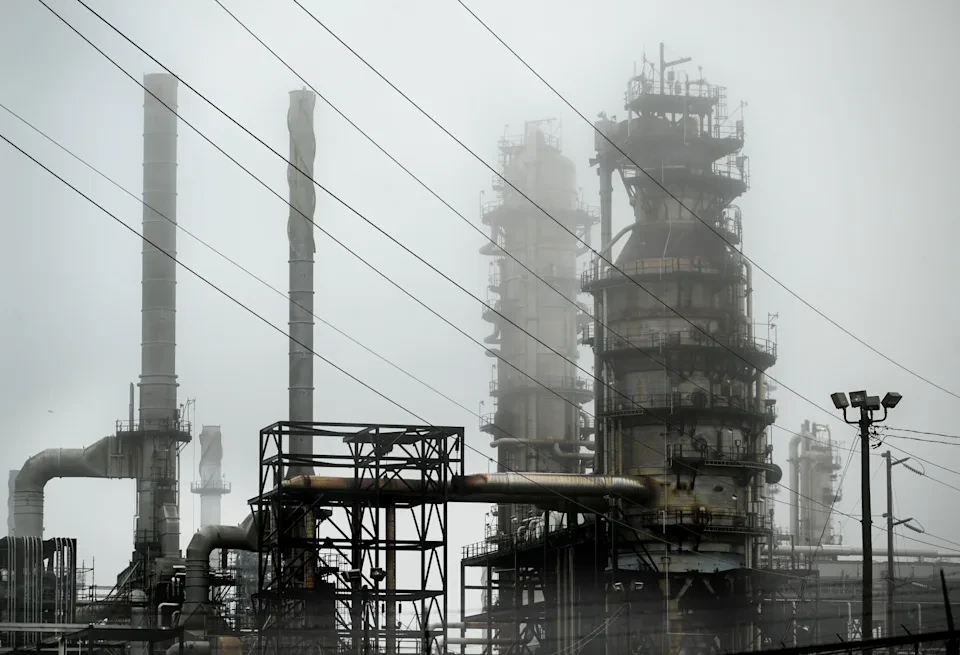
Geopolitical Wildcards
Two factors could disrupt OPEC+’s plans:
- Supply shocks: Regional unrest or Iran sanctions might spike prices, forcing OPEC+ to recalibrate.
- Trade truces: A US-China tariff pause could revive manufacturing demand and soften price declines.
Most analysts agree OPEC+ holds a rare advantage as US shale grapples with cost pressures and capital constraints.
Market Turbulence Ahead
US drillers may accelerate cost-cutting, idle rigs, or consolidate operations. Middle Eastern sovereign funds could face renewed budget strains despite record exports. Traders will monitor Asian demand shifts and US policy responses for clues.
The battle lines are drawn: OPEC+’s pricing offensive seeks not just market share but to redefine the economics of global energy—and challenge the very foundation of America’s shale revolution.
This content is provided for informational or educational purposes only and does not constitute investment advice.