
From Treasury Turmoil to Bitcoin Boom: Is the Crypto Age Dawning?

In the shadow of America’s deepening sovereign debt crisis, investors are eyeing Bitcoin as a potential new global reserve asset. With 10-year U.S. Treasury yields nearing yearly highs despite modest growth and controlled inflation, traditional confidence in U.S. debt is wavering.
As political friction strains demand, the Federal Reserve may resume large-scale bond purchases, setting the stage for unprecedented monetary expansion—and a historic opportunity for Bitcoin.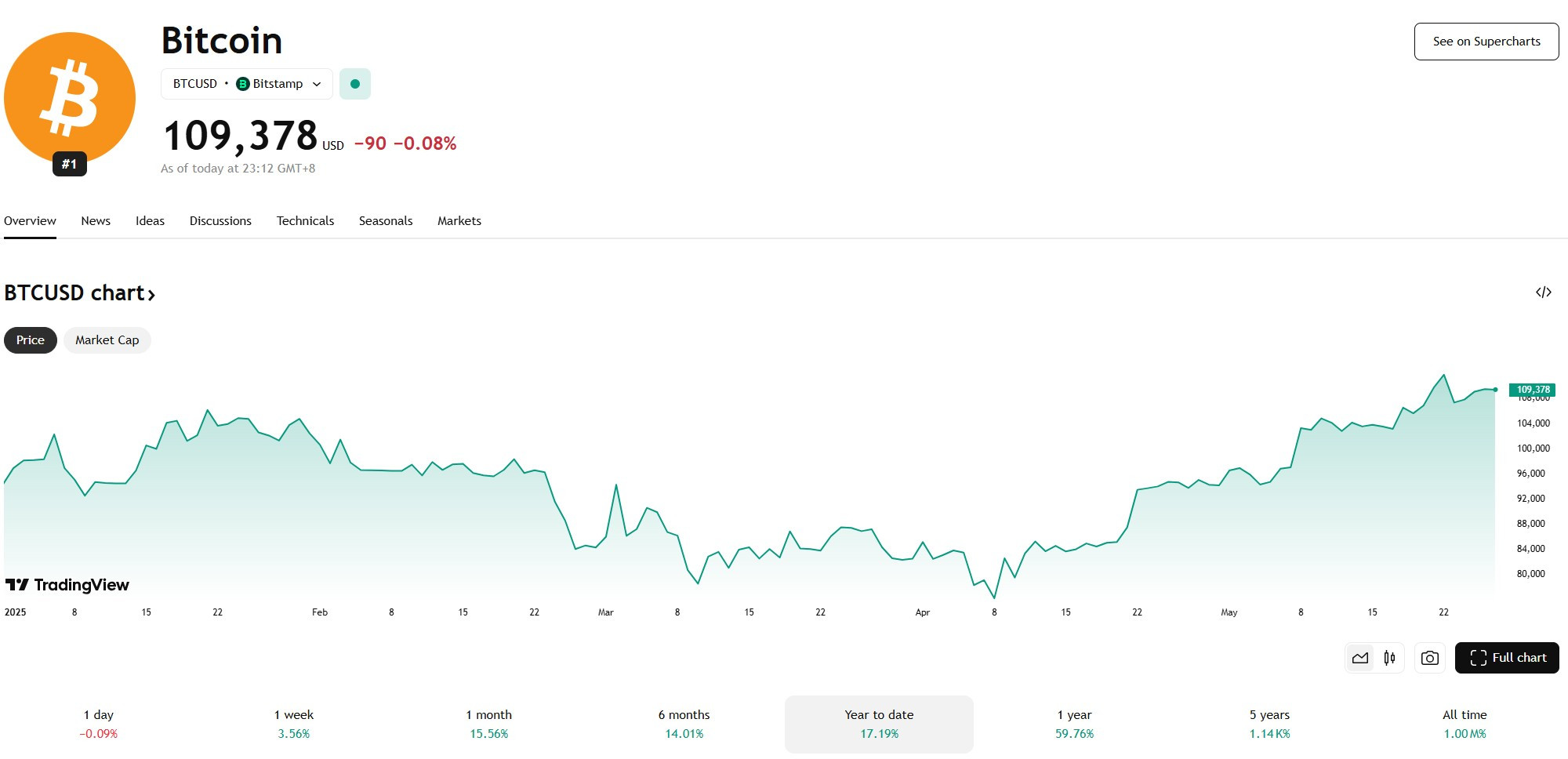
Key Takeaways
- U.S. Sovereign Debt Stress: Yields on 10-year Treasuries hit near-highs amid GDP contraction and subdued inflation, reflecting credit and fiscal concerns.
- Italy & Japan Precedents: Both nations saw central banks become “lender of last resort” by net-buying government bonds, effectively backstopping debt markets.
- Monetary Expansion Looms: To avoid a debt crisis, the U.S. Treasury and Fed may resume large bond purchases, reviving zero-interest policies.
- Bitcoin’s Scarcity Appeal: With absolute supply limits and qualities akin to gold, Bitcoin stands to benefit from an era of sustained liquidity.
- Valuation Upside: Analyst models suggest Bitcoin could reach $750,000 if it rivals gold’s market size; even bearish scenarios price it at $50,000.
- Investment Risks: Quantum computing threats and mining concentration pose long-term challenges, though current macro trends favor asymmetric upside.
What Can We Learn from Italy and Japan’s Debt Dilemmas?
Italy’s debt-to-GDP ratio was the highest among developed economies even before COVID-19, and during the pandemic the European Central Bank became its only net bond buyer. That de facto “default” rescue illustrates how a sovereign can only stave off crisis through central-bank intervention when market demand evaporates.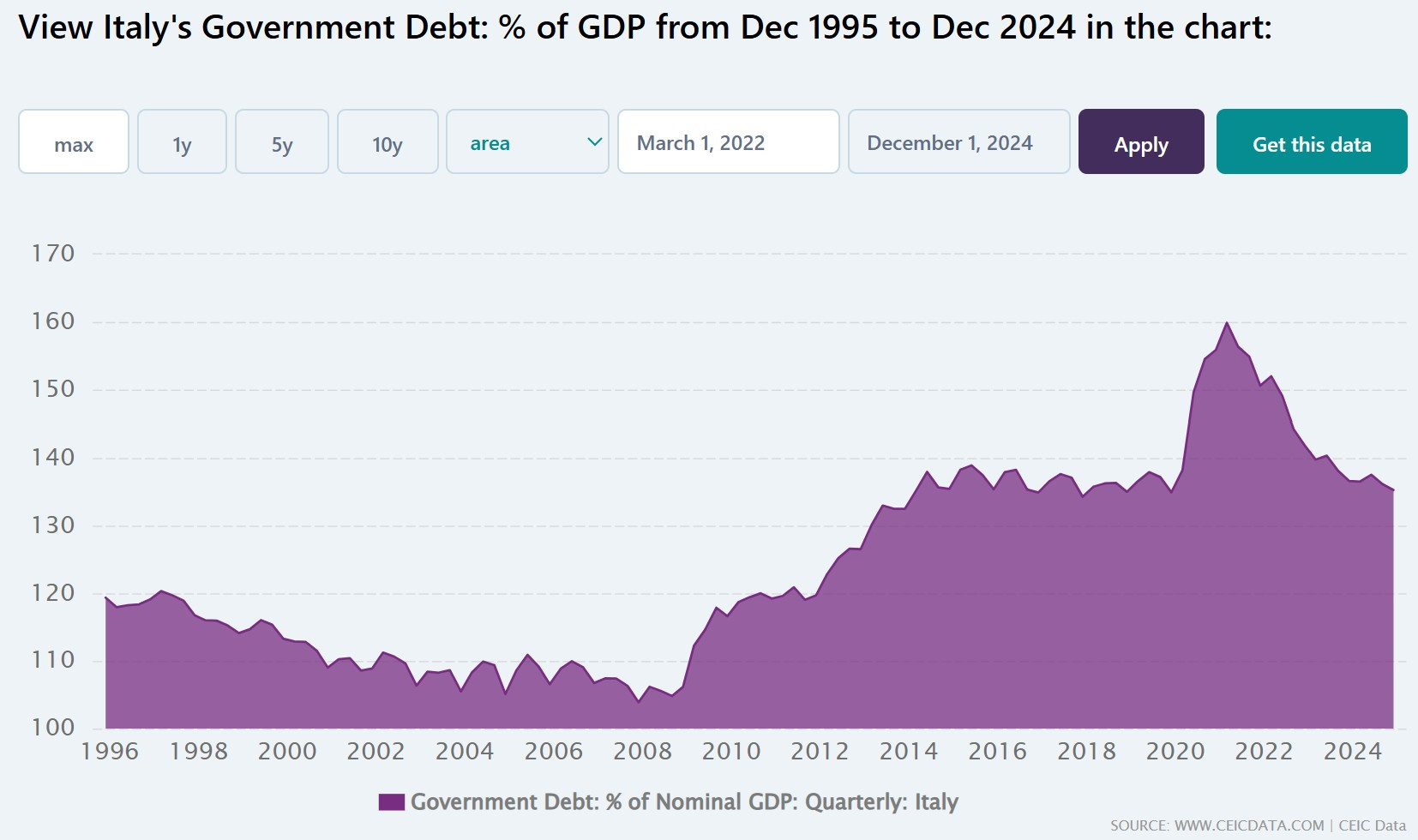
Japan’s experience is more enduring: facing demographic decline and stagnant productivity, the Bank of Japan now holds over half of outstanding government debt.
Persistent deficits and bond-buying have kept yields low, but at the cost of yen weakness and wage stagnation. These precedents suggest that America’s path may mirror theirs—sustained monetary support in lieu of fiscal reform.
U.S. Debt Dynamics and Reserve Currency Shift
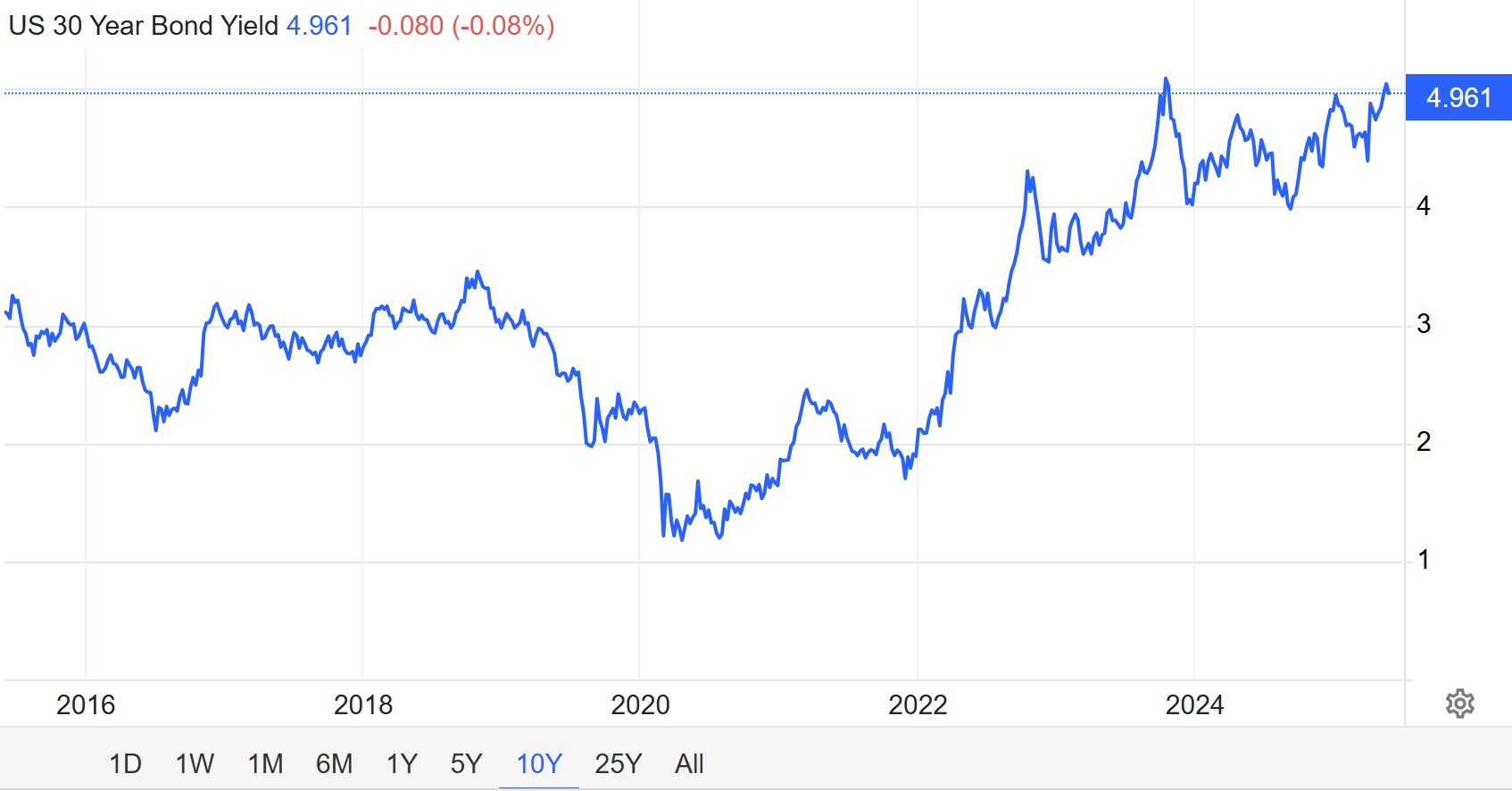
Since President Trump took office, fiscal deficits have ballooned, and trade-policy frictions have dampened foreign appetite for Treasuries. On May 21, auctions for 20- and 30-year bonds were notably weak, underscoring a brewing credit crisis. As traditional buyers retreat, Treasury issuance will likely surge, forcing domestic backstopping.
To maintain market stability, the Treasury might expand its own debt-purchase programs, while the Federal Reserve could launch a large-scale bond-buying initiative echoing Mario Draghi’s “do whatever it takes” pledge. If inflation remains contained, zero-interest-rate policies could return, unleashing fresh liquidity into the global financial system.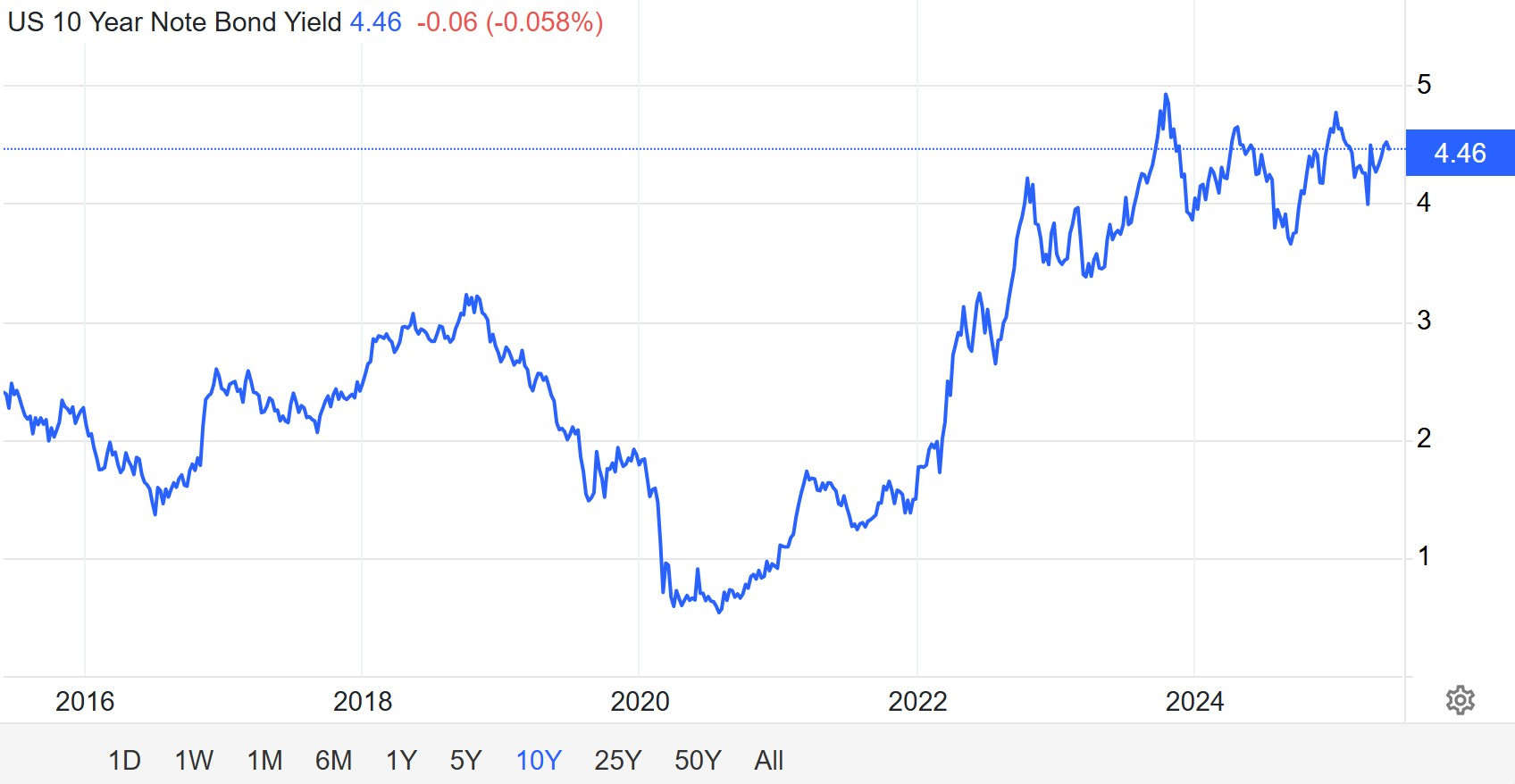
Could Bitcoin Rise as the Ultimate Hedge?
Bitcoin’s design—durability, divisibility, portability, verifiability, and fixed supply—echoes gold’s appeal but with digital advantages. Historically, its price tracks global monetary expansion: the more liquidity central banks inject, the higher Bitcoin climbs. As major economies embrace or prepare for fresh quantitative easing, Bitcoin stands to capture a disproportionate share of the incoming flow.
According to models by SeekingAlpha’s Geneva Investor, if Bitcoin attains market-cap parity with gold, each coin could be worth $750,000. Conversely, a focus on short-term trading might cap prices at $50,000.
Weighted probability scenarios yield an estimated fair value between $112,500 and $200,000 per coin, highlighting the asymmetric payoff potential.
Policy Implications and Outlook
America’s historic role as issuer of the world’s primary reserve currency has hinged on fiscal discipline and the rule of law. Yet, chronic deficits and strained trade partnerships have eroded that foundation. Permanent Treasury backstopping and renewed Fed bond buying may avert immediate disaster, but at the cost of long-term dollar strength.
For investors, this environment presents both peril and promise. Traditional “safe” assets like Treasuries may no longer offer reliable refuge.
Instead, scarce digital assets could emerge as superior hedges against currency debasement. While Bitcoin carries unique technological and regulatory risks, the macroeconomic tide of unlimited monetary expansion may usher in its golden era.
This content is provided for informational or educational purposes only and does not constitute investment advice.