
Crypto Gets a Double Boost as Vance Backs Bitcoin and Court Strikes Down Trump Tariffs

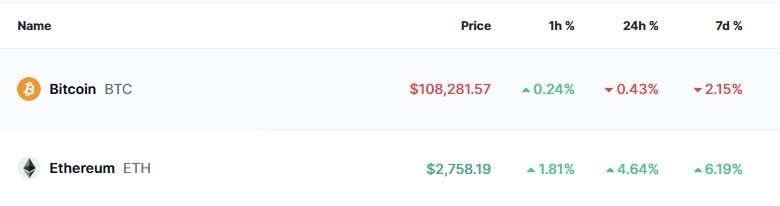
Bitcoin and Ethereum soared overnight—Bitcoin pushed past $108,000, Ethereum climbed above $2,700. Behind the surge were two major tailwinds: a historic court ruling that struck down Trump-era global tariffs, and a speech by Vice President J.D. Vance at the Bitcoin 2025 conference that delivered the clearest message yet of the new administration’s pro-crypto stance.
Together, these events sent a powerful signal: crypto is no longer on the sidelines. It’s stepping into the heart of Washington’s economic and policy agenda.
Vance Tells Bitcoin Fans This Is a Movement
At the Las Vegas conference, Vance stood in front of a packed room of Bitcoin believers and gave them exactly what they wanted to hear. “This is a movement,” he said. “And I’m proud to stand with you today.”

It was the first time a sitting U.S. vice president has ever given a keynote address at a crypto conference—and the symbolism was clear. Crypto is not a fringe idea anymore. It’s getting closer to the center of power.
Vance, a former venture capitalist, said he personally owns Bitcoin and even checked the price that morning. He called crypto a way to protect against inflation and, as he put it, “bad policymaking from Washington.”
While his speech was light on specifics, it delivered several important takeaways:
• The Trump administration sees crypto as a positive force for innovation.
• The White House backs new legislation to regulate stablecoins—a type of digital currency tied to the U.S. dollar.
Why Stablecoins Matter and What the Genius Act Could Do
Stablecoins aim to offer the best of both worlds: the speed and programmability of crypto with the price stability of traditional money. Think of them like blockchain-based dollars that don’t swing wildly like Bitcoin.
But despite their potential, the U.S. still doesn’t have a clear legal framework for how stablecoins should be issued and regulated. That’s where the Genius Act comes in.
This bill lays out rules on reserves, audits, and transparency—basically a compliance playbook for stablecoin issuers. It passed a key Senate hurdle last week, and Vance said Trump would sign it into law if it reaches his desk.
For crypto insiders, this is huge. It would mean federal-level recognition of stablecoins and offer a foundation for more mainstream use—especially in banking and cross-border payments.
US Government Loosens Grip on Crypto in Retirement Plans
Just before Vance took the stage, the U.S. Department of Labor made another quiet but important move. It withdrew a 2022 guidance that had warned companies against offering crypto in 401(k)-style retirement accounts.
That old rule made companies nervous—no one wants to be investigated for letting workers buy Bitcoin. But now, the Labor Department says investment decisions should be made by fiduciaries, not bureaucrats.
In plain English: if a financial advisor thinks crypto makes sense for a retirement plan, the government won’t get in the way.
This clears a path for more institutional involvement in crypto—and potentially billions in long-term capital flowing into digital assets.
Federal Court Overturns Trump’s Tariffs Easing Trade War Fears
Perhaps the biggest surprise came from the courtroom, not the conference.
On the same day, the U.S. Court of International Trade ruled that Trump’s global tariffs—imposed under the Emergency Powers Act—were unlawful. This undercut one of Trump’s signature economic moves and significantly eased investor concerns about another round of trade wars.
Markets took notice. The decision removed a cloud hanging over capital assets and international trade—and crypto led the rally.
In that context, the rise in Bitcoin and Ethereum wasn’t just about Vance’s speech. It reflected a broader relief rally driven by falling geopolitical risk and improving policy sentiment.
What This All Really Means for Crypto Markets
There’s more going on here than just speeches and court decisions.
What we’re seeing is a convergence of supportive signals:
• Clearer regulation is on the way
• Washington is warming up to crypto
• Big pools of institutional money (like retirement funds) may soon enter the space
• Trade-related risks just got dialed down
All of this creates a powerful tailwind for digital assets—especially Bitcoin and Ethereum.
Two Unfinished Battles That Still Matter
That said, I’m watching two unresolved issues that could shape where things go from here.
First, political support is one thing—but actual implementation depends on Congress and how aggressively the executive branch follows through. A friendly speech is not a policy until it’s enforced.
Second, Vance carefully avoided the most controversial topic in crypto regulation: securities classification. Who gets to regulate crypto—the SEC or someone else—is still very much undecided. That’s the biggest source of legal uncertainty for the industry today.
Until there’s clarity on these fronts, it’s hard to say the regulatory clouds have truly lifted.
Final Words
Crypto markets are moving fast, and the headlines may feel euphoric. But big rallies like this often reflect short-term optimism mixed with policy noise.
Yes, the momentum is real. Yes, the political tone is changing. But Bitcoin and Ethereum are still high-volatility assets, and regulatory risks haven’t disappeared.
If you’re thinking about entering or adding exposure, take a breath. Understand the risks, and watch the policy pipeline closely.