
Elon Musk Exits Trump Administration, Criticizes Spending Bill – What’s Next for Tesla and Robotaxi?

Shearing sheep
May 29, 2025
GoGPT Summarizes Articles
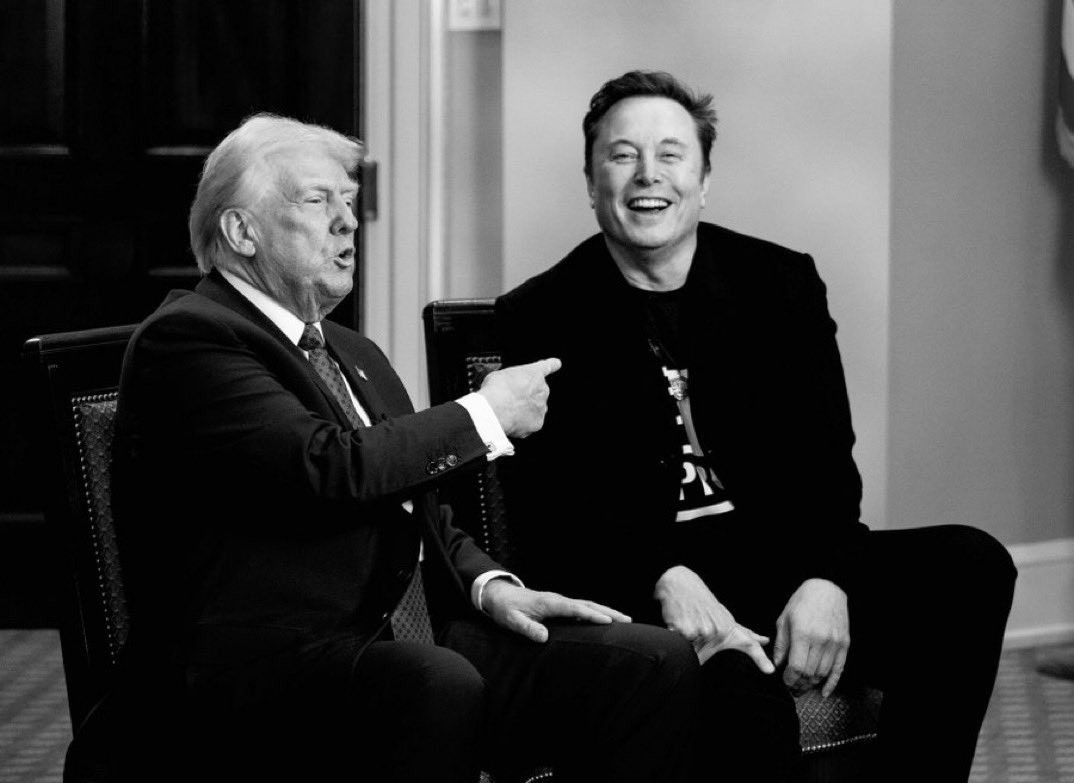
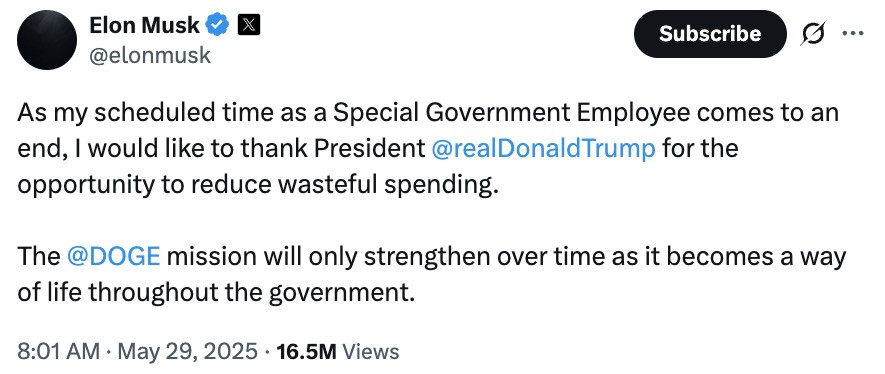
After just 130 days, Elon Musk’s unusual stint as head of the U.S. Office of Government Efficiency is coming to an end. On May 28, Musk posted on X to thank former President Donald Trump for the opportunity, saying the department’s mission to cut wasteful government spending “will only strengthen over time.”
But Musk struck a more conflicted tone in an interview the day before. He described the department as having become Washington’s “whipping boy,” lamenting that efforts to downsize the federal government triggered a stronger backlash than he anticipated.
“DOGE is just becoming the whipping boy for everything,” Musk said. “Something bad would happen anywhere, and we’d get blamed for it—even when we had nothing to do with it.”
He expressed frustration that his personal brand and companies had taken a hit, pointing to increasingly extreme acts of protest—including incidents targeting Tesla vehicles.
Still, Musk isn’t walking away entirely. He now plans to pivot toward modernizing outdated federal IT systems—a move he describes as high-impact and less politically volatile. According to him, many agencies still rely on obsolete infrastructure, with some departments resorting to inefficient workarounds like manually re-entering printed data just to complete basic digital tasks.
His new focus is on initiatives with the highest return on investment—efforts he believes are still vital to curbing fraud and inefficiency. But while Musk’s ambition to slash government waste was bold, the reality proved far more complex. With many original goals unmet and his D.C. clout fading, the mission remains more aspirational than achieved.
A Rift Over the Spending Bill
However, on May 28—just a day before stepping down—Musk publicly criticized a sweeping tax and spending bill backed by Trump that had just passed the House.
“I was disappointed to see the massive spending bill, frankly,” Musk said, “which increases the budget deficit rather than reduces it, and undermines the work the DOGE team has been doing.”
That marked a rare and public break with Trump, who hailed the legislation as “one of the Greatest and Most Important Signings in the History of our Country.” The bill includes provisions to extend Trump’s 2017 tax cuts, increase funding for border security, impose work requirements for Medicaid, and eliminate clean energy tax credits.
According to the Congressional Budget Office, the bill would add $3.8 trillion to the deficit by 2034. Musk didn’t mince words: “I think a bill can be big or it can be beautiful, but I don’t know if it can be both.”
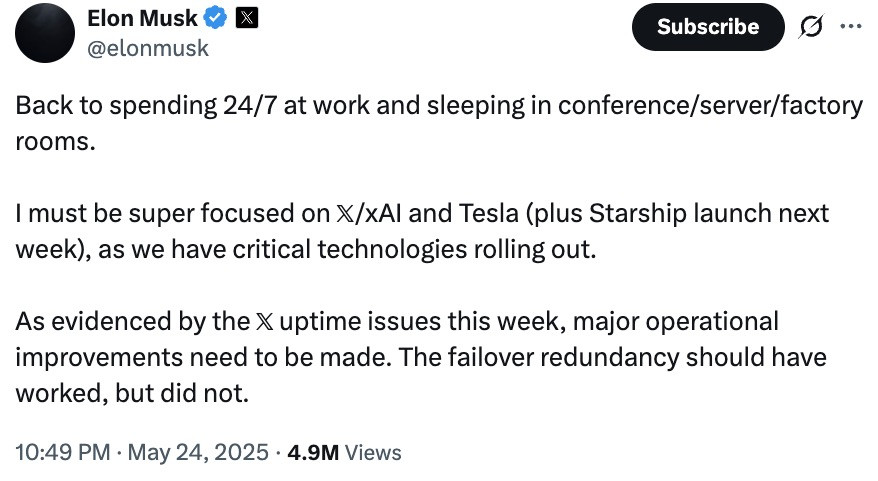
Musk’s earlier push to rein in federal spending had already sparked controversy and legal challenges—even from some within Trump’s own circle. Now, he’s signaling a broader retreat from public policy altogether. On May 24, Musk announced on X that he’s “back to spending 24/7 at work” at Tesla, X, and xAI, citing major product launches ahead.
Insiders say his time in Washington left him drained—and that political entanglements were beginning to impact his core businesses. Musk has also dramatically scaled back his political donations, a sharp shift from the nearly $300 million he poured into Republican campaigns last year. All signs point to a clear pivot: from government crusader back to tech CEO.
What’s Next for Musk
This pivot couldn’t come at a better time. Musk is now back in the driver’s seat—literally—as Tesla gears up for one of its most ambitious projects: launching robotaxis in Austin.
According to Bloomberg, fully autonomous Model Y vehicles are already being tested. No drivers. No remote control. Just a Tesla engineer riding along to monitor the ride.
The plan? Start with 10 vehicles, then scale up to 1,000 in the coming months.
Texas is a logical launchpad. As Tesla’s home state, it offers relatively relaxed rules for self-driving cars—as long as the vehicles are insured, equipped with cameras, and obey traffic laws.
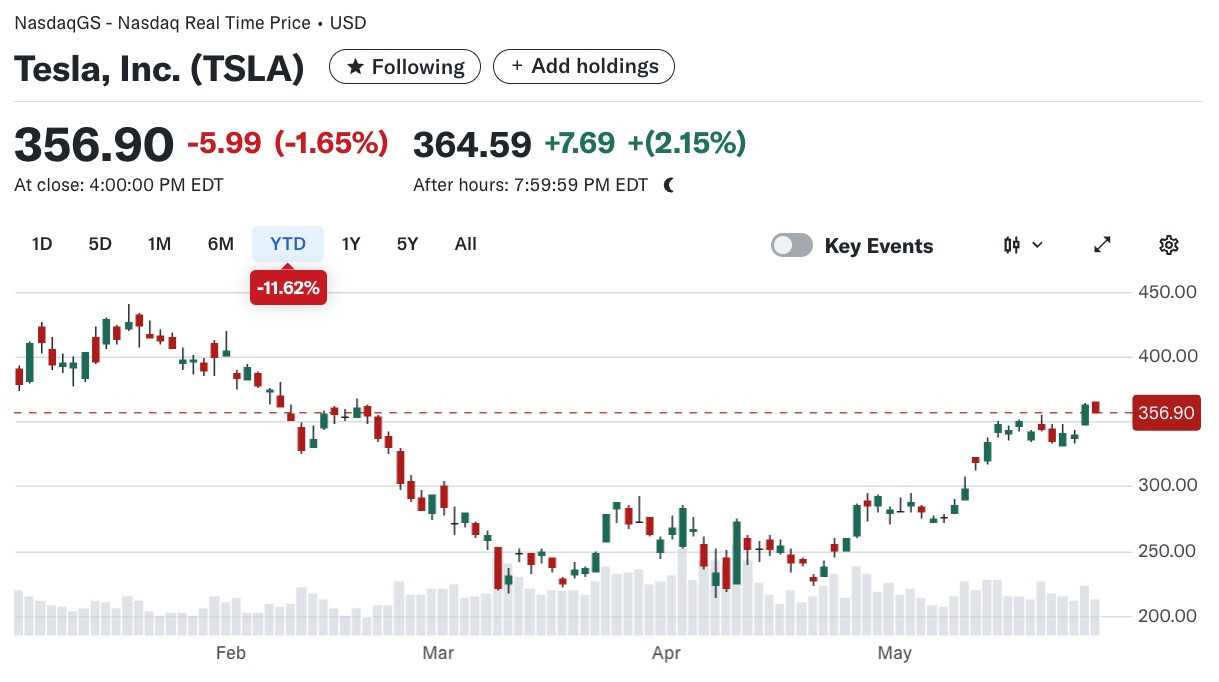
Still, markets remain cautious. Tesla ($TSLA) stock is down roughly 12% year-to-date, and while the robotaxi rollout could provide a much-needed sentiment boost, many investors are waiting for results before buying into the vision.
Final Take
Elon Musk’s short-lived government adventure ends not with a bang, but with a strategic exit and a hard pivot back to innovation. His frustrations with Washington may have boiled over, but his belief in fixing broken systems clearly hasn’t faded.
Now, he’s back doing what he does best—building futuristic tech. And the upcoming robotaxi rollout will serve as a major test, not just for Tesla, but for Musk’s broader vision of an AI-powered transportation revolution.
Whether you cheer him or critique him, one thing’s for sure: Elon Musk’s influence—political, technological, or otherwise—isn’t going away anytime soon.
#$Tesla Inc. Common Stock(TSLA)#elonmusk#tesla