
Trade Quake: How a Little-Known Court Just Derailed Trump’s Tariff War

Secretive Court Kills Trump’s Global Tariffs, Sparks Market Chaos & Legal Showdown
A powerful US trade court delivered a stunning blow to President Trump’s signature trade policy. The US Court of International Trade (CIT) permanently blocked his sweeping 10% "universal baseline tariff" on most imports, ruling he illegally overstepped presidential power.
The ruling, based on constitutional grounds, forces an immediate halt to these tariffs within 10 days unless higher courts intervene. Markets reacted instantly: stocks surged while gold plunged, but bond yields spiked in a baffling twist signaling deeper economic fears.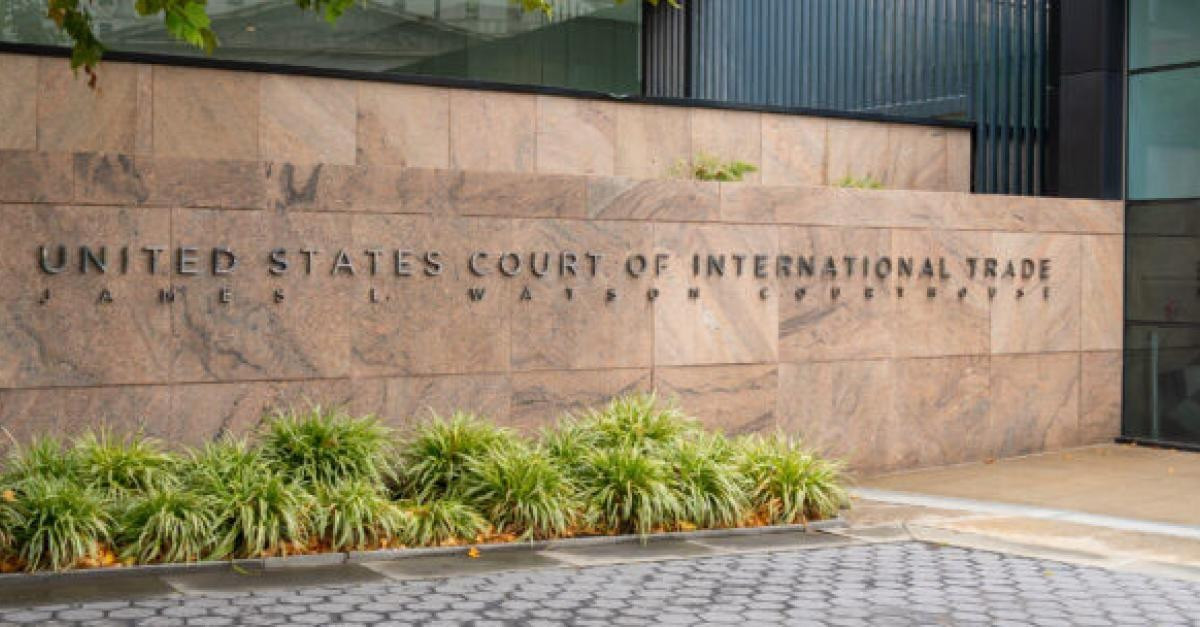
Key Takeaways: The Unvarnished Facts
1.The Ruling: The US Court of International Trade declared Trump's April 2nd tariffs, enacted under the International Emergency Economic Powers Act (IEEPA), illegal and unconstitutional.
2.The Reason: The court ruled regulating foreign commerce is Congress's exclusive power. Trump's use of IEEPA for trade deficits exceeded his authority and violated the separation of powers. Trade deficits aren't a valid "national emergency" under IEEPA.
3.The Plaintiffs: The case was brought by five US businesses and thirteen US states, arguing the tariffs harmed their operations.
4.The Immediate Effect: The court issued a permanent nationwide injunction. The government has 10 days to formally stop enforcing the tariffs.
5.The Tariffs Affected: The blocked tariffs are the universal 10% "baseline tariff" and the proposed "reciprocal" or "mirror" tariffs targeting countries with US trade surpluses. Other existing tariffs (like those on steel/aluminum under Section 232) remain unaffected.
6.Government Response: The Trump administration immediately announced plans to appeal to the Federal Circuit and potentially the Supreme Court. The White House vowed to use "every lever" of executive power to fight back.
7.Market Reaction: Stock futures (DJIA, S&P 500, Nasdaq) jumped sharply. Gold prices fell rapidly. The US Dollar strengthened. However, US Treasury yields (10-year and 2-year) rose significantly.
8.Administration's Next Moves (Per Sources): High Goldman Sachs analysis indicates the administration is likely to pursue alternative legal avenues quickly, primarily Section 122 of the Trade Act of 1974, to re-impose similar tariffs temporarily. Other options include Sections 301, 232, and 338.
The Legal Knockout Punch: Why the Court Said No
The CIT's ruling was a forceful rebuke of presidential overreach. The three-judge panel, including appointees from Reagan, Obama, and Trump himself, unanimously agreed Trump crossed a bright constitutional line. They emphasized Congress alone holds the power to regulate trade and levy tariffs.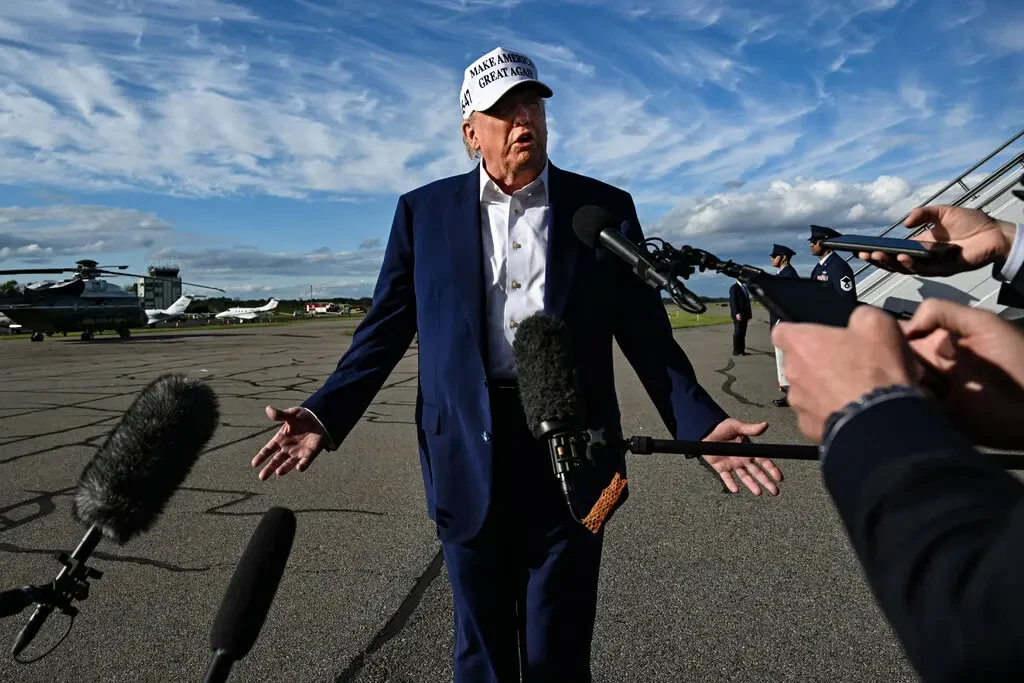
Using IEEPA for longstanding trade deficits was a clear misuse of emergency powers intended for genuine national security crises. This landmark decision sets a crucial precedent limiting future presidents' ability to unilaterally impose broad tariffs.
Market Mayhem: Relief, Confusion & Hidden Fear
The initial market reaction was pure relief. Equity futures soared globally. The threat of sweeping new costs lifting inflation and disrupting supply chains seemed to vanish.
Gold, a safe haven, tumbled as risk appetite returned. Yet, the surge in Treasury yields told a different story. This counterintuitive move signaled deep investor anxiety.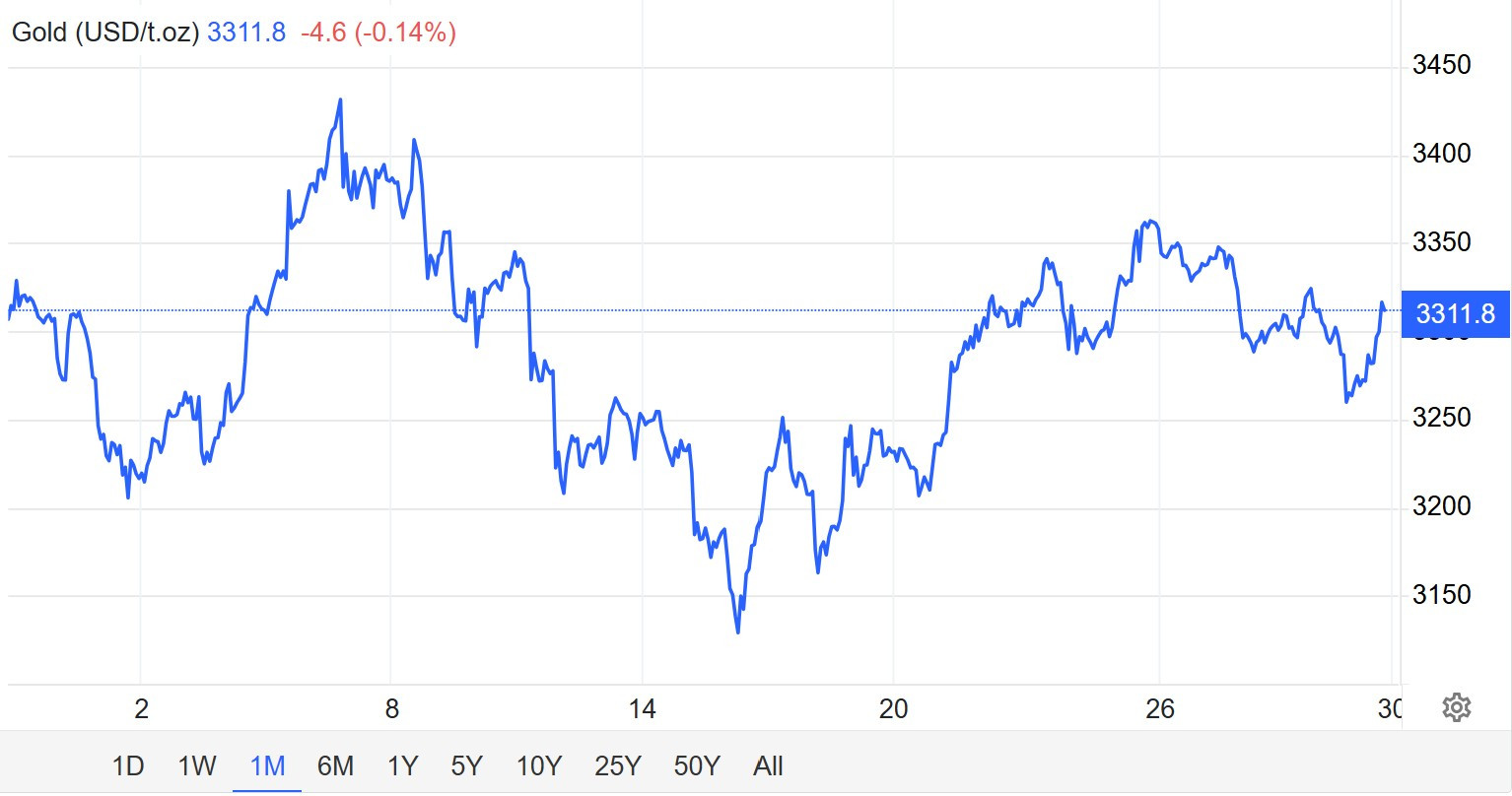
The ruling exposed chaotic US economic governance. It raised fears about lost tariff revenue worsening the massive US deficit and debt burden. Investors saw a government where key branches work against each other.
Bond Markets' Baffling Rebellion: Why Yields Rose
Logic suggested dropping tariffs would ease inflation pressures and support bonds. So why did yields spike? Analysts pinpointed a crisis of confidence. The court blocking tariffs via judicial power highlighted dysfunctional economic policy coordination.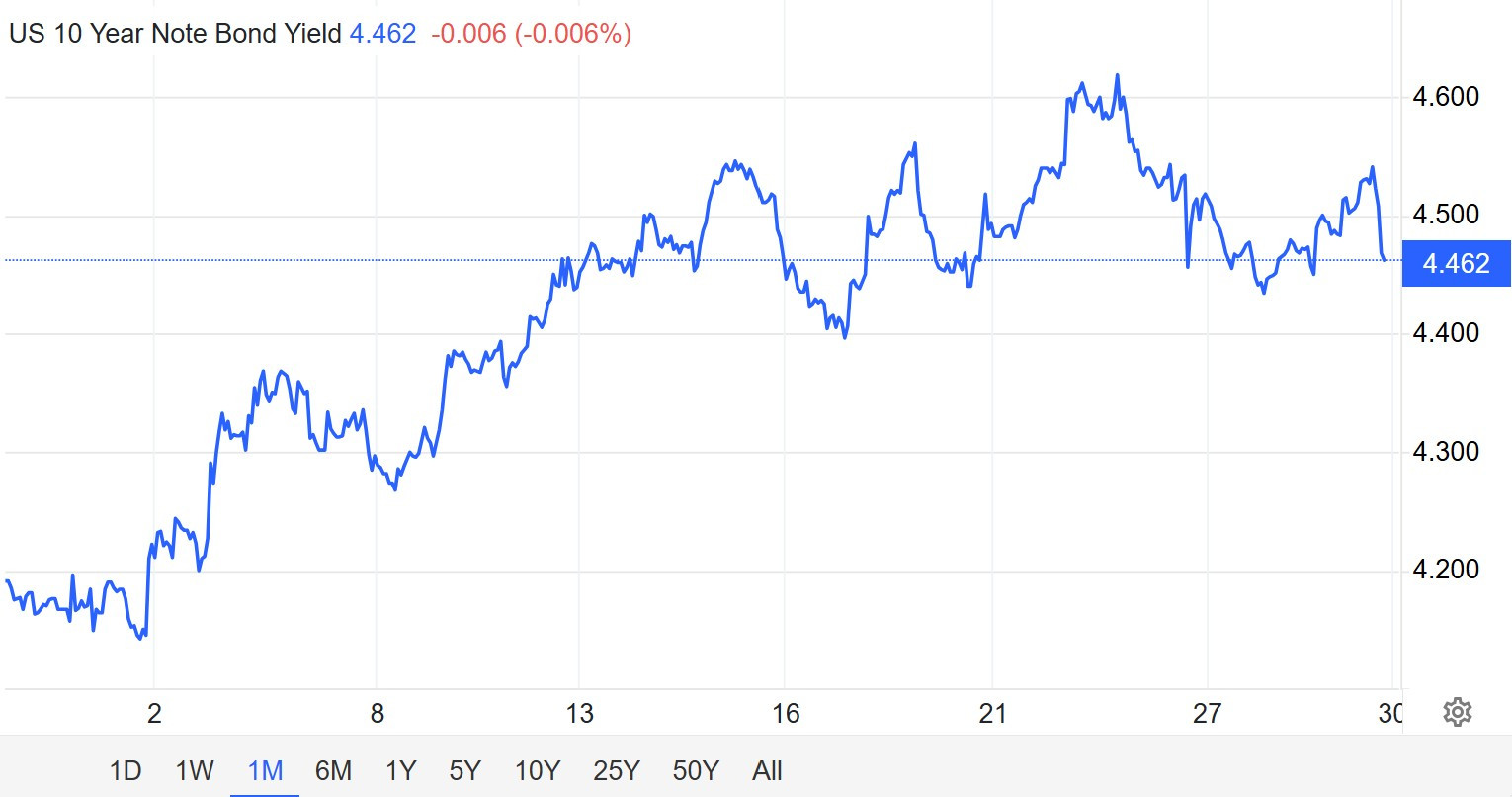
It wasn't about tariffs anymore; it was about systemic fragility. Fears grew that lost tariff revenue would balloon the already unsustainable US deficit. Major bond buyers (foreign governments, the Fed via QT) are already retreating. This ruling added fuel to concerns about America's ability to manage its debt.
Trump's "Plan B": The Four Paths Around the Ruling
Defeated but not deterred, the Trump team has legal workarounds. High Goldman Sachs and administration officials outlined four primary options:
Section 122 (The Quick Fix): Allows rapid imposition of tariffs (up to 15%) to fix a "balance of payments deficit" or stop "dollar depreciation." No lengthy investigation needed. The big catch? Tariffs last only 150 days, needing Congressional approval to extend. It's a potential short-term patch within days.
Section 301 (The Targeted Hammer): Empowers the USTR to investigate "unfair" trade practices by specific countries. If found, tariffs can be imposed (even over 100%). This is Trump's preferred tool but takes months (12-18+) for investigations. It targets countries, not a universal tariff.
Section 232 (The National Security Card): Justifies tariffs if imports threaten national security (used for steel/aluminum). Ongoing probes cover chips, pharma, lumber. Legally robust but investigations take ~9 months. Future tariffs would likely be sector-specific, not universal.
Section 338 (The Forgotten Weapon): Permits tariffs (up to 50%) on countries discriminating against US trade. Requires no formal investigation but is untested in modern times and caps the tariff rate.
Constitutional Fault Line: Power vs. Congress
This case strikes at the core of the US system: who controls trade? The CIT firmly upheld Congress's constitutional supremacy. Allowing a president unlimited tariff power via IEEPA, the court argued, would destroy the separation of powers.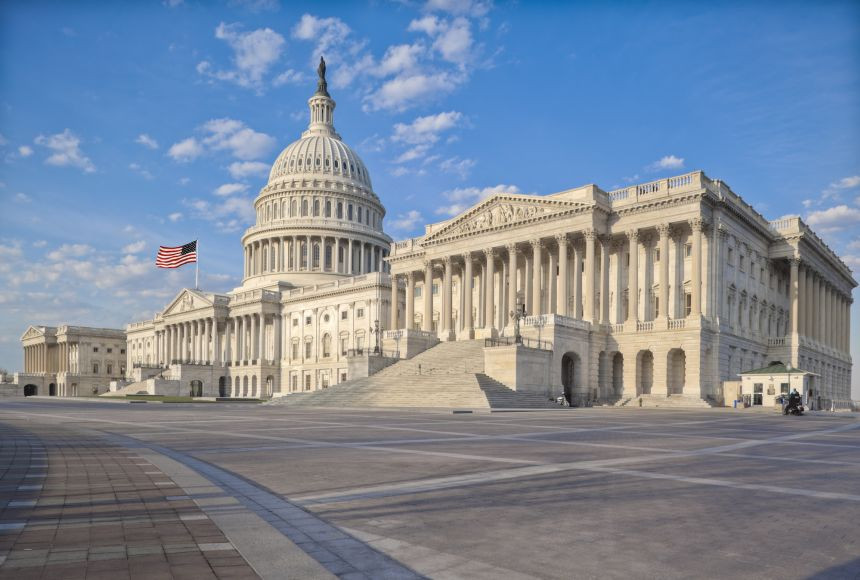
This ruling doesn't just block a tariff; it reasserts fundamental checks and balances. It challenges decades of expanding executive authority in trade, setting up a potential Supreme Court showdown over presidential power limits.
Global Chessboard: Winners, Losers & Stalled Games
The ruling throws global trade talks into disarray. Trump used the threat of universal tariffs as his biggest bargaining chip. With that weapon potentially holstered by courts, countries like the EU, Japan, and India gain leverage. They might stall talks, waiting for US legal battles to conclude.
Businesses relying on imports breathe easier short-term. However, US sectors previously protected by the tariff umbrella (like some steel or agriculture) face new uncertainty. Long-term supply chain planning remains fraught.
What Happens Next: Appeals, Angst & Alternatives
The legal battle escalates immediately. Trump's appeal heads to the Federal Circuit Court. A stay request to halt the injunction is likely imminent. The Supreme Court may ultimately decide this constitutional clash.
Politically, the White House is furious, attacking the judiciary. Economically, markets face prolonged uncertainty. While the administration scrambles for alternatives like Section 122, none offer the same speed and breadth as the defunct IEEPA approach. The era of instant, universal tariff threats may be over.
Global Trade at a Crossroads
The CIT ruling is more than a tariff story. It's a seismic event in US governance and global economic relations. It curtails unilateral presidential trade power, injects massive uncertainty into ongoing negotiations, and exposes deep market anxieties about US fiscal health.
Whether through appeal or alternative laws, Trump will push back hard. But the genie of constrained executive power on trade is out of the bottle. The path forward is fraught with legal challenges, market volatility, and a fundamental reshaping of how America wages trade wars.
The world is watching – and recalculating.
This content is provided for informational or educational purposes only and does not constitute investment advice.