
Why Are Stablecoins Skyrocketing Now?

Hong Kong’s Legislative Council has just passed its long-awaited Stablecoin Regulation Bill, setting the stage for compliant issuers to launch before year-end. In New York, the U.S. Senate advanced the GENIUS Act with a decisive 66–32 procedural vote. Equities tied to digital finance have rallied on both sides of the Pacific.
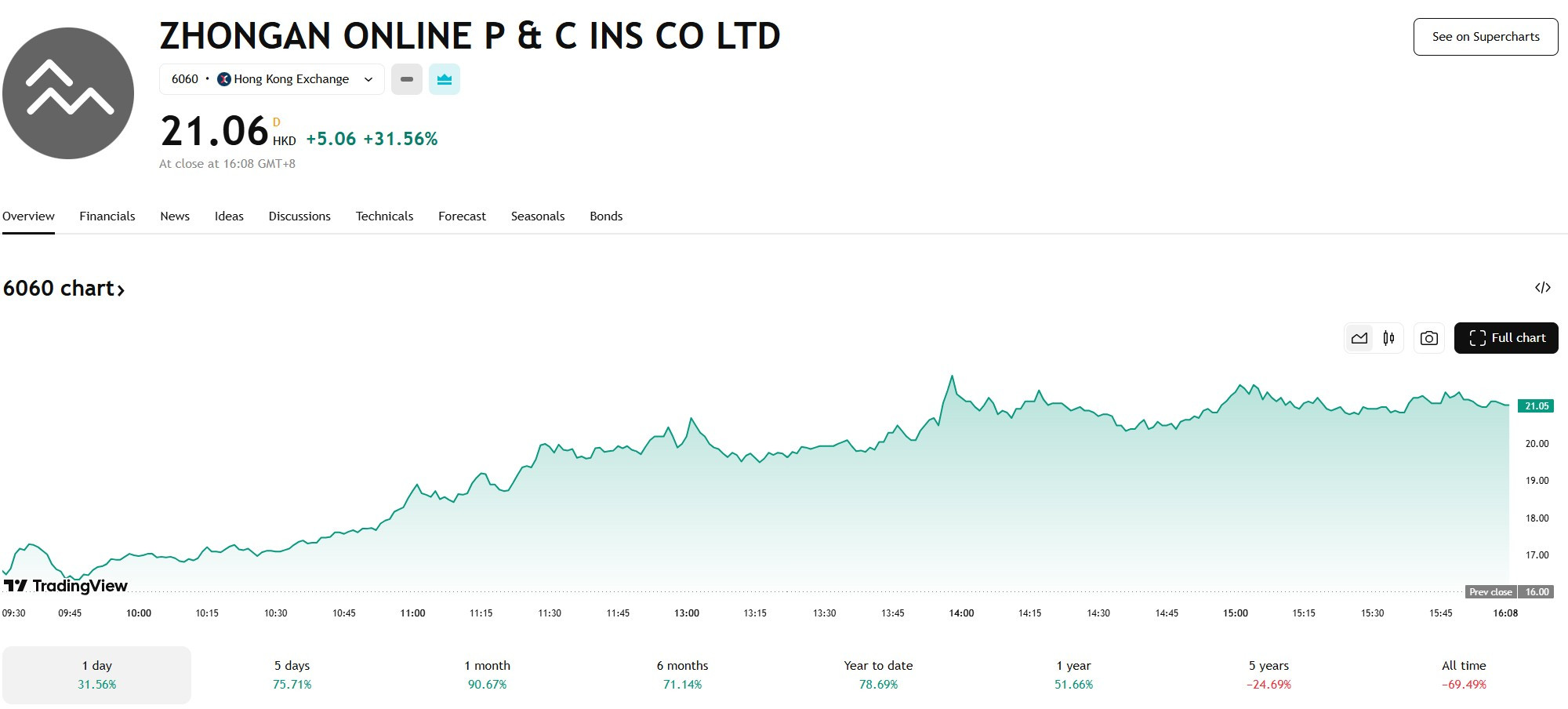
These regulatory milestones underpin a fresh wave of investor enthusiasm. Shares of LianLian Digital (02598.HK) spiked over 40%, while ZhongAn Online (06060.HK) surged 35%. A-share “digital currency” names also lit up, with several locking in 20% daily gains.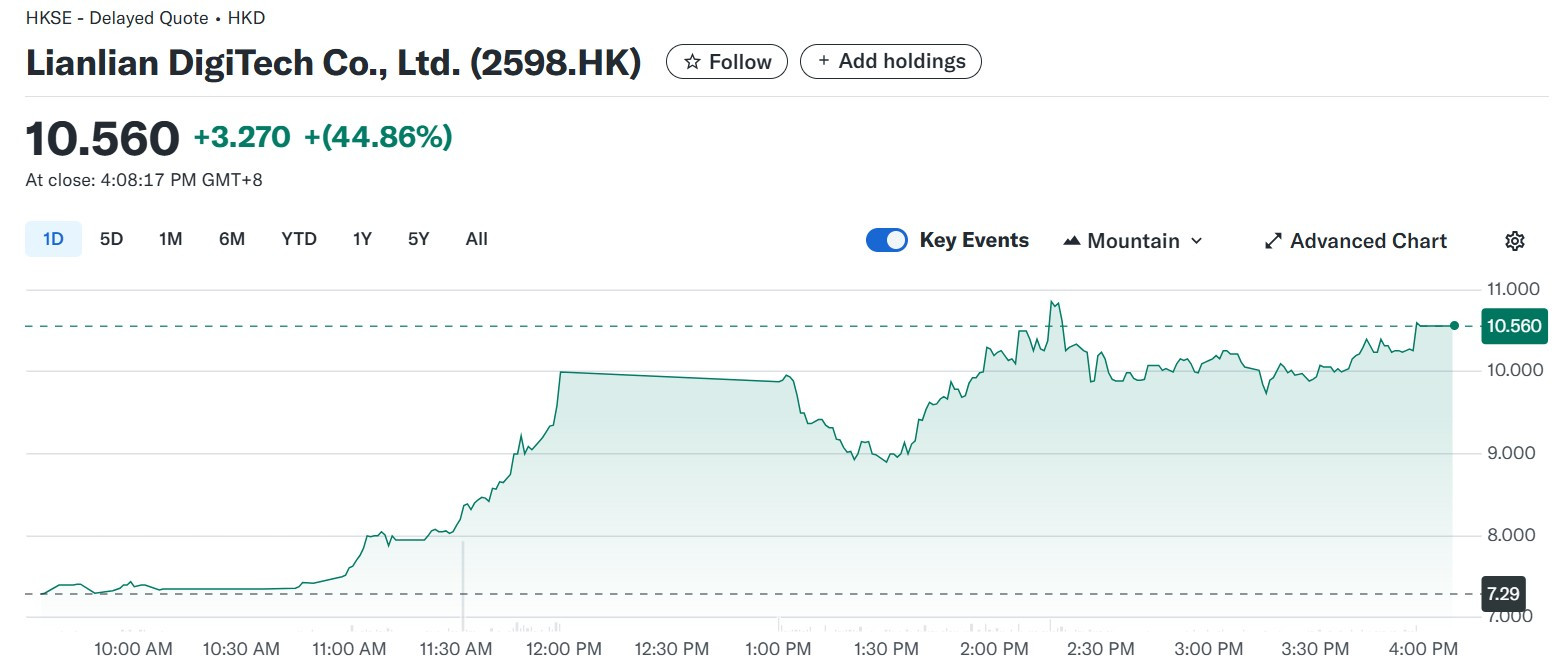
Analysts believe that clear rules will unlock trillions in cross-border payments, eroding legacy systems’ high costs and political risks. Stablecoins, once a niche crypto tool, now sit at the crossroads of global finance and policymaking.
Understanding the Mechanics: What Makes a Stablecoin Tick?
At its core, a stablecoin is a token pegged 1:1 to a fiat currency or basket of assets. Issuers—typically private firms—hold reserves in cash, bonds, precious metals or even crypto to back every coin in circulation.
These tokens live on distributed ledgers, granting users the benefits of blockchain: immutability, limited anonymity and resistance to censorship. Holders can redeem tokens on demand for the underlying collateral, ensuring that supply cannot outpace reserves.
By diversifying reserves, issuers can offset volatility in any single asset. When U.S. dollar holdings wobble, a mix that includes short-term Treasuries or gold cushions the peg and bolsters confidence.
Originally conceived to tame Bitcoin’s wild swings, stablecoins like Tether (USDT) launched in 2014 as dollar proxies on-chain. Today, they bridge traditional finance and decentralized networks, facilitating instant, low-cost global transfers.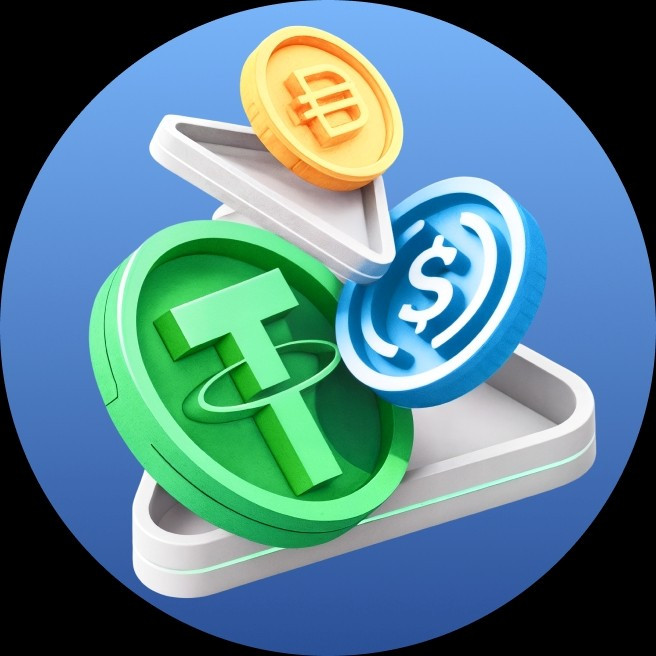
Regulatory Shifts: How Is Hong Kong Leading the Way?
Hong Kong’s new ordinance establishes a licensing regime for issuers of fiat-backed tokens. The first batch of sandbox participants—such as RoundCoin Innovation—can now partner with local banks to issue on Ethereum.
LianLian Digital’s parent, LianLian Pay Global, is teaming with RoundCoin to pilot HKDR, a Hong Kong dollar-pegged token. Its subsidiary DFX Labs recently secured a virtual asset trading licence, marking one of the city’s earliest formal crypto approvals.
Policymakers aim to strike a balance: safeguard financial stability while nurturing innovation. Clear guidelines on capital, auditing and custody promise to attract compliant issuers and institutional users alike.
Market Reaction: Price Surges in Hong Kong and Beyond
Investors wasted no time. LianLian Digital’s stock leapt from HKD 7.29 on May 28 to HKD 10.26 by market close on May 29. ZhongAn Online’s rally pushed it above HKD 20, climaxing a five-day gain north of 70%.
Mainland China’s digital-asset names followed suit. Langxin Group, Xiongdi Technology and Sifang Precision each hit 20% limit-ups, reflecting optimism that stablecoin rails will bolster cross-border trade finance.
Major U.S. players also stand to gain. Circle’s forthcoming IPO (CRCL.US) could top $600 million, while Coinbase (COIN.US) prepares for a compliance-driven growth spurt in custody and DeFi services.
Looking Ahead: The Global Stablecoin Race
With Hong Kong and Washington racing to set standards, stablecoins are morphing into strategic tools of financial diplomacy. The U.S. seeks to cement dollar dominance, while Asian hubs vie for regional clearinghouse status.
For corporates, stablecoins promise faster settlement and lower FX costs versus SWIFT. Blockchain-native collateral transparency may reshape trade-finance risk models, enabling real-time oversight of payment flows.
Yet hurdles remain. Cross-jurisdictional cooperation on AML/KYC, cybersecurity and consumer protection will be critical. Market fragmentation could breed inefficiencies unless frameworks converge globally.
Beyond payments, stablecoins may fuel a new wave of tokenized real-world assets. As on-chain yield opportunities multiply, investors could gain exposure to real estate, commodities or infrastructure via programmable money.
In this unfolding “stablecoin arms race,” successful hubs will blend robust regulation, deep liquidity and cutting-edge infrastructure. The next chapter of digital finance is being written now—will your organization be on the winning side?
This content is provided for informational or educational purposes only and does not constitute investment advice.