
Musk Tried to Hijack OpenAI’s Big Middle East AI Deal but Lost the Game

At first glance, it looked like a big international business win for OpenAI. But behind the scenes, it was actually a messy fight between Elon Musk and Sam Altman, with the U.S. government caught in the middle. And at the heart of it all was one of the world’s largest AI infrastructure deals, set in the oil-rich deserts of the UAE.
OpenAI Lands a Massive AI Deal in the UAE
On May 22, OpenAI and a group of American tech giants announced they would build one of the world’s largest AI data center clusters in Abu Dhabi. The project, named “Stargate UAE,” includes partners like Oracle, Nvidia, Cisco, and SoftBank. Together, they’re building a five-gigawatt AI compute hub—bigger than any single AI site in the U.S.
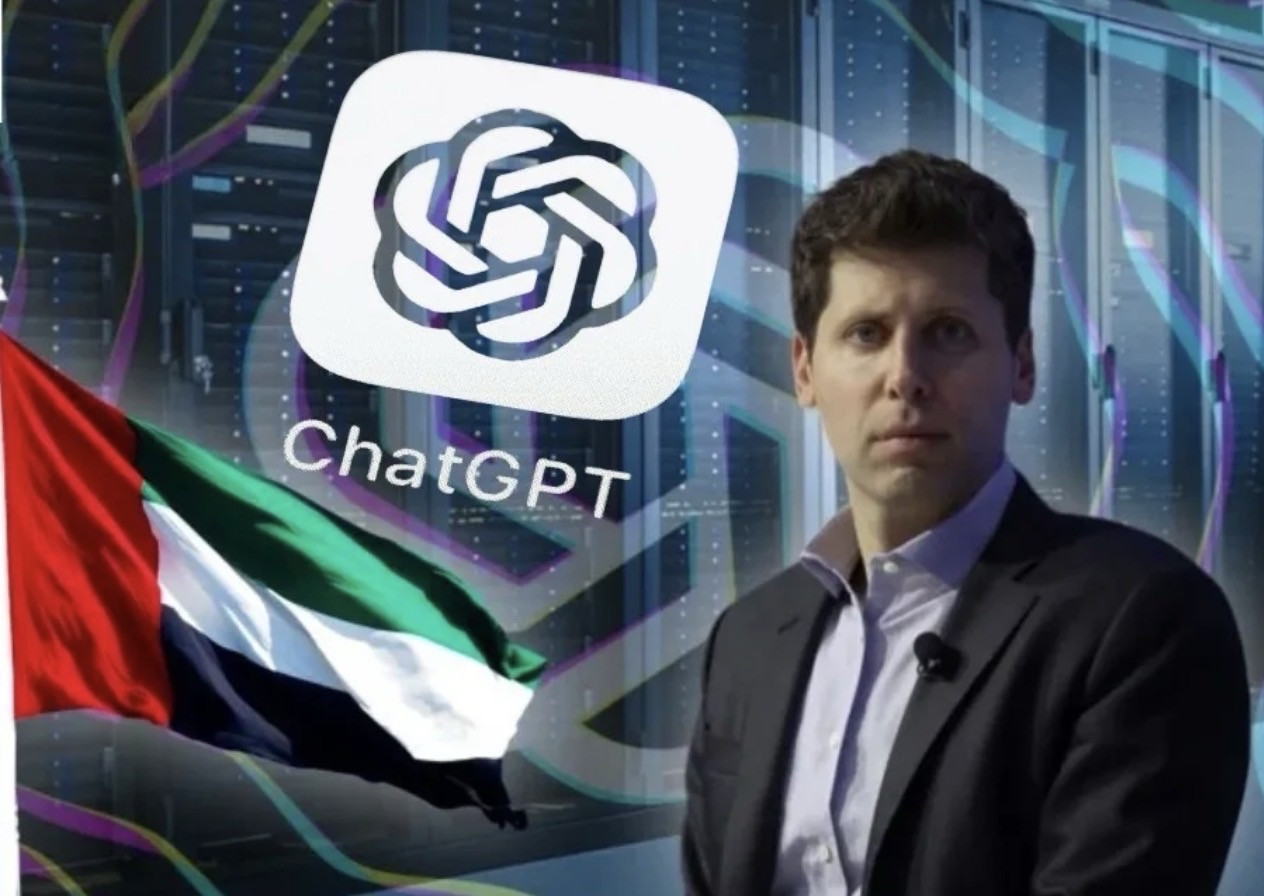
The local partner is G42, a powerful AI firm controlled by Sheikh Tahnoon bin Zayed, the UAE’s national security advisor and brother of the country’s president. The UAE is betting big on AI as a way to move beyond oil. But to run powerful AI models, you need chips—lots of them. And under U.S. export controls, getting access to Nvidia’s top AI chips isn’t easy.
So G42 made a deal: they’d pay for building the UAE site, and in exchange, they’d invest in a similarly large AI center inside the U.S. That opened the door for U.S. regulators to green-light up to 500,000 high-end chips for export each year—normally restricted to prevent misuse or military applications.
That’s how OpenAI ended up leading the most ambitious AI project ever announced in the Middle East.
Musk Tried to Force His Way In
But just before the deal went public, Elon Musk found out what was happening—and was furious.
Sources say Musk immediately got on a call with G42 executives and warned them that the deal wouldn’t get approved by President Trump unless his own AI company, xAI, was included.
Musk had just learned that Sam Altman was part of the official U.S. delegation traveling to the Gulf, and he rushed to join the trip himself. He showed up in Saudi Arabia with Trump, hoping to influence the outcome. But despite the pressure, the White House decided to move forward without xAI.
According to people familiar with the discussions, Musk’s objections were personal. He didn’t want to see Altman and OpenAI scoring another major win.
Musk and Altman Have Been at War for Years
Their feud isn’t new.
Musk co-founded OpenAI with Altman in 2015, but left in 2018 after a power struggle. Since then, he’s become one of the company’s loudest critics—accusing it of betraying its nonprofit mission, suing Altman, and openly calling him names like “Swindly Sam.”
In 2023, Musk launched his own AI startup, xAI, to compete with OpenAI’s ChatGPT. But while ChatGPT has become a global phenomenon, xAI is still playing catch-up in terms of both users and product traction.
So when Altman landed the UAE deal, Musk saw red. He tried to stop it, or at least get himself included. But this time, it didn’t work.
Why the UAE Is Betting Everything on AI
The UAE has a clear reason for making this move. They know their oil won’t last forever, and they want to build the infrastructure for a post-oil economy.
That’s why they’re pouring billions into AI—and not just software. They’re building data centers, buying hardware, and bringing in top-tier partners. But because of U.S. export controls, they can’t buy Nvidia’s cutting-edge chips directly.
So they’ve been lobbying hard. In March, Sheikh Tahnoon visited the White House. Soon after, the U.S. gave conditional approval for the deal and agreed to ease chip restrictions—so long as the investment also supported U.S. projects and companies.
This is a classic chips-for-influence exchange. The UAE gets the AI power it wants. U.S. firms get huge new markets and investment. And Washington gets to control where American AI tech goes.
Musk Is Still in the Game
Despite losing this round, Musk isn’t out of the picture.
His company xAI was already backed by G42, which invested $6 billion in its last funding round. And under the framework of the UAE deal, xAI is still on the shortlist of companies eligible to receive a large chunk of those 500,000 annual chips.
Musk has also built strong political ties with Trump, spending over $300 million to support his re-election. That connection helped him gain influence over U.S. tech and AI policy—and it’s likely he’ll try again to steer future deals.
For now, though, OpenAI has the upper hand. Stargate UAE is their biggest overseas win yet. But in the fast-moving world of global AI, nothing stays still for long.
The race is on. And Musk is never far behind.