
Powell and Trump Finally Meet, Here’s What It Means for Markets

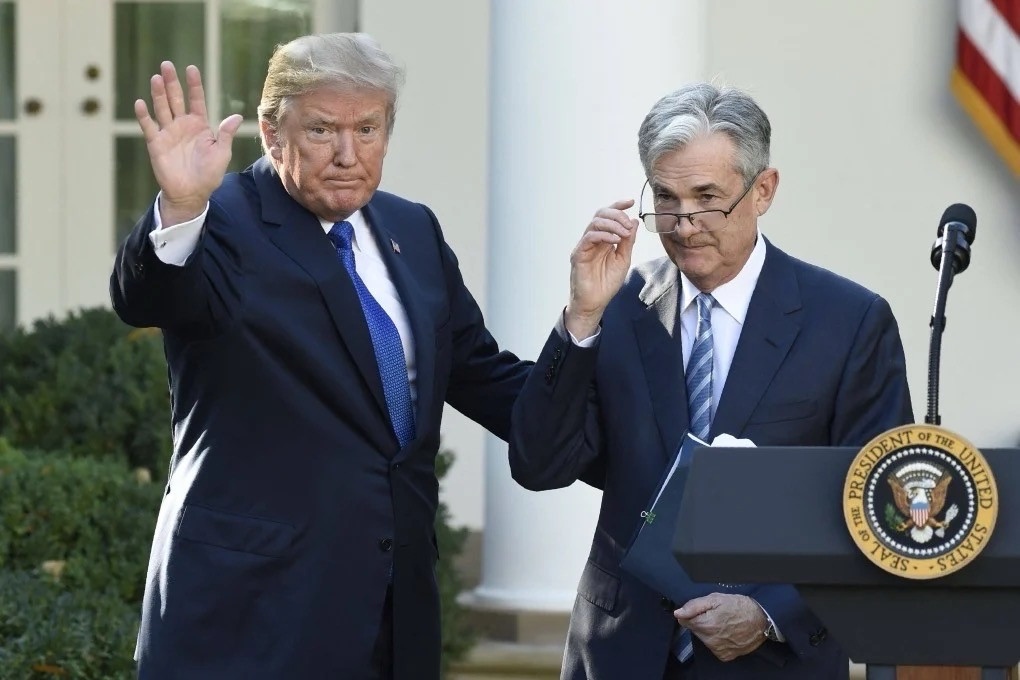
On Thursday, Federal Reserve Chair Jerome Powell and former President Donald Trump sat down for their first face-to-face meeting since Powell started his current term. Many expected some market-moving news, but instead, it felt like they were just talking past each other.
Trump Wants Lower Interest Rates But Powell Sticks to His Guns
Trump used the meeting to push Powell hard on cutting interest rates. He thinks the Fed’s current rates are too high, putting the U.S. at a disadvantage compared to countries like China and Europe. The White House confirmed Trump’s been very vocal about this, both publicly and now privately.
A quick explanation: The Federal Reserve controls the federal funds rate, which is like the price of borrowing money between banks. When rates go down, it’s cheaper for people and businesses to borrow, which can boost spending and economic growth. Raising rates usually cools things down to prevent inflation from running wild.
Powell, however, made it clear that the Fed’s decisions will be based on actual economic data—not political pressure. He said they’ll keep a close eye on incoming info before deciding what to do next.
The Meeting Felt Awkward and Neither Seemed Too Eager
Trump hasn’t been shy about criticizing Powell, even calling him “Too Late Powell” for not cutting rates faster. Economists warn that such public pressure on the Fed can backfire by making markets nervous.
Right now, most investors understand that the Fed wants to see how Trump’s trade policies, especially tariffs on China, actually impact the economy before changing rates.
The situation is still messy. A court recently struck down most of those tariffs, but an appeals court allowed them to stay in place temporarily. This back-and-forth keeps everyone guessing.
Who Really Wanted to Meet? Probably Neither Side
A former Fed economist said this meeting was more or less unavoidable after Powell was asked why he hadn’t met Trump earlier this year. Powell explained he never asks for meetings; it’s always the other way around.
So the White House invited Powell, probably to show some control. The economist suspects neither party was too excited about the sit-down.
Trump Sees Interest Rates as a Weapon in Trade Battles
Some experts say Trump views interest rates as a tool to gain an edge against other countries. Lower rates mean cheaper loans for American businesses, potentially boosting their global competitiveness.
But the Fed’s job is to keep the overall economy stable and inflation in check—not to play economic politics.
What This Means for Investors
From where I stand, this meeting won’t change much on the markets. Investors care more about real data like jobs, inflation, and trade developments than political showdowns.
The Fed has held rates steady around 4.25% to 4.5%, signaling caution amid economic uncertainty. Until trade policies, especially tariffs, become clearer, the Fed is unlikely to make big moves.
Watching economic indicators and trade talks is the real key to understanding where markets are headed.