
Tonight US PCE Preview

Tonight, the U.S. Bureau of Economic Analysis will release the Personal Consumption Expenditure data, or PCE for short. This report is one of the Federal Reserve’s favorite ways to track inflation — basically, how fast prices are rising in everyday spending. Right now, most experts expect April’s data to show moderate inflation, nothing too wild. But there’s more going on beneath the surface, especially when it comes to tariffs and how people are spending.
Why PCE Matters More Than You Think
You’ve probably heard of the Consumer Price Index (CPI), but the PCE is a close cousin that gives a slightly bigger picture. It looks at the prices of goods and services Americans buy and how those prices change over time. The Fed watches PCE closely because it reflects real consumer behavior and helps guide decisions on interest rates — which affect everything from mortgage payments to credit card costs.
April’s Inflation Numbers Look Mild but Meaningful
According to Bloomberg’s forecasts, overall prices in April are expected to have risen about 2.2% compared to a year ago, and a tiny 0.1% increase from March. When you remove volatile food and energy prices (called “core PCE”), the yearly increase is expected around 2.5%, with a similar slight bump month-to-month. This suggests prices are climbing, but at a manageable pace.
What’s Driving Prices Up or Down Right Now
Here’s where it gets interesting. Some goods hit by tariffs — extra taxes on imports pushed by former President Trump — are getting pricier. But on the flip side, inflation for services like healthcare and entertainment is cooling off a bit. Retail sales data show people are tightening their belts, especially on goods that are more affected by tariffs on Chinese products.
At the same time, wages and interest income are still growing, so people’s overall income is likely up about 0.4% in April. Since spending is slowing down faster than income is growing, the personal savings rate should tick up to around 4.1%. That means Americans are putting a bit more money aside instead of spending it all.
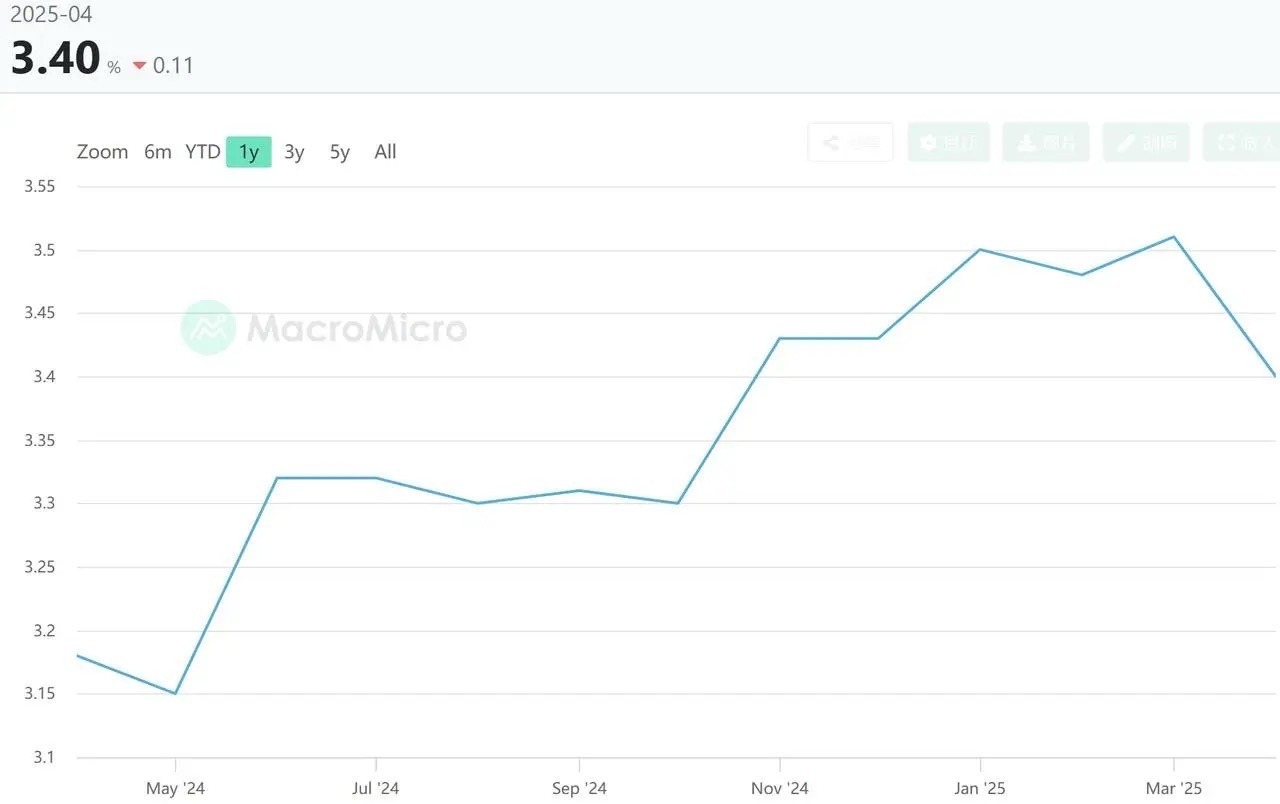
Housing costs are also giving some relief. Rent increases, which are a big part of household expenses, are expected to have slowed down slightly in April, dropping to 3.4% year-over-year. That helps keep inflation pressure in check.
Are Tariffs Really Driving Inflation Higher?
This is the million-dollar question. Goldman Sachs points out that while tariffs typically make imported goods more expensive, the recent drop in natural gas prices has helped offset some of that impact. In other words, cheaper energy has balanced out some of the price hikes caused by tariffs.
But don’t get too comfortable just yet. Goldman Sachs warns this balancing act might not last long. As companies start passing on the cost of tariffs to customers, prices could start creeping up more noticeably.
Will This Report Change What the Fed Does Next?
Even if inflation dips to its lowest point since last fall, the Fed probably won’t rush to cut interest rates. The latest meeting notes from the Federal Open Market Committee (FOMC) show that policymakers want to wait for clearer signs before making any big moves. Inflation is still a little above their 2% target, and the job market looks strong — a combination that calls for patience.
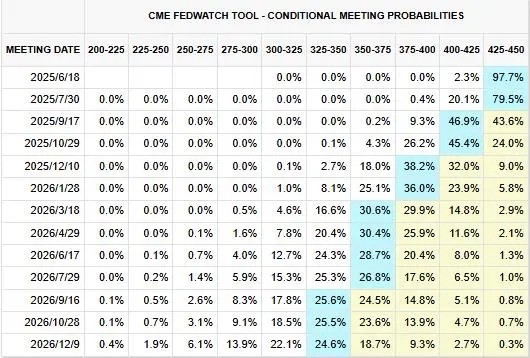
JPMorgan analysts also point out that with tariffs causing uncertainty and the economy facing some headwinds, the Fed is taking a cautious stance.
What the Markets Are Betting On
Right now, most traders expect the Fed to keep rates steady through the summer meetings. Any interest rate cuts are more likely to come around September, depending on how the economic data evolves over the next few months.
My Take on What’s Coming Next
From what I see, April’s data shows a delicate balance between growing prices and cautious spending. Tariffs haven’t fully hit consumers yet, but that risk is lurking. People are spending less on goods but saving more, signaling some wariness about the economy’s future.
The Fed’s wait-and-see approach makes sense to me. They don’t want to shake things up too soon when inflation is only slightly above target and the job market remains healthy.
Looking ahead, I’ll be watching trade policies and energy prices closely — those two factors will likely shape inflation and Fed moves in the months to come. Keeping inflation in check without slowing the economy too much is a tricky dance, and the next few reports will tell us how well the Fed is managing it.