
Tariffs Soar, Businesses Reel: What’s Next for U.S. Trade and the Supreme Court?

U.S. customs duties exploded to $23.28 billion in May 2025—a record monthly tally, nearly triple May 2024’s haul and up from $17.43 billion in April. Year-to-date revenues hit $68.23 billion, soaring 78 percent over the same period last year. This surge stems from full implementation of the Trump administration’s sweeping tariff hikes, most levied on May 22, generating over $16 billion in a single day.
Government officials tout these figures as evidence that tariffs can become a major funding source, citing forecasts of $600 billion per year in duties under Trump’s plan. Yet despite the jump, tariffs still account for only around 2 percent of total federal revenue—March’s $850 billion intake helps put that in perspective.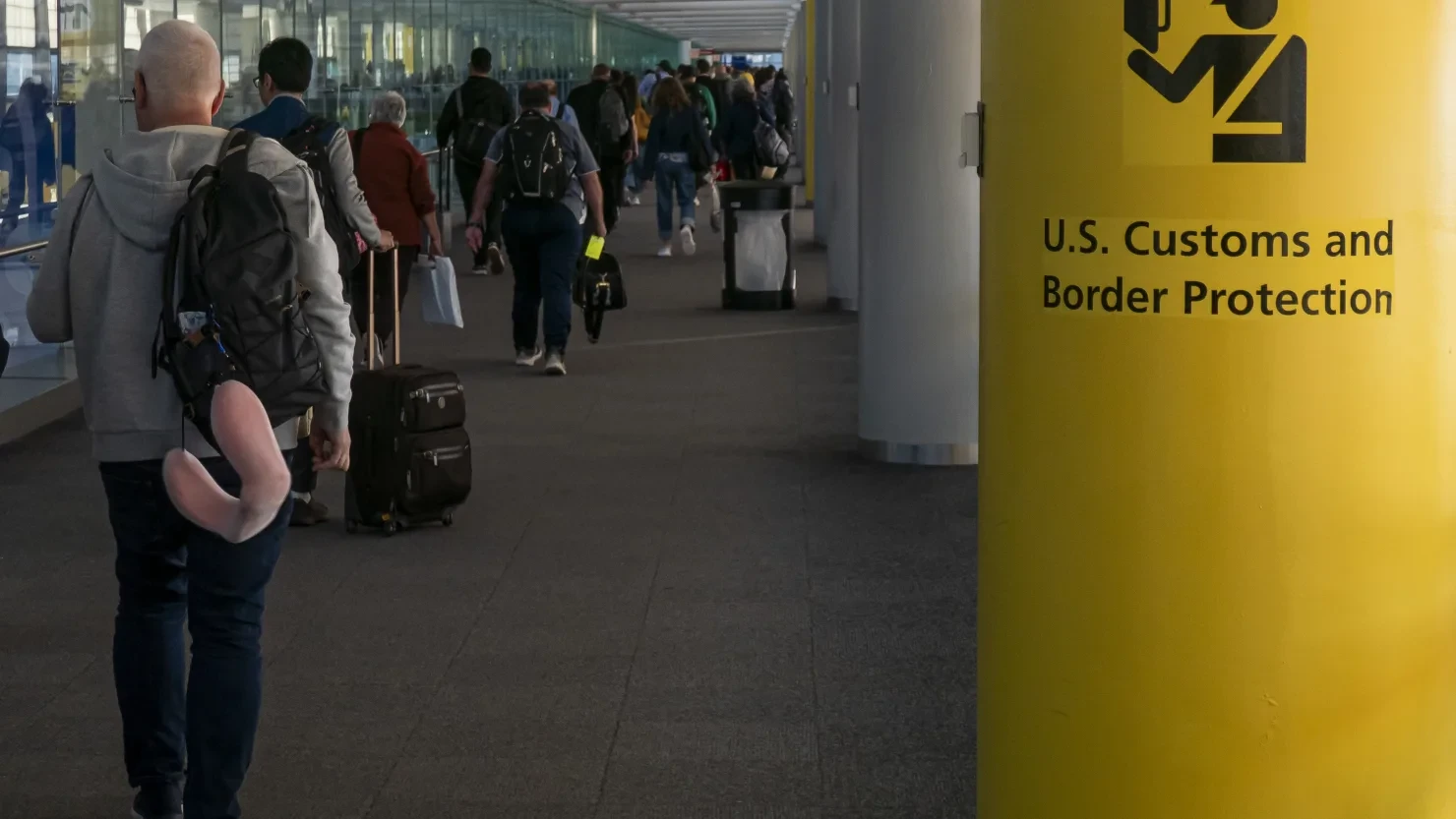
Key Takeaways
- Record Tariffs vs. Small Budget Impact: May 2025 duties reached $23.28 billion (up 78% YTD), yet still only ~2% of federal revenue.
- Companies Bear the Cost: Firms have incurred at least $34 billion in direct losses; true costs may be 2–3× higher; Q1 corporate profits fell $118 billion.
- Consumers Feel the Pinch: Average tariff rate is 17.8% (highest since 1934), raising household expenses by ~1.7% ($1,300–$6,100 annually depending on income).
- Supreme Court’s Ruling Looms: The Court will decide if Trump’s tariff plan exceeds IEEPA authority under the Major Questions Doctrine, shaping future executive trade power.
How Are American Companies Feeling the Squeeze?
While Washington celebrates rising duty receipts, many firms face staggering losses. A study of 56 leading multinational companies estimates more than $34 billion in direct costs since the tariff increases took effect.
Yale economics professor Jennifer Sonnelfeld suggests actual corporate losses could be two to three times higher, as firms stockpiled inventory ahead of tariff hikes, driving April’s “panic buying” spike.
First-quarter data from the Bureau of Economic Analysis show U.S. corporate profits plunged by $118 billion—marking the steepest drop since late 2020. Industries like apparel and textiles are particularly hard hit: shoe prices rose 15 percent in the short term and could climb up to 19 percent over time, while clothing costs jumped 14 percent now and may reach 16 percent later.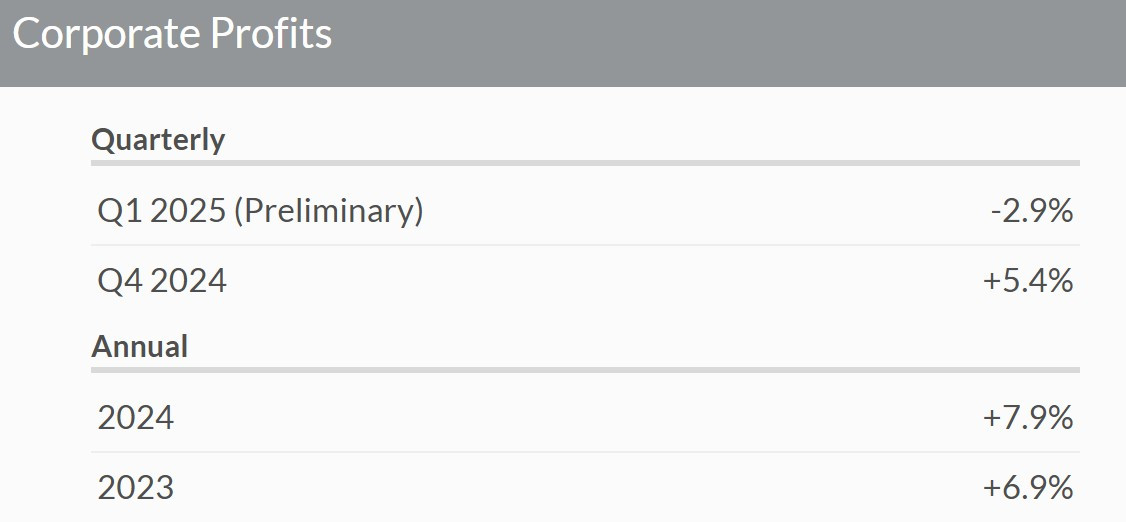
What Does This Mean for American Consumers?
Tariffs aren’t a free lunch: their bill ultimately lands on shoppers’ shoulders. Average effective tariff rates now stand at 17.8 percent—the highest since 1934—pushing up prices across the board.
Lower-income households bear the brunt: analysts estimate middle-income families will lose $1,300 annually in purchasing power, while the top decile faces $6,100 in extra costs each year.
Overall, consumer costs could rise by 1.7 percent, equating to roughly $2,800 per household per year. With inflation still sticky, policymakers risk deepening the squeeze on budgets already strained by higher rents, food prices, and energy bills.
Trump’s Tariff Strategy Faces a Crossroads at the Supreme Court
On May 30, the U.S. Court of International Trade ruled unanimously (3–0) that the Trump administration overstepped its authority by imposing these broad duties under the 1977 International Emergency Economic Powers Act (IEEPA).
The key question: can the president, without explicit congressional approval, levy massive tariffs on national security grounds?
The International Trade Court invoked the “Major Questions Doctrine” (MQD), which demands clear congressional authorization for policies with vast economic impact. According to the Tax Foundation, Trump’s tariffs could total $1.4 trillion in revenue over ten years—far surpassing the $400 billion student debt forgiveness plan the Supreme Court struck down earlier under MQD.
Department of Justice attorneys argue that the MQD does not apply when a president acts under a law granting direct emergency powers. They contend that tariff policy falls squarely within executive discretion on national security and foreign affairs. But opponents say IEEPA’s vague grant to “regulate” imports doesn’t explicitly endorse massive revenue-raising duties—an authority traditionally reserved for Congress.
Will the Supreme Court Rein In Presidential Tariff Power?
Chief Justice John Roberts, who in June 2023 labeled Biden’s student loan relief “staggering” in scope, now faces a similar dilemma. If the Court upholds MQD’s strict application, Trump’s tariff regimen could be invalidated, curbing presidential tax authority unprecedentedly. Such a decision would mark the first time the judiciary directly limits a president’s unilateral power to impose large-scale tariffs.
Conversely, siding with the administration could rewrite the balance of economic power between Congress and the White House. By accepting that national security concerns warrant broad tariffs without detailed legislative guidance, the Court might set a new precedent for future emergency economic measures—raising alarms among free-trade advocates and global markets anxious about prolonged trade warfare.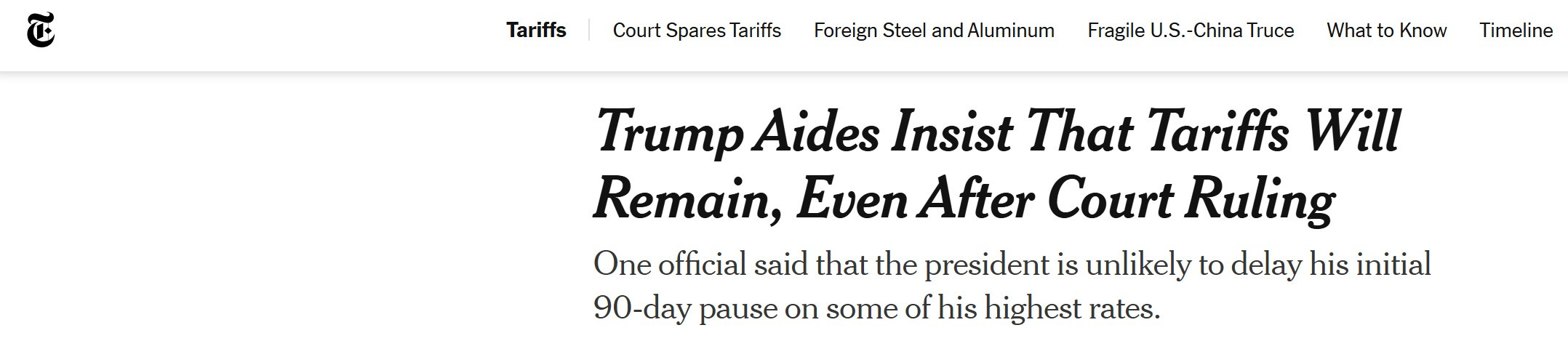
What’s at Stake for the U.S. and Global Economy?
A ruling against Trump’s tariffs would likely force an overhaul of U.S. trade policy. Congress might need to draft specific tariff authority measures, delaying revenue flows and unsettling businesses that had factored duties into their pricing. In the meantime, legal uncertainty may deter investment, as companies wonder whether current tariffs—even those already imposed—will stand.
If the Supreme Court preserves the White House’s latitude, expect further tariff rounds targeting allies and adversaries alike. Countries previously spared might face fresh duties; retaliatory measures from trading partners could escalate.
That scenario raises the specter of prolonged global economic headwinds, potential retaliation, and deeper supply-chain disruptions. Markets would likely remain jittery, weighing each new tariff threat.
This content is provided for informational or educational purposes only and does not constitute investment advice.