
Fed Policy at a Crossroads: Are Rate Cuts on the Horizon?

San Francisco Fed President Mary Daly reaffirms that two rate cuts by year-end remain a reasonable expectation. Meanwhile, economic data—especially the forthcoming May nonfarm payrolls—could sway markets toward pricing in a June reduction. As Federal Reserve officials prepare for the Beige Book release, trade policy uncertainty lingers over their decisions.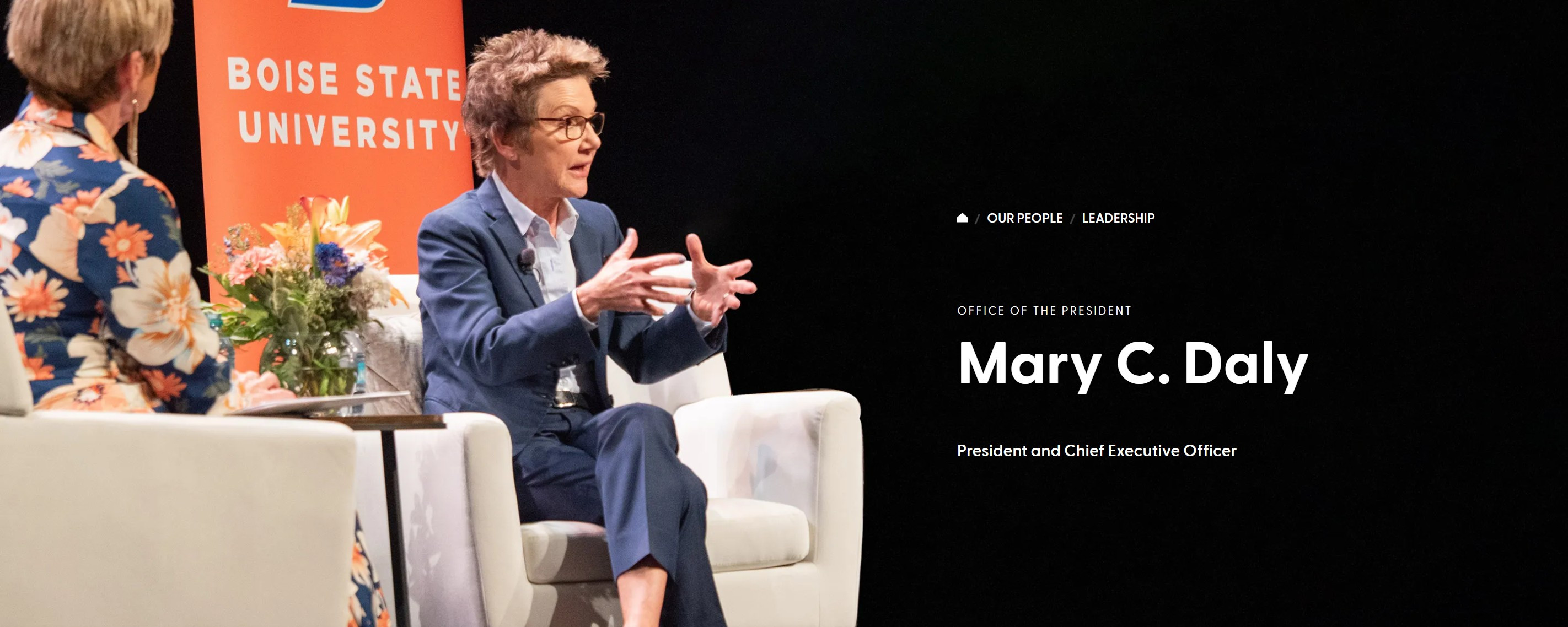
Daly’s Take: Two Cuts by Year-End
San Francisco Fed President Mary Daly says the March Summary of Economic Projections—showing two 25-basis-point cuts by December—still aligns with incoming data. She emphasizes that inflation relief, particularly from the personal consumption expenditures (PCE) index, has eased consumer pressures.
Despite praising positive economic indicators, Daly cautions that risks remain. She insists the Fed must keep its policy funds rate at a moderately restrictive level until confident inflation will hit the 2 percent target.
Daly highlights that policymakers view the current stance as “good enough” to allow inflation to move steadily downward. She notes markets have interpreted her comments as a dovish signal, though she stresses patience in light of uncertainties.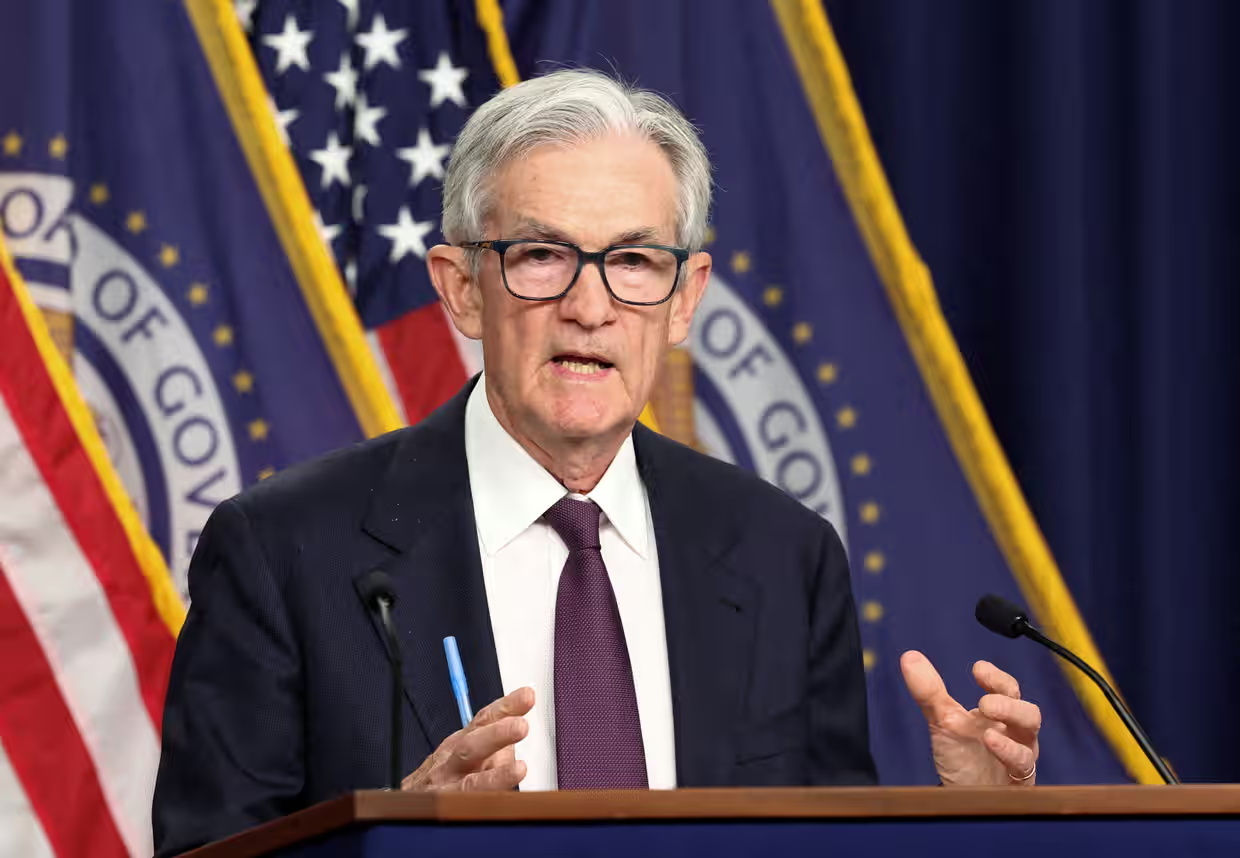
Jobs Preview: What Does the Data Tell Us?
The all-important May nonfarm payroll report, due June 6, will serve as the final employment snapshot before the June 17–18 FOMC meeting. Economists forecast job growth cooling from April’s 177,000 to roughly 130,000, with the unemployment rate remaining at 4.2 percent.
If payrolls soften as expected, markets may rekindle June rate-cut bets after Wall Street recently pushed them toward July. Traders now assign a nearly 98 percent probability that the Fed holds rates steady this month, per swap market pricing.
Analysts warn that April’s stronger-than-anticipated jobs numbers likely reflected businesses stocking up amid tariff volatility—an effect that could fade in May. Leading indicators suggest labor demand may weaken if trade pressures persist.
A noticeably lower payrolls tally could propel a shift in Fed expectations, raising June’s odds for a 25-basis-point cut. Conversely, a resilient report would reinforce the Fed’s patient approach, delaying policy easing until later in the summer.
Beige Book and Fed Voices: Gauging Uncertainty
Federal Reserve officials, including Chair Jerome Powell and regional Fed presidents, will weigh in ahead of the Beige Book’s June release. Powell has reiterated that the Fed can maintain restraint without rushing policy adjustments, as the economy remains resilient.
Dallas Fed President Lorie Logan and Chicago Fed’s Austan Goolsbee have stressed that tariff uncertainties cloud their outlooks. Goolsbee commented that a trade deal or halted tariffs could tip the scale toward rate cuts, assuming inflation steadies around targets.
Atlanta Fed President Raphael Bostic and St. Louis Fed President James Bullard are expected to offer perspectives on labor markets, inflation trends, and balance-sheet runoff. Their remarks will help analysts discern the extent of caution in the FOMC’s June statement.
With the Beige Book surveying 12 regional Fed districts, officials will gain fresh insights into wage pressures, supply-chain disruptions, and consumer spending patterns—all under the shadow of ongoing tariff policies.
Tariff Tempest: Will Trade Turmoil Tip the Scale?
Federal Reserve policymakers continue to cite President Trump’s tariff measures as a key source of uncertainty. Economists broadly warn that higher import levies could ignite inflation and subdue growth, making the Fed’s policy outlook extra-delicate.
Earlier this week, a U.S. appeals court temporarily reinstated Trump’s tariff agenda after a trade court ruled portions were unlawful. This legal seesaw further complicates FOMC deliberations, as the eventual scope and timing of tariffs remains unclear.
Fed officials have bluntedly acknowledged that prolonged trade policy ambiguity could raise unemployment and inflation down the road. Some even predict a potential uptick in joblessness as firms grapple with higher import costs and supply-chain realignments.
In this environment of shifting trade regulations, the Fed must balance the risk of premature easing against the danger of tightening too much amid persistent inflation uncertainty.
What Comes Next? Markets Brace for Fed’s Decision
As the June FOMC meeting approaches, investors and businesses await a cohesive message on the path forward. Daly’s reassurance of two cuts by year-end provides a soft landing forecast, but data dependency remains paramount.
If May’s nonfarm payrolls confirm cooling labor-market momentum, the odds of a June cut could rise, signaling a pivot toward easier policy. The Beige Book and Fed speeches this week will offer further clarity on economic conditions, particularly in regions hit hardest by tariffs.
However, any surprises—domestic or global—could derail expectations. A stronger-than-anticipated jobs report or a fresh spike in import duties would likely push rate cuts into the back half of 2025. Conversely, a clear resolution on tariffs might embolden the Fed to reduce rates sooner.
In this delicate balancing act, the Federal Reserve hopes incoming data reinforce the narrative of a resilient economy gradually returning to stable inflation. Markets, though cautiously optimistic, remain acutely sensitive to twists in trade policy and labor dynamics as June 18 draws near.