
Safe-Haven Frenzy: Is Gold the Go-To Hedge Amid Tariff and Geopolitical Turmoil?

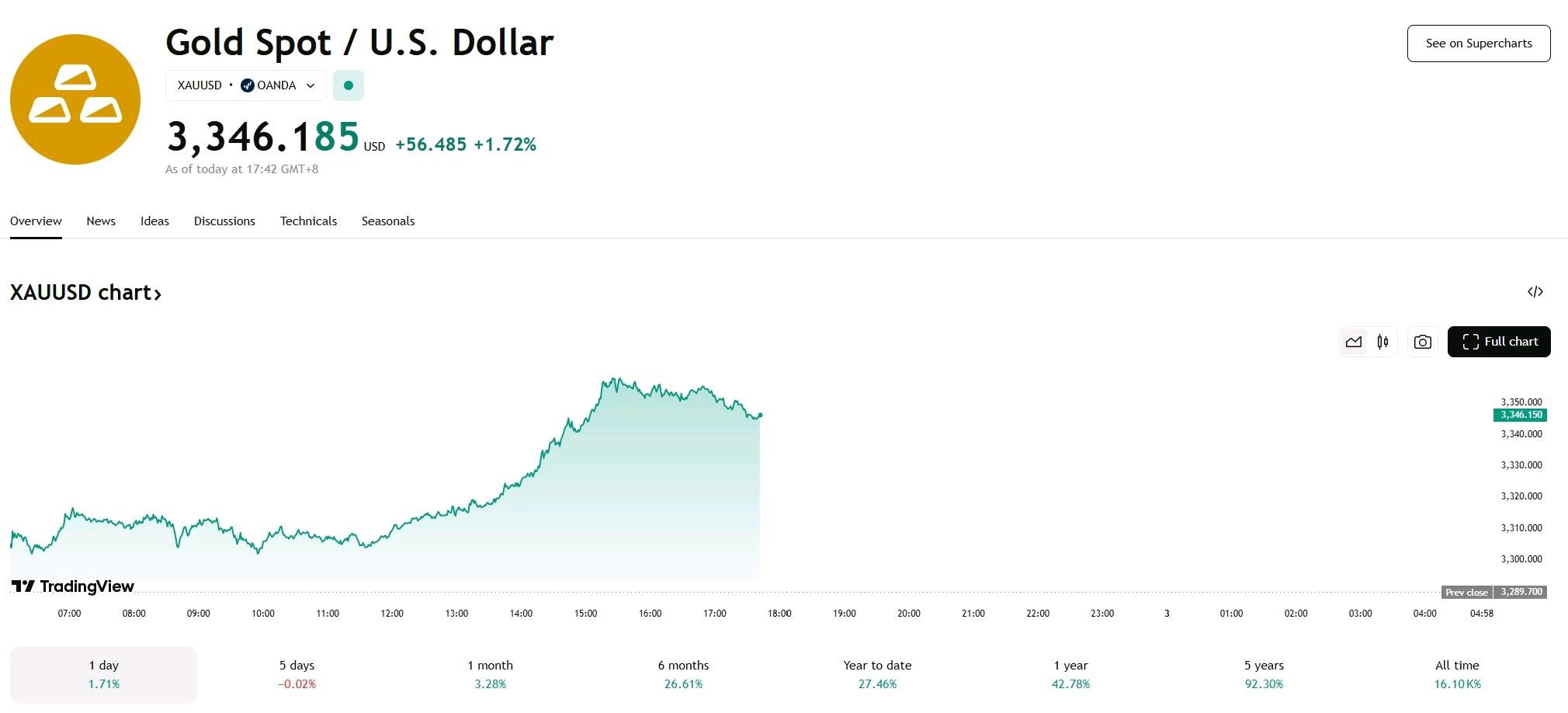
U.S. equity futures opened lower on Monday, with the Dow Jones futures down 0.43%, Nasdaq 100 futures off 0.67%, and S&P 500 futures easing 0.49%. Meanwhile, gold surged nearly 2.00% intraday to reclaim the $3,350 per ounce mark. WTI crude jumped 3%, and Brent rose 2.9%.
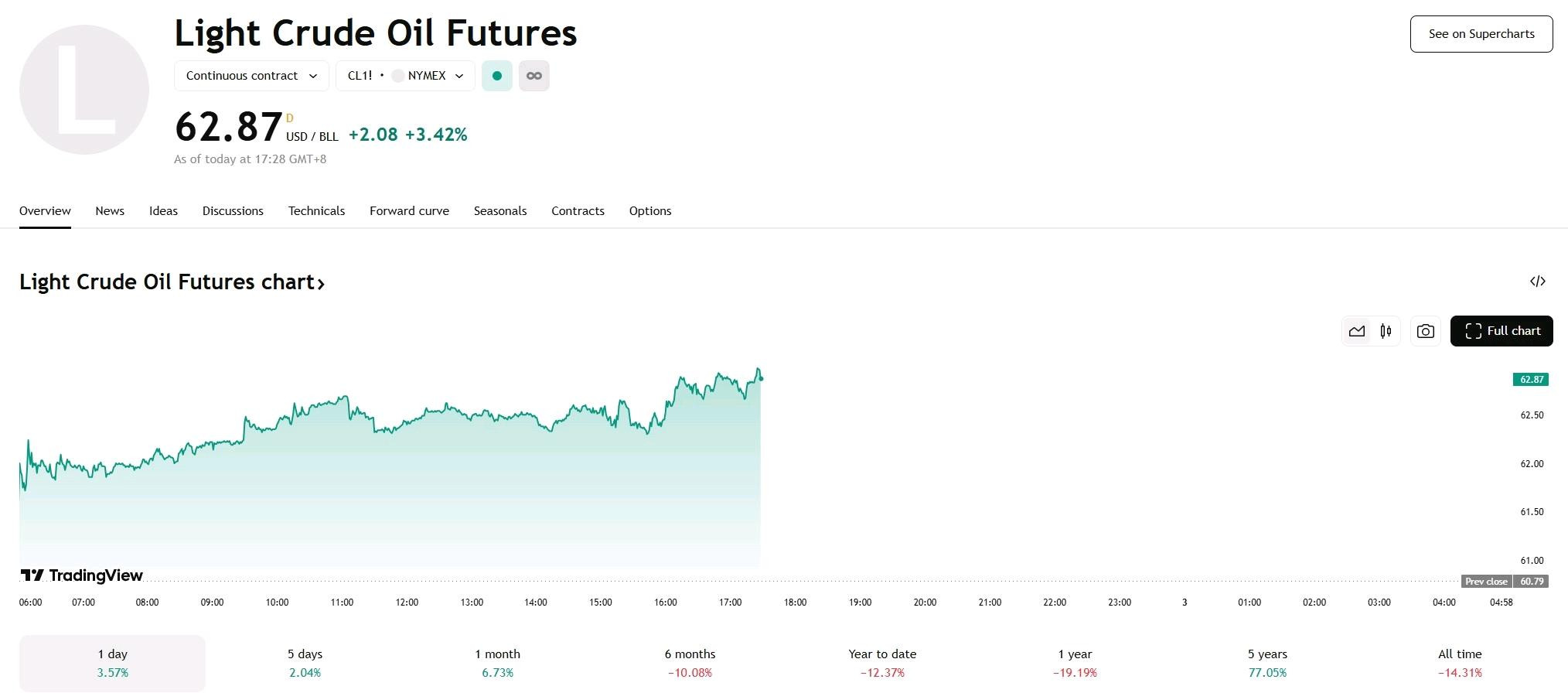
This broad flight to safe havens comes as global tensions spike. The Trump administration’s announcement to lift steel and aluminum tariffs from 25% to 50% as of June 4 has stoked fears of escalating trade wars. At the same time, the Russia-Ukraine conflict has intensified, leading investors to seek refuge in gold and oil.
Key Takeaways
- Geopolitical and trade uncertainties drove a 2% rise in gold and a 3% jump in oil, while U.S. equity futures fell amid heightened market volatility.
- Trump’s plan to raise steel and aluminum tariffs to 50% prompted EU warnings of retaliation, increasing fears of a global trade slowdown.
- Renewed large-scale hostilities between Russia and Ukraine—Ukrainian airstrikes and Russian nighttime drone attacks—intensified ahead of Istanbul peace talks.
- Oil prices climbed despite OPEC+’s agreement to add 411,000 barrels per day starting July, as traders weighed potential supply disruptions from geopolitical tensions.
Why Are Gold and Oil Gaining Ground?
Gold is benefiting from dual pressures: trade policy shocks and geopolitical strife. Trump’s plan to double tariffs on steel and aluminum has revived fears of broader tariff escalations. The U.S. Treasury Secretary’s comments on resolving mineral trade disputes have done little to soothe markets, as investors doubt swift resolution.
On the geopolitical front, Ukraine struck Russia’s Siberian bomber base, damaging roughly 34% of Russia’s strategic bomber fleet. Russia responded with drone attacks during nighttime. These actions unfold just before Ukrainian and Russian delegations reconvene in Istanbul, heightening uncertainty about the peace process.
Meanwhile, OPEC+ announced over the weekend it will increase oil supply by 411,000 barrels per day starting July, matching the May and June increments. By month’s end, more than 60% of the planned 2.2 million barrels per day incremental supply will be restored. Yet oil still climbed, signaling that traders may anticipate deeper cuts or fear renewed sanctions on Russian crude.
Analysts Project Cautious Outlook
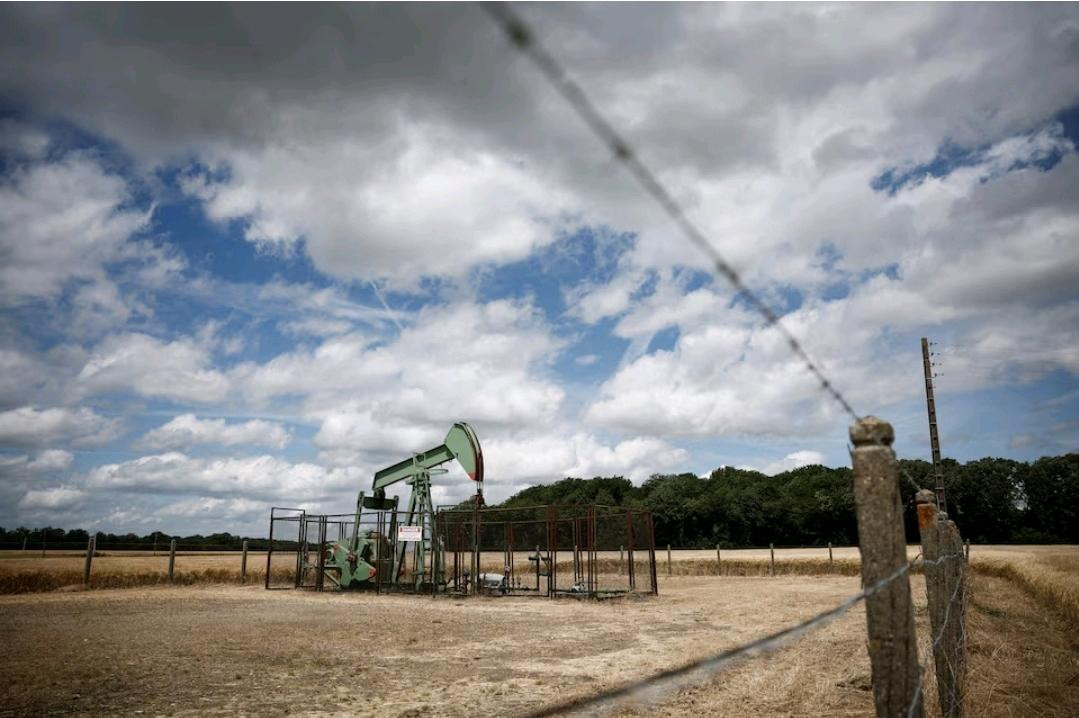
Commodity strategists at ING noted that despite the planned supply boost, oil prices remain buoyed by conflict-driven demand for safe commodities. They see the full restoration of the planned supply by Q3 2025 as a key assumption supporting a Q4 Brent average near $59 per barrel.
Baker Hughes data showed U.S. oil rig counts fell by four rigs last week to 461, marking a fifth consecutive weekly decline. Strategists warn that continued rig attrition could curb U.S. production growth later this year, adding to supply risks if geopolitical tensions escalate further.
On the gold front, recent central bank buying has added a structural bid. The World Gold Council reported that in Q1 2025, global central bank net purchases totaled 244 tonnes. China’s central bank alone added 700,000 ounces in April, marking six straight months of accumulation. This institutional demand underpins expectations for higher gold price floors.
Citigroup raised its 0–3 month gold target to $3,500 per ounce on May 26, citing market concerns over U.S. institutional credibility and crude supply stability. Goldman Sachs also recommended overweight positioning in gold to hedge against inflation and systemic risks. Meanwhile, analysts at Minsheng Securities highlighted muted U.S. April PCE data—headline PCE rose 2.1% year-on-year, core PCE 2.5%—pointing to a benign inflation backdrop that further supports lower real rates and higher gold appeal.
Tariff Turmoil and Geopolitical Strains
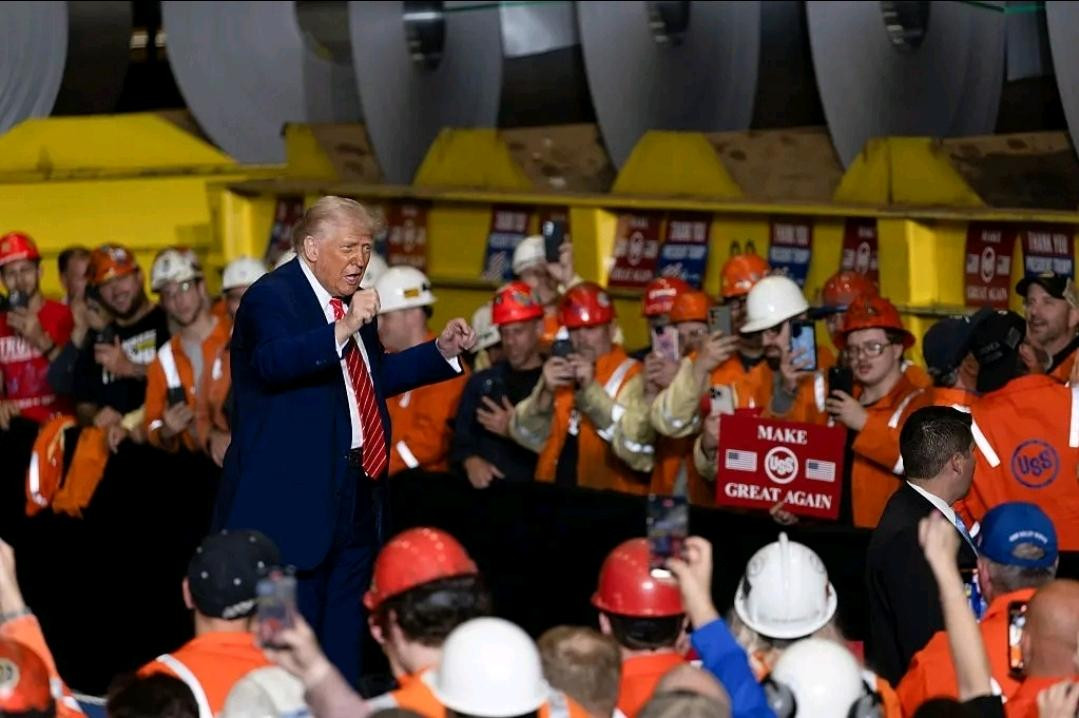
Trump’s May 30 announcement during a visit to U.S. Steel in Pennsylvania framed the tariff hike as essential to protect domestic industries from unfair competition. EU leaders have responded with sharp rebukes, warning that retaliatory levies on American goods could trigger a broader economic fallout.
Canada’s unions and Australia’s trade minister publicly decried the U.S. move as “economic self-harm.” European Commission officials lamented the added burden on transatlantic consumers and businesses, emphasizing that negotiation, not hiked duties, remains the optimal resolution method. Such rhetoric has amplified market fears of a prolonged trade skirmish.
Concurrently, calls for stricter sanctions on Russian energy have gained traction on Capitol Hill. Bipartisan senators propose a 500% tariff on countries importing Russian oil, potentially reshaping global crude flows ahead of the June G7 summit. While President Trump has refrained from new Russia sanctions, any legislative progress on punitive measures would strain oil markets further.
In Ukraine, the Security Service’s May 31 announcement of a successful strike on a Siberian bomber base raised the stakes. With Ukraine’s peace delegation en route to Istanbul, these attacks could harden negotiation stances. Market watchers see this cycle of strikes and counterstrikes as a destabilizing factor capable of jolting energy and metals prices.
What’s Next for Investors?
Traders now await speeches from Federal Reserve officials for hints on monetary policy. Fed Chair Jay Powell is scheduled to speak later today, with Vice Chair Lael Brainard and Governor Christopher Waller also adding remarks this week. Market participants watch for clues on interest rate trajectories, as lower real rates tend to favor gold.
Meanwhile, volatility in equity indexes may persist. If trade tensions deepen and European retaliation materializes, U.S. economic data could weaken, prompting risk-off sentiment. In that scenario, gold could push past $3,400 an ounce, while WTI might test $75 per barrel if supply disruptions from potential sanctions on Russia intensify.
Analysts caution, however, that if OPEC+ maintains its output schedule and conflict de-escalates, oil might retreat toward forecasted levels. Similarly, if U.S. inflation data remains moderate, the Fed may delay additional rate cuts, capping gold’s rally. Investors should therefore monitor tariff developments, OPEC+ compliance, and U.S. economic releases closely.
In summary, the convergence of Trump’s tariffs and renewed Russia-Ukraine hostilities has triggered a rush into gold and oil, sending equity futures lower. With central banks adding to gold reserves, and OPEC+ supply still balancing demand, markets face a delicate tug of war. As speeches from Fed officials loom, investors must balance safe-haven positioning against potential policy pivots and evolving geopolitical risks.