
Summer Tech Surge: Are the “Magnificent Seven” Leading the Charge?

The summer season has begun with the biggest U.S. tech giants poised to outperform the broader market. Goldman Sachs highlights that the “Magnificent Seven”—Microsoft, Amazon, Meta, Netflix, Tesla, Google, and Nvidia—are acting as defensive growth proxies in an uncertain environment. They delivered their best positive EPS surprises since Q3 2023, underscoring robust fundamentals in a higher-rate world.
Could AI and Cloud Be Powering the Next Upswing?
Goldman’s May 31 report points to renewed AI tailwinds. Public cloud expansion is accelerating, led by Microsoft’s Azure, with Amazon’s AWS close behind. Growth in cloud services is reemerging as a key catalyst after a quiet stretch, potentially driving revenue and profit momentum for these large-cap names.
As AI applications multiply, hyperscalers stand to capture incremental spend faster than most.
Deep Balance Sheets: Which Stocks Stand Out?
With the Federal Reserve on hold and economic growth persisting, high yields are set to endure. In this backdrop, companies with robust balance sheets that can weather rising borrowing costs are favored. Goldman’s “strong balance sheet” basket (GSTHSBAL index) includes Meta, Netflix, Tesla, Google, Nvidia, and Microsoft. These names boast ample cash, manageable leverage, and the capacity to sustain R&D in AI and cloud, making them prime defensive growth choices.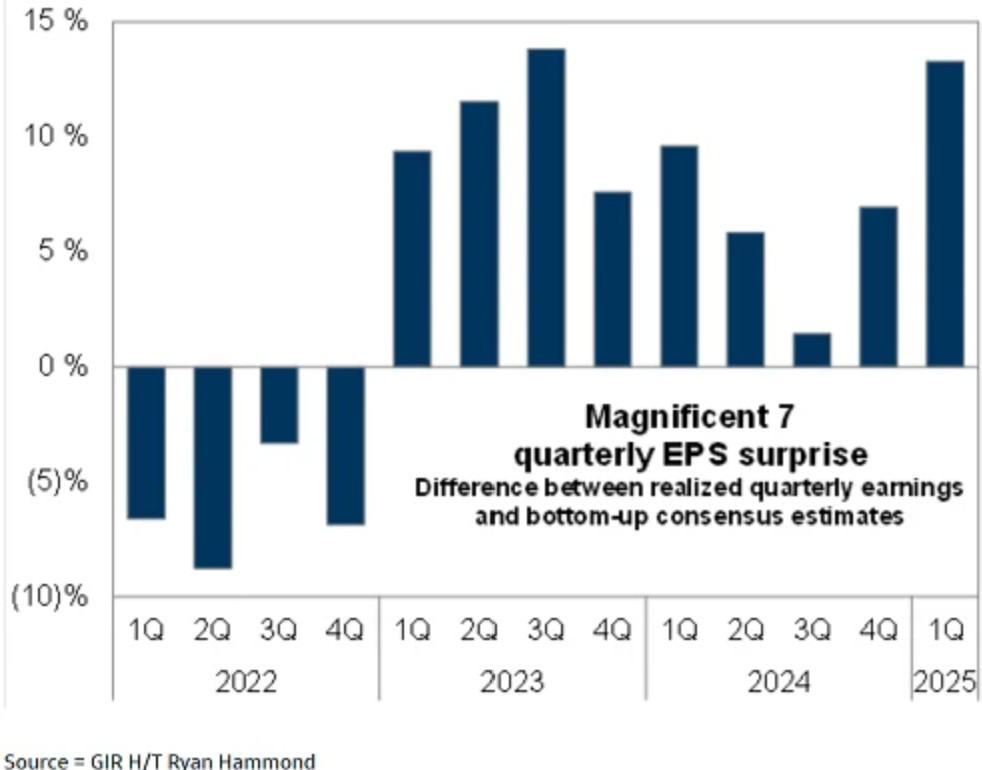
Why Are Hedge Funds Dialing Up Equity Exposure?
Goldman Private Bank data show hedge funds have net bought U.S. stocks for four consecutive weeks, driven by record long positions. Last week’s nominal long buying was the largest since November 2024, reflecting growing comfort with idiosyncratic risk in tech.
From a sector view, hedge funds have been net buyers of U.S. information technology for three straight weeks, purchasing every trading day. Longs outpaced shorts by a 1.6:1 ratio, a sharp turnaround from net selling in 10 of the prior 12 weeks.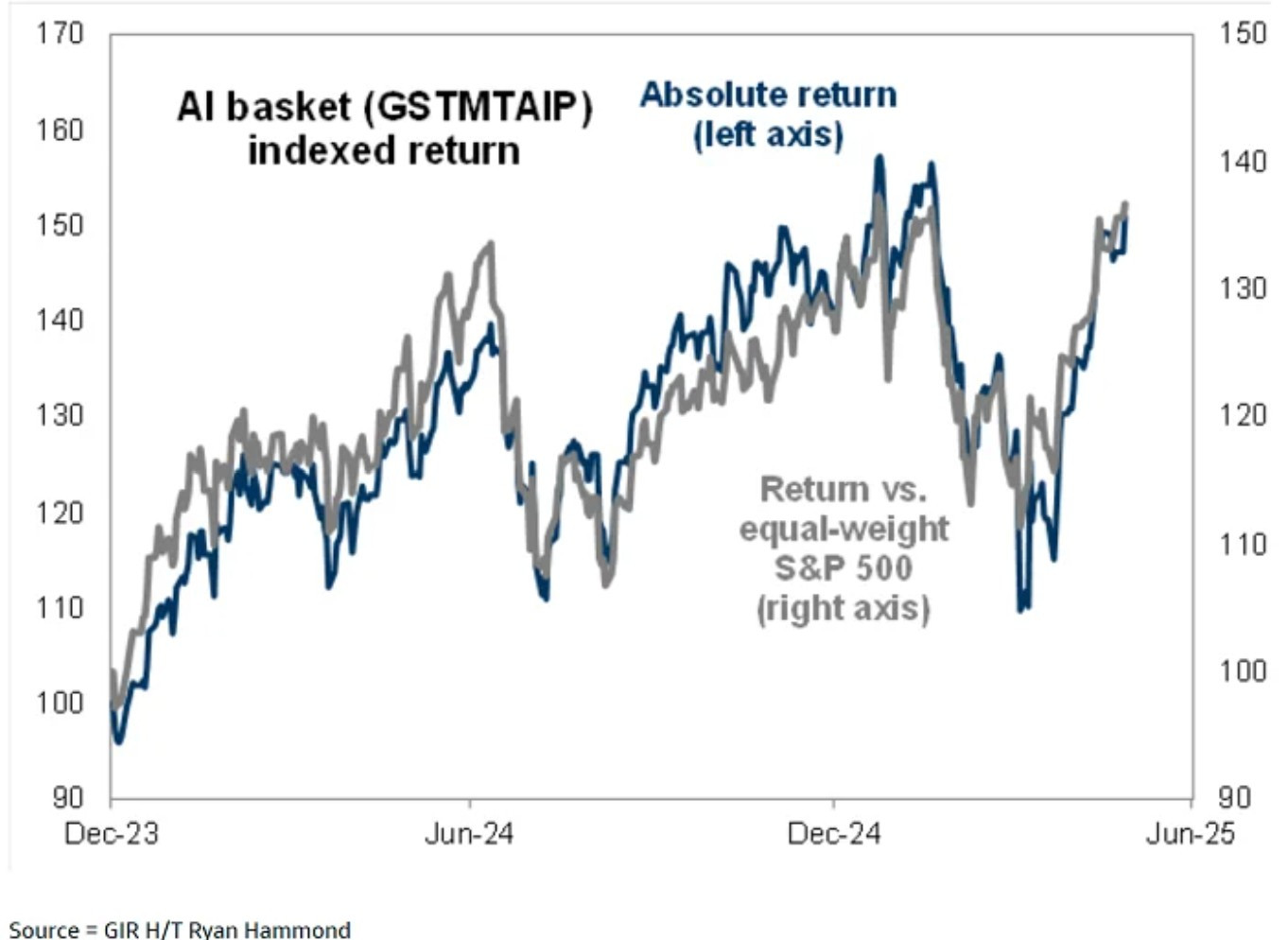
Which Tech Sub-Sectors Are Leading the Charge?
Within U.S. information technology, virtually every sub-sector saw net buying last week. Semiconductors and semiconductor equipment led, followed by tech hardware, storage, and peripherals—all driven by fresh long bets.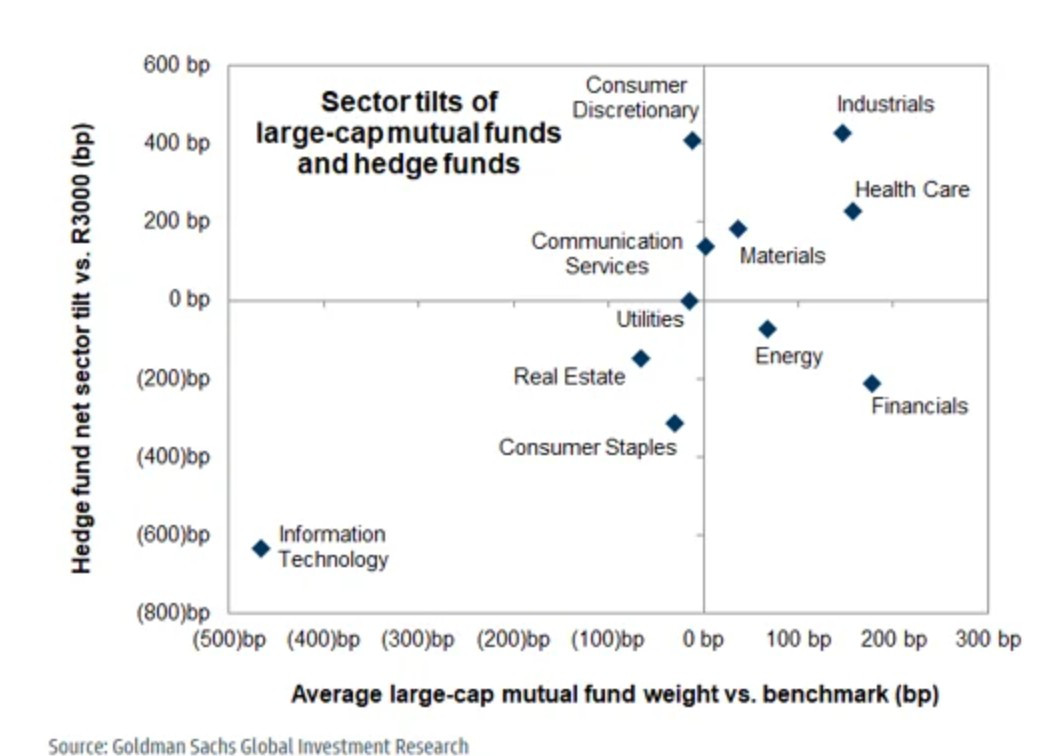
The software group saw modest net selling, as short positions slightly outpaced longs. Overall, IT’s total exposure (17.9 percent of U.S. holdings) and net exposure (16.6 percent) sit near multi-year lows in percentile rankings, suggesting room for further allocation.
Global Hedge Funds: Why Are They All-In?
On a global scale, hedge funds bought at the fastest pace since November 2024. Their renewed appetite for equities coincided with a banner May in U.S. markets: the S&P 500 soared over 6 percent (its best May since 1990), and the Nasdaq leapt about 9.6 percent (its best May since 1997). This bullish backdrop has emboldened fund managers to chase AI-related tech names across North America and Europe.
Where in Europe Are Funds Placing Their Bets?
In May, pan-European stocks rose over 5 percent. Hedge funds bought European equities for the third straight week at the swiftest clip in three months. Countries with the largest net inflows included Spain, France, Finland, Germany, Sweden, and Denmark. Conversely, Ireland, the Netherlands, and Switzerland saw modest net selling. Sector-wise, non-essential consumer goods, financials, healthcare, and communications attracted the most capital.
Which Industries Capture the AI-Themed Focus?
Goldman reports that AI-related themes dominate global tech allocations. Semiconductors, technology hardware, and electrical equipment firms account for the biggest share of new long positions.
In North America, U.S. tech companies remain the top pick, whereas in Europe, tech names with AI linkages follow closely. Hedge funds are primarily deploying single-stock long bets, though some broad index longs are also being established.
Outlook: Can “Seven Giants” Sustain Their Edge?
With hedge funds and other investors flocking back to large-cap tech, could an extended summer rally be underway? The Magnificent Seven boast strong fundamentals—record EPS beats, robust AI/cloud pipelines, and fortress-like balance sheets.
Yet their low relative exposure among hedge funds hints at potential upside if institutional sentiment continues to improve. As economic growth stays intact and interest rates remain elevated, these seven names are positioned to serve as both growth engines and defensive bulwarks through 2025 and beyond.