
China’s Designer Toy Boom: Pop Mart and Bloks Break Records, Eye Global Markets

Shearing sheep
June 4, 2025
GoGPT Summarizes Articles
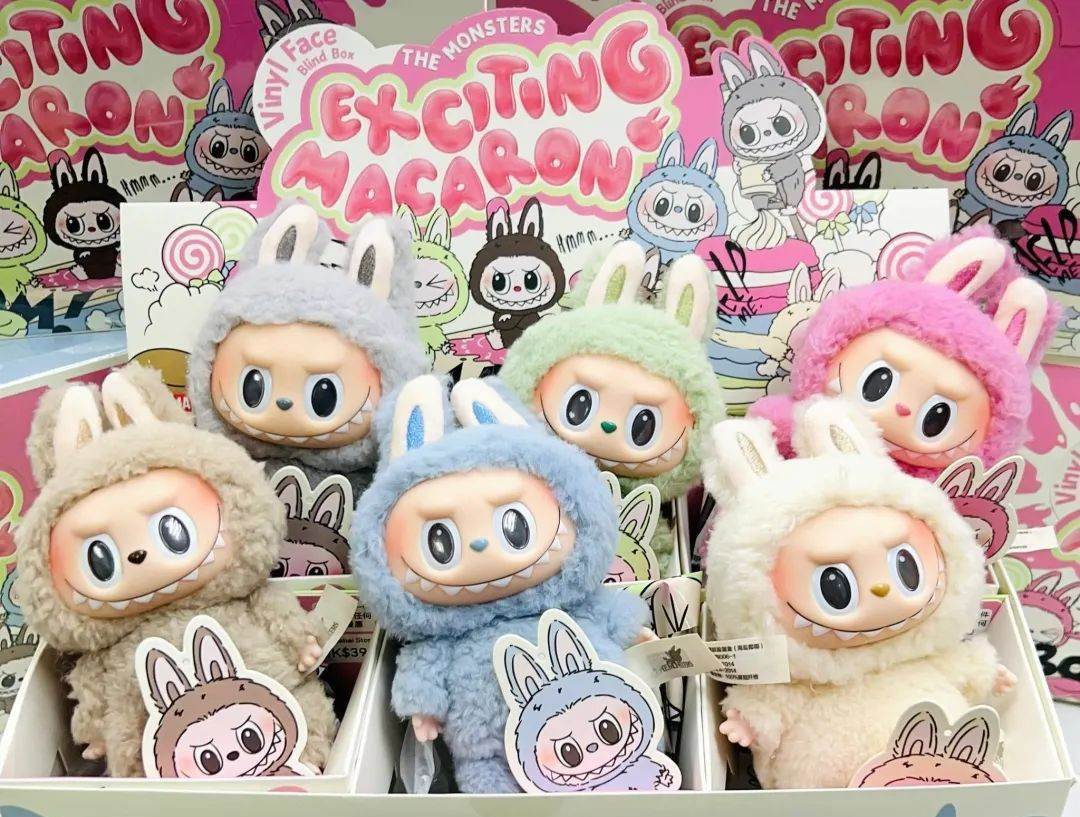
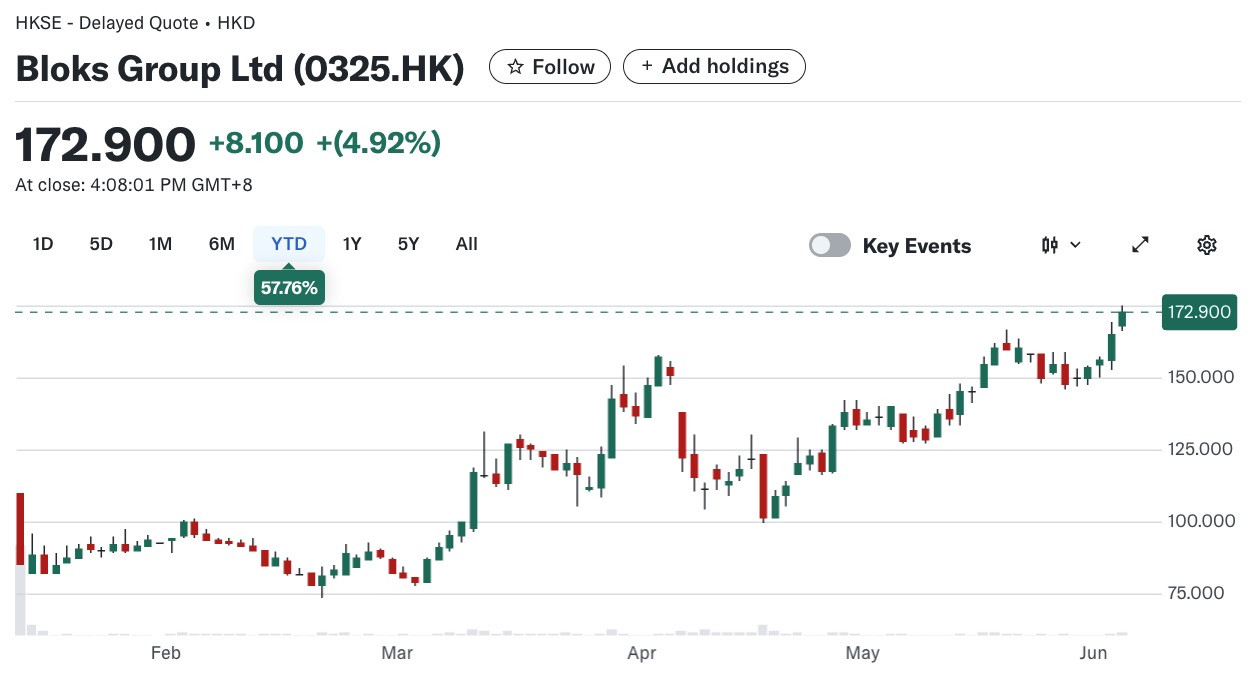
It’s been a big week for China’s designer toy industry. Two of Hong Kong’s most prominent players—Pop Mart (09992.HK) and Bloks (00325.HK)—just hit record highs, each climbing more than 4% in a single day and reaching new all-time peaks. Bloks has surged nearly 186.5% from its IPO price of HK$60.35 on January 10, 2025, while Pop Mart has gained about 173% since the start of the year.
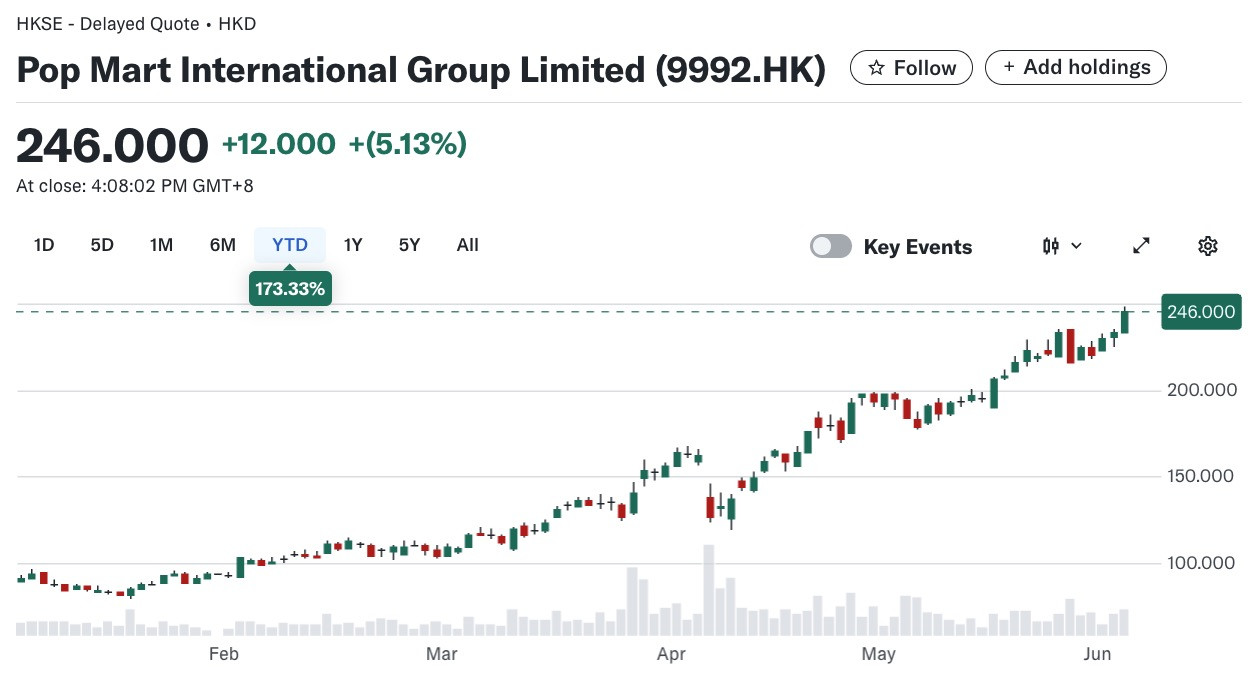
These figures might seem surprising, but they’re backed by impressive earnings—and a growing appetite among younger consumers for something beyond traditional toys.
From Blind Boxes to Billion-Dollar IPs
Pop Mart has become a household name in China thanks to its blind box model and iconic characters like MOLLY and LABUBU. As of June 4, the company’s share price has skyrocketed over 1,134% since the beginning of 2024, pushing its market cap to HK$330.3 billion—surpassing long-established names like China Unicom and Anta Sports.
Its 2024 financials highlight just how rapidly it’s scaling:
-
Revenue: RMB 13.04 billion, up 106.9% YoY
-
Adjusted net profit: RMB 3.403 billion, up 185.9%
-
Gross margin: 66.8%; Net margin: 25.4%
Bloks, known for its modular figures that appeal to both children and adult collectors, also posted strong results. Since its January IPO, the stock has risen 186.5% from its offer price, giving the company a market cap of HK$43.09 billion. In 2024, Bloks generated:
-
Revenue: RMB 2.241 billion, up 155.61% YoY
-
Adjusted net profit: RMB 585 million, up 702.1% YoY
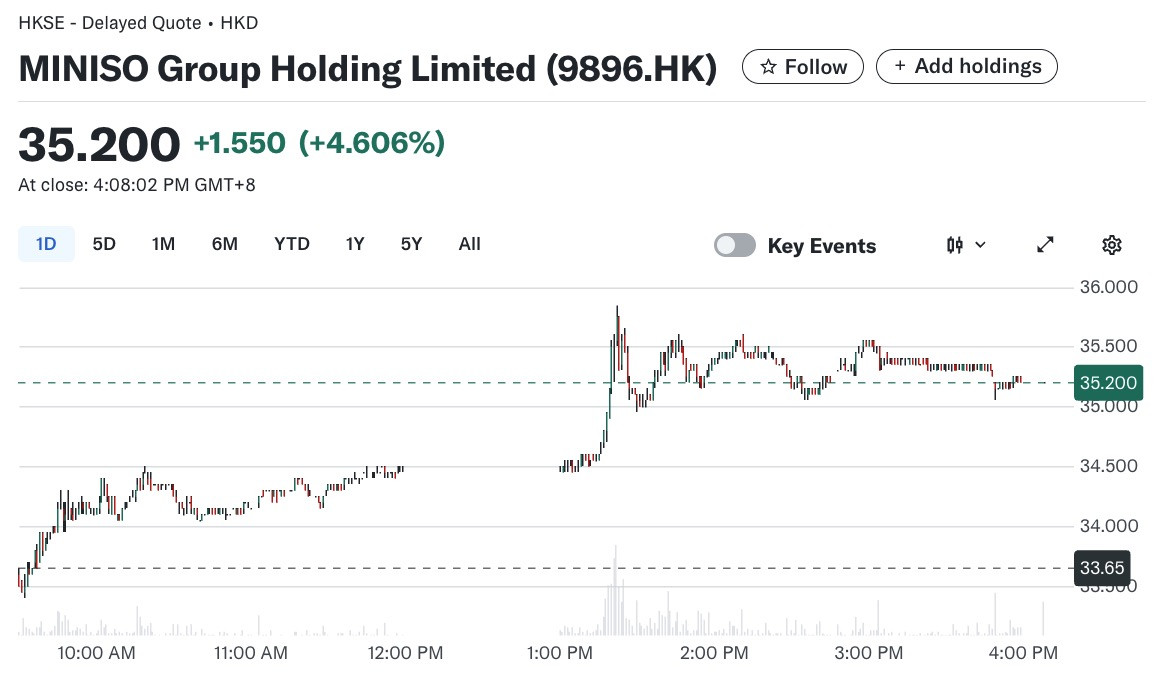
Other players are riding the wave as well. MINISO (09896.HK), through its sub-brand TOP TOY, reported 2024 revenue of RMB 997 million, with pre-tax profit reaching RMB 92.43 million.
Meanwhile, KAYOU, a trading card company and another rising star, posted:
-
Revenue: RMB 10.057 billion, up 277.78% YoY
-
Adjusted net profit: RMB 4.466 billion, up 378.27% YoY
The company is now preparing for its own IPO in Hong Kong.
What’s Driving the Trend?
So what’s fueling the explosive growth in “designer toys”?
Unlike conventional toys, designer toys emphasize storytelling, aesthetics, and cultural identity. Their appeal goes beyond children—they resonate with young adults, collectors, and pop culture enthusiasts who value emotional connection and artistic creativity.
Here are three key drivers:
1. Rising Disposable Income China’s GDP per capita has surpassed $13,000, reflecting a broader shift toward experience-based and emotionally driven spending. Designer toys blend art, play, and self-expression—perfectly aligning with this new consumption trend.
2. The IP Economy At the core of the boom is intellectual property. Characters like MOLLY or LABUBU aren’t just collectible figures—they're part of evolving franchises. Pop Mart’s strength lies in transforming one-off designs into high-margin, recurring IP ecosystems.
3. Social Media and Cultural Influence Platforms like Xiaohongshu (Red) and Douyin (TikTok China) have supercharged the spread of designer toy culture. From unboxing videos to collector showcases, viral content helps brands build a deep emotional loop with their audiences.
The Global Play
Pop Mart is no longer just a domestic success. Since beginning its international expansion in 2018, the brand has entered markets across Southeast Asia, Europe, and North America. In 2024, overseas revenue grew 375.2% YoY, now accounting for nearly 39% of its total revenue.
How are they pulling it off?
-
Collaborations with local artists, like CRYBABY in Thailand and Peach Riot in the U.S.
-
Cultural localization, such as LABUBU in traditional Thai attire or Louvre-themed exclusives in Paris
-
Partnerships with global IPs to boost recognition and deepen fan engagement
Other brands, including 52TOYS and TOP TOY, are also expanding globally, tapping into the fast-growing “kidult” trend—where adults buy toys as nostalgic or collectible lifestyle items.
Not All Smooth Sailing
Despite the excitement, the designer toy industry comes with challenges:
-
Shifting Consumer Tastes: IPs can fall out of favor quickly without constant updates and storytelling. The market has seen its fair share of one-hit wonders.
-
Creative Burnout: Sustaining consumer attention requires relentless innovation—not only in character design but also in packaging, narrative, and brand collaborations.
-
Rising Competition: Over 22,000 designer toy-related companies now exist in China. In 2024 alone, 9,100 new players entered the space—a 30% YoY jump. The competition is fierce and growing.
Still, companies that can master the delicate balance of IP development, consistent quality, and international branding stand to win big. According to forecasts, China’s broader entertainment toy market is projected to more than double to RMB 212.1 billion by 2029.
Final Thoughts
Pop Mart’s journey—from quirky blind boxes to literally launching a designer toy into space—is more than just a retail success. It reflects broader shifts in how a new generation chooses to express identity, find joy, and engage with pop culture.
For investors, the designer toy sector offers massive upside—but also volatility. The long-term winners will be those who build expansive, emotionally resonant IP universes that convert fandom into recurring value.
The designer toy boom is very real. Turning it into a lasting global movement? That will take patience, creativity, and reinvention.
#Chinese Equity Markets: Insights, News & Trading Signals#stocktrend