
Lee Jae-myung Officially Starts Presidential Term as South Korean Stocks Surge into Bull Market

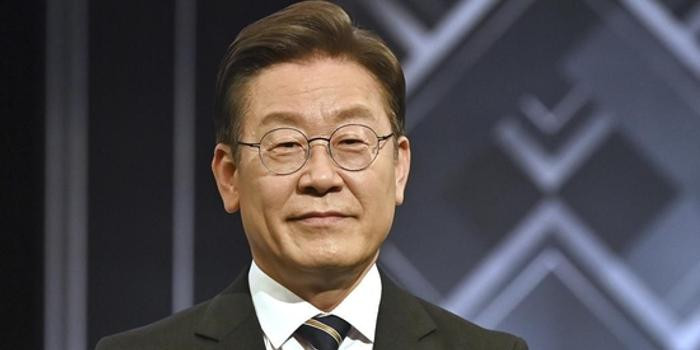
On Wednesday, South Korean stocks surged, leading gains across Asia-Pacific markets. This came after Lee Jae-myung, leader of the Democratic Party of Korea, won the presidential election, ending months of leadership vacuum and eliminating political uncertainty in the country.
By the close of trading, the KOSPI index rose 2.66% to 2,770.84 points, exceeding the recent low of 2,293.7 set in April by more than 20%. This marks the index's entry into a technical bull market.
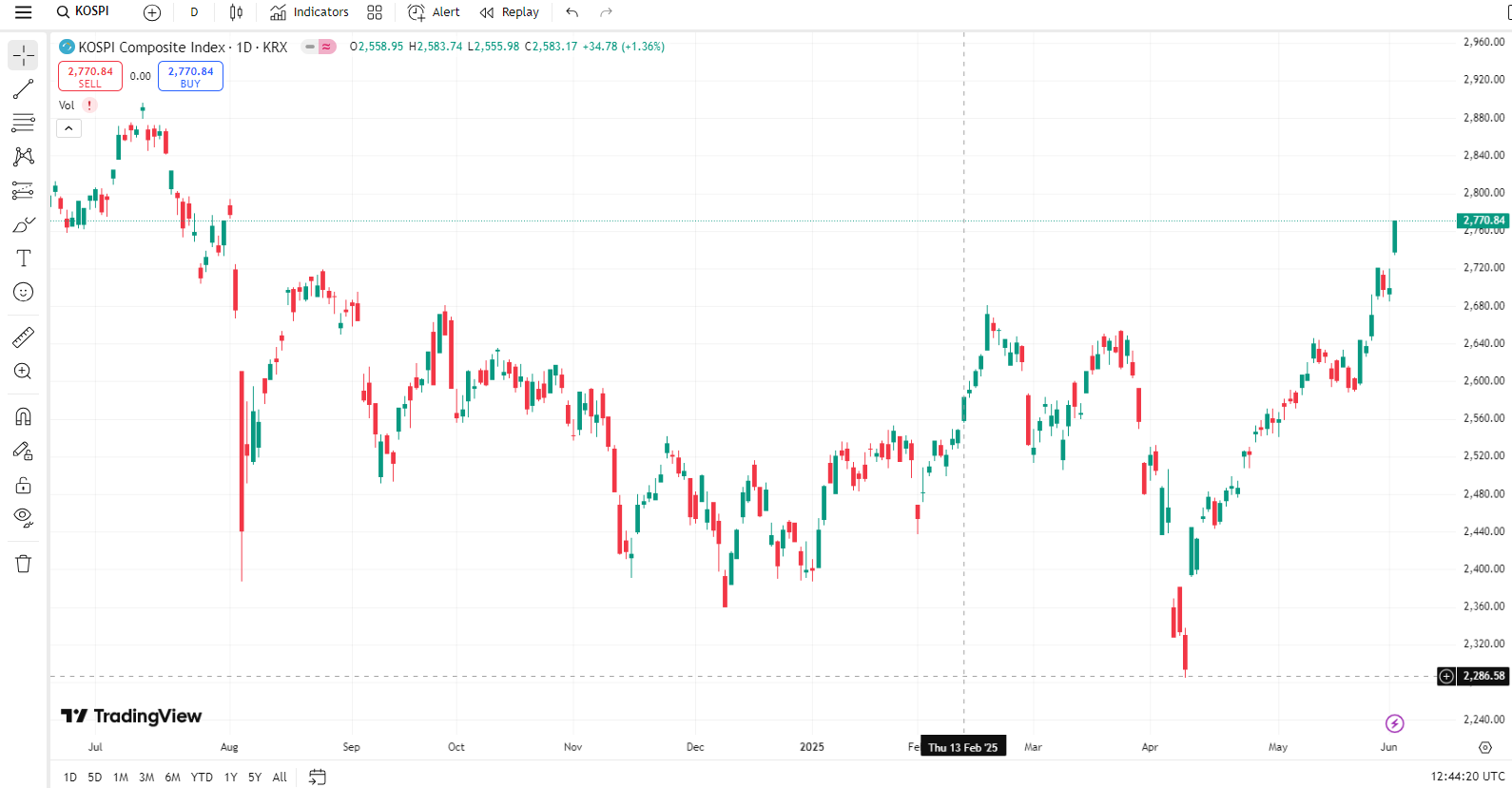
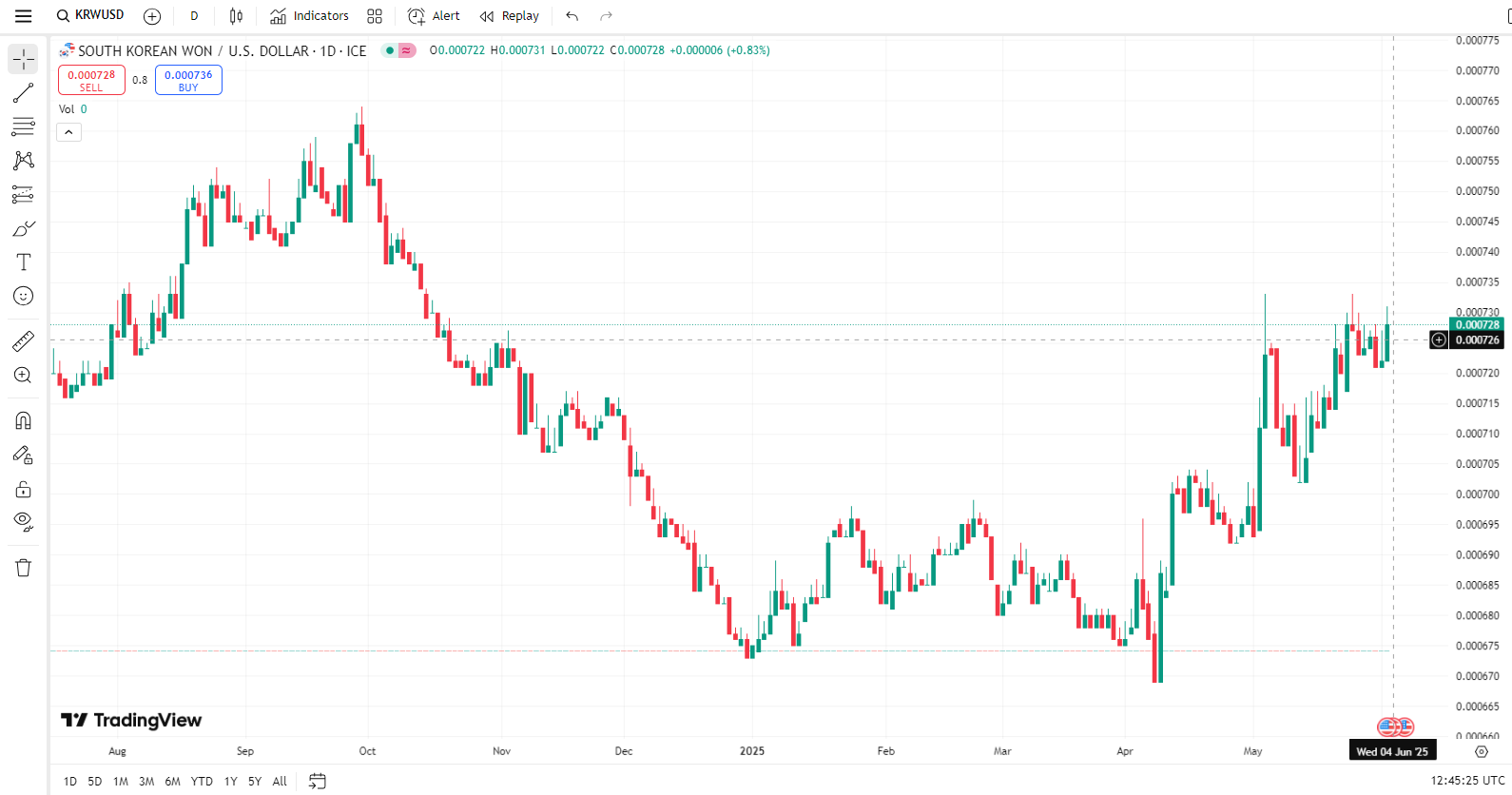
Since the start of this year, KOSPI has gained over 15%. Meanwhile, the South Korean won strengthened, with the USD/KRW exchange rate dropping 0.83% by close.
However, South Korean government bonds underperformed, with the 10-year Treasury yield surging, reflecting market concerns that the new government might introduce expansionary fiscal policies, potentially increasing bond supply.
Following the electoral commission's confirmation of Lee Jae-myung's victory, he officially commenced his presidential term, removing one of the biggest hurdles affecting local markets—political uncertainty.
The political crisis unfolded after former President Yoon Suk-yeol briefly imposed martial law in December last year, triggering large-scale protests.
In April this year, the Constitutional Court approved the impeachment of Yoon, who was then removed from office. Under South Korea's constitution, a presidential election must be held within 60 days of a vacancy caused by impeachment, advancing the originally scheduled 2027 election to June 3 this year.
Market focus now shifts to Lee's policies aimed at boosting economic growth, prioritizing increased government spending, improved corporate governance, strengthened labor protection, and concluding ongoing tariff and exchange rate negotiations with the Trump administration.
Notably, South Korea's economy shrank in the first quarter of this year before former U.S. President Trump announced across-the-board tariff hikes in early April, highlighting economic fragility.
Despite political uncertainties and economic downturns, South Korean equities and the won have shown resilience this year, outperforming most Asian peers. The won gained momentum after Yoon's ouster in April, emerging as one of Asia's best-performing currencies.
Significantly, Lee Jae-myung stated during his campaign that he aims for the KOSPI index to reach 5,000 points—though without specifying a timeline. This goal underscores his emphasis on the stock market, alongside promises to enhance local equity valuations and end the "Korea discount" phenomenon.
He has also pledged to promote the adoption of local spot crypto ETFs and establish a KRW-anchored stablecoin market to prevent domestic capital outflows. He will also complete the second phase of the digital asset regulatory framework, focusing on stablecoin regulation and exchange transparency, while reducing regulations in blockchain special zones to foster innovation.