
Economic Crossroads: Are U.S. Growth and Markets Diverging?

U.S. private payrolls slowed in May, with ADP reporting just 37,000 new jobs versus forecasts of 111,000. At the same time, mortgage applications slid to a five-week low even as rates ticked down slightly. Despite these warning signals, equity markets remain calm ahead of official nonfarm data, highlighting a balance between risk and resilience.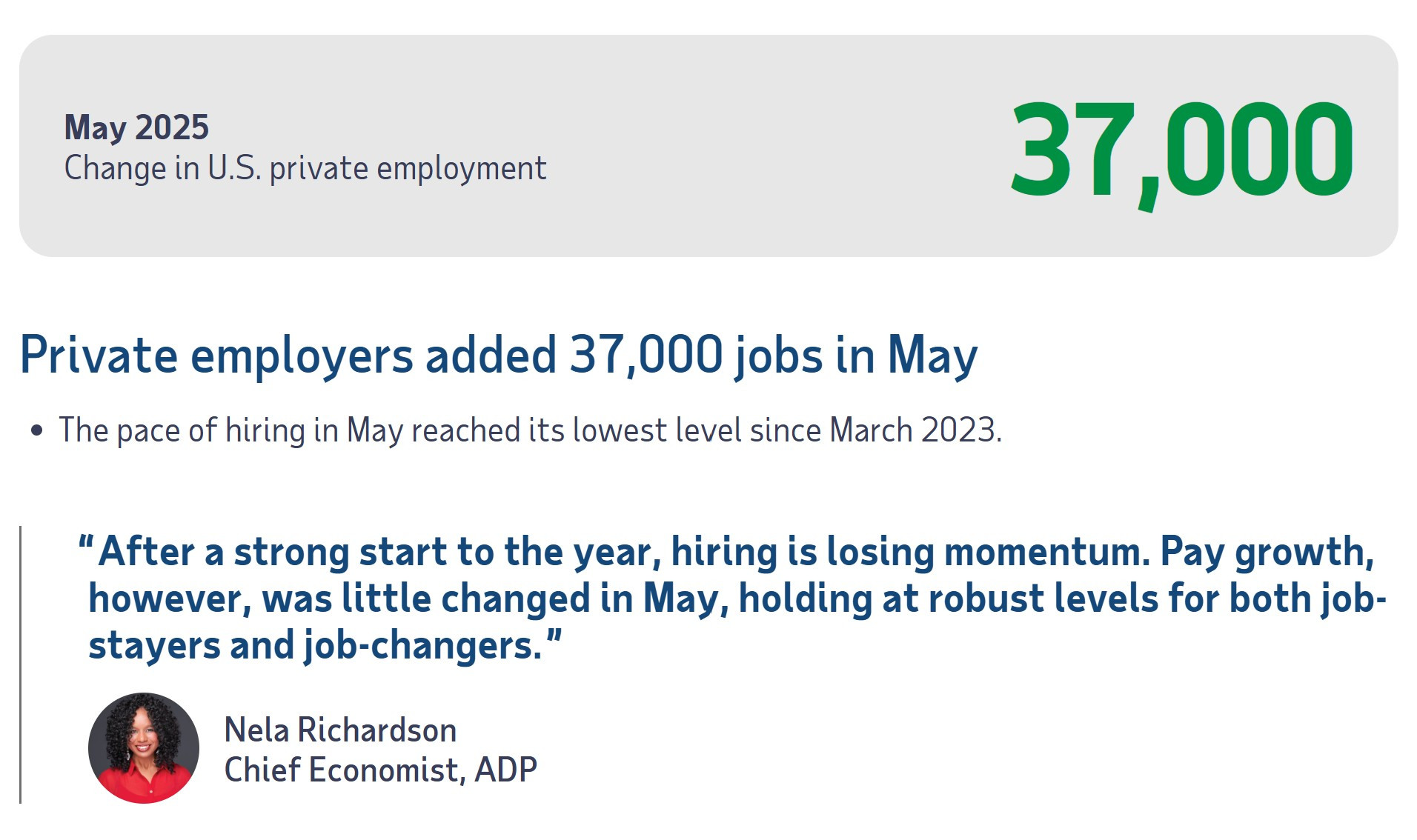
Meanwhile, the Labor Department reported April job openings unexpectedly climbed, contrasting with ADP’s soft hiring snapshot and low Indeed recruitment indicators. This uneven data mix leaves investors dissecting which metrics best signal the economy’s trajectory, especially as tariffs and geopolitical risks linger.
Employment Challenges: A Sudden Brake
ADP’s May report stunned economists, showing private sector job growth nearly stalled at 37,000 positions—its weakest since March 2023. This figure fell well below April’s revised hiring of 60,000 and analysts’ consensus of 111,000. Sector breakdowns revealed manufacturing and resource extraction cuts, offset marginally by gains in construction and leisure services.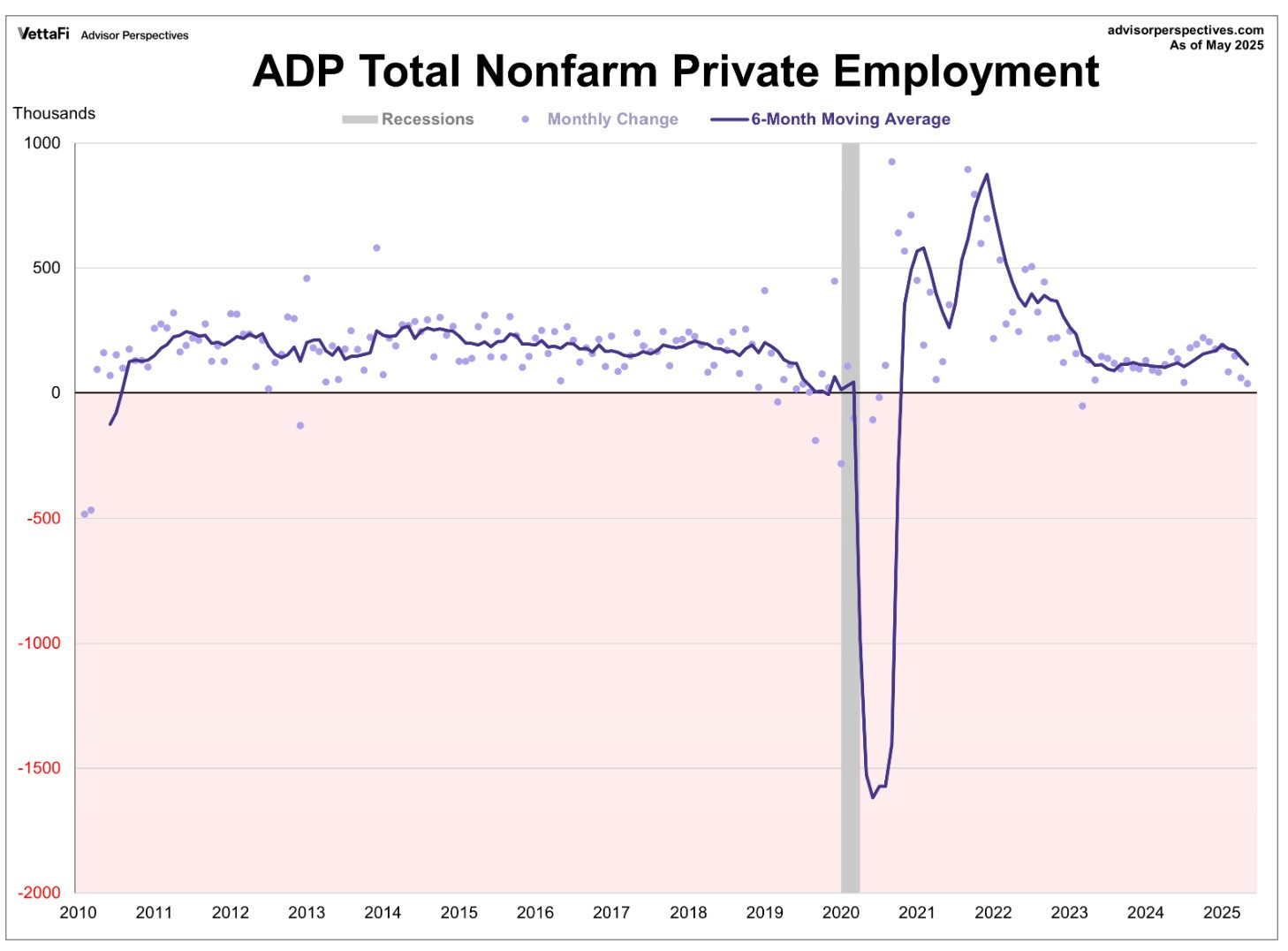
ADP’s chief economist cautioned that robust hiring earlier in the year is losing steam. Small firms shed 13,000 jobs, while medium and large businesses also trimmed headcounts. Wage growth remained strong, with stayers earning 4.5% more and switchers 7%, signaling pockets of resilience amid overall softening.
Nela Richardson remarked that the distribution of job losses across sectors signals uneven recovery. Financial activities and leisure services showed hiring, but professional and educational services shed jobs. Retail and transportation also contributed to the decline, reflecting broader caution among employers who may be holding back on new hires.
Wage dynamics remain a bright spot, even as overall payroll gains slump. Workers staying in their roles saw a 4.5% annual pay rise, while job switchers enjoyed a 7% bump. Such trends suggest employers still compete for talent, but cooling labor demand may temper future wage growth.
Housing Headwinds: Will Buyers Return?
Mortgage Bankers Association data show purchase applications dropped 4.4% to an index of 155—the lowest in five weeks. Refinance applications fell 3.5%, marking a fourth consecutive weekly decline. Even as the 30-year rate eased six basis points to 6.92%, financing costs hover near 7%, deterring many buyers.
April’s existing home sales posted their largest drop since September 2022, exacerbating concerns over market fatigue. Although listings have risen, high prices and elevated rates limit activity. The MBA survey, covering 75% of retail home loan requests since 1990, underscores persistent headwinds facing the housing recovery.
Industry experts note that while inventory levels have risen slightly, the mismatch between seller expectations and buyer affordability persists. Many homeowners remain hesitant to list, waiting for clearer rate trends. First-time buyers face limited options, as elevated prices and mortgage costs erode purchasing power.
Given historical context, the current dip mirrors past slowdowns when rates hovered near 7%. Yet, economists caution that without sustained rate relief, the spring homebuying season may falter. Data from the National Association of Realtors indicates that buyer traffic fell, suggesting sentiment has weakened despite temporary rate easing.
Fed Under Fire: Will Rate Cuts Follow?
Following ADP’s weak report, President Trump publicly urged Fed Chair Powell to enact rate cuts, noting Europe has already reduced borrowing costs nine times. Fed officials, however, maintain a cautious stance. Governor Cook acknowledged that although the economy remains solid, uncertainty around tariffs poses risks to both inflation and employment.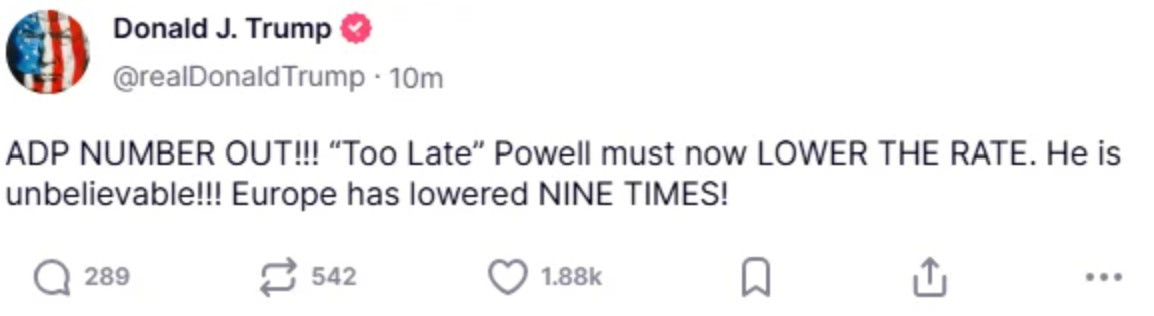
Despite mixed labor indicators—like job openings above forecasts but soft hiring intentions—markets largely expect policy rates to remain unchanged at the June meeting. Piper Sandler data show implied S&P 500 volatility at just ±0.9% before nonfarm Friday, signaling investor confidence in economic stability unless surprises emerge.
Forecasts for Friday’s nonfarm payroll report target 125,000 new jobs and a stable 4.2% unemployment rate. Yet, ADP’s underwhelming results cast doubt on these figures. Atlanta Fed’s GDPNow model predicts 4.6% annualized GDP growth in Q2, underscoring the disconnect between headline output and labor metrics.
Fed’s Federal Open Market Committee enters a blackout period before the June 18 rate decision, limiting public commentary. Nonetheless, futures traders price in a near-even chance of a rate cut by year-end, reflecting uncertainty. Analysts warn that incoming data on inflation and hiring will heavily sway policy forecasts.
Markets Hold Steady Amid Uncertainty
Equity investors have shrugged off tariff jitters, with the S&P 500 hovering just 2.8% below its 2025 high. Early trade reactions to weak data were muted, as previous tariff pauses and positive inflation and hiring figures bolstered sentiment. Citigroup strategists highlight that robust fundamentals underpin this calm.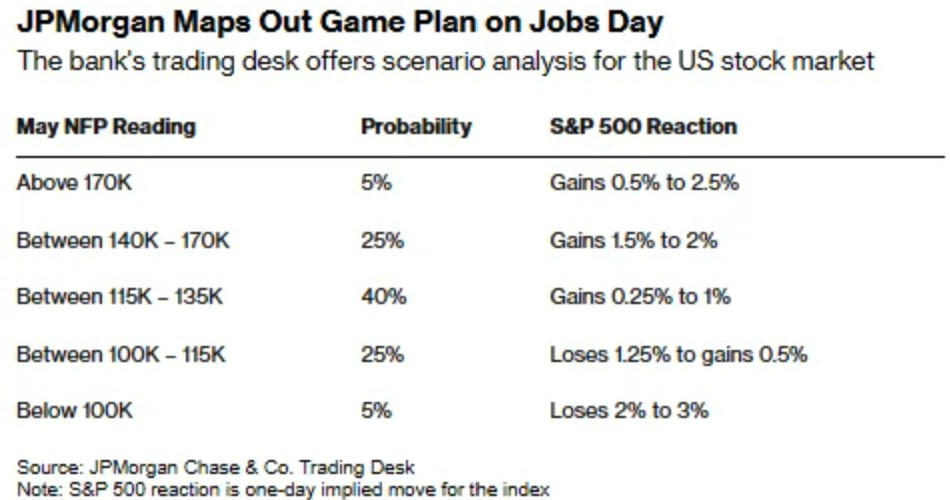
However, strategists warn that any surprise rise in unemployment could force markets to reprice growth expectations. J.P. Morgan indicates a sub-100,000 payroll gain might trigger a 3% S&P decline. For now, investors sit in a waiting game, eyeing Friday’s nonfarm data to confirm or shatter the fragile outlook.
Equity volatility gauges plummeted as investors grew comfortable with a delayed tariff escalation. Citigroup’s Vishal Vivek emphasized that robust corporate earnings and healthy consumer spending underlie the calm. Still, he cautioned that a sudden spike in jobless claims or inflation could revive volatility quickly.
Industry surveys reveal that fund managers are overweight tech and financials, anticipating stable growth. Yet bond yields remain sensitive to Fed speak, with 10-year Treasury hovering around 3.9%. Market participants await fresh CPI and PPI data next week, which could recalibrate risk appetite before nonfarm figures.
Despite headwinds, some analysts view current market stability as temporary. Larry Benedict at The Opportunistic Trader notes that tariffs’ impact on employment and inflation could take months to surface. Until then, investors monitor corporate guidance and Fed communications for clues, remaining poised to adjust positions if data diverges from expectations.