
Musk Slams Trump The Big and Beautiful Bill Signals a Changing Market Logic

$TSLA’s recent stock drop wasn’t just about weak sales—it was triggered by a few bold tweets from Elon Musk.
To understand the backstory, we need to talk about Trump’s new “Big and Beautiful” bill.
What Is the Big and Beautiful Bill
This bill, pushed by Trump, is a sweeping economic package that combines tax cuts with spending reductions. It’s over 1,000 pages long and includes extended tax breaks for individuals and corporations, new tax perks for tips and auto loans, bigger defense spending, and more funding for immigration enforcement.
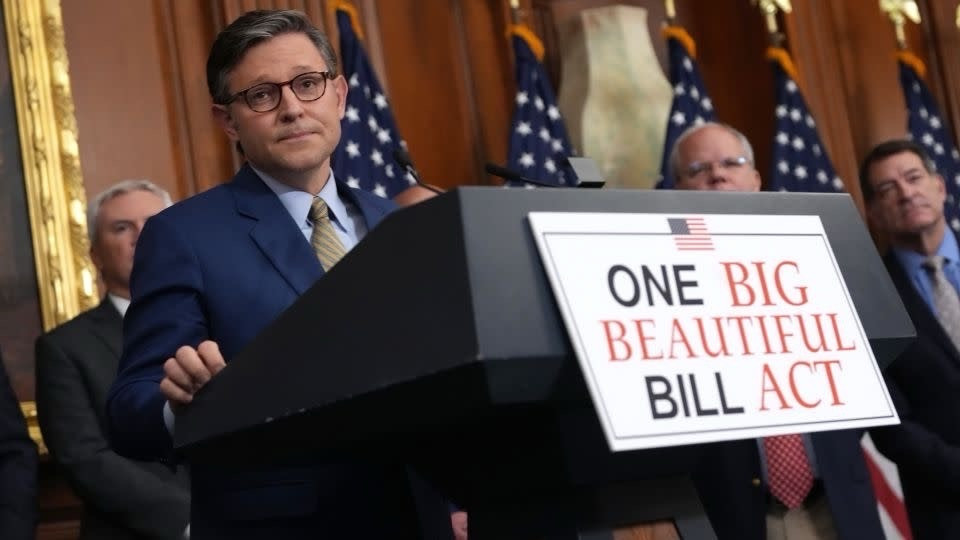
Trump called it “Big and Beautiful” because it’s massive, broad, and—according to him—great for the economy. But not everyone agrees. Critics say it’s fiscally irresponsible. And surprisingly, even Musk, once seen as an ally, is publicly pushing back.
What Exactly Did Musk Say
In early June, Musk went on a posting spree on X (formerly Twitter), blasting the bill as “disgusting,” “full of hidden handouts,” and “a disaster for the deficit.” He even called on voters to “clean house” and vote out the lawmakers supporting it.
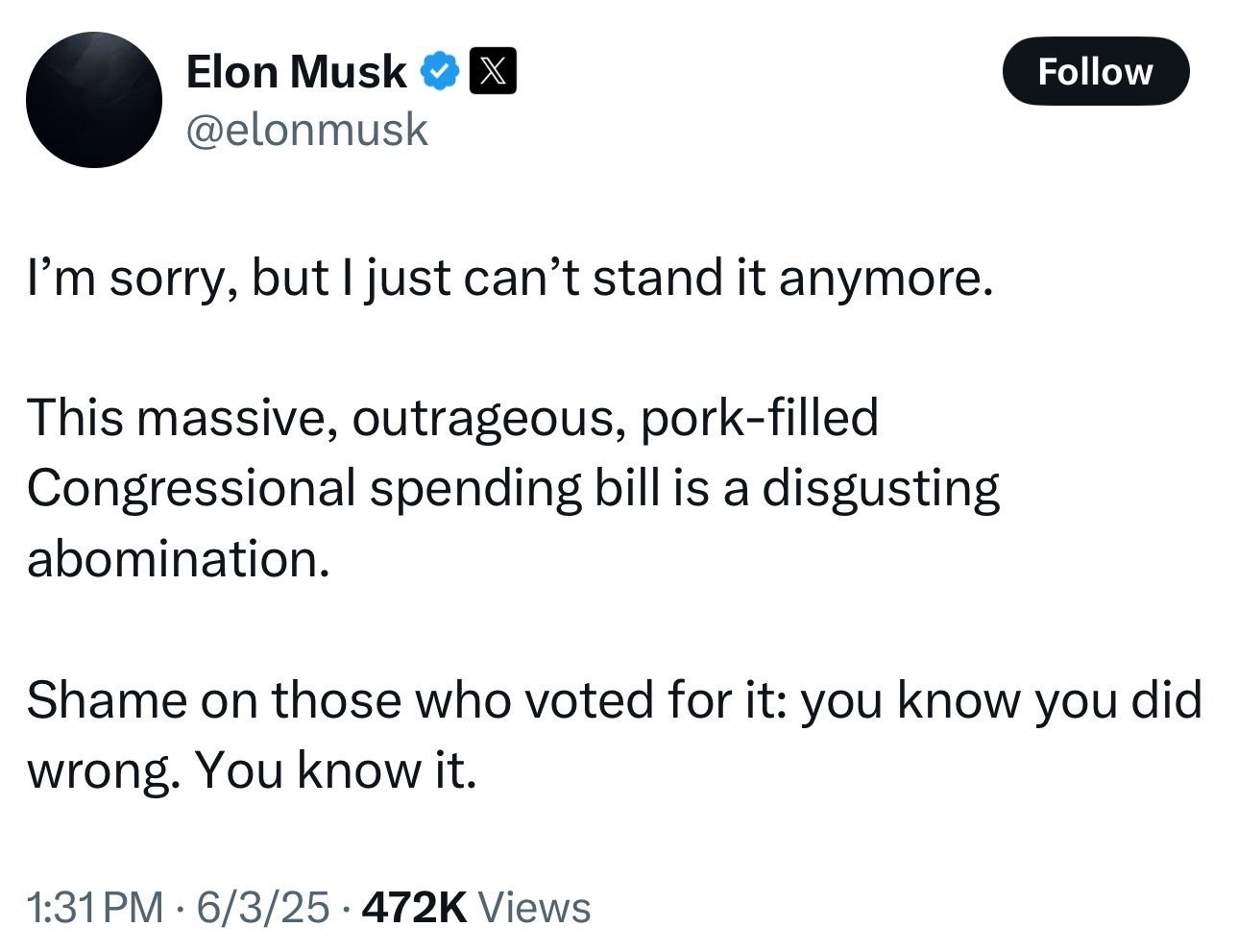
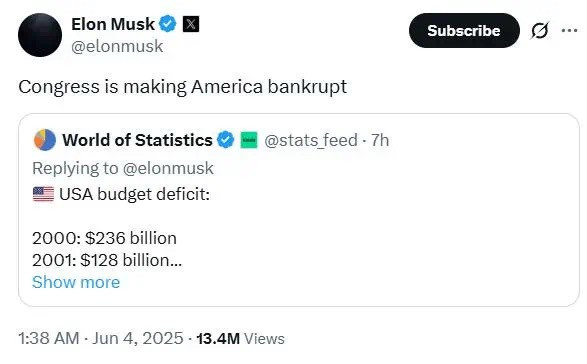
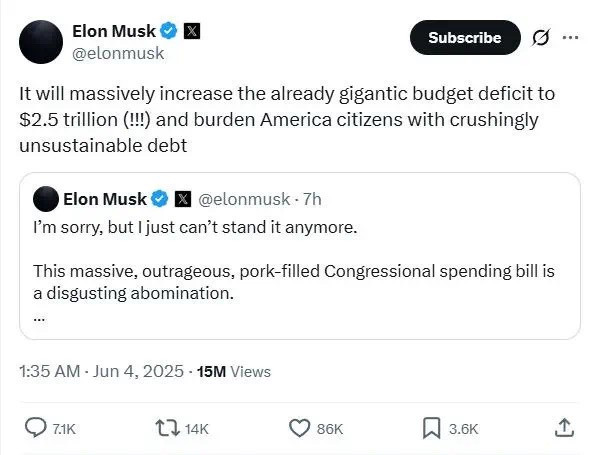
This wasn’t just a hot take. Just a few days earlier, Musk had stepped down from a loosely defined advisory role known as the “Department of Government Efficiency.” His public outrage now looks more like a strategic move—he may have left the post, but he’s not leaving the stage.
So Are Musk and Trump No Longer on the Same Side
Not exactly enemies—but no longer natural allies either.
Their relationship now feels transactional. If someone offers policy support, resources, or media access, they’re a friend. But once interests collide, the gloves come off.
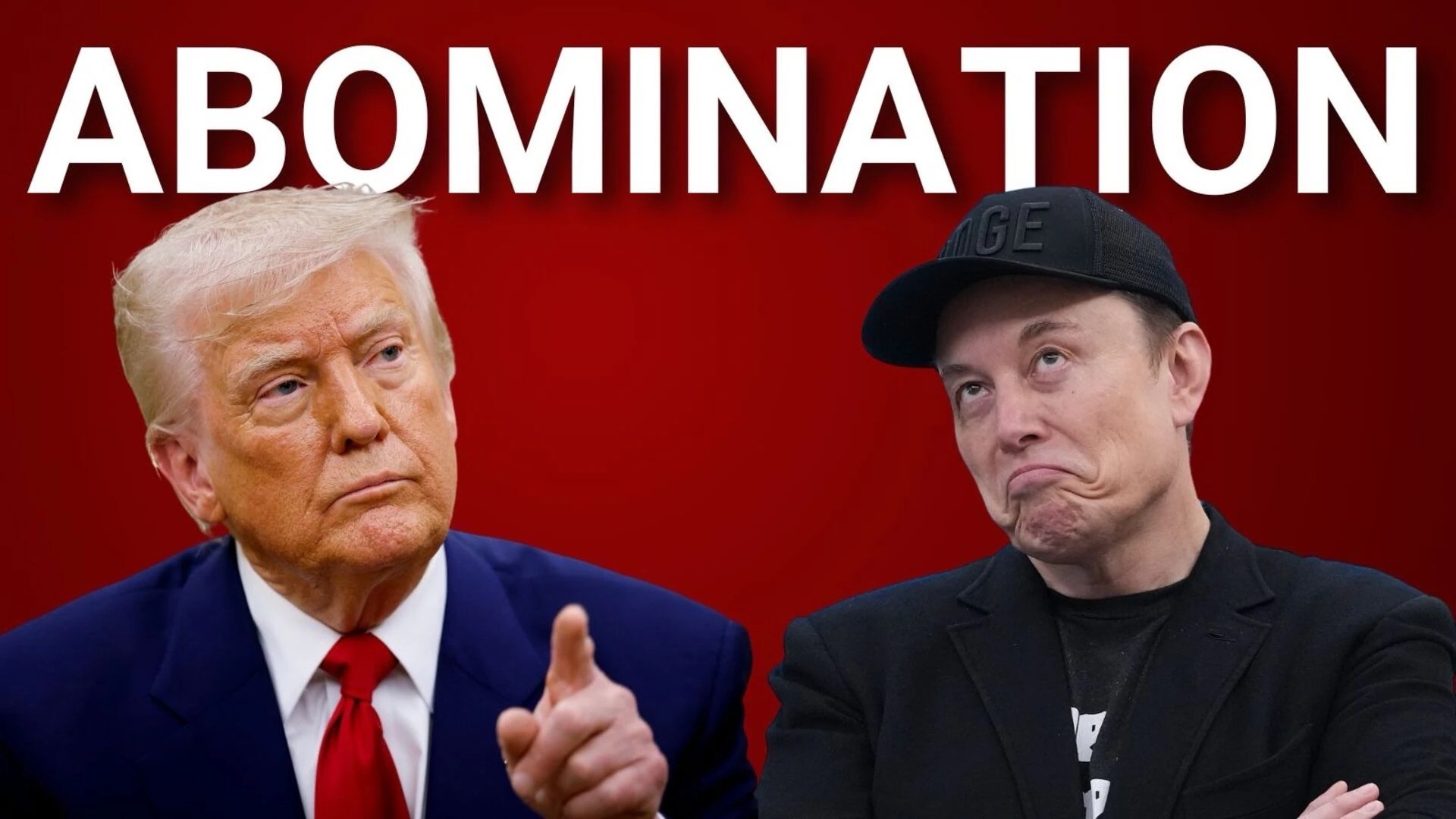
According to Axios, Trump’s team was “furious” about Musk’s comments. The White House press secretary acknowledged the criticism but said the President wouldn’t change course. And House Speaker Mike Johnson outright declared, “Musk is wrong.”
Insiders say Musk’s anger is about more than just one bill. It’s a build-up of frustrations:
• The bill cuts EV tax credits, directly hurting Tesla.
• Musk wanted to stay on in his advisory role, but the government declined.
• His proposal to let the FAA use SpaceX’s Starlink system was rejected.
• And Trump suddenly pulled the nomination of Musk’s friend Jared Isaacman for NASA chief—that was the final straw.
Musk is realizing something important. His strategy of trading tech support for political capital isn’t working like it used to.
Why Did the Stock Market React So Sharply
Right after Musk’s tweets, Tesla stock reversed course—from up 0.5% to a nearly 4% drop. The next day, while the broader market stayed stable, Tesla fell another 3.6%.
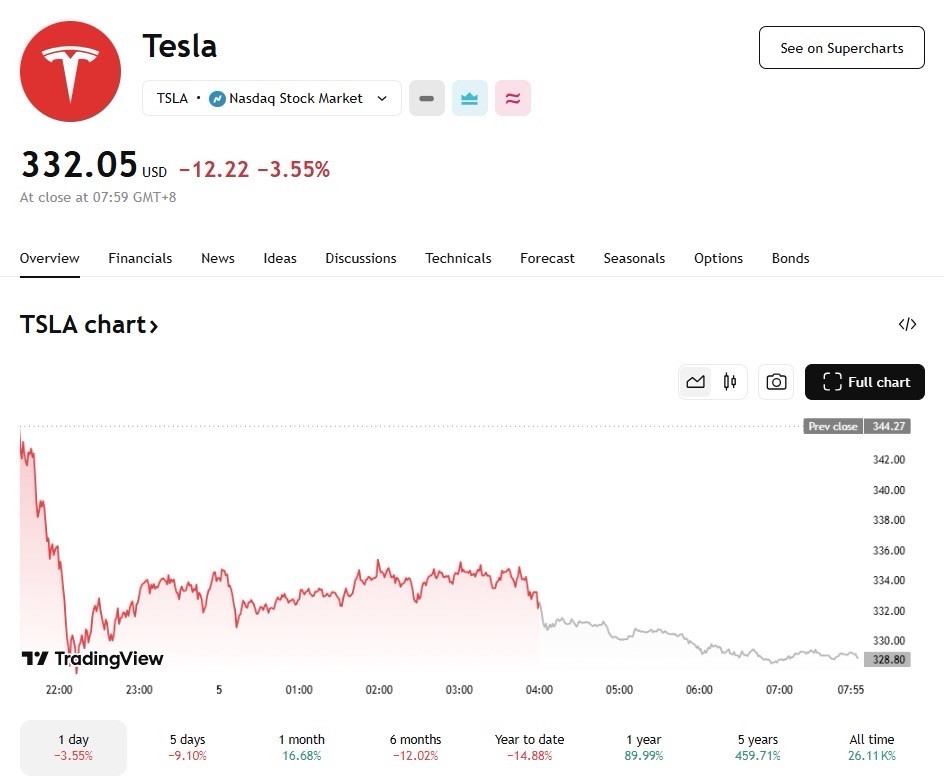
Sure, part of it was fundamentals. Sales in Germany are down 36% year over year, and Shanghai deliveries are off 15%. For the first nine weeks of Q2, Tesla’s global retail sales fell 17%. Recent weeks showed a small rebound—but investors clearly care more about the long-term trend.
But the real issue is policy risk.
By going against Trump, Musk could be putting Tesla’s political advantage at risk. For example, Republican-led proposals on autonomous driving regulations were a win for Tesla. If Musk loses access or influence, those gains may no longer materialize.
This Is About More Than Just One Billionaire Feud
At its core, this is a symptom of a deeper rift in American politics.
Trump wants to win back the middle class by cutting taxes and slashing spending. But that could lead to larger deficits and force millions to lose benefits—over 8 million could lose healthcare, and 4 million might lose food assistance.
Musk, like many in big tech, is in a strange spot. His companies benefit from tax cuts but also depend on stable government spending to fund cutting-edge work like autonomous vehicles and space exploration. What he’s worried about is a future where the U.S. government becomes a tax-cutting machine with no real commitment to innovation.
Put simply, Trump wants to sell a “tax cuts are patriotic” narrative. Musk is worried the country is turning into a “throw money, do nothing” system.
And no tweetstorm can fix that divide.
Two Key Signals That Investors Should Watch Closely
This isn’t just about personalities—it’s about shifting capital priorities. In my view, two trends are now emerging that could reshape the market:
First is the rotation under Trump-style fiscal stimulus
If Trump continues pushing for reindustrialization, reshoring, and domestic procurement, then capital will chase those themes. That means defense, energy, infrastructure, and midstream manufacturing could see multiple expansion. On the flip side, high-multiple tech stocks—especially those reliant on subsidies like clean energy, autonomous driving, and aerospace—may face valuation pressure. In short, the sectors that benefited from growth premiums may give way to those riding fiscal expansion and inflation tailwinds.
Second is the repricing of the Musk premium
Musk stocks have traded at a premium not only for growth but also for narrative power. Investors saw Musk as a cross-cycle visionary who could shape markets and policy. But that perception is fading. If his influence over government policy weakens, then Tesla, SpaceX, and xAI might be valued more like regular companies and less like strategic national assets. This is the beginning of a long-term de-financialization of the Musk narrative.
My Take
This conflict won’t crash the market. But it does mark a slow, durable shift. Tech stocks are losing their beta edge, while underpriced sectors tied to Trump-style fiscal policies are gaining ground.
The real story here isn’t just that Musk clapped back at Trump.
It’s that the market is starting to rotate—quietly but decisively—away from growth myths and toward hard fiscal beneficiaries.
And that rotation is just getting started.