
China and the US Are Talking Again And Rare Earths Are Suddenly the Focus

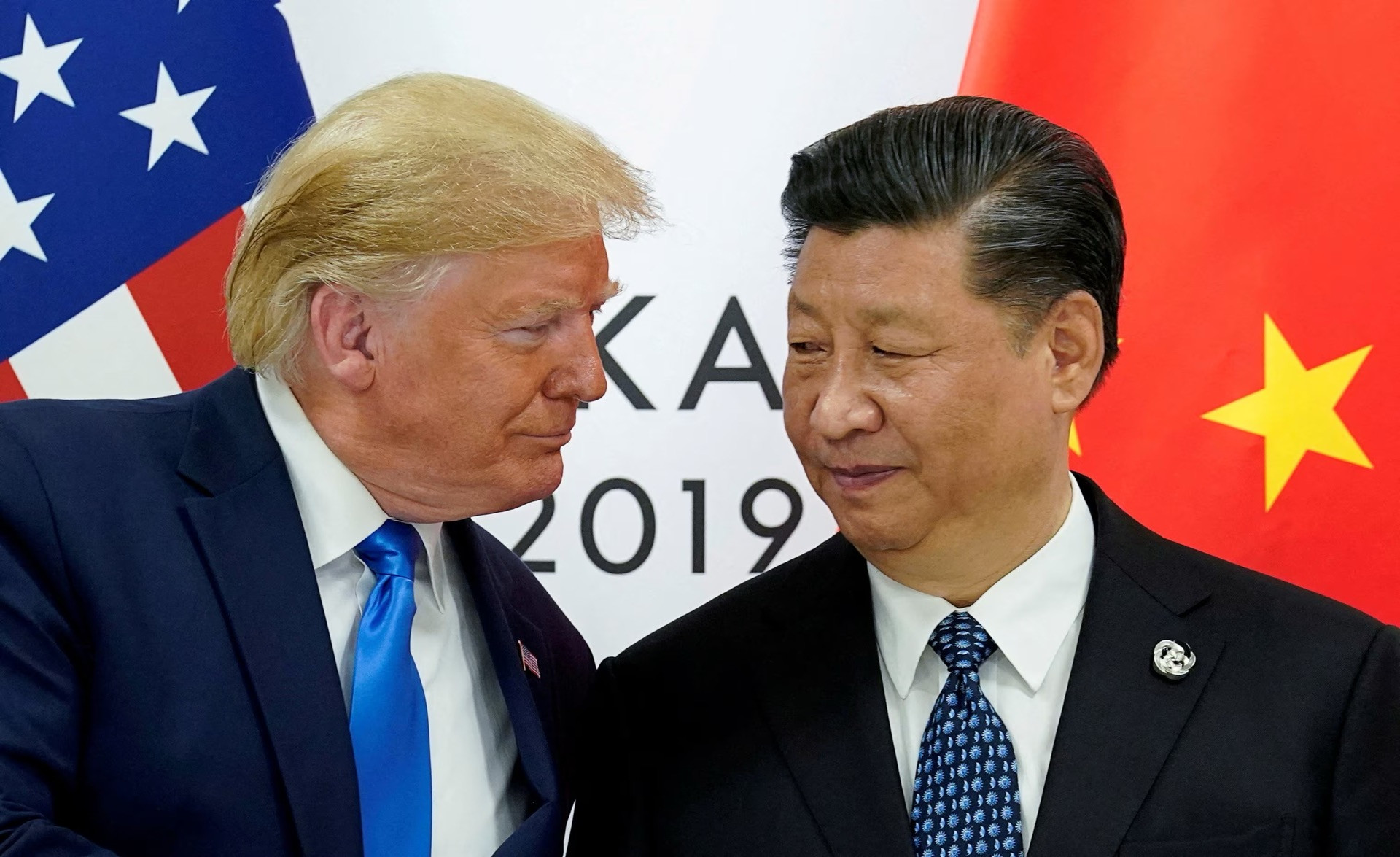
After nearly five months of silence, President Trump and President Xi finally got back on the phone. The call lasted over 90 minutes and both sides described it as “constructive.” But the line that really caught the market’s attention was a subtle one: they talked about rare earth exports.
So what exactly are rare earths? And why are they suddenly in the spotlight?
Let’s start with the basics
Rare earths aren’t actually that rare. They’re a group of 17 chemical elements that are fairly abundant in the Earth’s crust. But extracting and processing them is a messy, highly technical job, often involving toxic waste and costly equipment.

So what makes them important? In short: they’re the “vitamins” of modern technology.
Think electric motors, smartphones, wind turbines, missile systems, even AI chips and semiconductor equipment. None of that works without rare earths. Especially the high-performance magnets like neodymium–iron–boron (NdFeB), where China controls over 90% of global output.
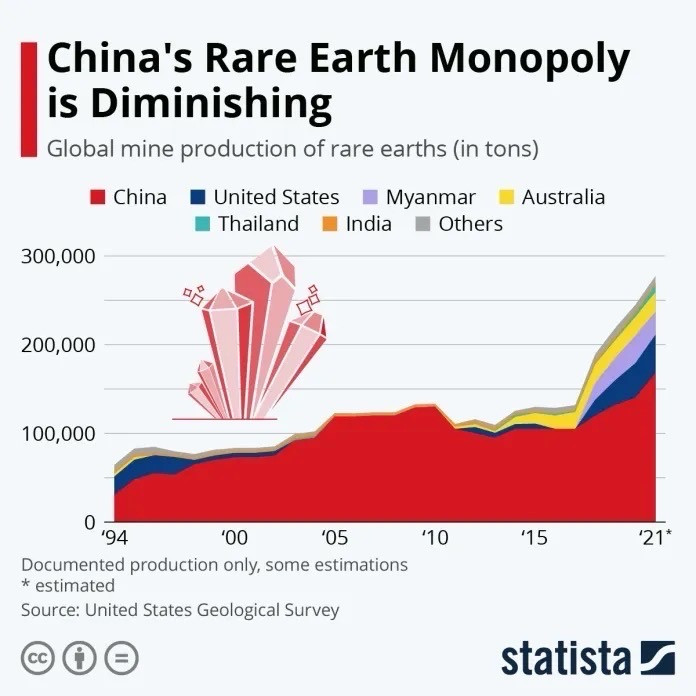
Which is why a single mention of rare earths in a top-level US–China call isn’t just casual—it’s a signal that the supply chain battle is heating up.
The Backdrop How Trade Talks Turned into a Trust Crisis
Back in mid-May, the US and China reached a 90-day “tariff ceasefire” during talks in Geneva. It gave both sides some breathing room—but it didn’t last. Disagreements quickly emerged over rare earth export approvals. The US accused China of “stalling,” while China pushed back, pointing to US actions like tightening chip export restrictions and revoking student visas.
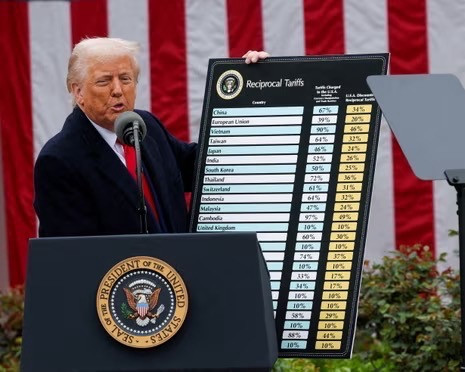
At the heart of this is a deep trust gap. Neither side believes the other is negotiating in good faith, and no one wants to blink first. Trump’s decision to pick up the phone now looks like a strategic pause—an attempt to cool things down and set the stage for a more manageable rivalry.
What Trump Wants From This Call
According to US readouts, the call had three key goals from Trump’s side:
1. Get rare earth exports moving again
The US has been publicly frustrated with delays, and rare earths are critical for its electric vehicles, motors, and defense tech.
2. Set the tone for his second term with China
This was Trump’s first direct contact with Xi since returning to office. The timing matters—it came just as tensions with Europe were rising, and ahead of the German chancellor’s visit to Washington. He needed to keep China from becoming a second front.
3. Dial down the chip war backlash
China’s pushback on the latest round of AI chip restrictions was stronger than expected. Trump may be worried that overplaying his hand could spook Chinese capital already invested in US markets.
China Isn’t Just Sitting Back Either
Sure, Trump made the call—but Beijing had already been laying the groundwork.
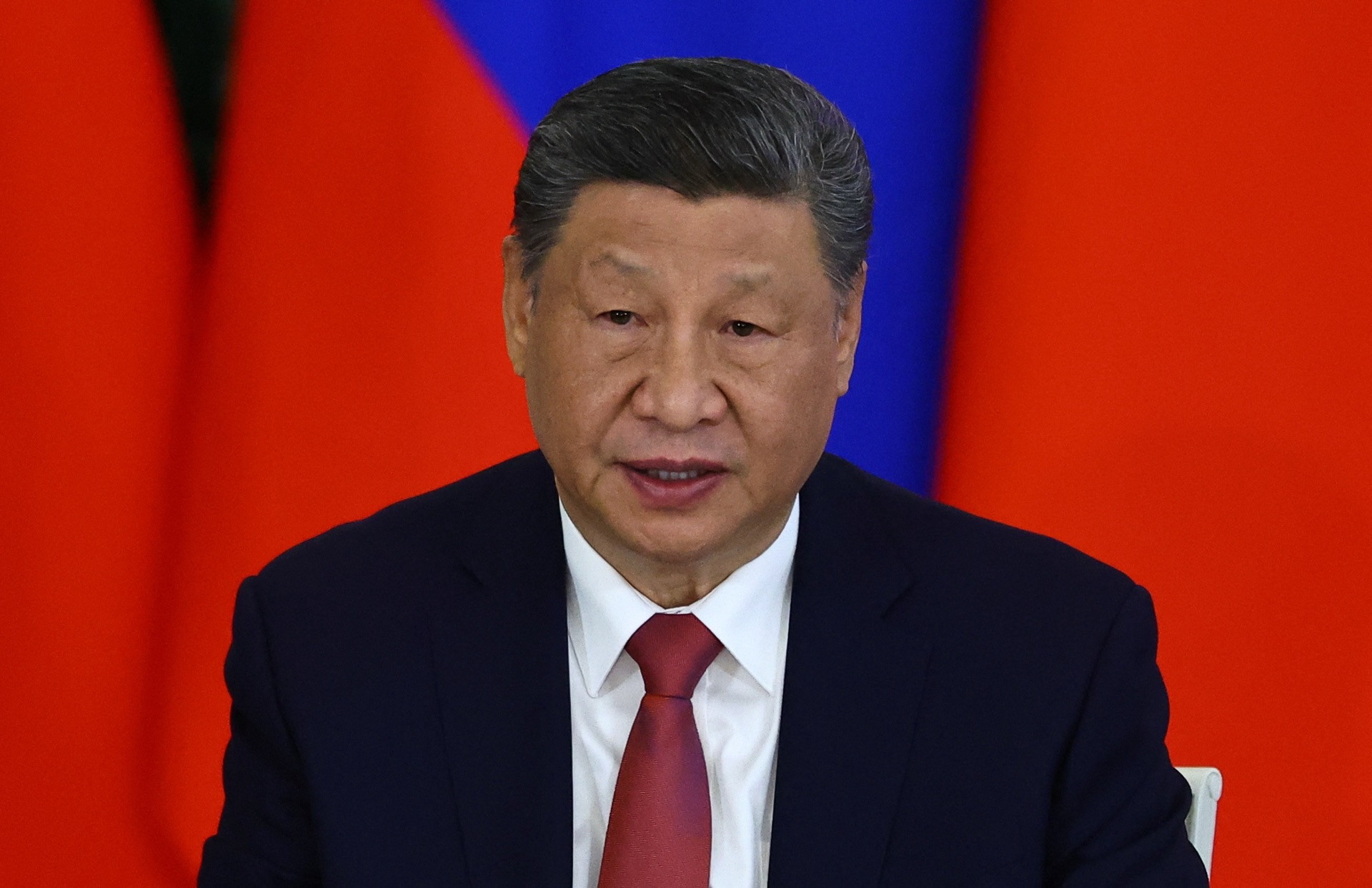
Just two days before the call, Chinese Foreign Minister Wang Yi met with the US Ambassador in Beijing, signaling a willingness to de-escalate. On the same day, Vice Premier Han Zheng hosted a closed-door meeting with a group of influential American think tank experts—what’s known as a “Track II” dialogue.
These aren’t random coincidences. They suggest China was also looking for a way to cool things down—at least for now. With the economy under pressure, Beijing has little incentive to let tensions spiral out of control.
Quick side note: What’s a “Track II” dialogue?
It’s a kind of unofficial backchannel diplomacy where former officials, scholars, and experts exchange ideas when formal talks hit a wall. It’s useful for testing new positions or defusing tension without making it official.
The fact that Track II talks are happening now tells us one thing: both sides know they’re walking a fine line—and they want to keep the communication window open, even when things get messy.
Three Signals You Don’t Want to Miss
I picked up a few interesting signals from this call:
Rare earths just got promoted to the big leagues
For years, both countries have maneuvered around rare earths, but it’s never made it into head-of-state conversations—until now. That tells us the US is seriously concerned, and China is ready to treat rare earths as a true strategic lever.
If China tightens the screws further, it could widen the gaps in US electric vehicle production, defense supply chains, and AI manufacturing.
Chip controls are spilling into diplomacy
The US has been cracking down on high-end chip exports from companies like NVIDIA and AMD. But China didn’t just respond through official channels—it also used the Track II meeting to push back hard.
In other words, China is reframing chip restrictions as “economic containment,” and answering with pressure where it hurts most: critical resources like rare earths.
This call might be the start of a new trade playbook
Trump’s call didn’t just include general talk. It also mentioned a new negotiating team involving the Treasury Secretary, Commerce Secretary, and Trade Representative. That’s a classic setup for trade negotiations—not just diplomacy.
It suggests the US is looking to restart talks on tariffs, export controls, rare earth flows, and even the rules of the AI game.
And face-to-face talks are on the table, both sides extended visit invitations. That’s not just a courtesy—it means neither wants things to spiral further, and both are keeping the door open.
What This Means for the Stock Market
As an investor, I see this call as more than just politics—it has real market implications:
Short-term stability just got a boost
High-level communication lowers the risk of sudden trade escalations. That’s good news for Chinese exports and manufacturing stocks, especially in A-shares and Hong Kong markets.
Rare earth and resource stocks could get more volatile—but more valuable
The supply chain fight is heating up. Chinese rare earth companies—across mining, refining, and applications—could benefit as Beijing plays the long game. On the flip side, US and European investments may flow into alternative suppliers and new tech for rare earth substitutes.
Tech and chip stocks remain in the danger zone
Even if there’s a pause in new chip restrictions, this remains the core battleground. AI chipmakers and semiconductor players are likely to see continued volatility, and investors should watch closely for new policy shifts.
Final Thought
Rare earths may be the headline today, but the real fight still lies ahead: semiconductors, AI, data security, and who controls tomorrow’s supply chains.
For investors, the message is clear: don’t just chase short-term news. Look for structural trends. Who controls the inputs to next-gen tech? Who can pivot when the rules change?
That’s where the real opportunities—and risks—will be.
If you found this breakdown helpful, follow my account for more deep dives on global markets and how geopolitics shapes your investments.