
Why Everyone Wants to Get Rich Overnight — But Buffett Took 70 Years

Daniel Value Investing
June 6, 2025
GoGPT Summarizes Articles
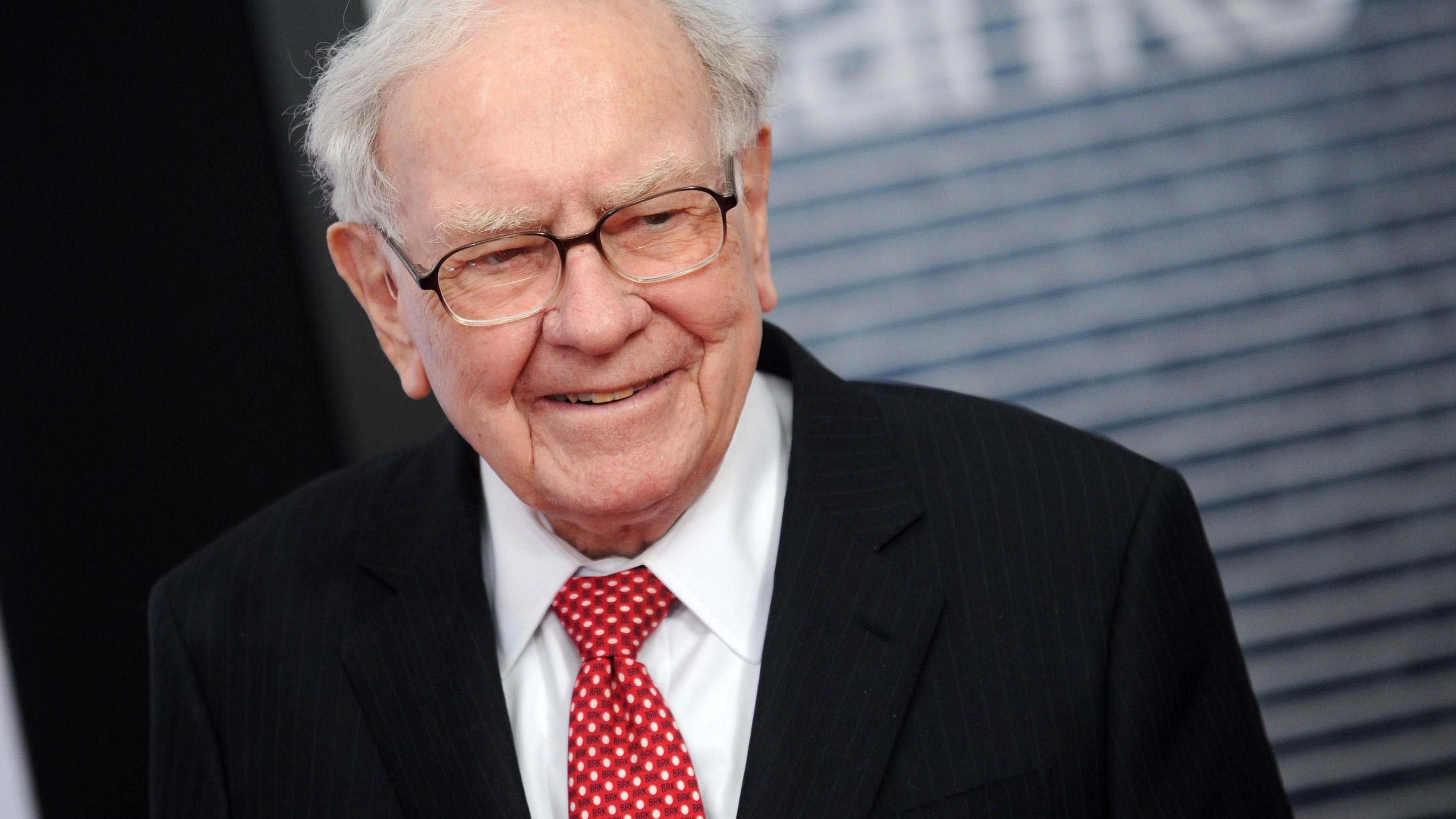
Warren Buffett turns 95 this August. In a recent interview, he said something that really stuck with me:
“I didn't really start getting old, for some strange reason, until I was about 90. But when you start getting old, it does become — it’s irreversible.”
That’s Buffett — brutally honest, yet always calm and clear. Even as Berkshire Hathaway recently confirmed Greg Abel will succeed him as CEO in 2026, Buffett still insists he’s not done:
“I will be useful if there's a panic in the market because I don't get fearful when things go down in price or everybody else gets scared.”
He’s lived through 14 recessions, dozens of crashes, multiple wars, and hundreds of market bubbles. And yet, Buffett never chased the hype. He’s one of the richest people on earth not because he found the next big thing — but because he mastered the basics, and stayed consistent for over 70 years.
In a world obsessed with speed — from crypto to meme stocks to AI mania — Buffett’s life is a reminder: you don’t have to move fast to build lasting wealth.
Age 11: His First Stock — And First Lesson
Buffett bought his first stock at 11 years old. He’d already been selling Coca-Cola door-to-door and delivering newspapers. That stock — Cities Service — dropped right after he bought it. He panicked and sold for a small profit. But then it skyrocketed. The lesson stuck with him forever: be patient.
Even as a kid, Buffett wasn’t just chasing money. He was asking:
What kind of life do I want? And how do I build it on my own terms?
That mindset — clear goals, no distractions — became his biggest edge.
Benjamin Graham: The Turning Point
Buffett’s life changed when he read The Intelligent Investor by Benjamin Graham. Graham didn’t teach Buffett how to get rich quick. He taught him how to think.
“Price is what you pay. Value is what you get.”
— Benjamin Graham
Value investing, margin of safety, ignoring market noise — Buffett absorbed it all. While others treated the market like a casino, he saw it as a place to buy real businesses at a discount.
It was the start of a philosophy:
Buy what you understand. Stick with it. Let time do the work.
Long-Term Thinking > Hype Chasing
Buffett didn’t become a billionaire until after age 50. In fact, over 99% of his wealth came after he turned 60.
He held Coca-Cola for over 30 years. Same with American Express and more recently, Apple. He wasn’t trying to time the top — he was trying to own great businesses and let compounding do the heavy lifting.
In today’s world, most investors chase the next shiny object — crypto, AI, SPACs, whatever’s trending on TikTok. But Buffett did the opposite. And that’s what made him different.
Simple Life, Massive Wealth
Despite his $120B+ net worth, Buffett still lives in the same house he bought in 1958. Eats McDonald’s for breakfast. Drinks five cans of Coke a day. No private jets, no fancy toys, no flash.
To Buffett, wealth isn’t about status — it’s about freedom.
“Frugality gives me freedom. True luxury is living how you want.”
He doesn’t care what people think. He doesn’t need validation. He just wants to do what he loves — read, think, and invest — every single day.
Timeless Lessons from Buffett
Whether you’re just starting out or 20 years into the game, Buffett’s principles still hold up:
1. Compounding is Magic
Not just with money — with knowledge, habits, relationships.
Small gains, repeated consistently, create massive results.
2. Stay in Your Circle of Competence
You don’t have to be an expert at everything. Just play where you have an edge — and wait for your pitch.
3. Control Your Emotions
Markets are wild. But the ability to stay calm when others panic? That’s your real advantage.
Final Thoughts
Most people want to get rich fast. Buffett took his time — and ended up wealthier, happier, and freer than almost anyone alive.
He didn’t chase the crowd. He didn’t swing at every pitch.
He just knew what he wanted — and stayed on course for 70+ years.
That’s not flashy. But it’s powerful.
#Private Market: Unlocking Potential#valueinvesting