
Stablecoins Take Center Stage: Can They Rescue the Dollar?

In a whirlwind of regulatory activism and market enthusiasm, stablecoins have vaulted from crypto niche to financial headlines. On May 19, the U.S. Senate advanced the GENIUS Act, demanding full-reserve backing and federal charters for large issuers.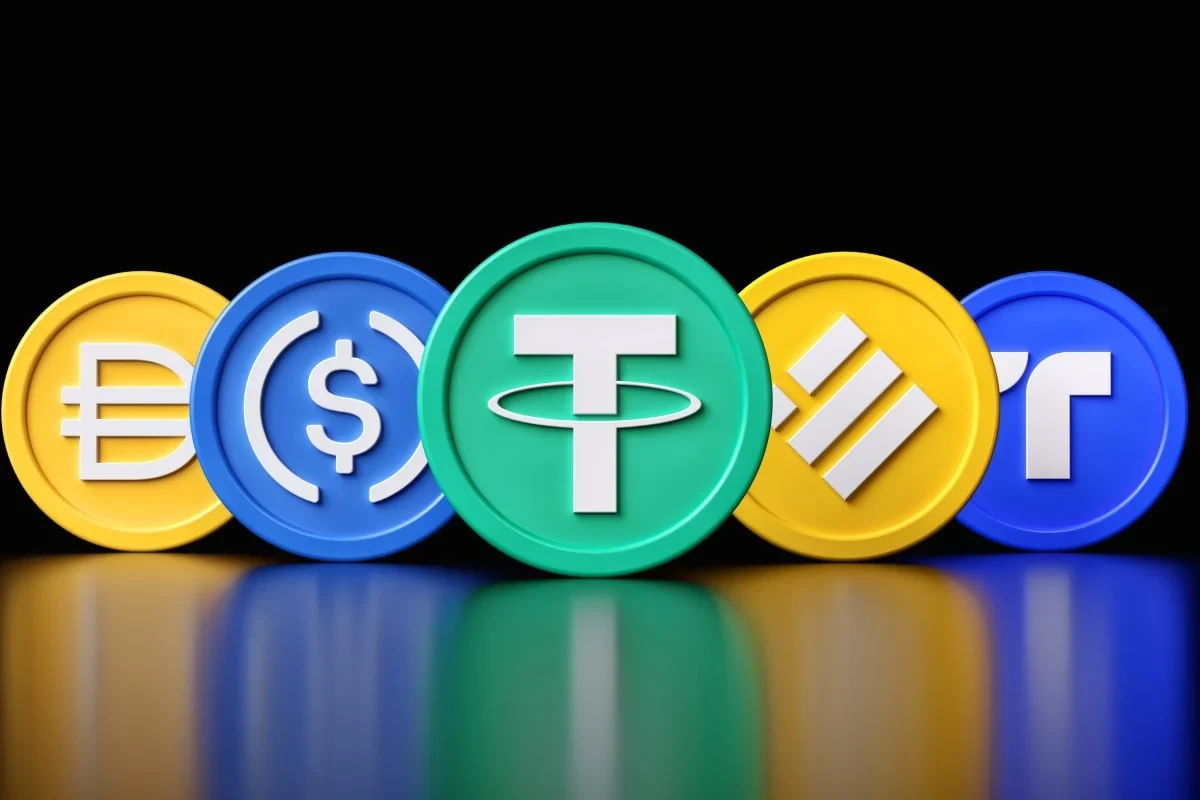
Eleven days later, Hong Kong’s government enshrined its Stablecoin Ordinance into law. Meanwhile, Circle’s USDC–the No. 2 dollar-pegged token–soared 168% on its June 5 IPO debut. All of this feeds a single narrative: can stablecoins shore up confidence in the U.S. dollar and Treasury bonds?
Today, with only $120 billion of short-term Treasuries hidden in $1.2 trillion of USDT and USDC reserves against a $6 trillion market, the answer appears “not yet.” But under the surface, a deeper revolution may be unfolding.
Key Takeaways
- Full-Reserve Mandates: GENIUS Act and Hong Kong law require 100% backing in liquid assets (e.g., U.S. Treasuries), monthly audits, and licensing thresholds.
- Market Scale Today: USDT and USDC combined hold roughly $120 billion of short-dated Treasuries—just 2% of the $6 trillion U.S. short-bond market.
- Circle’s IPO Fever: Circle’s June 5 NYSE debut vaulted 168%, highlighting institutional appetite for regulated crypto payments.
- Future Upside: Only a dramatic surge in stablecoin adoption—paired with deeper Treasury holdings—could materially “rescue” dollar liquidity.
- Strategic Bridge: Over the long term, stablecoins may knit together decentralized rails and centralized fiat, preserving dollar primacy in digital payments.
Why Regulators Are Racing Ahead
From Reaction to Proaction
The collapse of algorithmic and under-reserved tokens—most notoriously TerraUSD (UST) in May 2022—triggered a global reckoning. Regulators realized that unmonitored stablecoins could morph into systemic risks, threatening both financial stability and monetary sovereignty.
The GENIUS Act, passed procedurally in late May, mandates that any issuer with over $10 billion in circulation secure a federal charter, maintain 1:1 reserves of high-quality assets (chiefly U.S. Treasuries and cash), and submit to monthly, audited disclosures.
Hong Kong’s parallel framework, effective May 30, sets a HK$25 million capital requirement, prescribes transparent white papers, and tasks the Hong Kong Monetary Authority with oversight. Both aim to forge the “trust consensus” essential for pegged tokens to function as reliable money.
Balancing Innovation and Oversight
Policymakers face a tricky tightrope: clamp down hard enough to prevent another blow-up, yet avoid stifling a technology with the potential to slash cross-border payment costs by up to 80% and settle transactions in minutes instead of days.
The new rules carve out two tracks: smaller issuers can opt for state-level supervision in the U.S., while big players must answer to federal bodies such as the OCC and the Federal Reserve. By providing clarity on asset-backing standards, auditing cadences, and licensing requirements, regulators hope to coax institutional capital back into crypto rails without unleashing unchecked token issuance.
Circle’s IPO: A Bellwether for Digital Dollars
Phenomenal Debut Underlines Appetite
Circle Internet’s June 5 listing on the New York Stock Exchange was nothing short of spectacular: shares jumped 168% at close, triggering three trading halts within minutes of open. This marks a long-anticipated return for Circle, whose 2022 SPAC merger collapsed under regulatory scrutiny.
The frenzy reflects both pent-up demand for regulated crypto infrastructure and confidence that digital-dollar ecosystems will expand rapidly under clear guardrails.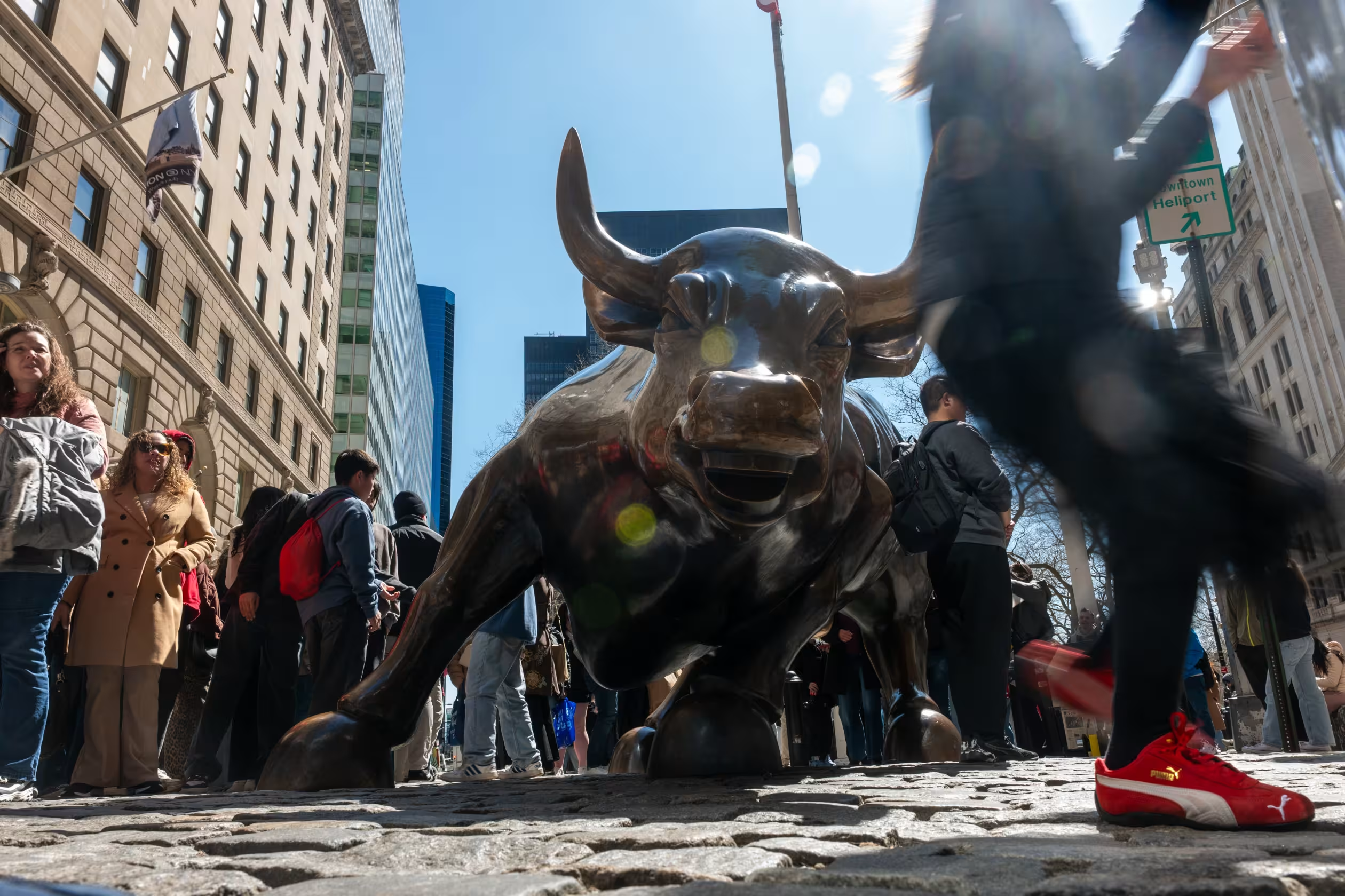
Anatomy of USDC’s Backing
As of Q1 2025, USDC’s $600 billion in circulation is backed by roughly $50 billion in the Circle Reserve Fund—managed by BlackRock and invested in short-dated U.S. Treasuries, overnight repo, and bank deposits—and another $80 billion in segregated bank holdings.
With 98.6% of Circle’s $1.676 billion 2024 revenue derived from interest on reserves, yield from Treasury bills has become the company’s cash engine. The IPO highlighted a striking point: regulated stablecoin issuers are no longer mere middlemen—they can generate real, recurring income for shareholders by harnessing Treasury yields.
Assessing the “Rescue” Potential
Current Reserve Footprint vs. Dollar Market
USDT and USDC dominate 85% of stablecoin market cap and collectively hold about $120 billion in U.S. government debt—100 billion in short-term bills under USDT and $20 billion at USDC. Yet the U.S. market for short-dated Treasuries exceeds $6 trillion.
Thus, pegged tokens account for only 2% of that pool. Even if stablecoin use tripled overnight, the incremental boost to Treasury demand would be modest. In high-frequency trading terms, a few months of token growth might nudge yields marginally lower, but it’s unlikely to avert a credit repricing if fiscal deficits widen or global demand shifts.
Scaling for Impact
A true inflection point would require stablecoins to handle tens of trillions in daily volume—matching or surpassing established rails like SWIFT and Fedwire. That would entail onboarding banks, corporates, and even central banks. Pilot programs such as Project Aber (the Hong Kong–China payments link) and various central bank digital currency (CBDC) experiments hint at such integration.
If policymakers can strike the right balance—ensuring robust reserve audits while encouraging token use cases in trade finance, treasury settlements, and even consumer payments—stablecoins could graduate from crypto adjuncts to backbone components of global liquidity chains.
The Strategic Bridge Between Crypto and Fiat
Marrying Privacy, Speed, and Stability
Stablecoins occupy a unique niche. Like Bitcoin, they run on permissionless blockchains, offering pseudonymous transfers and 24/7 global rails. But unlike volatile tokens, they anchor their value to sovereign currencies.
In an era of heightened sanctions, fragmented correspondent banking, and spiking cross-border fees, regulated stablecoins can preserve dollar primacy by making it the denominate unit on decentralized ledgers.
Firms in Africa, Latin America, and Eastern Europe already leverage USDT and USDC for remittances, payroll, and trade settlements—often at a fraction of the cost of traditional channels.
Toward a Unified Payments Ecosystem
Policymakers from Washington to Brussels see stablecoins as a bulwark against “de-dollarization” pressures. By embedding dollar tokens within ubiquitous rails, the U.S. can extend the greenback’s reach into crypto-native economies and shield it from geopolitical fragmentation.
Conversely, robust regulation lends issuers the credibility to negotiate with traditional banks and central banks. As stablecoins gain formal standing—through charters, audits, and recognized reserve standards—they can serve as the glue binding centralized and decentralized monetary realms.
The Road Ahead
Stablecoins are unlikely to single-handedly prop up U.S. Treasuries in the near term. Their current reserve footprint represents a sliver of aggregate Treasury supply. Yet the convergence of clear regulation, institutional adoption, and scalable tech platforms creates a launching pad. Over the next 12–24 months, look for:
- Expanded Institutional Use: Banks and payment processors issuing or custodying regulated tokens.
- Cross-Border Pilots: Consortiums and CBDCs integrating stablecoins into real-time gross settlement systems.
- Enhanced Auditing Tech: Blockchain-native proofs of reserve and on-chain attestations to bolster trust.
If these trends gain momentum, stablecoins could mature into a high-velocity bridge between crypto’s efficiency and fiat’s stability—ultimately reinforcing the dollar’s global role in a digital age.
Bottom Line: Today’s stablecoin reserves offer a symbolic but limited boost to Treasury demand. Yet by codifying full-reserve rules, transparent audits, and institutional charters, regulators have laid the foundation for growth. As Circle’s IPO reminds us, the allure of regulated “digital dollars” is powerful—and over time, stablecoins may become the fulcrum that buttresses centralized credit assets and cements the dollar at the heart of 21st-century finance.