
Robotaxi Revolution: Can Tesla’s Bold Move Ignite a Market Comeback?

Robotaxi Takes the Spotlight: What Investors Need to Know?
$TSLA is set to unveil its first Robotaxi fleet on June 12 in Austin, marking a major milestone for the company’s self-driving ambitions. This launch arrives amid recent stock pressure tied to Elon Musk’s public spat with President Trump and concerns over autonomous readiness.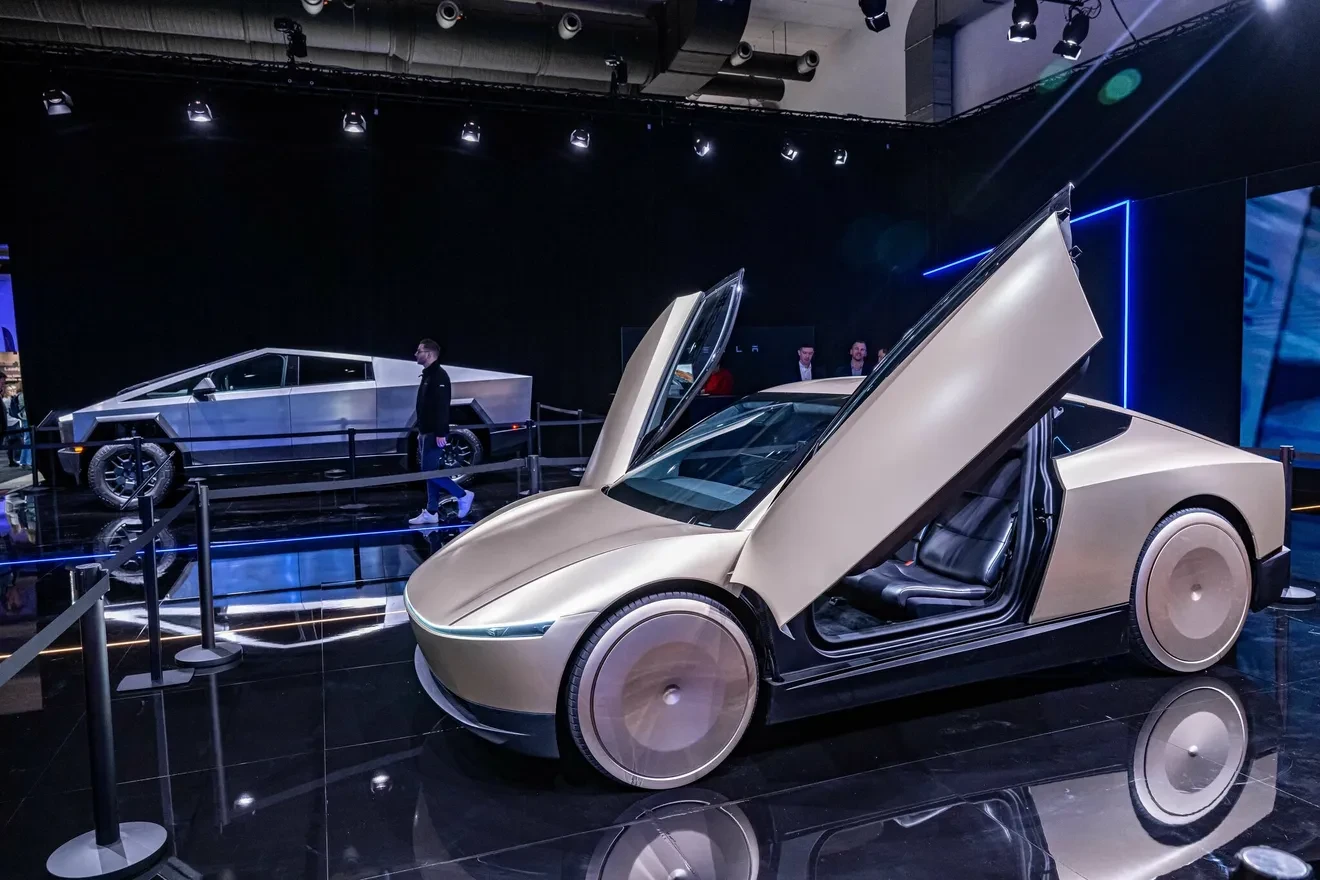
Despite the political drama, $TSLA aims to roll out 10 Robotaxis initially, with plans to scale to 1,000 vehicles within months. Wall Street heavyweights such as Morgan Stanley and Barclays remain divided: one sees ample long-term upside, while the other counsels caution over limited initial scope.
The immediate question for investors is whether this event will serve as a “sell the news” trigger or a renewed catalyst for $TSLA shares. Complicating sentiment, leveraged funds poured a record $500 million into the 2× TSLA ETF after last week’s plunge, signaling bullish conviction despite heightened volatility.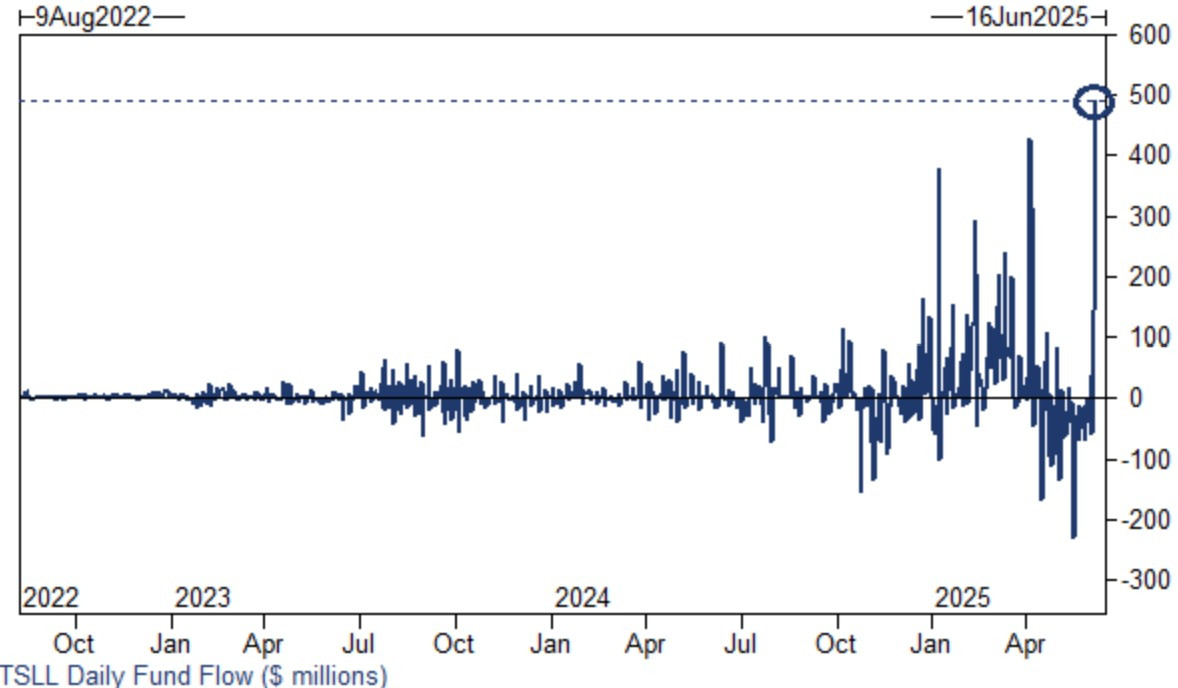
Key Highlights at a Glance
- Launch Date & Scale: June 12 debut in Austin with 10 Robotaxis, expanding toward 1,000 within months.
- Pricing Dynamics: Tesla shares under pressure following Musk–Trump feud; leveraged ETF saw $500 million inflow.
- Analyst Targets: Morgan Stanley maintains an $800 bull-case price; Barclays highlights limited initial rollout as a caution.
- Option Flow: High volume in $300, $295, and $310 calls; puts at $290, $280, $295 also active.
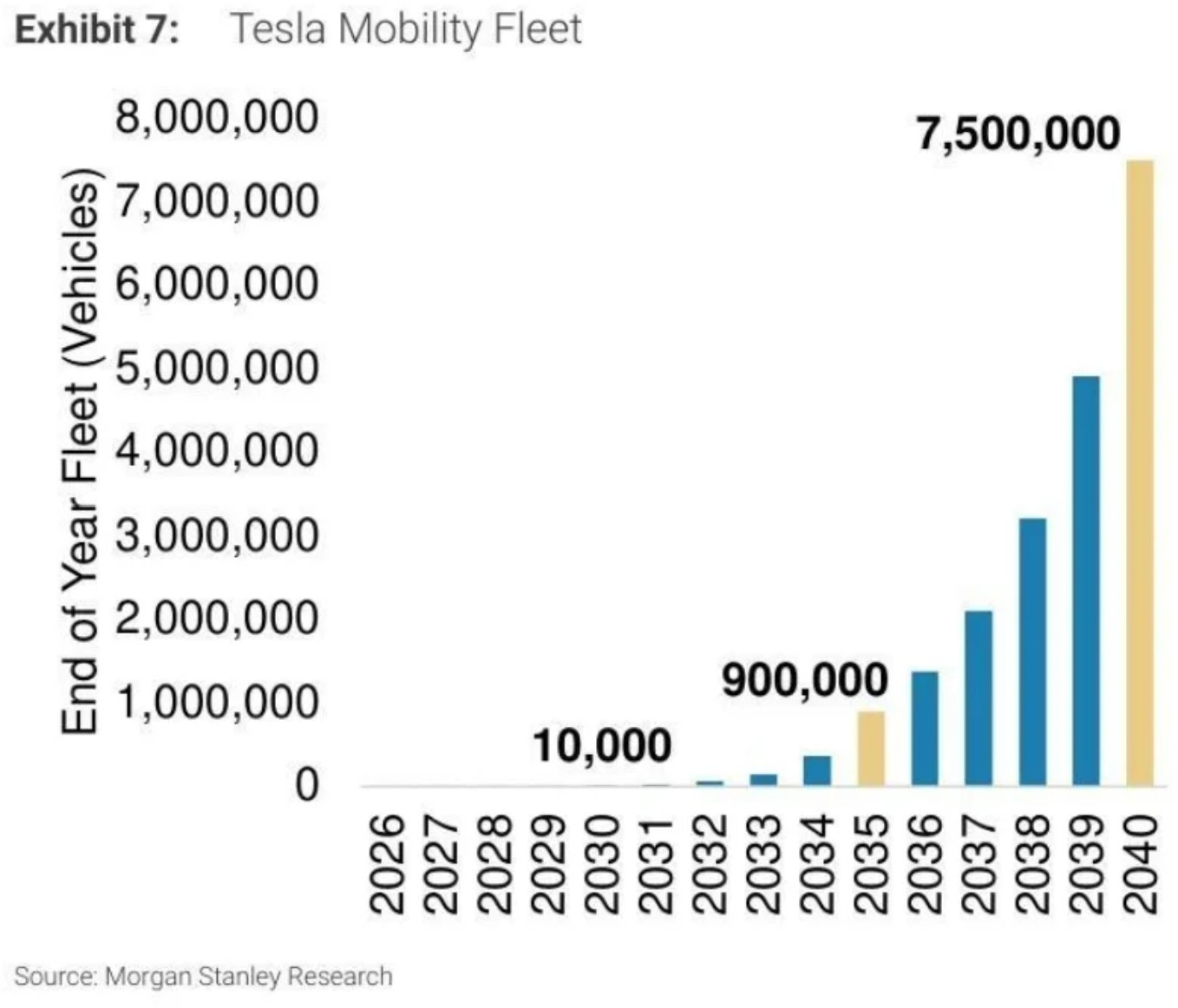
- Long-Term Projection: Morgan Stanley forecasts 7.5 million Robotaxis by 2040 at $1.46 cost per mile.
Will Leveraged ETFs Fuel Tesla’s Comeback?
The Direxion 2× TSLA ETF attracted $500 million in a single day following TSLA’s record drop, marking its biggest inflow since launch in 2022. This surge underscores retail and institutional faith in a rebound tied to the Robotaxi narrative.
However, heavy ETF inflows can exacerbate swings: as share prices recover, leveraged products must rebalance, potentially leading to fresh selling. Investors should weigh whether this record capital is a prudent vote of confidence or a risky overextension in a high-beta vehicle.
Looking ahead, the sustainability of leveraged bets will hinge on the Robotaxi launch’s demonstration. If the inaugural fleet operates smoothly within its geofenced zone, it could trigger further appetite for TSLA derivatives. Conversely, any glitch might spur swift profit-taking via ETF unwind.
Analyzing the Global Competitive Threat
Tesla’s Robotaxi faces mounting pressure from Chinese EV makers and tech giants. Reuters reports BYD’s “God’s Eye” driver-assistance package is now standard—and cost-effective—undercutting Tesla’s Full Self-Driving, priced at nearly $9,000 in China.
Other challengers like Xpeng and Leapmotor offer highway and urban autonomy in $20,000 vehicles, while Huawei supplies Level 3 systems to multiple OEMs. These firms benefit from Beijing’s subsidies, lower sensor costs, and vast on-road data to refine AI training.
Barclays and Goldman highlight that Tesla’s no-lidar, camera-only approach may save sensor costs but lags radar-and-lidar hybrids in real-world safety. Furthermore, Chinese regulations bar Tesla from exporting in-market data to U.S. servers, hindering FSD algorithm training.
Can Tesla Outrun Chinese Autonomy Powerhouses?
The question isn’t just who wins the electric drive; it’s who masters the driverless future. BYD’s model is already deployed at scale, collecting millions of miles to train its AI stack. Tesla’s initial Austin trial must prove its system can match this data-driven edge.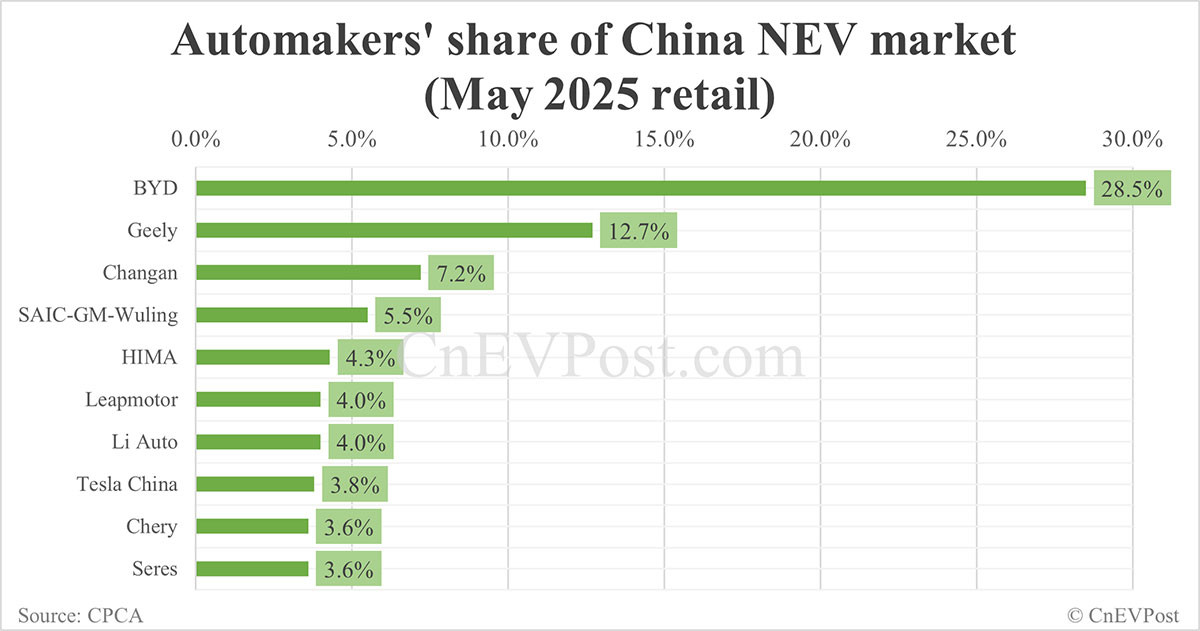
Elon Musk envisions Robotaxi as Tesla’s “core pillar”—a service that transforms vehicle ownership and profit margins. Yet, this vision relies on regulatory green lights, robust consumer trust, and flawless safety records. Any misstep could amplify scrutiny from U.S. and global regulators.
Ultimately, if Tesla’s Robotaxis deliver seamless, zero-driver rides in Austin, it could validate the camera-centric strategy and justify Morgan Stanley’s long-run $800 target. Failure to do so, however, risks cementing perceptions that Chinese rivals have leapfrogged Tesla in autonomous prowess.