
Tariff Shockwaves: Are U.S. Consumers Feeling the Heat?

In a dramatic turn for U.S. inflation dynamics, May’s Consumer Price Index (CPI) data came in well below forecasts, casting fresh doubt on the potency of Trump-era tariffs to stoke sustained price pressures. With headline CPI up just 0.1% month-on-month (2.4% year-on-year) and core CPI also up 0.1% (2.8% year-on-year), markets swiftly repriced Fed rate-cut expectations.
Immediate Impact: How Did May’s CPI Defy Expectations?
May’s headline CPI rose only 0.1%, half the expected 0.2%, and ticked up 2.4% year-on-year versus the 2.5% forecast.
Core CPI—stripping out food and energy—increased just 0.1%, below the 0.3% consensus, holding at 2.8% year-on-year.
These readings undercut the thesis that recent tariff hikes would translate into broad-based consumer price jumps.
Key Points
Tariff Transmission Still Subdued
Only about 10–20% of the CPI basket faces higher import levies, and retail pass-through has been muted so far.
Market Repricing Accelerates
Traders now see two Fed rate cuts by year-end, starting as early as September, versus previous bets on prolonged hikes.
Volatility Misplaced?
S&P 500 implied volatility plunged to 0.78% from April’s near-record 2.4%, suggesting complacency to potential upside risks.
One-Off vs. Persistent?
Fed officials remain split on whether tariff effects represent a fleeting spike or the start of entrenched inflation.
Tariff Transmission: A Slow Burn or Rapid Shock?
Goldman Sachs forecasts only a modest 5-basis-point rise in May’s core CPI from tariffs, centered on electronics, furniture, and communications goods.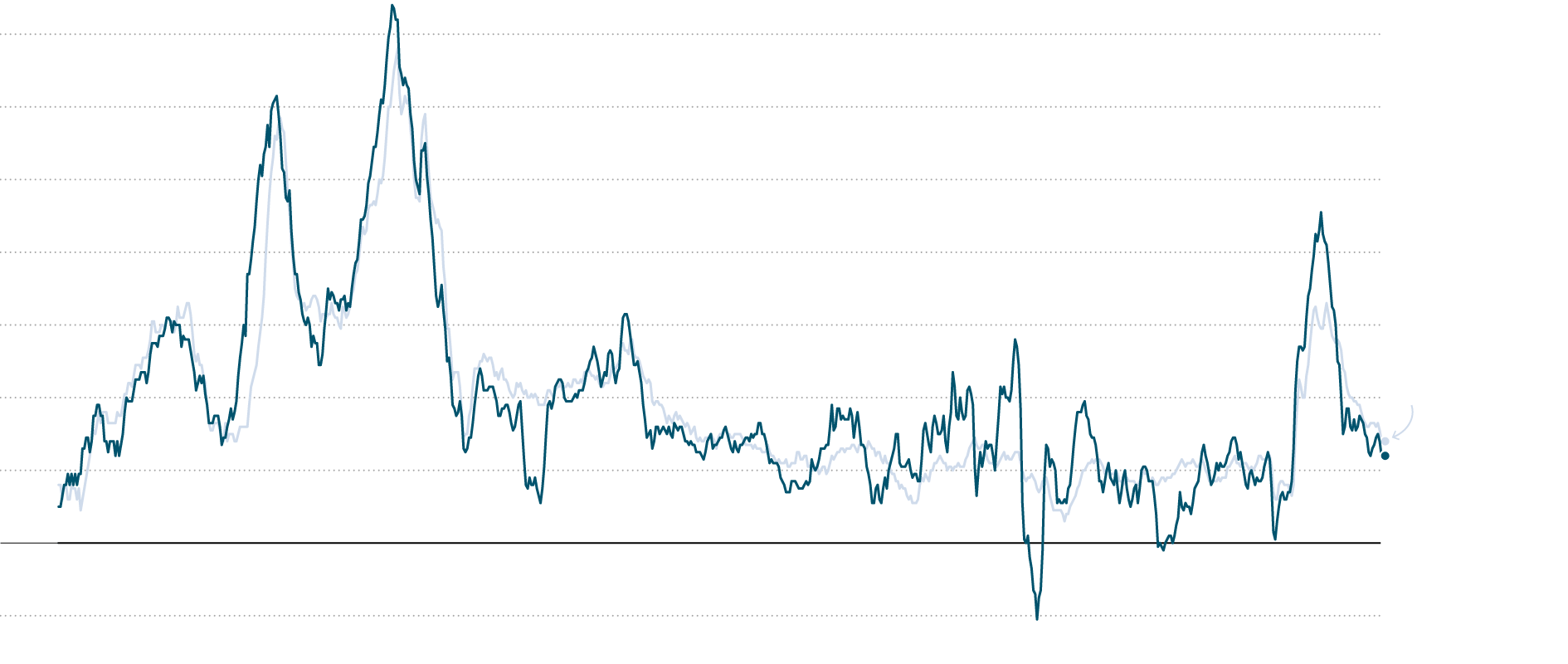
Over June–August, however, they anticipate cumulative tariff-driven core inflation of roughly 30 basis points, as firms gradually pass costs to consumers.
If prices don’t accelerate notably in coming months, debate will intensify over delayed pass-through versus permanently lower transmission.
A swift, visible jump in tariff-affected categories would signal rapid cost-shifting; a flat outcome could reflect margin squeezes or absorption by wholesalers.
Sector Snapshots: Winners and Losers
Automotive
Used-car prices fell 0.5% in May amid softer auction values, while new-car prices ticked up 0.1% as dealer incentives waned.
Auto Insurance
Premiums rose a modest 0.4%, pressured by higher repair and medical costs, yet insurers’ pass-through exhibits significant lag.
Tariff-Hit Goods
Clothing and furniture each gained 0.4%, education costs also rose 0.4%, and communication services held flat, reflecting selective tariff impacts.
Travel Services
Leisure and lodging price growth cooled, as high-frequency data point to a softening in travel-related inflation.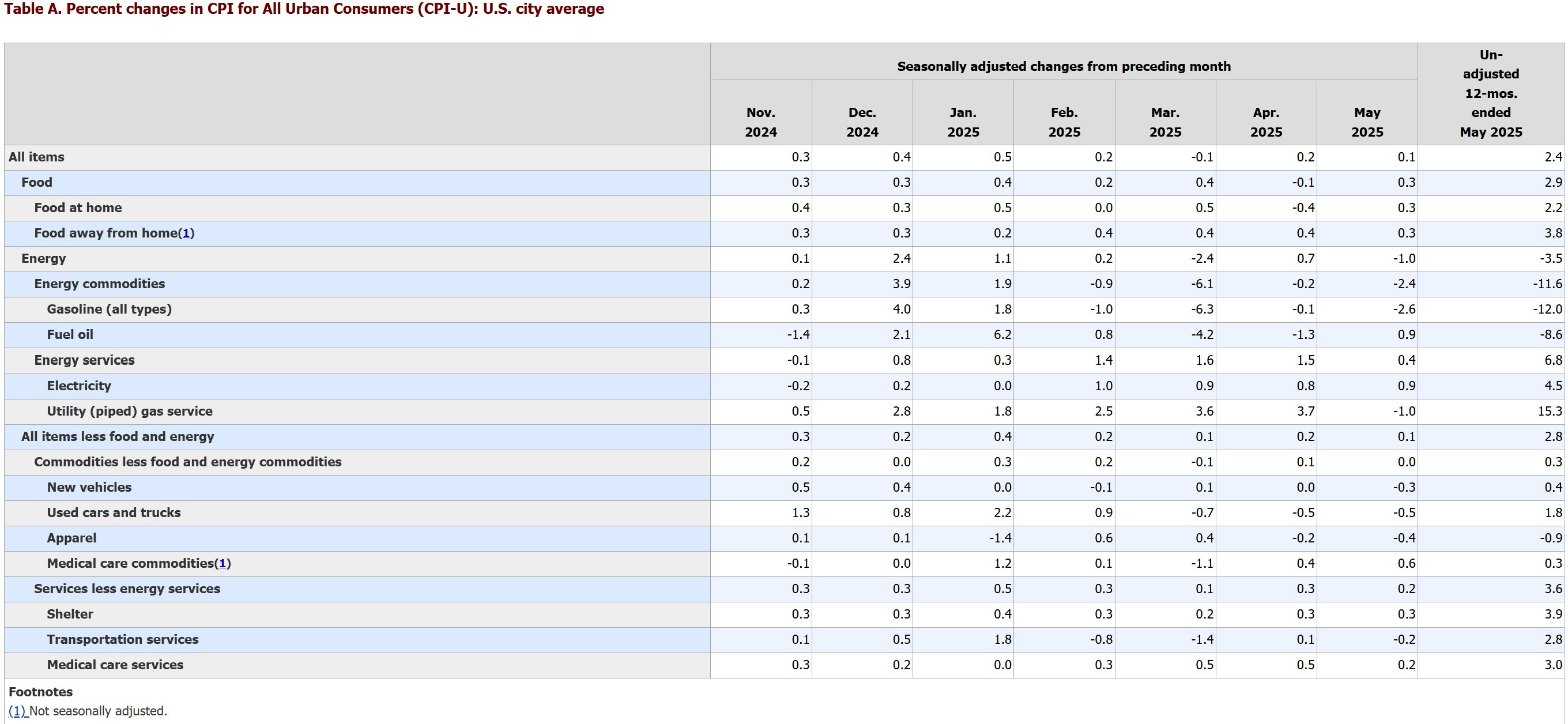
Fed at the Crossroads: Debate Over Transience
Fed officials like Kugler argue tariff-driven inflation may prove more durable, urging caution on rate cuts.
In contrast, Waller counsels “looking through” one-off shocks, suggesting only temporary upward blips in the price level.
Chicago Fed’s Austan Goolsbee admits trepidation over assuming a fleeting impact, highlighting policy uncertainty.
Internal dissent underscores the challenge in distinguishing between transient tariff effects and a more entrenched uptrend.
With markets now fully pricing 45 basis points of cuts by year-end and an 80% chance of at least two reductions, the Fed’s next communiqué carries oversized weight.
Political Pressure: Will Trump Win the Rate-Cut Debate?
President Trump swiftly seized on the dovish repricing, urging a full 100-basis-point cut.
“CPI data is very good! The Fed should cut rates by 1% immediately,” he tweeted, framing cuts as essential for debt-service relief.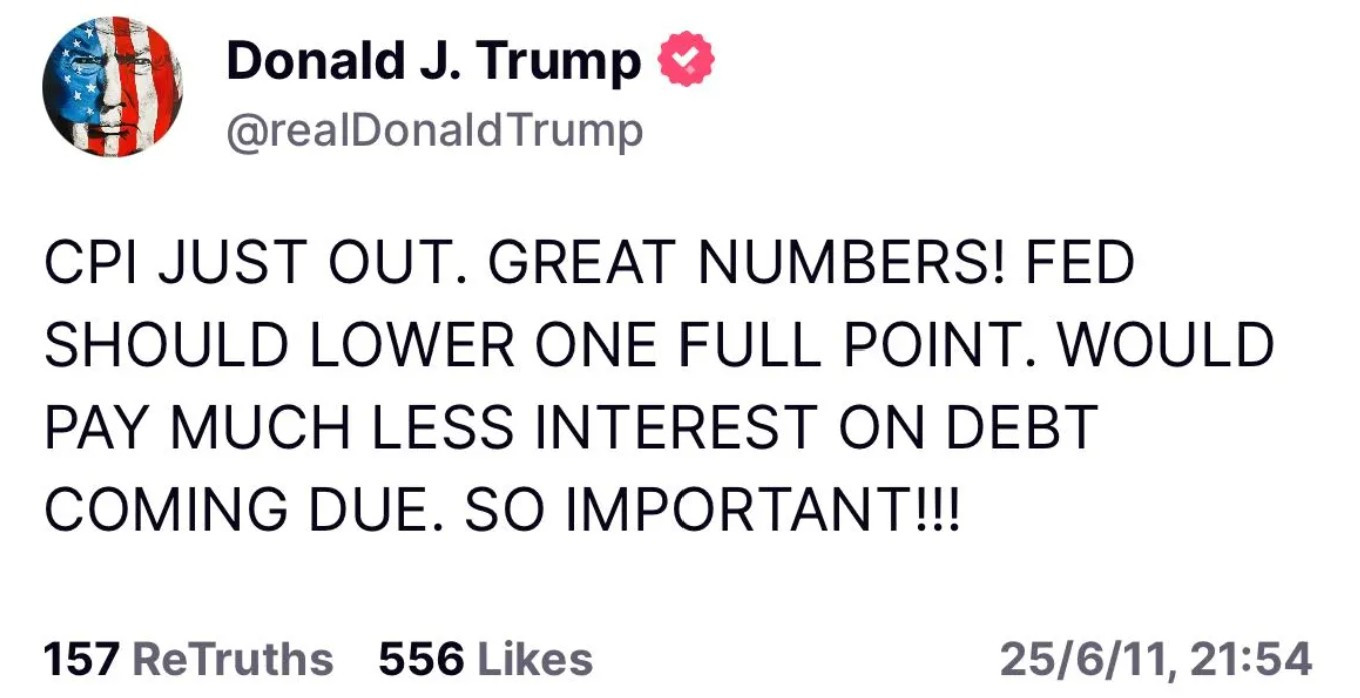
While markets may cheer, Fed independence could face renewed scrutiny under political fire, complicating the committee’s communication strategy.
As Treasury yields react to both data and tweets, the central bank’s resolve will be tested by competing economic signals and public demands.
May’s subdued CPI prints offer temporary respite against tariff-driven inflation fears, yet the longer-term transmission remains an open question. With markets racing to price in Fed easing and officials divided on the nature of tariff shocks, volatility risks loom large. Investors should brace for an unfolding tug-of-war between data, policy, and politics as the true impact of recent tariffs plays out through late summer.