
Ant International’s Bold Stablecoin Push: What’s at Stake?

Ant International, the fintech arm spun out of Ant Group, is poised to file for stablecoin-issuer licenses in Hong Kong and Singapore as soon as regulatory channels open, and plans a parallel application in Luxembourg.
This decisive move underscores its strategy to embed blockchain into its global cross-border payments and treasury-management offerings, ensuring faster settlements, lower transaction costs, and enhanced liquidity for corporate clients.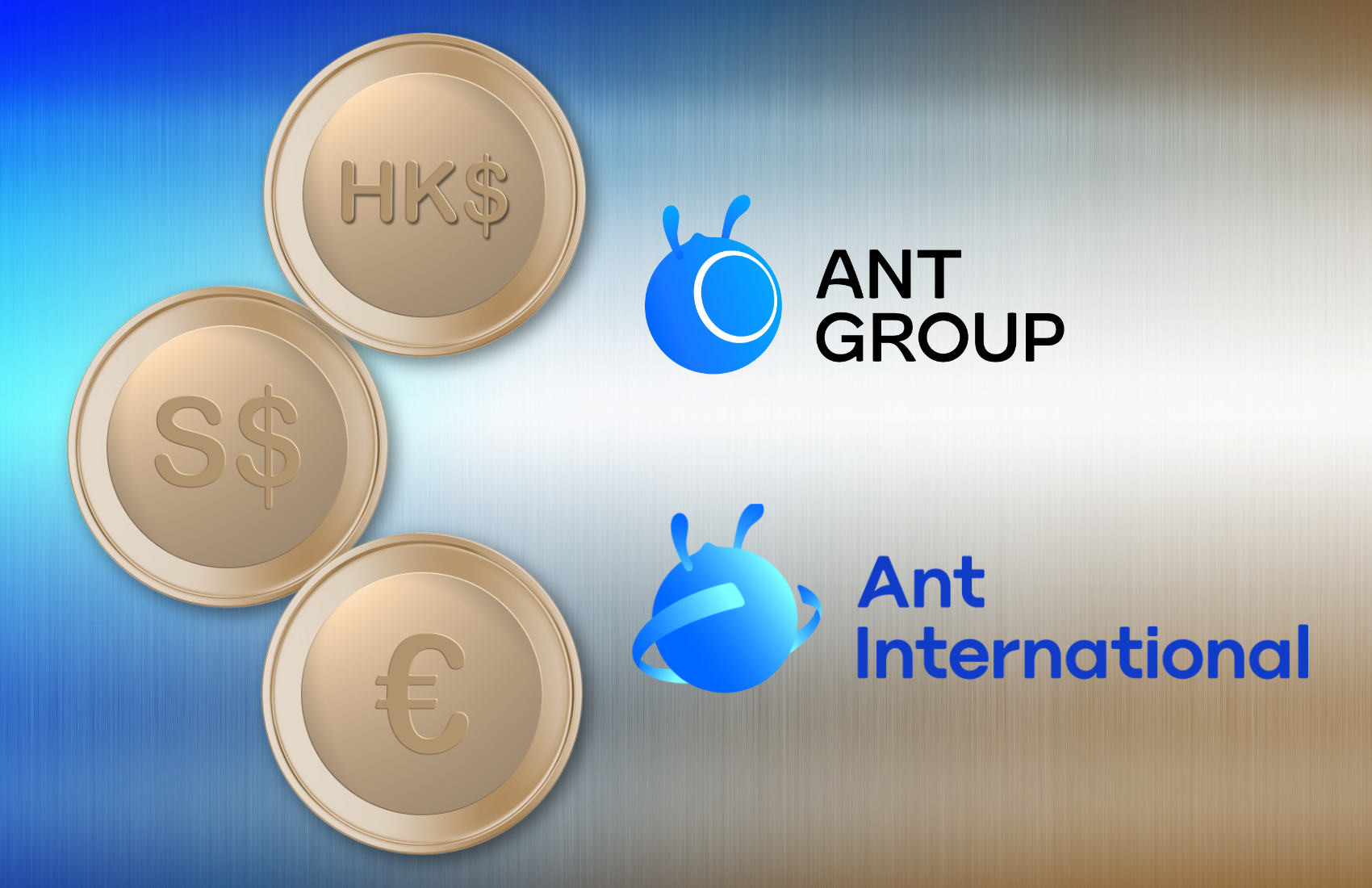
Key Takeaways: Milestones and Motives
- Rapid license filings: Ant International aims to apply immediately after Hong Kong’s Stablecoins Ordinance takes effect on August 1, and once Singapore’s regulatory process begins.
- Regulatory framework: Hong Kong’s ordinance—passed May 21—mandates full fiat-backing, strong governance standards, capital requirements, and rigorous AML/CTF controls for stablecoin issuers.
- Global reach: In addition to Asia, Ant International will seek authorization in Luxembourg, positioning itself to serve European markets with blockchain-enabled liquidity solutions.
- Blockchain backbone: Last year, Ant International processed over US$1 trillion in global transactions, with roughly one-third flowing through its Whale distributed-ledger platform, demonstrating both scale and operational robustness.
- Sandbox pioneers: Early entrants in Hong Kong’s regulatory sandbox—JD Coin Chain Technology, Circle Innovation Technology, and Standard Chartered—have begun piloting cross-border and retail payment use cases.
How will Hong Kong’s Stablecoin Ordinance reshape the market?
Hong Kong’s new Stablecoins Ordinance, effective August 1, establishes the world’s first formal licensing regime for fiat-pegged digital currencies.
Under the law, issuers must hold reserve assets equivalent to every token in circulation, maintain segregated trust accounts, and submit to ongoing audits. Governance provisions require a board of directors with at least one independent member and clear conflict-of-interest policies.
By joining a sandbox prior to full licensing, participants test technical integrations with banks and payment systems under regulatory supervision. Ant International’s quick sandbox entry signals its confidence in meeting these stringent requirements.
Once licensed, stablecoins can be used for real-time gross settlement, corporate treasury operations, and institutional liquidity management, potentially reducing reliance on existing correspondent-bank networks.
Heritage and Spin-Off Fueling Growth
Ant International’s stablecoin ambitions draw upon its 2024 corporate restructuring. In March, Ant Group chairman Jing Xiandong announced the spin-off of Ant International, OceanBase, and Ant Digital into independent entities with separate boards.
This separation enables each arm to pursue targeted fundraising, strategic partnerships, and, in Ant International’s case, an eventual IPO.
Post-spin-off, Ant International accelerated investments in global treasury solutions and expanded its partnership network with banks and enterprise customers.
Its proprietary Whale blockchain platform—designed for high-throughput, permissioned transactions—has demonstrated capacity to handle thousands of trades per second.
By layering stablecoin rails atop Whale, Ant International seeks to offer clients instant settlement, reduced foreign-exchange exposure, and programmable liquidity on demand.
What opportunities and challenges lie ahead?
Ant International’s stablecoin rollout promises significant upside: enterprises can optimize working capital, treasurers gain 24/7 access to tokenized liquidity, and cross-border corridors become more efficient.
Moreover, consumers may benefit from lower remittance fees and near-instant transfers. As a major technology provider, Ant’s entry could accelerate broader financial-industry adoption of digital-asset rails.
However, challenges remain. Regulators will scrutinize reserve-asset quality and redemption mechanisms to avoid scenario-based runs.
Anti-money-laundering controls must adapt to decentralized networks, requiring robust on-chain analytics and KYC protocols.
Competition is intensifying: global stablecoin issuance exceeds US$240 billion, and established players like Circle—fresh from its NYSE debut—are vying for market share.
Ant International must balance growth with compliance, transparency, and interoperability across diverse legal regimes.
In this pivotal chapter for digital finance, Ant International’s swift licensing moves will test its technological prowess, regulatory agility, and capacity to redefine cross-border payments. If successful, the firm could cement its role as a frontrunner in the next generation of blockchain-powered financial infrastructure.