
Rising Flames in the Gulf: Could Energy Infrastructure Become Ground Zero?

A sudden escalation between Israel and Iran has thrust critical energy assets into the crosshairs. After Israeli strikes on Iran’s southern gas facilities on June 14, the conflict entered its third day, igniting fears of broader disruption to oil and gas supplies. Market volatility spiked, with crude futures soaring and traders bracing for further shocks.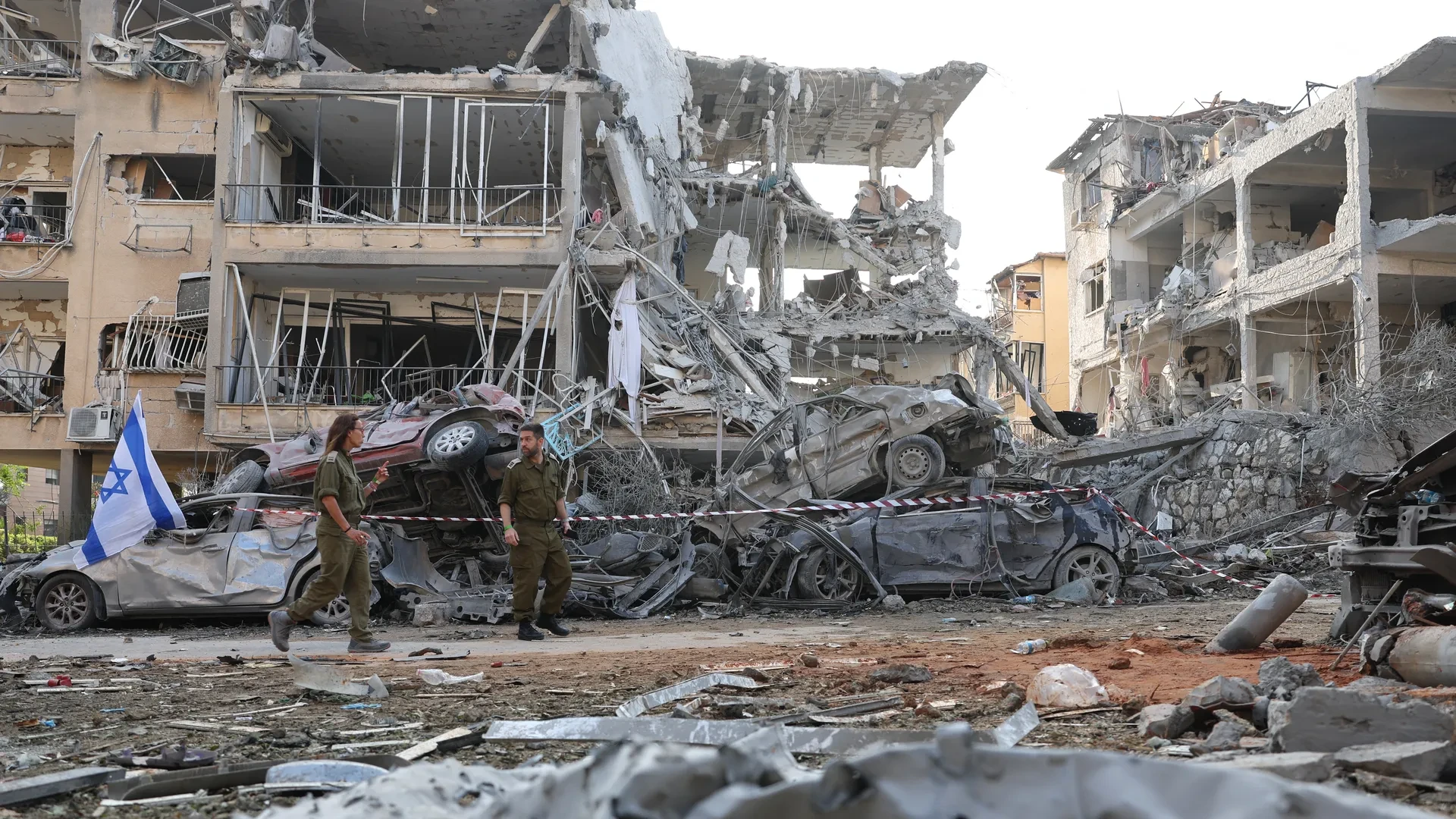
Key Takeaways
What Sparked This New Battleground?
On June 14 local time, the Israeli Air Force struck Iran’s Defence Ministry headquarters, nuclear facilities, and two energy sites in Bushehr province. Iranian sources confirmed fires on an onshore gas refinery at Fajr Jam and an offshore platform in the South Pars Field’s Phase 14 project.
This marked the first direct attack on Iran’s energy infrastructure by Israel since the Iran–Iraq War in the 1980s.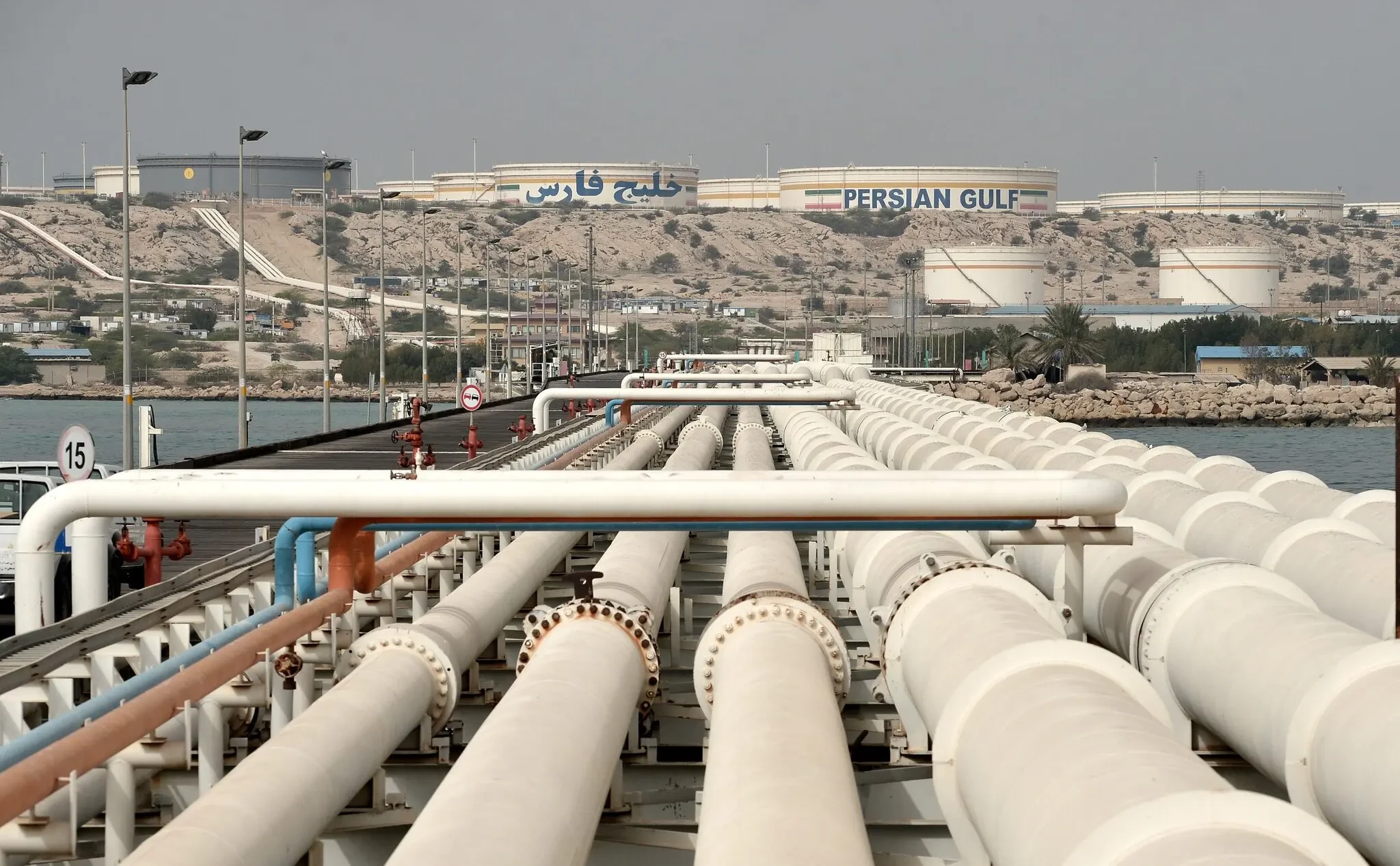
The Conflict in Numbers
Within 48 hours, both sides exchanged wave after wave of missiles, drones, and air strikes. Israel claims to have intercepted most of nearly 200 Iranian ballistic missiles and UAVs aimed at Tel Aviv, Haifa, and military installations.
Reports indicate over 200 Iranian targets were struck. Iran asserts it downed multiple Israeli F‑35 jets and captured at least one pilot. Civilian casualties exceed 100 on both sides, including dozens of children in Tehran when a residential block collapsed.
Are Energy Assets the Next Target?
South Pars—the world’s largest gas field shared with Qatar—supplies two‑thirds of Iran’s domestic gas. The Phase 14 platform alone produces 12 million m³ of gas daily.
The Fajr Jam plant handles feedstock from South Pars, Nar, and Kangan fields. Attacks on these sites threaten Iran’s power grid, already strained by severe electricity shortages, and hint at a strategic pivot: crippling energy output to weaken the Iranian economy.
Market Panic and Price Spikes
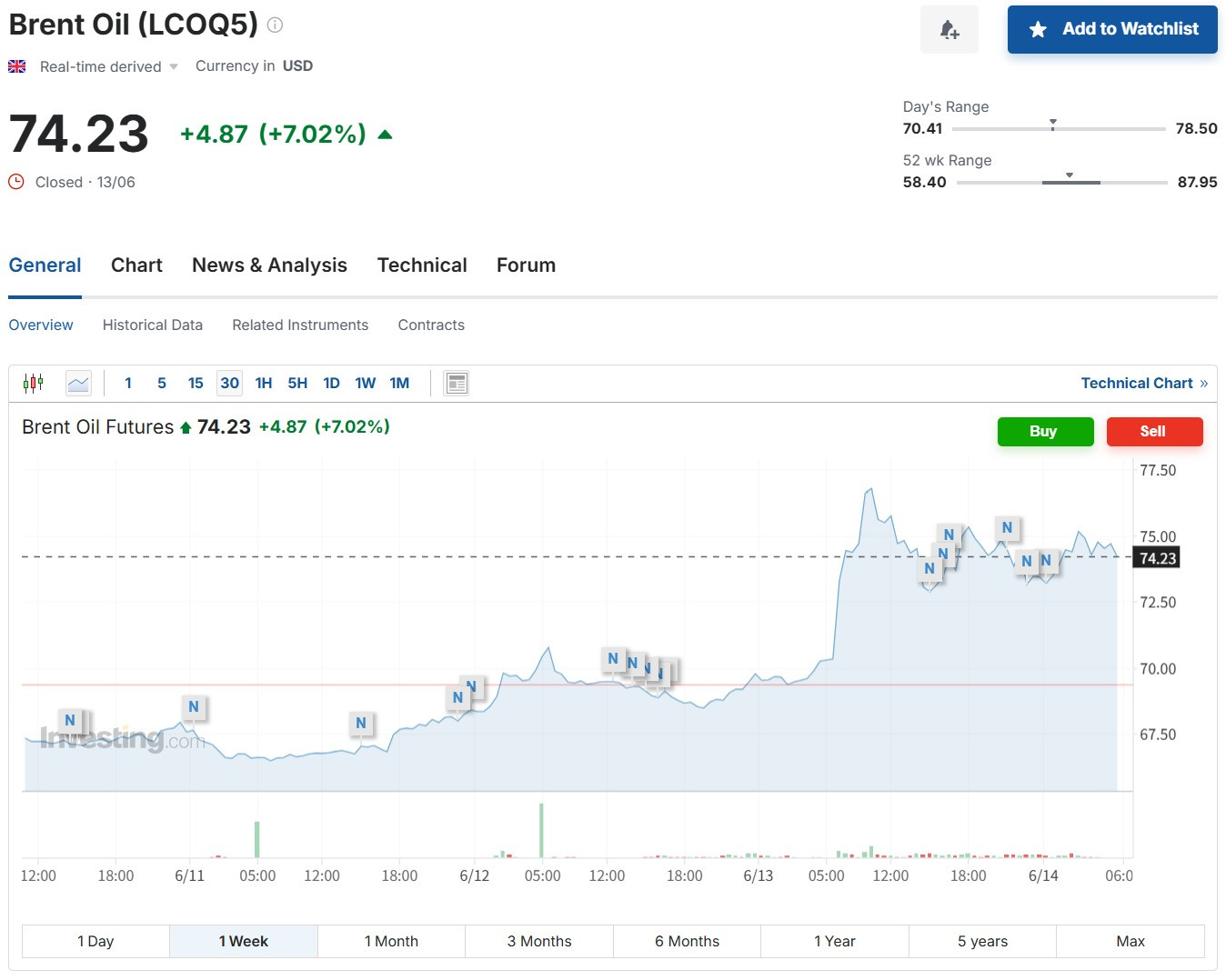
Global oil benchmarks tumbled into a historic surge on June 13. WTI spiked more than 14% intraday before settling 7.5% higher at $73.18/bbl—its largest single‑day gain since March 2022. Brent climbed nearly 9% to $75.50/bbl.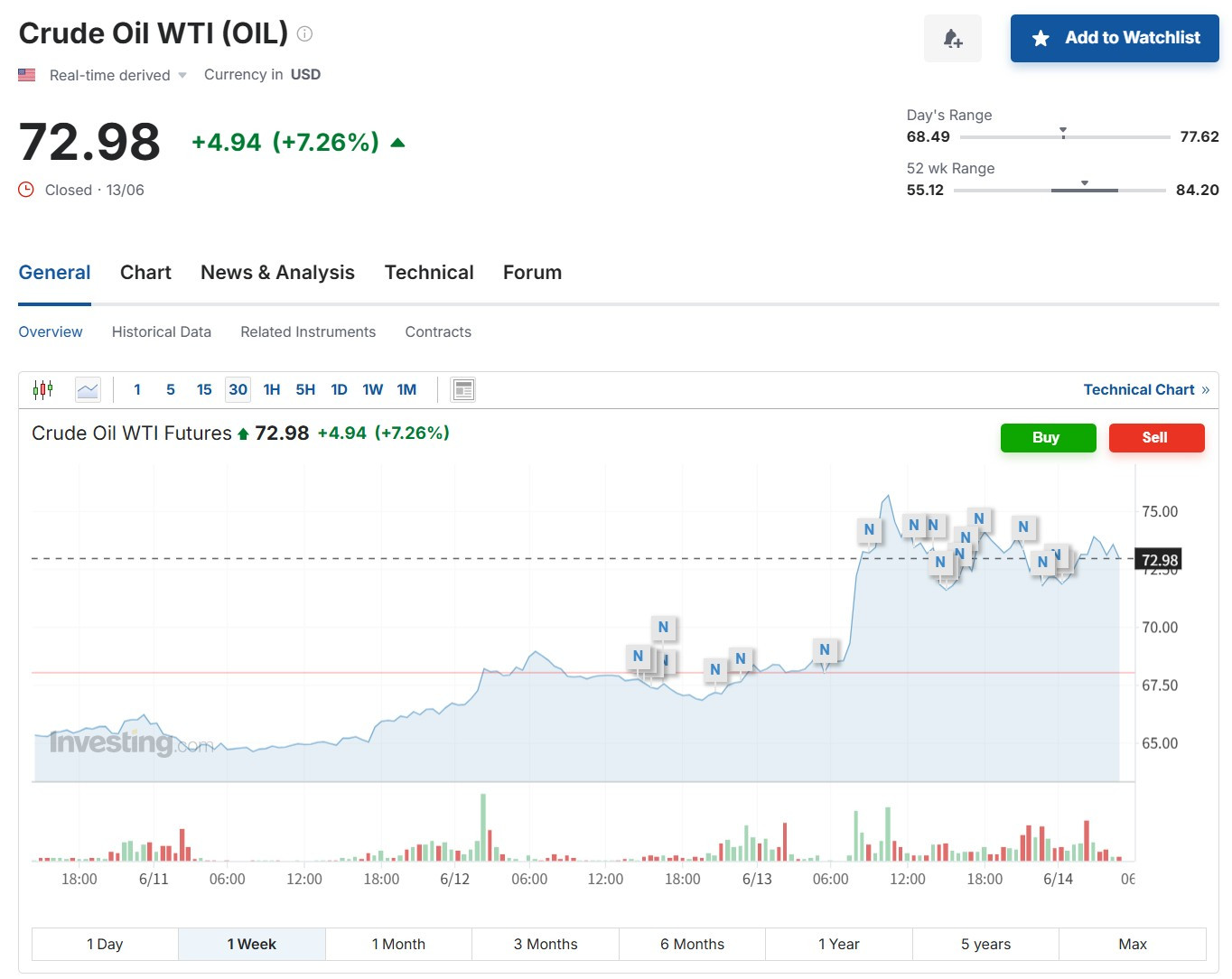
Commodity funds and hedge strategies flooded in. CFTC data show NYMEX WTI net longs hitting 179,134 contracts, a 19‑week high; ICE Brent longs rose to 196,922, a 10‑week peak. August 2025 $80 calls traded a record 33,411 contracts, signalling trader bets on sustained rallies.
Market Instruments on the Move
Beyond futures, oil‑related ETFs surged. On-shore Chinese ETFs tracking global benchmarks jumped over 6%, while domestic energy‑chemicals funds rallied 7%. The Baltic Dry Index climbed to 1,968 points—up 54% over the past month.
Forward tanker freight rates for July shipments from the Middle East to Asia leapt 15%, reflecting war‑risk premiums and rerouting costs reminiscent of Iran–Iraq War insurance shocks.
Nuclear Diplomacy Derailed
Diplomatic channels unraveled as Iran cancelled its sixth round of indirect nuclear talks with the U.S., slated for June 15 in Muscat. Iranian President Pezeshkian told President Macron that Israel’s strikes have rendered negotiations futile until attacks cease.
Oman’s Foreign Minister confirmed the talks would not proceed, underscoring how kinetic escalation is eclipsing diplomatic efforts at disarmament.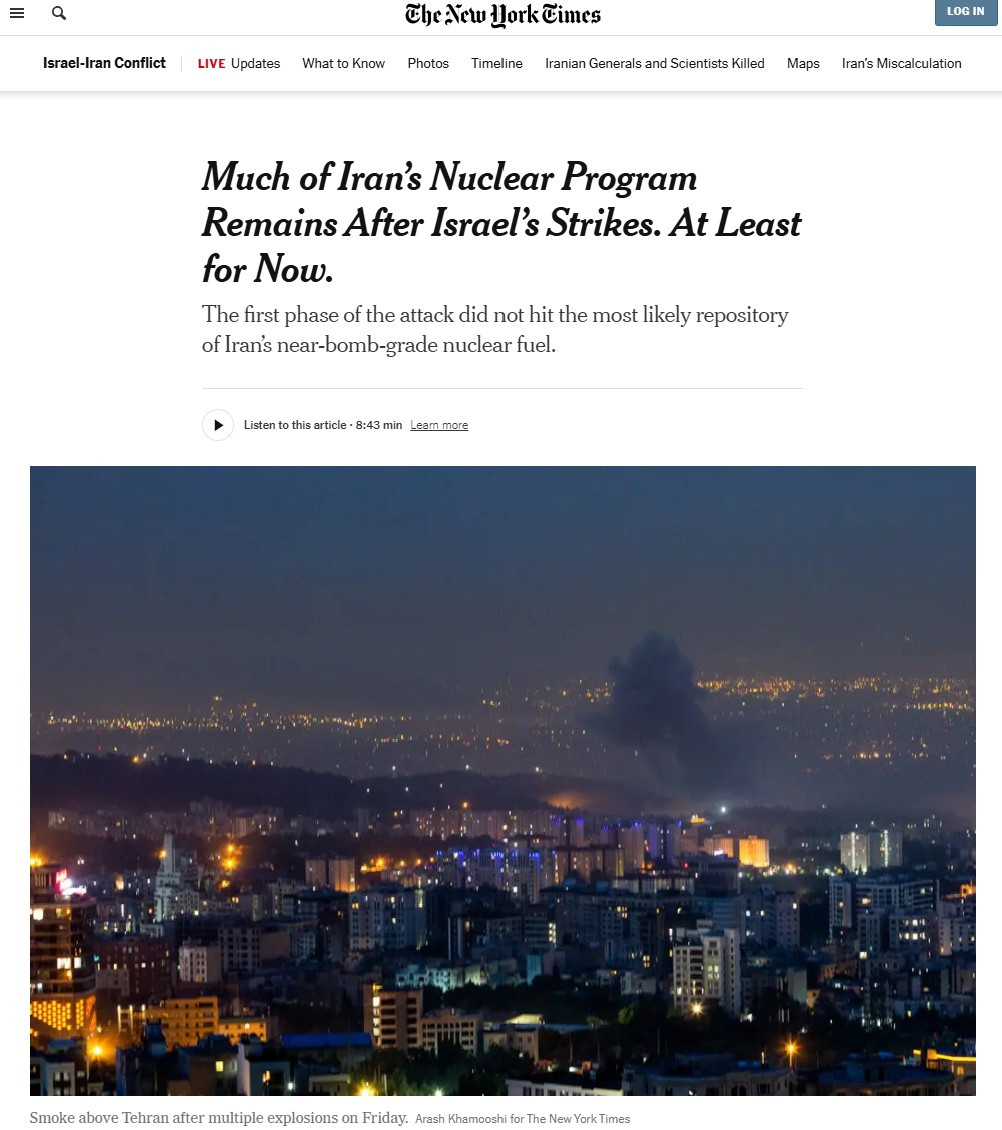
Could Strait Closure Be the Tipping Point?
Tehran has warned of closing the Strait of Hormuz should Western powers arm Israel further. That narrow choke point handles 21% of global crude flows—about 21 million barrels daily.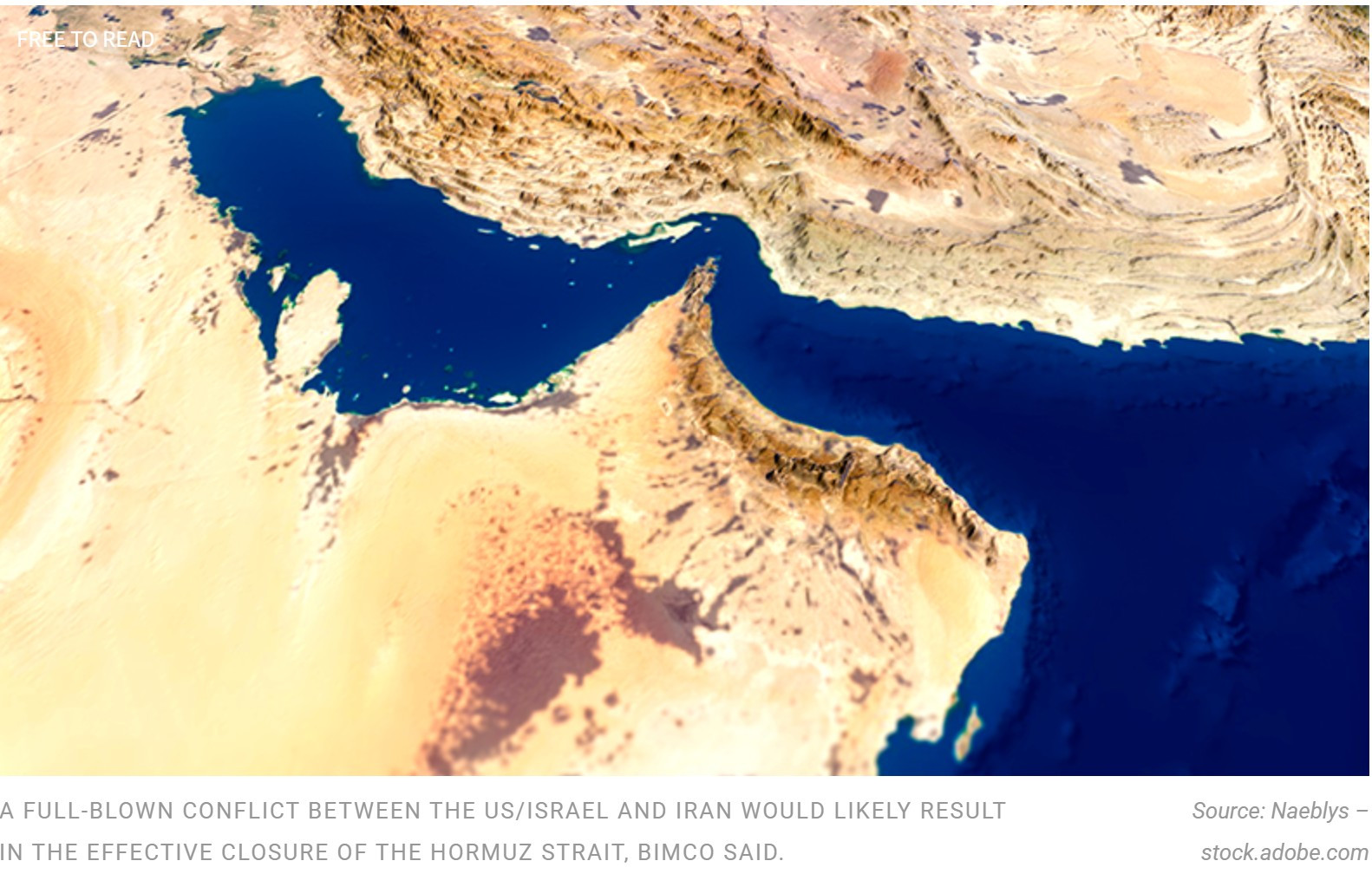
Deutsche Bank warns a total shutdown could catapult prices past $120/bbl; JPMorgan sees $120–130 in an extreme blockade scenario. Both banks caution that such measures would be a last resort, but remain a potent risk premium driver.
Russia and the U.S. Step In
Amid the highest tensions since October 2023, U.S. President Trump and Russian President Putin spoke for 50 minutes on June 14, discussing “the most dangerous moment” in the region.
Putin offered to mediate a ceasefire; Trump agreed that hostilities must end. Yet neither side has signalled willingness to temper strikes in the near term, leaving markets and militaries on high alert.
The Road Ahead: What Lies Next?
Over the coming days, three risk vectors warrant close monitoring:
With markets already pricing in a 7% probability for “worst‑case” supply shocks, investors and policymakers face a precarious balance between deterrence and escalation. As June trading resumes, eyes will be fixed on Persian Gulf chokepoints and the resilience of global energy flows.