
Swap Lines at the Crossroads: Could Trump Turn the Fed’s Lifeline into Leverage?

When markets fixate on potential rate cuts after Chair Powell’s May 2026 departure, they may be overlooking a far more consequential risk: the politicization of the Federal Reserve’s dollar swap lines.
These swap arrangements—with the ECB, BOJ, BOE, BoC, and SNB—have collectively disbursed over $10 trillion during crises, serving as the global system’s safety net.
Yet a resurgence of “America First” trade and foreign‐policy zeal could see these lifelines wielded as tactical bargaining chips, threatening to plunge global liquidity into turmoil.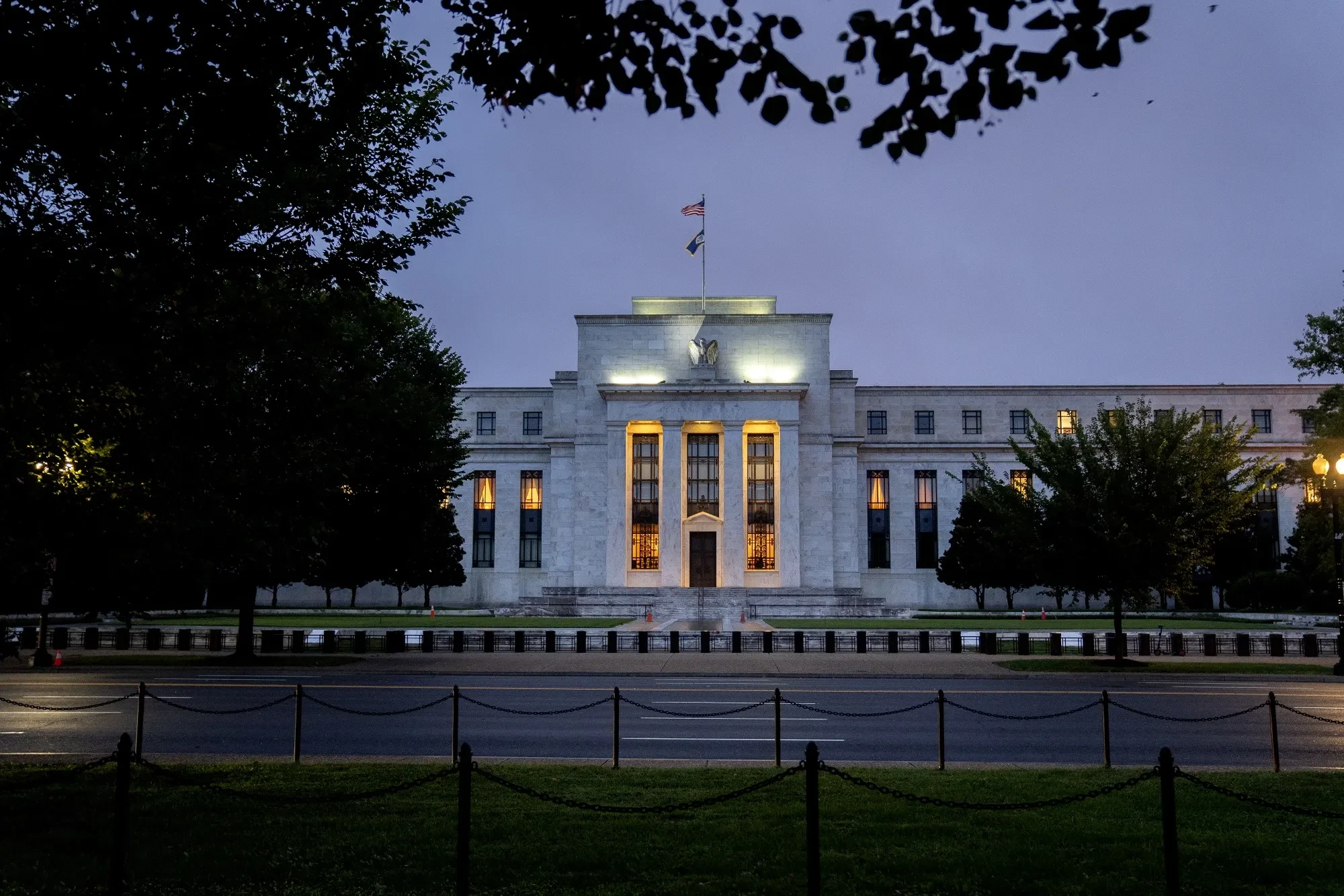
Key Points
1. SOFR Futures Frenzy: Traders have sold March 2026 and bought June contracts, betting on swift rate cuts once Powell exits in May 2026, after record volumes surpassed 60,000 contracts this week.
2. Swap Lines under Scrutiny: Having provided $583 billion in 2008 and $4.5 trillion in 2020, Fed swap lines are now vulnerable to Congressional oversight and “America First” demands.
3. Allied Nervousness: ECB requests banks report dollar exposure; CEPR urges 14 central banks to pool $1.9 trillion under the BIS as a Fed‑free backstop.
4. Tariff‑Driven Inflation: Yellen warns Trump’s tariffs could push U.S. inflation above 3%, eroding $1,000 of annual household income and compelling the Fed to stand pat.
Why Are Traders Betting on Early Rate Cuts?
Market participants are front‑running a leadership change at the Fed. By offloading March 2026 SOFR futures and loading up on June, they signal confidence in a new Fed chair’s readiness to lower rates.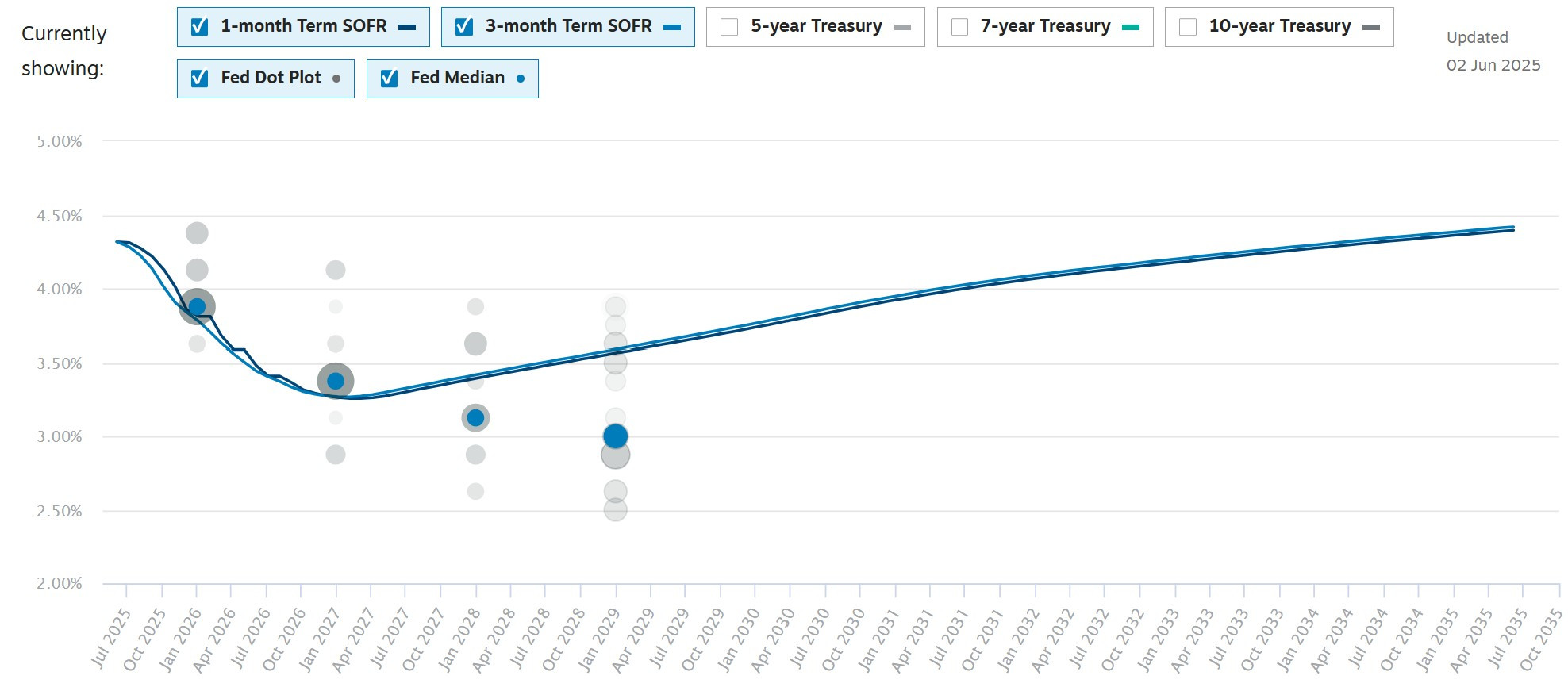
This strategy hinges on expectations that Powell’s successor will heed long‑standing criticism—particularly from President Trump—and act decisively to stimulate growth.
Yet these wagers may overemphasize rate paths while downplaying geopolitical risks. With core PPI at its lowest since August 2024 and tariffs yet to fully reverberate through supply chains, a fresh leadership team could indeed lean dovish.
But if swap lines become politicized, an incoming chair’s monetary toolbox might prove far less potent.
This time around, traders must grapple with a dual narrative: rate cuts buoying growth versus swap‑line access dictating liquidity. As they position their books, even small miscalculations on swap‑line reliability could trigger sharp repricings in dollar funding markets.
What Risks Do Swap Lines Face Post‑Powell?
Dollar swap lines are the Fed’s hidden “nuclear option” during crises. In 2008, they injected $583 billion; in 2020, they disbursed a staggering $4.5 trillion—quashing panic and restoring dollar liquidity. Yet Congress retains ultimate authority over the Fed’s emergency tools.
Under a revived “America First” ethos, lawmakers could attach conditions to renewals, demanding concessions on trade or defense funding. Vice‑President Pence’s disdain for “bailing out Europe” hints at political appetite for retribution.
Even longstanding allies may find their swap‑line privileges subject to scrutiny, especially if national security interests appear at stake.
Were swap lines to be curtailed or threatened, non‑U.S. institutions would scramble for dollars, reigniting “dash for cash” episodes. Shortages could ripple through commercial paper, FX forwards, and cross‐border lending, amplifying volatility in equity and bond markets—and potentially undoing any gains from policy rate adjustments.
Central Banks Plot a Fed‑Free Liquidity Pool
In response to these dangers, major central banks are quietly forging a “Plan B.” ECB Vice President Luis de Guindos has publicly reaffirmed trust in the Fed, yet simultaneously ordered euro‑area banks to report dollar exposures.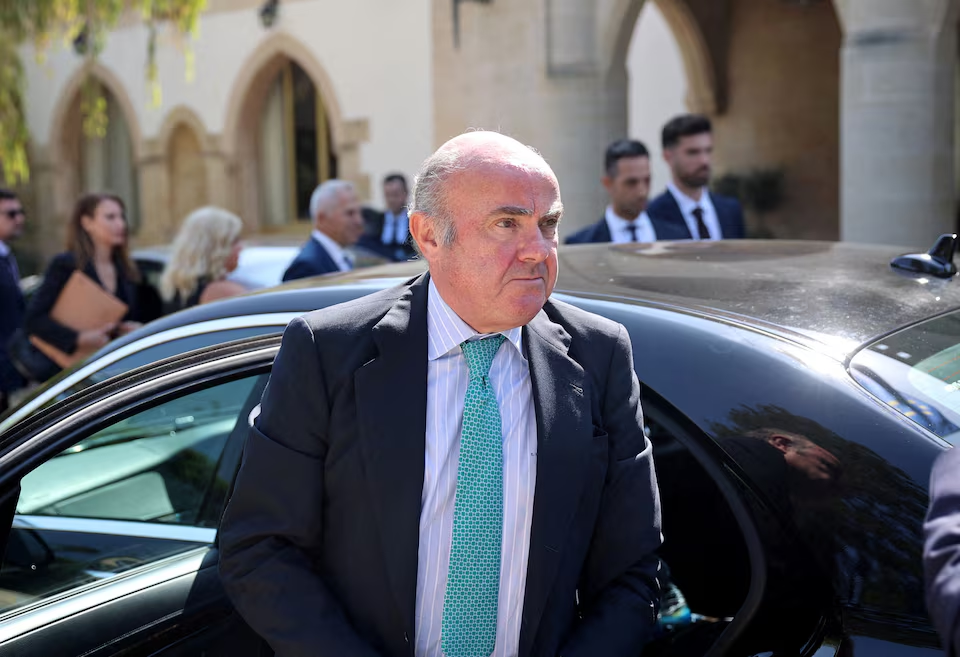
Behind closed doors, discussions swirl around a CEPR blueprint: 14 central banks pooling roughly $1.9 trillion in reserves under BIS coordination, establishing a dollar facility independent of U.S. jurisdiction.
Though no official accords have been announced, bilateral swap talks are proliferating—from China to Latin America. Gold reserves are being replenished. And within BIS working groups, officials debate a long‑term framework that could mirror the Fed’s network, sans Washington’s veto.
This de‑risking underscores growing unease: if the hegemon that underpins global liquidity shows signs of wavering, challengers may preemptively erect parallel structures.
While still embryonic, these initiatives represent the first cracks in the dollar‑swap edifice—a potential harbinger of a more fragmented financial order.
Could Tariffs Force the Fed to Stand Pat?
Amid these swap‑line tensions, another headwind looms: tariff‑driven inflation. Former Treasury Secretary Janet Yellen argues that President Trump’s proposed levies on imports could propel U.S. CPI above 3% this year, reversing disinflationary gains.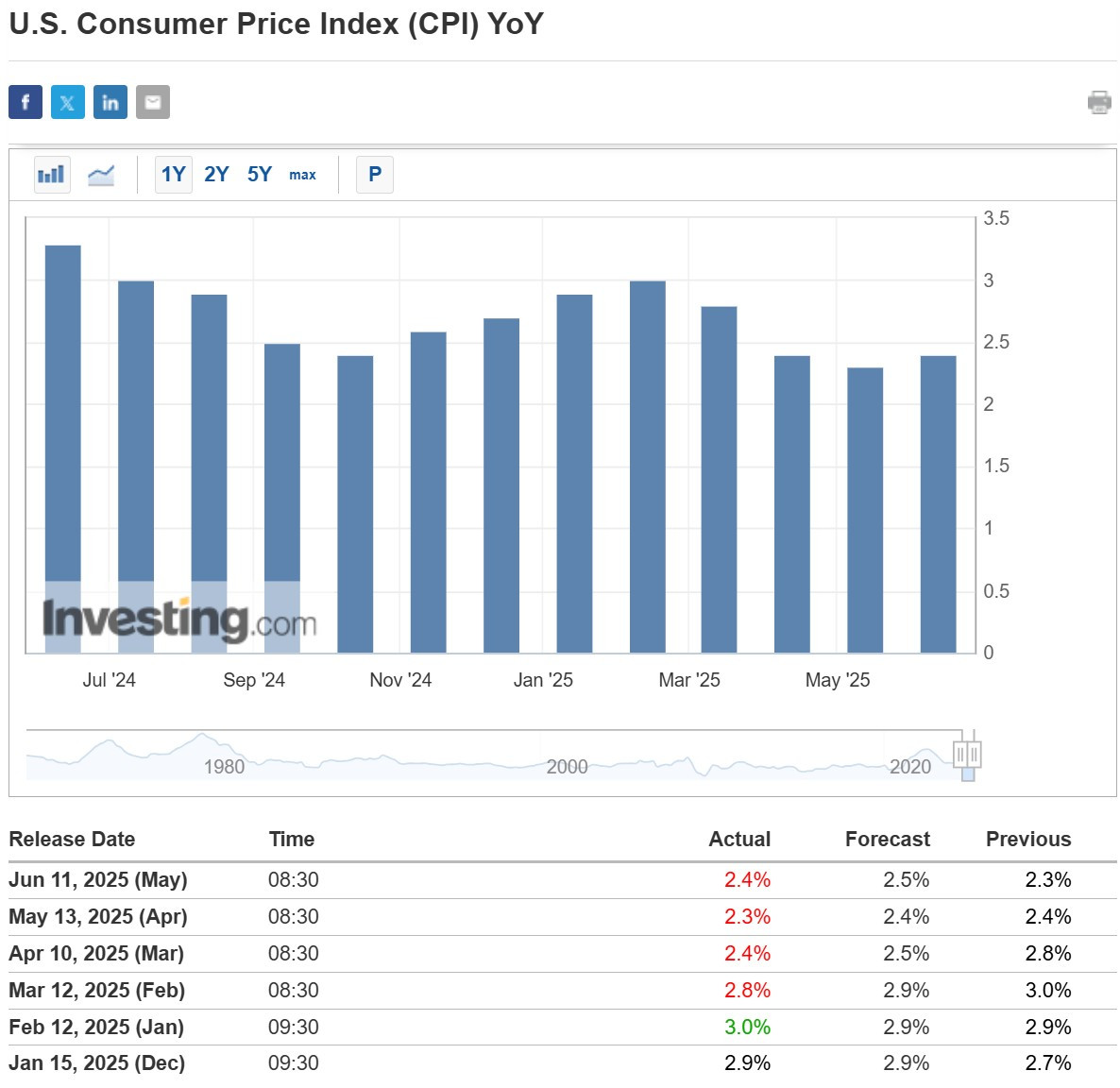
The average household, she warns, stands to lose about $1,000 annually as costs for goods and services climb.
With headline inflation stubbornly high, the Fed’s mandate—to maintain price stability—could override pressure for rate cuts.
Allianz analysts have already pushed back cut estimates from October to December, while Chinese forecasters anticipate a fourth‑quarter CPI peak. Under such scenarios, even a dovish chair may be forced to “stand pat” until tariffs abate or labor markets soften further.
For markets, this creates yet another dilemma: balance the promise of future easing against the risk of sticky inflation. If tariff uncertainty persists—and if swap lines become politicized—the Fed’s dual challenges could converge, constraining both rate and liquidity tools simultaneously.
Conclusion
As attention remains riveted on the path of U.S. rates after Powell’s departure, the specter of swap‑line politicization demands equal—if not greater—scrutiny. In an era of revanchist trade policies and populist sentiment, the Fed’s dollar lifelines risk being recast from crisis backstops into bargaining chips.
Global central banks are already hedging, exploring BIS‑coordinated facilities and alternative swap networks. Meanwhile, tariff‑induced inflation may force the Fed’s hand, limiting its ability to counteract liquidity squeeze.
The intertwined fates of swap lines and rate policy will test the resilience of the post‑2008 financial architecture. If Washington allows its most powerful monetary‐policy tool to be wielded as leverage, the era of seamless dollar liquidity may give way to a more fractured—and perilous—global financial landscape.