
Oil Prices Are Climbing Again as Tensions Escalate Between Israel and Iran

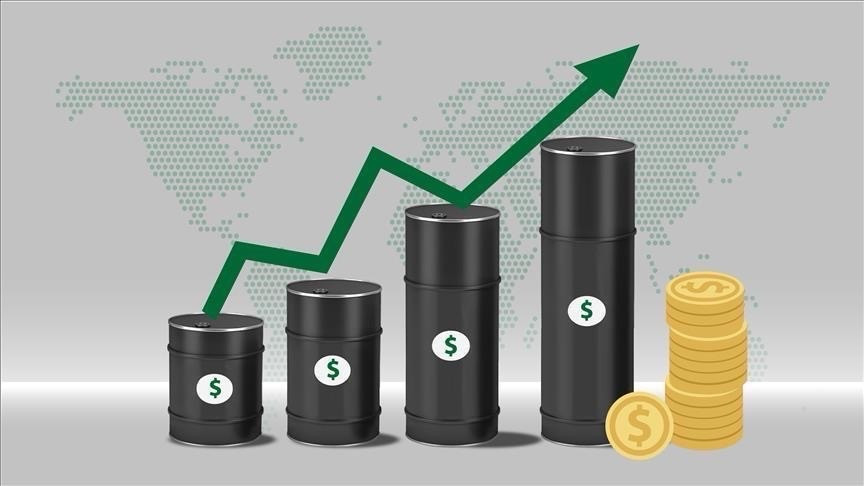
Over the weekend, Israel launched airstrikes on Iranian energy facilities. While Iran’s oil exports haven’t been directly affected—at least not yet—traders didn’t wait to find out what happens next. Oil prices jumped more than 2% in early trading Sunday night, a clear sign the market is bracing for the conflict to spread.
Meanwhile, US stock futures remained largely steady, suggesting that while equities aren’t panicking yet, energy markets are clearly on edge.
Why Oil Spiked Even If Exports Are Still Flowing
Let’s get one thing straight: the Israeli strikes hit Iranian energy infrastructure, but not the key ports or pipelines used to export oil. So technically, there’s been no immediate disruption in supply.
But markets don’t just price what’s happening—they price what could happen.
What investors fear is the next move. If Israel escalates and targets Iran’s export hubs, or if Iran retaliates by disrupting oil traffic in the region, things could escalate fast. One of the biggest concerns? The Strait of Hormuz.
🔍 Quick explainer: The Strait of Hormuz is a narrow waterway that connects the Persian Gulf to the Indian Ocean. Around 20 million barrels of oil pass through it every single day, making it one of the most important chokepoints in global energy. If that flow is disrupted, the impact would be felt across the world.
So even though oil is still flowing, markets are reacting to potential risk—and it’s a big one.
What the Market Is Seeing Right Now
West Texas Intermediate (WTI) crude and Brent crude, the global benchmark, both rose over 2% Sunday night. That’s a sharp move, especially for a weekend open.
Chris Weston, head of research at Pepperstone, summed it up: “With tensions rising, and Iran signaling it’s not interested in negotiation, we’re seeing strong demand in crude and gas futures. The real test is whether this momentum carries into Asia and European trading.”
In other words, the market is nervous, but not panicking—at least not yet.
Stocks Are Staying Calm But Watching Closely
On Friday, after Israel reportedly struck Iranian nuclear sites, the Dow dropped nearly 770 points—about 1.8%. The S&P 500 and Nasdaq also fell more than 1%. But despite the drop, US stocks have rallied off their April lows, and the S&P is now just 2.7% off its record high from February.
So while oil markets are flashing yellow, equities are still in recovery mode. That may not last if tensions escalate further.
Bob Savage, macro strategy lead at BNY, put it this way: “So far, geopolitical risks have caused only modest adjustments. We haven’t seen a true shift in the broader market narrative yet.”
He added that if things get worse, we’ll likely see more volatility—and not just in oil. Think oil above $80 a barrel, a stronger US dollar, or bond markets starting to price in more rate cuts next year. That’s when markets may start to genuinely rethink the story.
What I Think Comes Next
Here’s how I’m reading it:
1. This conflict has the potential to trigger short-term oil shocks, especially if Iran uses energy disruption as a bargaining chip—or a weapon.
2. If oil moves above $80 a barrel, it won’t just be an energy market story. Inflation expectations, Fed rate outlooks, and broader market dynamics could all shift.
3. Equities may seem calm, but don’t mistake calm for certainty. Sometimes the market takes time to digest risk—and reacts all at once when it does.
4. The deeper concern isn’t just missiles or pipelines. It’s about whether the energy lifelines that run through the Middle East remain secure. If they don’t, this story won’t just rattle commodities—it could reshape global markets.
The Bottom Line
This latest jump in oil prices isn’t just about bombs and headlines. It’s the market saying, “Something bigger could be coming.”
Right now, equity markets are still betting that things won’t spiral. But if we see more signs of escalation—especially around Iran’s oil exports or the Strait of Hormuz—expect a lot more movement, and not just in oil.
Let’s keep an eye on it. This is one of those moments where geopolitics could become a market story fast.