
Fed on Hold: Are Rate Cuts Really in the Cards?

The Federal Reserve’s June meeting wrapped up with policy rates steadfast at 4.25%–4.50%, dashing widespread hopes for an imminent easing cycle.
Despite encouraging signals—slowing inflation, a rebound in consumer confidence, and a stable 4.2% unemployment rate—Fed officials remain unconvinced that conditions warrant a pivot.
Market expectations have swung sharply: once pricing in early July relief, traders now assign roughly a 70% probability to a first cut in September, up from 60% a week ago, yet give July a mere 20% chance.
The consensus on Wall Street is clear: the Fed will sit tight until hard evidence emerges that disinflation is durable and emerging risks—from tariffs to fiscal policy—have been resolved.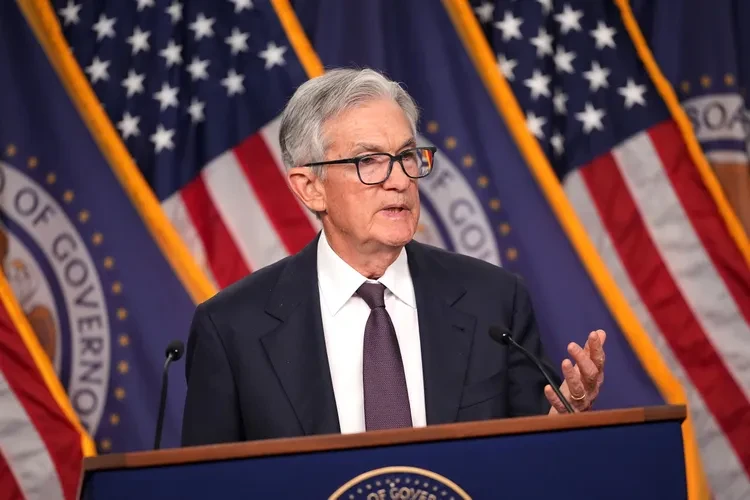
Key Takeaways: What You Need to Know
1. Data Doesn’t Trump Uncertainty
May’s softer PPI and CPI prints are welcome, but Fed Chair Jerome Powell has emphasized that one good month does not signal a trend. Policymakers are looking for a sustained downshift in inflation before loosening.
2. Tariff Ambiguity Weighs Heavily
The April “Freedom Day” tariff announcement introduced uncertainty around future price pressures. Although many retaliatory levies were suspended, a baseline 10% on most imports remains, with country‑specific rates pending.
3. Bond Markets Are Repricing Duration
With recession risks receding, long-term Treasuries have lost favor. Yields on 30‑year bonds are flirting with 5%, as investors demand compensation for higher term premium and fiscal deficits.
4. Dot Plot Still Reflects Caution
The Fed’s March Summary of Economic Projections (the “dot plot”) anticipates just two 25‑basis‑point cuts by year‑end 2025. Changing that outlook requires fresh, convincing data on growth and prices.
5. Global and Geopolitical Headwinds Persist
From tightening in emerging markets to flare‑ups in the Middle East, external shocks could derail the Fed’s path. Officials view themselves as hostage to incoming data and outside developments.
Tariff Uncertainty: A Double‑Edged Sword
April’s surprise tariff proclamation by President Trump sent ripples through markets and boardrooms alike. Investors and business leaders scrambled to assess how a reinstated 10% levy on the bulk of U.S. imports would reshape cost structures—and, in turn, inflation dynamics.
Many retaliatory duties have since been suspended, but core levies on steel, aluminum, and autos remain in force. Mexico and Canada continue to face fentanyl‑related tariffs, adding complexity to North American supply chains.
Against this backdrop, importers have pre‑emptively hoarded inventory, muting near‑term price spikes but sowing the seeds for future inflation once stockpiles run down.
HSBC economist Ryan Wang calls this a “double‑edged” risk: while higher input costs could stoke prices, a cooling labor market might offset some impact. Northwestern Mutual strategist Brent Schutte warns that inventory effects often surface only after a lag—meaning tariffs could yet reaccelerate headline inflation.
For the Fed, the challenge is acute: policymakers will not risk misreading transitory factors as underlying trends.
As former Cleveland Fed President Loretta Mester put it, “We really don’t know how the second half of the year will unfold.” Until final unilateral rates are announced—and their true impact measured—the Fed’s hands are tied.
Are Long‑Term Treasuries Losing Favor?
Bond investors have staged a dramatic retreat from long durations. Yields on the 30‑year Treasury have surged toward 5%, as traders absorb the reality that aggressive rate cuts may be off the table. Recent auctions for long‑dated debt drew weak demand, underscoring waning appetite.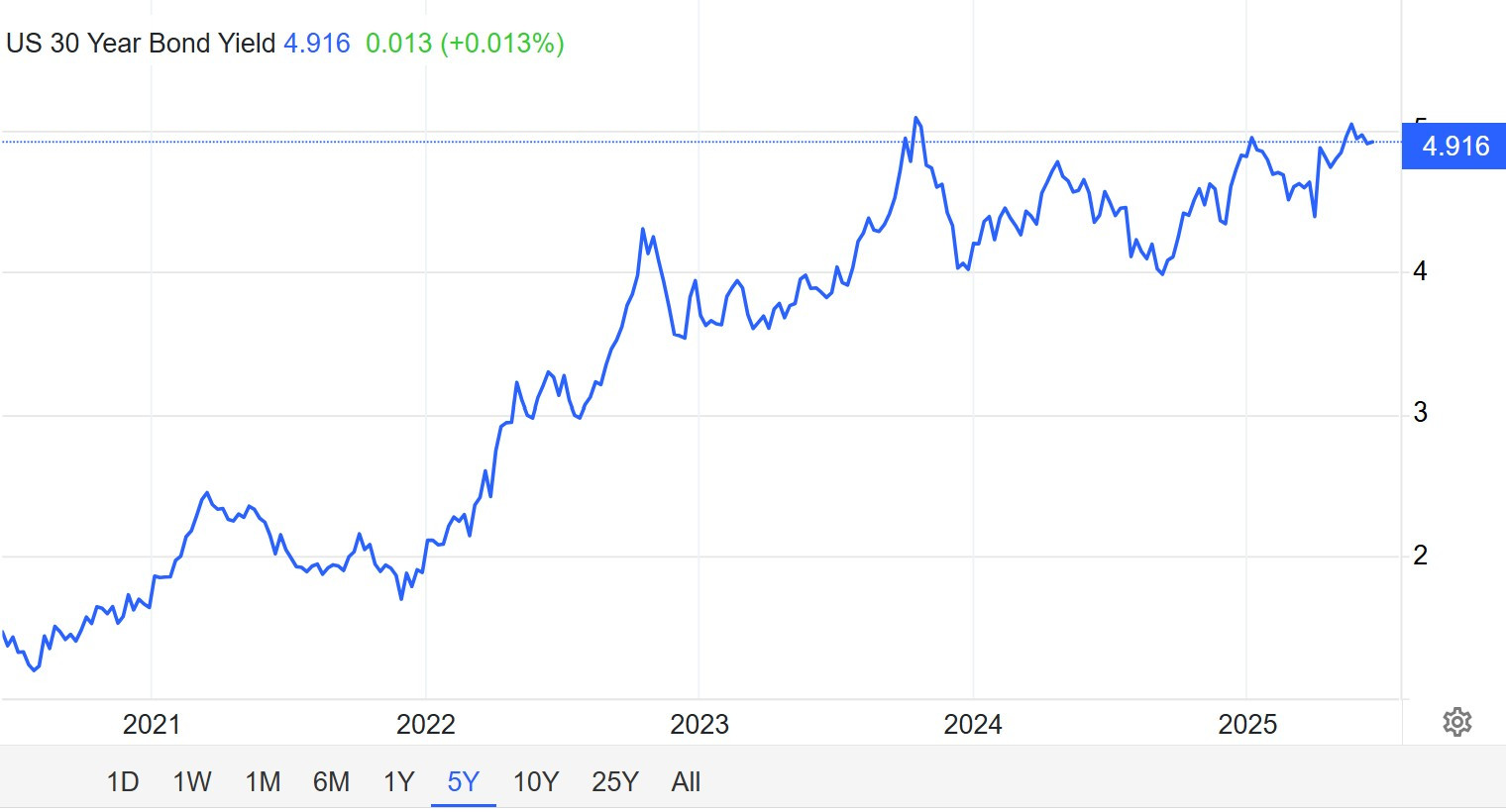
Data from Morgan Stanley’s core bond index reveal a drawdown in long‑duration positions over April and May. Crossmark Global’s Victoria Fernandez argues that cuts may not materialize until year‑end or even into 2026, further denting the appeal of locking in low rates over extended horizons.
Fiscal concerns add fuel to the fire. The “Build Back Better” budget proposal, now under Senate consideration, could swell deficits by $2.4 trillion over the next decade, pushing debt-to‑GDP above 120%.
TwentyFour Asset Management’s Danny Zaid insists that a government with such leverage must pay steeper term premiums, justifying higher yields on long Treasuries.
Steepening trades remain in vogue: overweight the front end of the curve, underweight the back. Boston Insight’s Brendan Murphy notes that uncertainty around both fiscal expansion and trade policy argues for caution in 30‑year exposure.
As curve‑steepening momentum builds, long bonds may remain the odd lot until broader clarity emerges.
Equity Outlook: Navigating the Uncertain Road Ahead
Stock markets now confront a puzzle: how to price in a Fed that’s holding firm, tariffs that may yet bite, and geopolitical flare‑ups that roil energy markets.
Last week’s Israeli strike on Iran’s nuclear facilities sent crude futures surging 14% intraday—only to retrace much of that move—but the episode underscored how fragile the global outlook remains.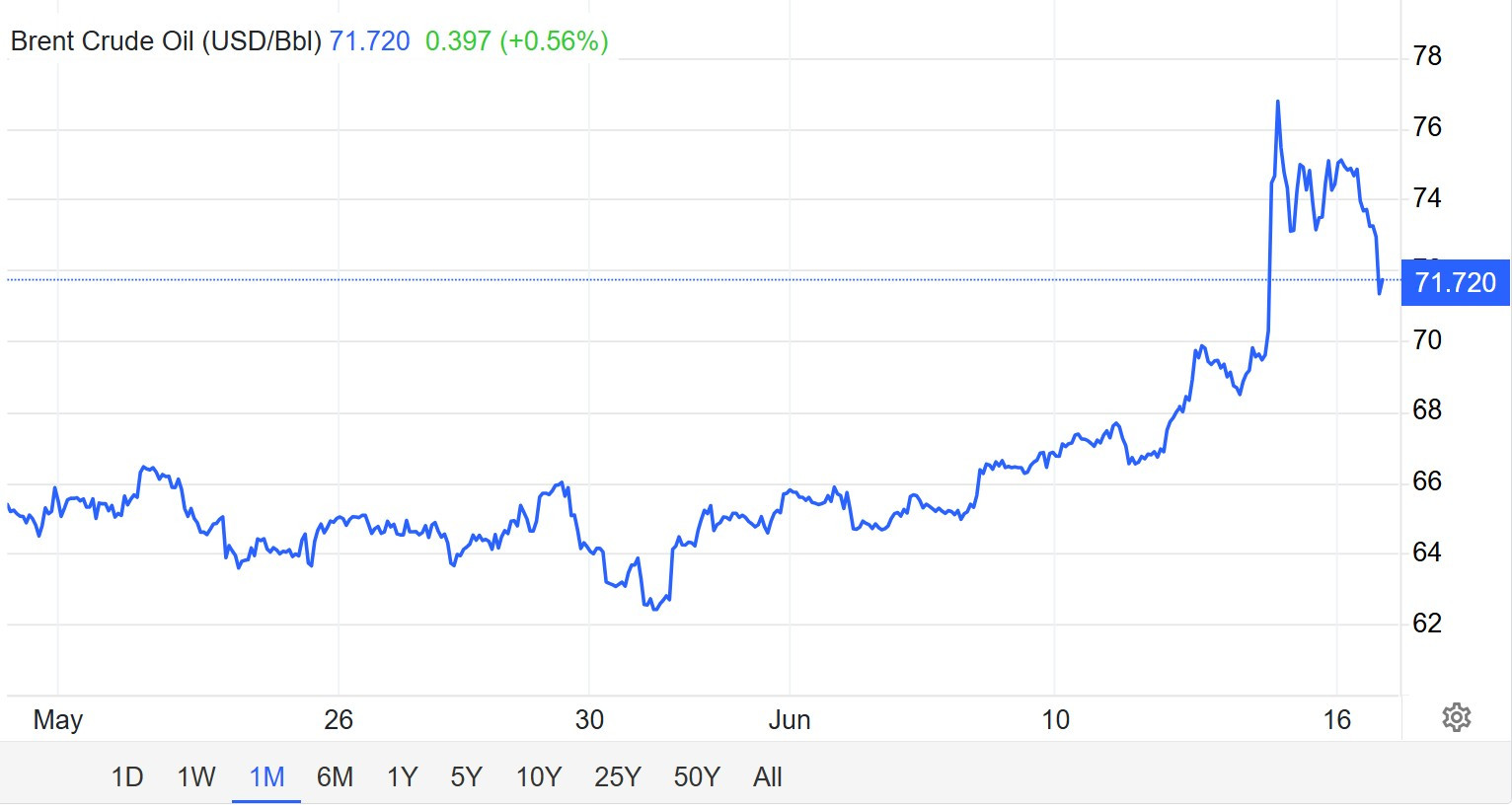
Equity strategists caution that $SPX will need fresh catalysts to scale new peaks. Earnings momentum must rebound, and any dovish pivot from the Fed—however modest—would help.
But given Powell’s likely “wait‑and‑see” tone at this week’s press conference, investors may have to contend with sideways trading and heightened volatility through year‑end.
CIBC’s Gary Pzegeo recommends broad diversification: if overweight U.S. equities, balance with non‑dollar assets or cash buffers. Plante Moran CIO Jim Baird stresses the futility of timing moves, advocating a long‑horizon plan that weathers policy missteps.
In an environment where the Economic Policy Uncertainty Index just hit record highs, positioning for extremes is prudent.
Key data releases loom: the June NY Fed manufacturing survey, May retail sales and industrial production, and the Philly Fed index. These figures, coupled with the Fed’s updated dot plot and economic forecasts, will shape the next leg of equity performance.
At a glance, the Fed’s reluctance to ease—even as headline data softens—reflects deep caution. Tariffs remain an open question, long bonds have fallen from grace, and equities face a volatile path.
Investors should brace for a drawn‑out “observational period,” recalibrate portfolios for wider outcome ranges, and track incoming data with laser focus. Ultimately, clarity on inflation trends and policy direction will dictate market trajectories—until then, patience is the watchword.