
What the New US UK Trade Deal at the G7 Really Means

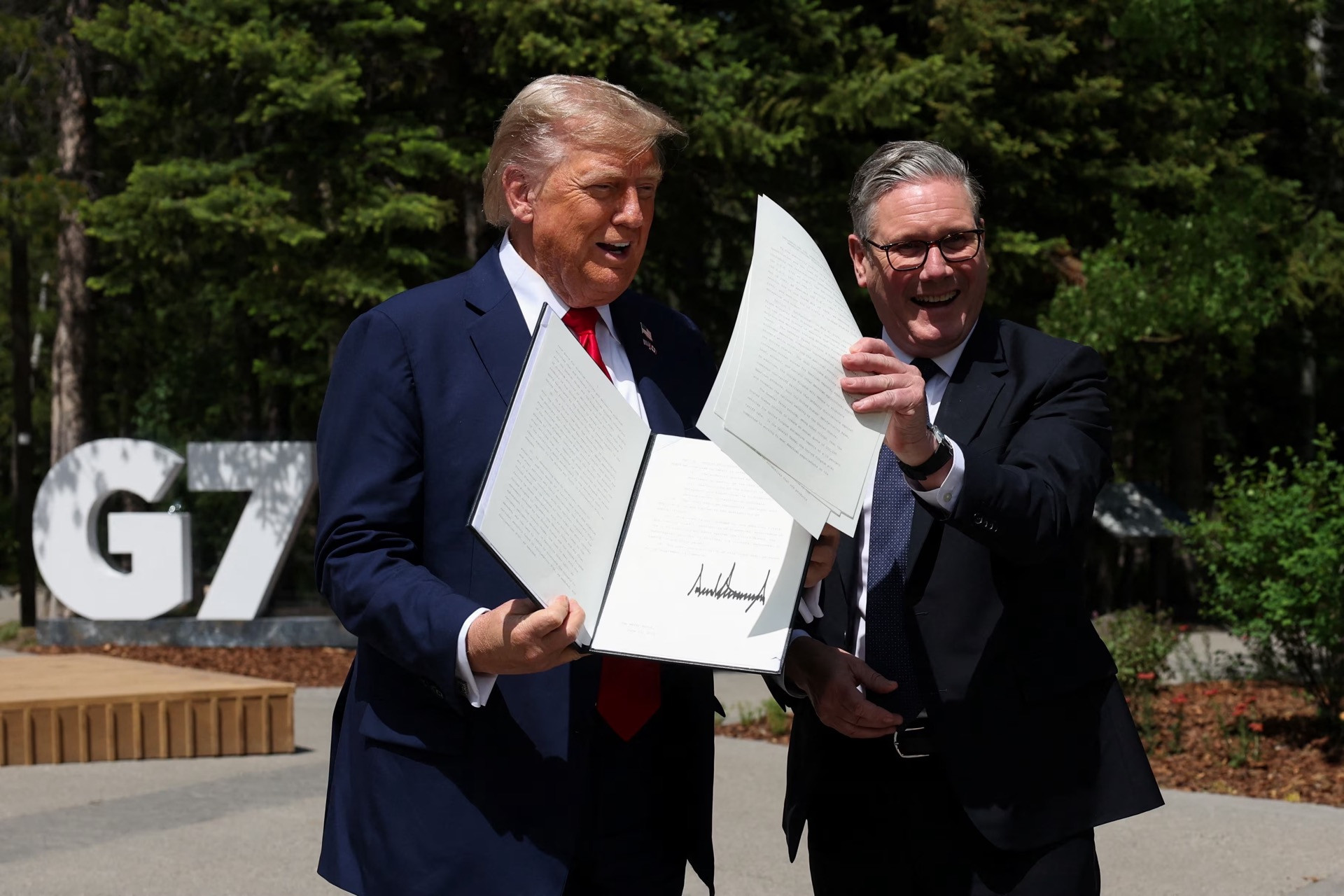
During the recent G7 Summit in Alberta, Canada, the US and UK officially signed a new trade agreement. On the surface, it looked like a well-timed diplomatic performance—but underneath, there’s more going on. From market access to policy signals, this deal might be more than just a handshake.
What’s Actually in the Deal
Here’s a quick rundown of the key terms:
• The UK will open its market to billions of dollars’ worth of US agricultural exports, especially beef and ethanol.
• Non-tariff barriers—such as regulatory delays or approval rules—will be eased for certain US products.
• The US will still impose a 10% tariff on the first 100,000 UK-made vehicles and related auto parts.
• UK steel and aluminum will enjoy most-favored-nation (MFN) tariff rates if they meet specific requirements.
• Talks are still ongoing around pharmaceuticals and products affected by US Section 232 national security tariffs.
Put simply, US farm goods win access, the UK gets partial relief, and many items are still on the negotiation table.
Key Concepts Made Simple
• Non-tariff barriers: Not about taxes, but rules that slow down or block imports—like technical standards, safety checks, and approval wait times. Often harder to spot, but just as restrictive.
• Section 232: A US trade law allowing tariffs on imports for “national security” reasons—commonly used for steel and aluminum.
• Most-favored-nation status: If a country gets this status, it receives the same low tariffs the US offers its closest trade partners.
Why Now Was the Right Moment to Sign
This wasn’t just about economics—it was a strategic choice, and here’s why:
1. The G7 stage offered global visibility
Announcing the deal at a major summit gave both sides the optics of global cooperation and trade leadership.
2. Agriculture was front and center
The US has been eager to expand agricultural exports—especially beef and ethanol. The UK market is valuable, and this deal unlocks it.
3. A preemptive move before wider trade tensions
With the US launching a wave of new “reciprocal” tariffs, this deal puts the UK in a safer zone while others wait for negotiations. It’s also a sign to allies that there’s a path to avoid being targeted.
Why This Isn’t a Full Win Yet
While the deal is a step forward, several parts feel like a trial balloon—or at least, a work in progress:
• Auto tariffs remain
The UK’s automotive sector still faces US tariffs. This suggests both sides are being cautious about full liberalization.
• Key sectors are still under discussion
Pharmaceuticals and sensitive goods under Section 232 haven’t been finalized. Some of the most impactful items are still off the table.
• Geopolitics are part of the story
The US is also in talks with Canada and China. This deal might serve as a model for future agreements—or as a test run before bigger, more complex negotiations.
My Take on What This Means Going Forward
Here’s how I see it playing out, both short-term and long-term:
1. The impact could grow over time
On paper, this looks like a win for US agriculture. But more importantly, it creates a framework for how post-Brexit UK trade might look—especially in deals with other major powers.
2. The UK gains some leverage
With reduced trade restrictions and MFN treatment on key exports, the UK now holds a better bargaining position for upcoming talks with other partners.
3. Short-term benefits for US farmers
The deal clearly helps US producers, but for manufacturing or pharma sectors, the big gains will only come if future rounds remove more barriers.
4. This reflects a shift in global trade strategy
We’re moving away from multilateral frameworks like the WTO. Deals are now more customized, bilateral, and tied to political alignment. This US–UK agreement could be the first of many in this new “zone-based” system.
What It Means for the Markets
This agreement won’t move global stock indexes overnight, but it does offer some clear market signals:
• Winners to watch
US agricultural exporters (like Tyson Foods or ADM), ethanol producers, and logistics firms could see tailwinds. Port operators and cold chain companies may also benefit as trade volume rises.
• UK exporters still face uncertainty
Automakers like Jaguar Land Rover (owned by Tata Motors) still face US tariffs. But the fact that talks are underway could help lift sentiment in UK equity markets, especially for export-oriented sectors.
• The deal sets a precedent
If this framework becomes the model for US deals with other countries, expect sector-specific trades to grow more popular. It also adds pressure on others—like Canada and the EU—to get in line or risk higher duties.
Wrapping It Up
This wasn’t just a symbolic handshake—it was a carefully crafted trade move with real stakes. It gives the US a win for farmers, helps the UK secure trade credibility post-Brexit, and hints at how the global trade game is being restructured.
What’s worth watching next:
• Will the UK successfully negotiate a lift on auto tariffs?
• Could similar agreements emerge with Canada, the EU, or even China?
• Are we witnessing the rise of a more flexible, partner-based global trade system?