
Why Solar Stocks Are Crashing and What Investors Should Really Be Watching

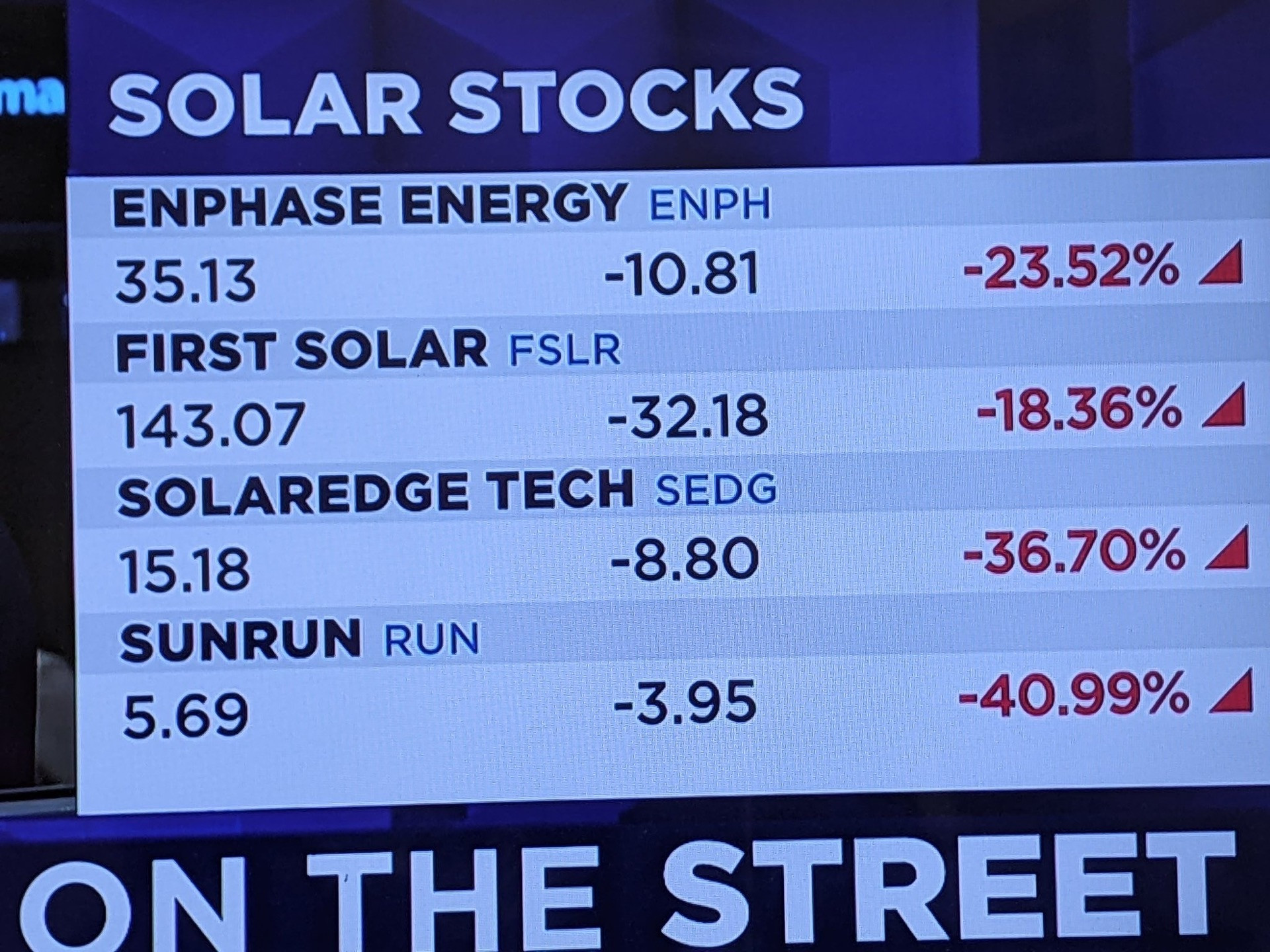
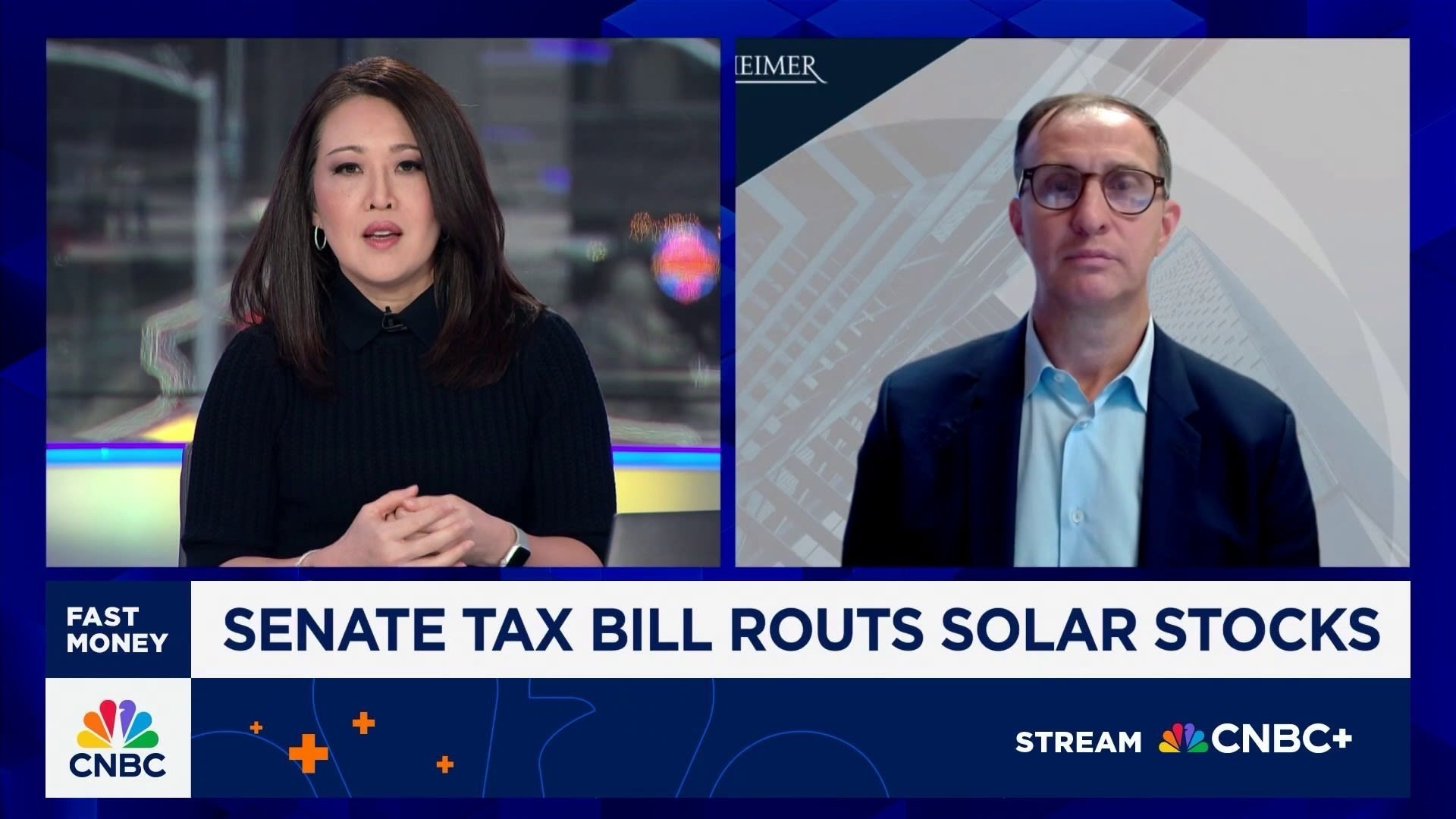
Solar stocks just had one of their worst days in years. $RUN plunged over 40% on Tuesday, while other names like $SEDG, $ENPH, and $FSLR also tumbled. The reason? A new Republican-backed tax proposal in the U.S. Senate that could dramatically cut back support for wind and solar energy by 2028.
The proposal is part of what lawmakers are calling the “Big Beautiful Bill,” a sweeping tax and spending package backed by President Donald Trump. While the bill still has a long road before becoming law, the market has already taken notice.
Here’s what’s happening, what it means, and what I’m paying attention to next.
Why tax credits matter so much in clean energy
If you’re not familiar with how the U.S. clean energy industry works, here’s a quick primer:
Tax credits are one of the key financial tools that make solar and wind projects viable. These aren’t just nice bonuses—they’re often the difference between a project being profitable or not. Developers rely on these incentives to offset high upfront costs. Investors and banks use them to assess returns.
The current system was supercharged by the Inflation Reduction Act (IRA), passed under the Biden administration in 2022. It offered long-term, generous tax incentives for clean energy. This law gave the sector a major tailwind—until now.
What the new proposal is actually saying
According to the Senate draft, clean energy tax credits for wind and solar would start to phase out in 2026:
• In 2026, only 60% of the credit value would remain
• In 2027, it would fall to 20%
• By 2028, it would disappear entirely
Here’s the kicker: tax credits for other energy sources—like nuclear, hydropower, and geothermal—would still be available until 2036. In other words, this proposal targets solar and wind specifically, while keeping support for other sectors much longer.
Why solar stocks dropped so hard so fast
The market reaction wasn’t subtle. Here’s why investors hit the sell button so quickly:
1. The economics of solar just got hit
If tax credits disappear, project returns drop. That makes it harder to get financing, and some projects could become economically unviable overnight.
2. Investor sentiment was caught off guard
Until last week, the expectation was that the Senate might soften the House version of the bill and preserve some support for renewables. This proposal went the other way—fast.
3. Sunrun and others rely heavily on federal support
Unlike utility-scale solar (like First Solar), residential players such as Sunrun are particularly sensitive to consumer financing and tax incentives. That’s why Sunrun was hit hardest.
What to watch next
The draft proposal is not final. But here are the moving pieces I’ll be following closely:
• Will the Senate water this down?
There’s still time for changes. If Democrats or moderate Republicans push back, the proposal could shift. That could create room for a rebound in solar stocks.
• Will the clean energy lobby respond?
Industry groups are already mobilizing. Strong lobbying efforts could influence how this plays out in the final bill.
• How will companies adapt?
Firms like Sunrun might shift toward state-level incentives or look for new business models. But the speed of that transition could matter for valuations.
My take on the bigger picture
1. Policy uncertainty is the biggest risk in clean energy
Unlike oil and gas, clean energy projects often depend on government policy for financial viability. When that foundation is shaken, capital dries up fast.
2. This selloff may be overdone in the short term but reveals a deeper problem
If the Senate ends up revising the bill, we could see a sharp bounce. But the fact that tax support can flip so quickly should be a wake-up call for long-term investors.
3. The structure of the industry could change
If federal support pulls back, we might see more fragmentation, with state-level policies taking the lead. That could favor some companies over others and reshape how projects get built.
The bottom line
This isn’t just about one bad day in the stock market. It’s about how fragile the economics of clean energy can be when public support disappears. Whether this tax proposal becomes law or not, it’s a reminder that policy risk in this space is real—and potentially massive.
If you’re watching the clean energy transition from an investor’s lens, now’s the time to track this bill closely. The next few weeks could define the solar sector’s trajectory for years to come.