
Trump Mobile Just Launched but Something Feels Off

It’s been exactly ten years since Donald Trump rode down the golden escalator at Trump Tower and kicked off his first presidential run. This year, on that very same date, his sons Donald Jr. and Eric unveiled a different kind of campaign—one aimed not at votes, but at mobile subscribers.
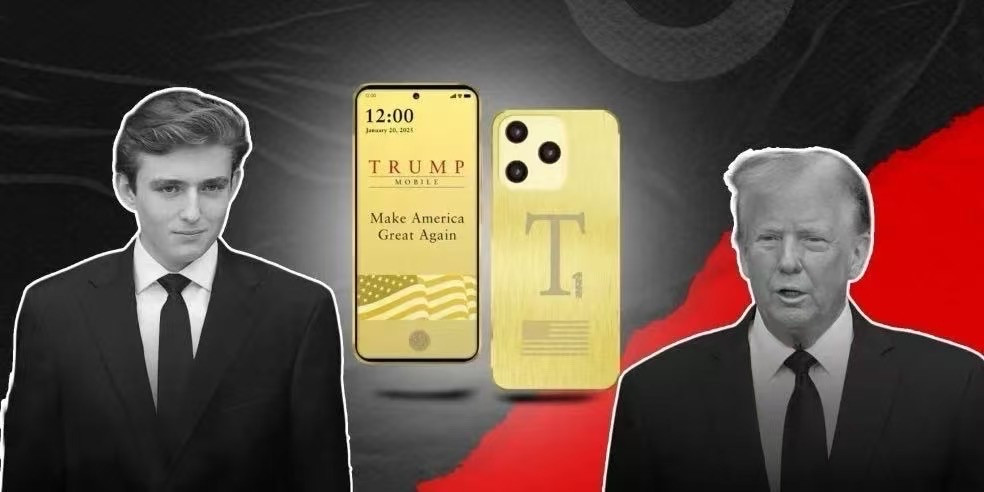
They’ve launched Trump Mobile, a new wireless service they’re calling a “game-changer” for working Americans. Wrapped in patriotic branding and promising “all-American service,” it’s more than just a phone plan. Or at least, that’s how it’s being sold. But scratch the surface and a more complicated picture starts to emerge—one that involves rebranded phones, unclear tech specs, and a business model built more on image than innovation.
The Price Says It All
Trump Mobile’s $47.45 monthly plan doesn’t just cover unlimited calls, texts, and data—it doubles as a not-so-subtle political wink. The price reflects Trump’s role as the 45th and 47th U.S. president.
It’s clever. But it also signals who this product is really for: conservative-leaning consumers who want something that feels like a political statement as much as a mobile service. Trump Mobile isn’t just selling coverage; it’s selling identity. And that’s risky. Because when you market to people’s beliefs, the disappointment hits harder if the product doesn’t deliver.
So Who’s Actually Running This?
Despite the Trump branding front and center, the Trump Organization isn’t directly operating the service. According to its own website, it’s only licensed the name—just like past Trump ventures involving steaks, vodka, or hotels.
That means Trump Mobile isn’t building its own network or making its own phones. It’s operating as an MVNO—a Mobile Virtual Network Operator. That’s industry speak for a company that rents access to existing wireless networks (like Verizon or AT&T) and resells it under a different brand.
This is a smart, low-risk way to enter the telecom game. But it also means the actual quality of the service depends on someone else’s infrastructure. Trump Mobile’s value will live or die on how well those underlying networks perform.
What’s the Deal With the T1 Phone?
Alongside the service plan, Trump Mobile is also launching its own device: the T1 Phone, priced at $499 (or $100 down for pre-orders).
Here’s what we know about it:
• 6.78-inch AMOLED display
• 12GB RAM and 256GB storage
• 5,000mAh battery with 20W fast charging
• Triple rear camera (50MP main sensor)
• 3.5mm headphone jack (yes, really)
But here’s what we don’t know: which processor it uses and whether it supports 5G. And that’s strange—especially in 2025, when even budget phones include 5G as a baseline feature.
Tech reviewers and internet sleuths were quick to notice that the T1 phone looks suspiciously similar to T-Mobile’s REVVL 7 Pro 5G, a phone you can grab on Amazon for about $180. That raises an obvious question: Is the T1 just a rebranded budget phone with a new logo?
Is It Really ‘Made in America’?
Trump Mobile leans heavily into the “Made in America” pitch. That’s a big part of the brand’s emotional appeal. But almost immediately after the announcement, tech insiders pushed back.
Online comparisons suggest the T1 Phone might be manufactured overseas and simply rebranded for Trump Mobile. And that’s not unusual—many phone companies do this. What makes it controversial here is the patriotic packaging. If you’re going to charge $499 and sell it as an all-American product, customers deserve transparency.
It’s Not Just a Phone Company, It’s a Political Statement
Trump Mobile isn’t the first branded product launched under Trump’s presidency. It joins a long list of items—from Trump-branded watches and cologne to sneakers and even Bibles.
The business case here is straightforward: tap into conservative dissatisfaction with corporate America and offer an alternative wrapped in stars and stripes. It’s a phone plan for people who feel big telecom companies don’t reflect their values.
And sure, there’s probably a real audience for that. But it also raises some thorny ethical questions about a sitting president promoting private businesses while in office.
The Market Is Already Crowded
The U.S. wireless market isn’t easy to break into. MVNOs like Mint Mobile, Visible, and Cricket Wireless already offer great value and solid coverage using the exact same strategy Trump Mobile is following—reselling major network access.
What makes these companies successful isn’t political branding. It’s competitive pricing, reliable service, and solid customer support. Trump Mobile will need to offer more than a familiar last name and symbolic pricing if it wants to survive in this space. Because dropped calls and spotty coverage frustrate everyone, regardless of how they vote.
There Are Still a Lot of Unanswered Questions
We still don’t know which major network Trump Mobile is piggybacking on. That’s a big deal—because service quality, speed, and coverage vary widely depending on the carrier.
There’s also no confirmed 5G support yet. And the website doesn’t mention international roaming or explain how customer service will work. That’s concerning for a national rollout. Users want to know who they can call if their phone stops working or if a bill looks wrong.
What This Launch Says About Business in 2025
Trump Mobile is more than a wireless company. It’s a case study in brand monetization—how a political identity can be repackaged into consumer products.
It also shows how fragmented the American market is becoming. People aren’t just buying based on price or features anymore. Increasingly, they’re choosing products that align with their beliefs.
And lastly, it adds to the ongoing debate about manufacturing transparency. If a product is being sold as “Made in America,” people want to know what that actually means. Not where it’s assembled, but where every part comes from.
Final Thoughts
Trump Mobile is making a bold bet: that political branding can power its way into a tech-driven, reliability-first industry.
The emotional pitch might work—for a while. But in telecom, long-term loyalty comes from good coverage, clear pricing, and strong customer service. Right now, Trump Mobile is still light on those details.
If the product turns out to be solid, the brand could gain real traction. But if the service struggles or the phone underperforms, the backlash could be just as intense as the loyalty was at launch.
In the end, Trump Mobile isn’t just a test of business strategy. It’s a test of how much political identity really influences everyday buying decisions—and whether that’s enough to carry a company beyond the headline buzz.