
The Bank of Japan Keeps Rates Steady and Plans to Slow Down Its Bond Tapering

The Bank of Japan (BOJ) just announced that it’s keeping interest rates unchanged at 0.5%. At the same time, it plans to slow down how quickly it’s reducing its purchases of government bonds starting in April 2026.
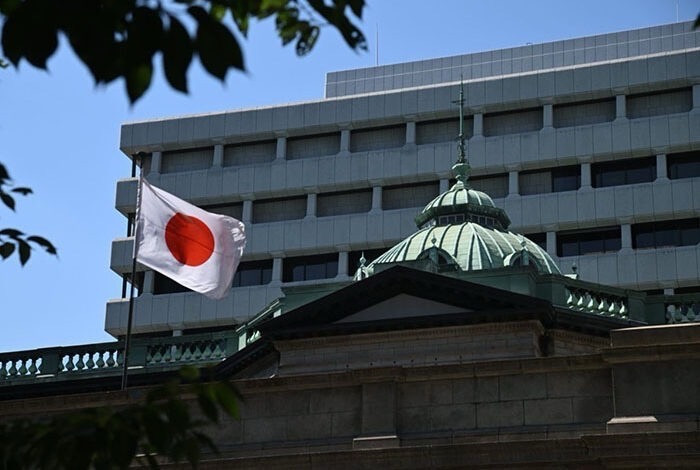
This might sound technical at first—but let’s break it down in simple terms, especially if you’re new to this.
What does it mean when a central bank sets interest rates?
The central bank is like the financial manager of the country. One of its main jobs is to set the interest rate, which affects how expensive it is to borrow money. A higher rate makes borrowing more costly, which can cool down spending. A lower rate makes borrowing cheaper, encouraging more spending and investment.
Japan has kept interest rates very low for years in an effort to support its economy, which has been struggling with slow growth and low inflation. Right now, 0.5% is still extremely low compared to other major economies.
So what’s this about bond buying?
Government bonds are a way for the government to borrow money from investors. When the BOJ buys these bonds, it’s basically giving money to the market—what we often call “injecting liquidity.” This helps keep borrowing costs low and encourages lending and investment.
Over the past decade, the BOJ bought huge amounts of Japanese government bonds (JGBs) to keep the economy going. At one point, it owned about half of all government debt in the country. That’s a massive amount.
What’s tapering, and why does it matter?
“Tapering” means the central bank is slowly reducing how much it buys in bonds. It’s a signal that they’re trying to move away from years of ultra-loose monetary policy and back to something more normal.
Until now, the BOJ had planned to cut back on its bond purchases by ¥400 billion each quarter until March 2026. But starting in April 2026, it’ll reduce the pace—cutting just ¥200 billion each quarter. By early 2027, its monthly bond purchases will be down to ¥2 trillion.
This might not sound like a big change, but investors were watching closely.
Why is the BOJ slowing down?
One reason: long-term bond yields in Japan have recently gone up. A rising yield means lower bond prices—and also reflects expectations of higher interest rates ahead. If the BOJ pulls back too fast, it could cause bond yields to spike, making it more expensive for the government and businesses to borrow.
Another reason is that Japan’s economy still looks fragile. Inflation is picking up, but not strongly. Trade is uncertain, and the BOJ doesn’t want to tighten too fast and hurt the recovery.
So the message is: yes, we’re tightening, but we’re doing it carefully.
My take
The BOJ is walking a fine line. They want to normalize policy after years of aggressive stimulus—but they can’t risk derailing the recovery.
For investors, this means Japan will likely remain in a low-rate environment for a while longer. But over time, there will be less liquidity in the system as bond purchases slow. This could affect the Japanese yen, government bond markets, and even international capital flows.
In short, the BOJ is gently easing off the gas pedal—not slamming the brakes. It’s a cautious but calculated move, and a reminder that central banks are still navigating tricky terrain even after the pandemic era.