
Amazon’s $13 Billion Bet on Australia Is Really a Bet on the Future of AI

Everyone’s talking about AI these days, but what most people don’t see is the massive infrastructure race happening behind the scenes. Amazon’s latest move in Australia is a prime example of just how high the stakes are.

What exactly is Amazon building with $13 billion?
Amazon just announced that it will invest 20 billion Australian dollars—about $13 billion USD—into expanding its data center operations in Australia by 2029.
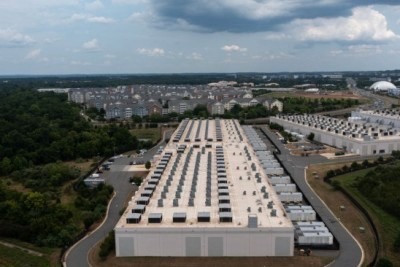
According to the company, this is its biggest investment in the country yet, and the largest public tech investment ever made in Australia.
But what does that actually mean?
In simple terms, Amazon is pouring money into building more data centers—the powerful facilities that keep the internet running and power nearly everything we do online, from streaming Netflix to asking ChatGPT a question.
Now that artificial intelligence is taking off, these data centers are more important than ever. AI systems need far more computing power than regular internet services, and they consume a huge amount of electricity. That’s why companies like Amazon are racing to build bigger, faster, and more energy-efficient data centers.
A quick explainer on cloud computing and why this investment matters
At the heart of Amazon’s data center expansion is cloud computing. Think of it like renting computing power instead of buying it. Instead of owning their own servers, companies can “rent” access to Amazon’s infrastructure through its cloud platform, AWS (Amazon Web Services).
With the rise of AI, the demand for cloud services has exploded. Startups, governments, and global corporations all need serious computing power to run AI models—and they’re turning to cloud providers to get it.
Amazon’s investment doesn’t just include the data centers themselves. The company is also building three solar farms to power these energy-hungry operations, signaling a commitment to sustainability as it scales up.
Why Australia and why now?
Australia is a strategic location. It’s close to major Asia-Pacific markets, politically stable, and has reliable infrastructure. It’s also a market where Amazon sees long-term growth potential.
The Australian government is clearly thrilled. Prime Minister Anthony Albanese called the move a “huge vote of confidence” in the country’s economy, saying it will help boost productivity and future-proof the nation’s digital capabilities.
This is part of a much bigger global arms race
Zoom out a bit, and you’ll see this is just one piece of a global expansion strategy.
In the past few weeks alone, Amazon has announced plans to spend $20 billion in Pennsylvania and another $10 billion in North Carolina to grow its AI infrastructure in the U.S. It’s also eyeing new cloud regions in Chile, New Zealand, and Saudi Arabia.
Its rivals are in the same race. Microsoft is investing billions in its AI-powered cloud, especially through its partnership with OpenAI. Google is ramping up data center capacity and even building its own AI chips.
This isn’t just about tech companies competing. It’s about who will control the digital foundations of the future—compute power, data storage, and ultimately, technological influence.
Why this move really matters
In my view, Amazon’s $13 billion investment isn’t just about keeping up with the AI boom. It’s about shaping the digital rules of the game.
The companies that build and control these data networks will have a major say in what the next decade of AI looks like. This is the digital version of building highways or power grids—except instead of connecting cities, it connects data, applications, and intelligence across the world.
Here’s what this tells us:
• AI is not a hype cycle—it’s driving real, physical infrastructure investment
• Cloud computing is becoming the backbone of digital economies
• Control over compute infrastructure will shape not just markets, but entire industries
For investors, this is the part of the AI story that often gets missed. While the spotlight is on flashy apps and smart assistants, the real long-term winners may be the companies building the roads that everything else runs on.