
Could Christopher Waller Be the Fed’s Dark Horse Contender?: A Strategic Gambit or Genuine Policy Shift?

Christopher Waller’s recent call for a July rate cut has ignited speculation both inside and outside the Fed, sharply contrasting with the institution’s cautious majority.
This stance aligns uncannily with President Trump’s demands for aggressive easing, raising eyebrows about Waller’s motivations and ambitions. The potential jockeying for the next Fed Chair spot has intensified.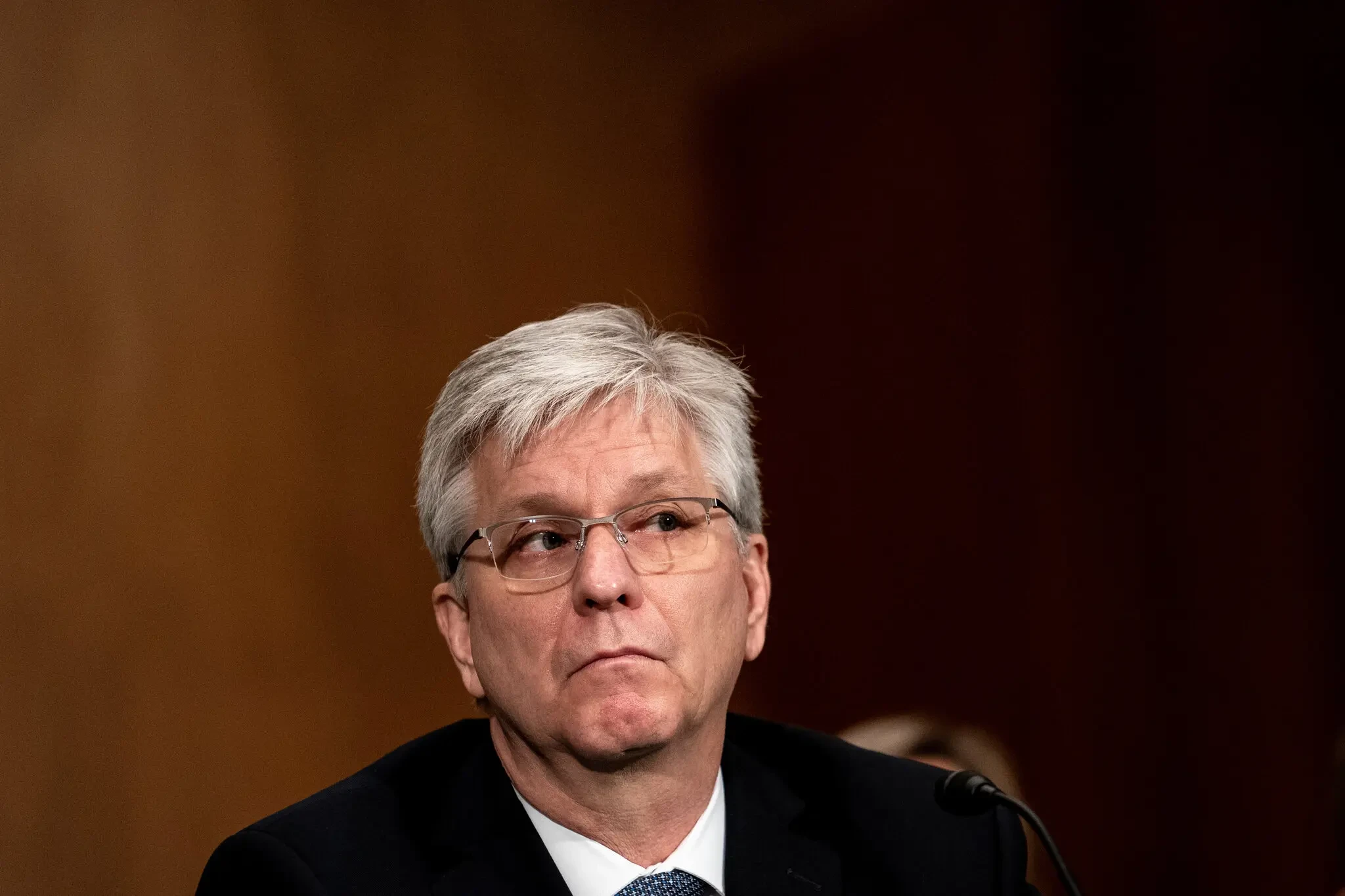
By explicitly endorsing early rate relief, Waller breaks ranks with most FOMC colleagues. His timing dovetails neatly with Trump’s escalating rhetoric against Jerome Powell, prompting debate over whether Waller is pursuing policy conviction or political positioning.
Markets are watching closely as internal Fed dynamics grow more fractious.
In parallel, President Trump’s renewed tirade against Chair Powell—labeling him a “numbskull” and threatening to fire him—adds fuel to the speculation.
Trump insists rates should plunge to 1–2%, framing this as a bargaining baseline rather than a realistic policy prescription. The clash underscores the widening gulf between the Fed’s staff-driven caution and external political pressure.
As trading desks price in only an 8% chance of a July cut and push expectations toward September, the Fed’s next moves remain uncertain.
With Waller’s flexibility and Trump’s clamor converging, the path forward could well hinge on political winds rather than purely economic metrics.
Why Did Waller Break Ranks on a July Cut?
Waller’s public forecast that tariffs will not materially fuel inflation diverges starkly from colleagues. After six months of inaction, he argues that delaying a cut until clear data emerges risks an unnecessary downturn. His call: act preemptively to support labor markets.
This perspective clashes with the Fed’s recent decision to hold rates at 4.25–4.50% for a fourth straight meeting. The majority view remains data-dependent caution, wary of premature easing amid uncertain global trade dynamics. Waller’s rationale rests on a one‑off tariff shock that, in his view, failed to materialize.
Analysts suggest Waller’s stance owes less to conviction and more to positioning. Rumors swirl that his dovish pivot aims to curry favor with Trump, who retains undue sway over appointments. By echoing the president’s demands, Waller may be laying groundwork for a chairmanship bid.
Nick Timiraos of the “New Fed Gazette” highlights Waller’s track record of adaptability. In late 2023, he pivoted to foresee six rate cuts before adjusting his outlook again. Such malleability could appeal to a politically driven appointment process, enhancing his candidacy profile.
Waller’s choice of language—emphasizing “gradual” cuts—allows plausible deniability. He can claim prudence while aligning with external political currents. This nuanced messaging suggests a calculated balancing act between institutional norms and political expediency.
Meanwhile, futures markets assign only an 8% probability to a July move, shifting cut expectations to September. Traders doubt the Fed will deviate so abruptly from its “watchful waiting” stance without compelling new data, underscoring skepticism about Waller’s timing.
Whether Waller genuinely believes a July cut is warranted or simply seeks to bolster his White House credentials remains the central debate fueling both market chatter and internal Fed conversations.
Waller’s Hawk-to-Dove Transformation
Not long ago, Waller was seen as a centrist vote, wary of hasty easing. His 2023 projections leaned toward multiple rate cuts, only to retreat when inflation proved stickier. This oscillation illustrates unusual flexibility for a Fed governor.
His latest commentary frames tariff impacts as transient, urging cuts to preempt labor market risks. Such a stance contrasts with Fed Vice Chair Lael Brainard’s more cautious approach, which stresses sustained price stability over immediate stimulus.
Waller’s shift mirrors Trump’s view that inflation fears are overstated. By downplaying potential price spikes, he implicitly supports the president’s narrative blaming “fake” government-induced inflation, rather than monetary policy.
Critics argue this transformation undermines Fed independence. They warn that aligning too closely with political voices jeopardizes market confidence in the central bank’s objectivity and commitment to its dual mandate.
Supporters counter that Waller’s pragmatism enhances the Fed’s responsiveness. They praise his willingness to adjust forecasts as conditions evolve, rather than adhering rigidly to an outdated outlook.
Over the past decade, few Fed governors have displayed such public fluidity. Waller’s record of outspoken remarks and subsequent reversals sets him apart—raising questions about whether conviction or career calculus drives policy pronouncements.
Ultimately, Waller’s metamorphosis spotlights the tension between data-driven analysis and political influence. His next moves will reveal whether this pattern persists or whether he reverts to a more predictable stance.
Could Trump’s Push Define Fed Politics?
President Trump’s renewed assault on Powell—calling him a “numbskull” and threatening removal—heightens pressure on Fed decision‑makers. His suggestion that rates should be cut to 1–2% stretches beyond historical precedent, but signals a broader political agenda.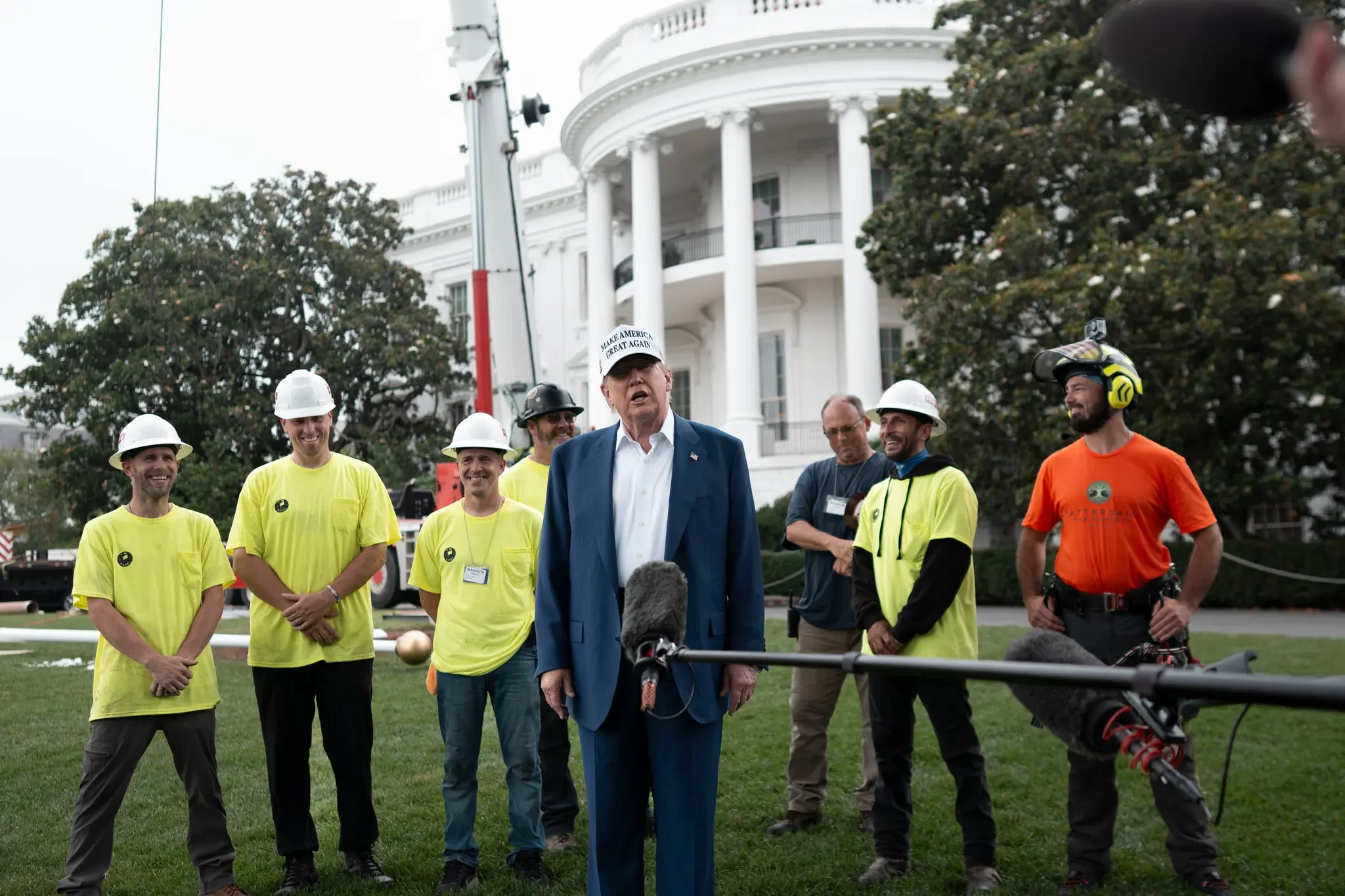
Trump claims such deep cuts could save the U.S. up to $1 trillion annually in interest costs. While presented as bold advocacy, economists view this as typical Trump negotiation strategy—a maximalist opening gambit rather than a realistic foundation for policy.
Repeated public jabs at the Fed chair are rare in modern central banking. From March through June, Trump’s daily criticisms have escalated, each aimed at shifting the narrative in his favor. His message: bow to political pressure or face public humiliation.
Waller’s echoing of Trump’s rhetoric suggests opportunism. He might be positioning himself as the president’s favored insider, someone willing to toe the line and deliver optics of loyalty—qualities valued in a successor.
Yet other contenders, including Treasury veteran Scott Bessent and ex‑Fed governor Kevin Warsh, maintain more traditional centrist profiles. Their lower public profiles reflect a measured approach likely more palatable to markets and Fed staff.
Online prediction markets like Kalshi now list Waller as a frontrunner for the chair slot, followed by Bessent and Warsh. This speculative trading underscores how political narratives can drive expectations, irrespective of economic fundamentals.
As the 2026 chair vacancy looms, Trump’s influence remains potent. His endorsement or criticism could sway internal deliberations, making policy commitments and public statements a form of career jockeying among Fed officials.
Is the Fed Facing Historic Internal Divisions?
The latest FOMC dot plot reveals stark splits: seven participants foresee no cuts this year, two predict one cut, and ten expect two to three reductions. This dispersion marks one of the widest policy expectation gaps in recent history.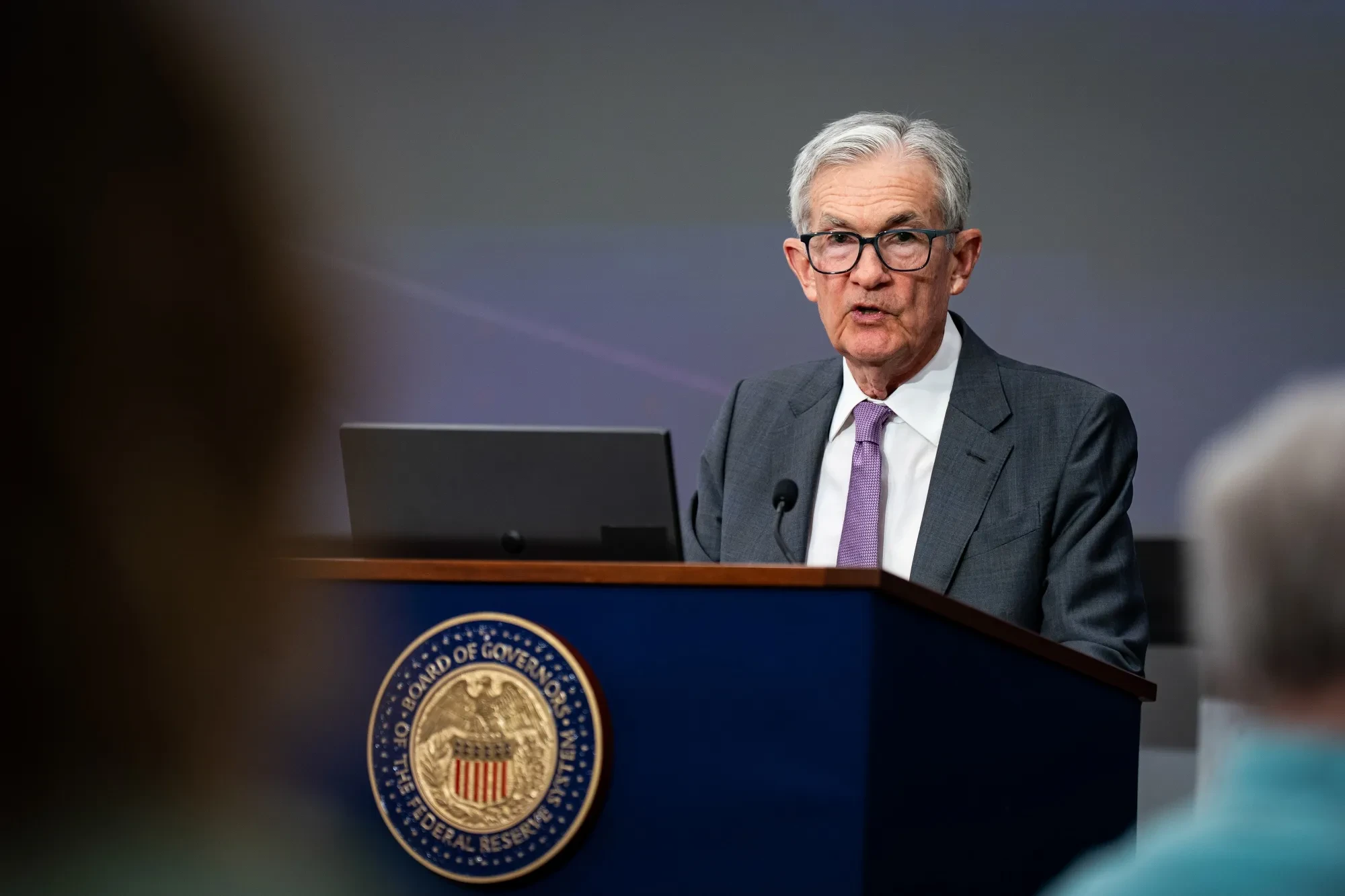
Fed governors Mary Daly and Thomas Barkin have urged patience. They argue for more data before easing, especially given persistent inflation risks tied to energy and services. Their caution contrasts sharply with Waller’s urgency.
Such fragmentation complicates the Fed’s communication strategy. Chair Powell must navigate public unease without revealing internal discord, a delicate balancing act between transparency and unity.
Market uncertainty rises when Fed signals diverge. Traders struggle to interpret which voices carry weight, leading to volatility around announcements and Fed commentary. Clear messaging becomes ever more critical.
The Brussels paradox emerges: too much caution risks economic slowdown, while premature cuts risk re‑igniting inflation. The Fed’s internal tug-of-war underscores the absence of consensus on the right policy path.
Waller’s contrarian stance, coupled with Trump’s vocal demands, amplifies these tensions. If internal disagreements spill into public discourse, the Fed’s credibility could wane, undermining its ability to guide expectations.
Whether the Fed can present a united front at the July meeting remains uncertain. The coming weeks will test the institution’s resolve to prioritize data and independence over external political pressures.
Assessing Market Reaction
Following Waller’s remarks, S&P futures rose modestly, though bond yields barely budged. Traders remained skeptical of a near‑term cut given mixed economic signals and Fed caution.
Implied probabilities on Fed Funds futures show an 8% chance of a July move, yet nearly 50% odds for September. The shift reflects wariness about deviating from the institution’s established timeline.
Equity markets shrugged off Trump’s aggressive commentary, viewing his extreme rate targets as rhetorical flourishes rather than credible policy forecasts. Investors appear to place greater weight on Fed staff projections.
Looking ahead, volatility may spike around Jackson Hole and the FOMC minutes release. Any hint that internal divides are widening could lead to market swings, emphasizing the delicate balance between Fed unity and public debate.