
Trade Wars and Fed Patience: What’s Holding Rate Cuts Back?

Richmond Fed President Thomas Barkin and his colleagues see no urgent case for cutting interest rates despite some calls for early easing.
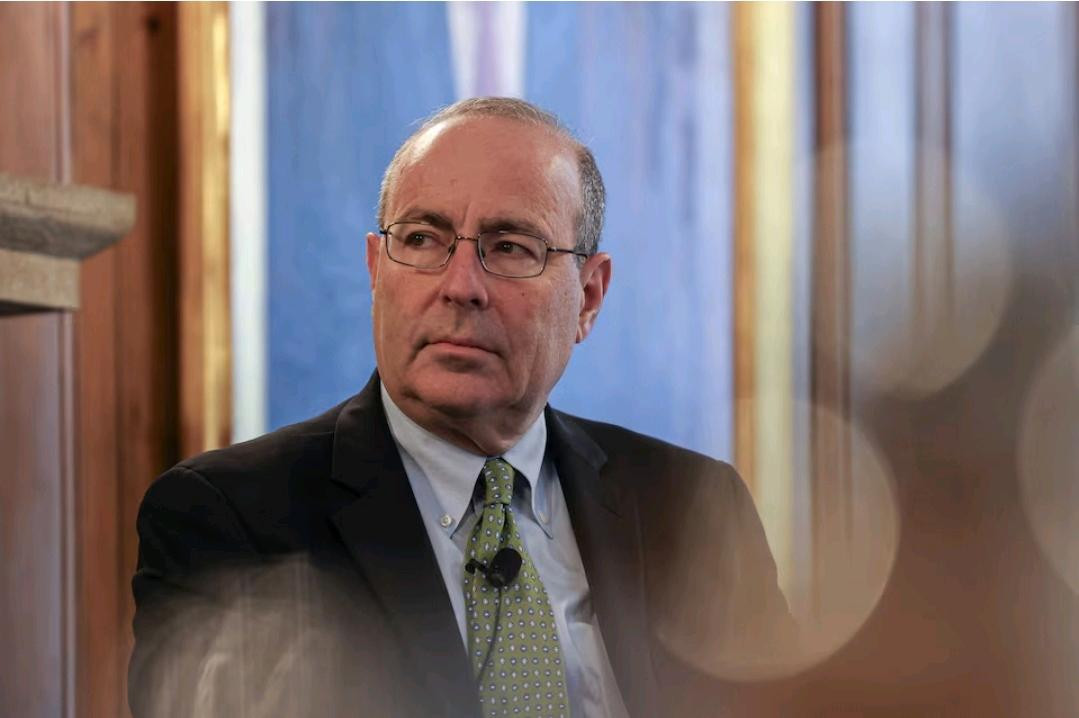
With new tariffs poised to lift prices, employment and spending sturdiness, and deep uncertainty over trade‑policy effects, the Federal Reserve is sticking to a “wait‑and‑see” approach.
Meanwhile, Fed dot‑plot projections show a split between those leaning toward multiple cuts and others favoring restraint.
What You Need to Know
Tariff Risks Unresolved: Firms in Barkin’s district expect consumer prices to rise as new duties take effect—and may rise further if tariffs increase.
Labor Market Remains Strong: Unemployment stands at a low 4.2% with no signs of mass layoffs, supporting the Fed’s maximum‑employment mandate.
Consumer Spending Stable: Household outlays are neither overheated nor subdued, providing little justification for preemptive stimulus.
Divergent Outlooks: The June dot plot’s median forecast sees 50 bps of cuts by year‑end, but nine officials predict only one or no cuts at all.
Fed Report Backs Patience: The semi‑annual monetary policy report underscores the case for holding rates steady until trade‑policy impacts become clear.
Why Is the Fed Hanging Back on Cuts?
Richmond Fed Chair Thomas Barkin laid out the rationale in a recent Reuters interview. He warned that new import taxes still threaten to push inflation higher at a time when U.S. labor markets and consumer spending show resilience.
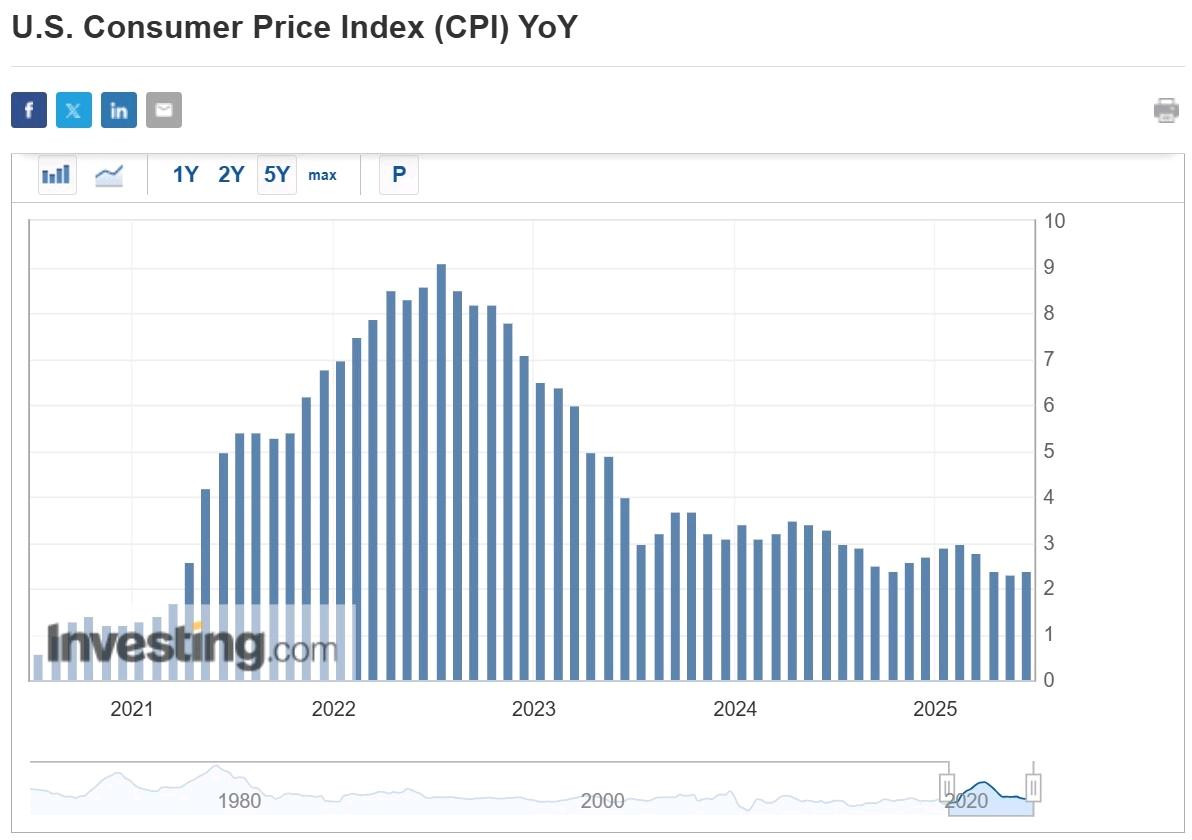
“I don’t see data that warrants haste on rate cuts,” Barkin said, noting that inflation targets have gone unmet for four straight years.
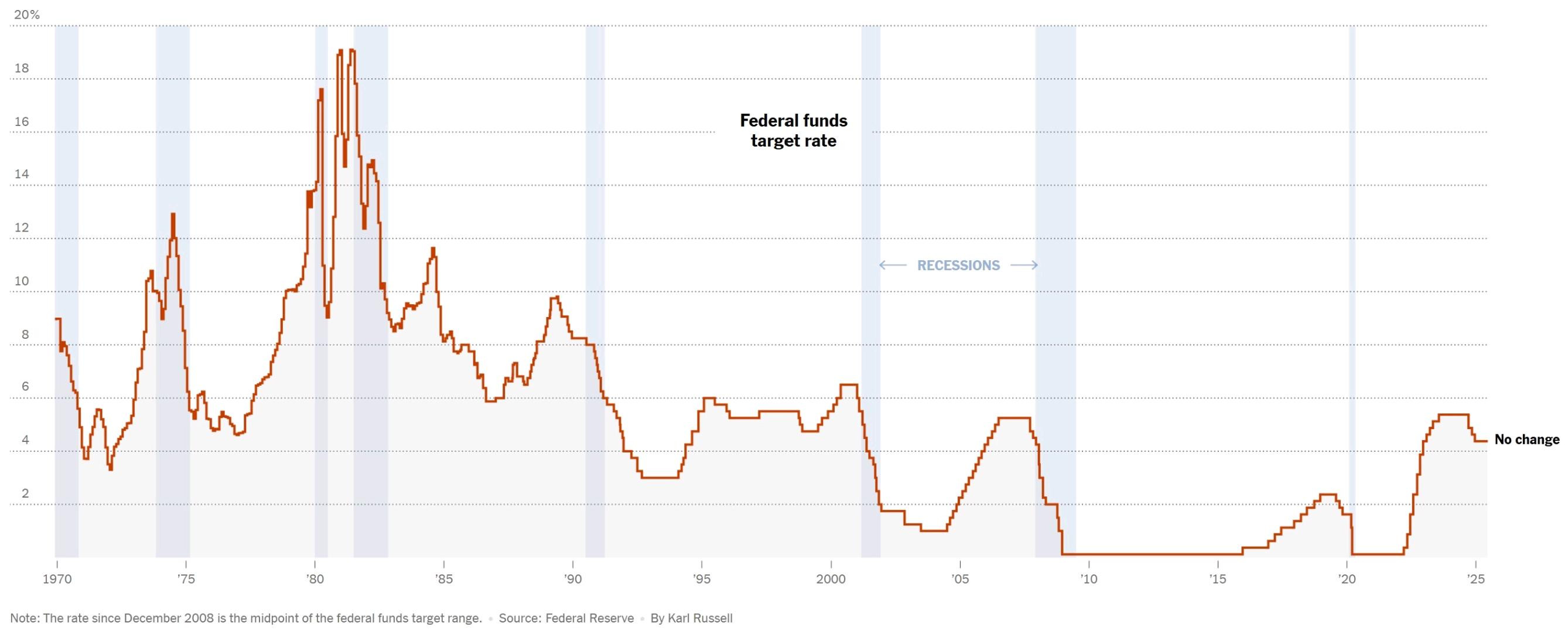
Barkin emphasized that “waiting isn’t slamming the brakes—it’s just not flooring the gas.” By keeping the federal funds rate at 4.25–4.50%, policymakers preserve the flexibility to act when—and only when—tariff‑driven price pressures materialize.
Could Tariffs Be the Inflation Game‑Changer?
Tariff hikes enacted this year remain a wildcard. Businesses across the Richmond Fed’s jurisdiction anticipate that fresh duties will feed through to consumer prices later in 2025.
With further tariff increases possible in coming months, Barkin argues it’s too early to gauge their full inflationary impact.
He outlined two scenarios: one where tariffs fully pass through to higher grocery and retail costs, and another where companies absorb added expenses by slowing hiring—potentially easing inflation at the cost of higher unemployment. By holding policy steady, the Fed gives itself time to observe which dynamic takes hold.
“Data, Not Dates”: Why Timing Matters
Despite some Fed officials—like Governor Christopher Waller—arguing for a July rate cut, Barkin insists on data‑driven decision‑making. He pointed out that core inflation remains above the 2% target and that four years without hitting that goal counsel against preemptive easing.
Moreover, U.S. unemployment is anchored at 4.2%, and firms report steady payrolls without widespread layoffs.
Consumer spending, while not surging, shows no signs of retrenchment. “No single data point screams for immediate action,” Barkin noted, “and we can afford to wait until the picture sharpens.”
How Split Is the Fed on Rate Paths?
The Fed’s June dot plot reveals genuine division among the 19 voting members. Seven participants foresee no rate cuts in 2025, reflecting concerns that premature easing could reignite inflation.
Two members anticipate a single 25 bps reduction, while ten expect two to three cuts—amounting to 50–75 bps of easing—by year‑end.
These divergent views underscore the wide range of risk assessments on the trade‑policy shocks, with some policymakers prioritizing price stability and others seeking to guard against an economic slowdown.
Patience Is a Policy Tool
The Fed’s semi‑annual monetary policy report, released alongside the June rate decision, amplifies the “wait until we know more” message.
It underscores that evolving trade measures inject significant uncertainty into inflation and growth forecasts.
Official CPI data can’t isolate the direct impact of tariffs, though recent patterns in goods prices suggest duties are contributing to upticks.
Meanwhile, after years of asset‑price gains, household balance sheets have normalized, potentially leaving consumers less able to absorb price shocks.
A sharp drop in immigration has restrained labor‑force growth, keeping unemployment low even as demand cools. And although financial markets remain broadly orderly, liquidity indicators dipped to multi‑year lows in April, showing ongoing sensitivity to trade‑policy news.
Fed Chair Jerome Powell will present these findings at upcoming Congressional hearings, framing patience—rather than a predetermined cut—as the Fed’s most potent tool amid policy ambiguity.
Can the Fed Balance Inflation and Growth?
Sustaining a neutral policy stance allows the Fed to balance its dual mandate without overreacting to incomplete information. Barkin’s message is clear: if tariffs drive a spike in consumer prices, the Fed stands ready to respond.
If, however, costs are absorbed by firms through slower hiring, premature rate cuts could undermine price stability.
In the end, the Fed’s credibility hinges on demonstrating that monetary policy reacts to economic realities, not a calendar of expected rate moves. By resisting calls for quick cuts, Barkin and his colleagues aim to preserve that credibility—even as markets and political pressures mount.